Best Vitamin C Serum 2026: 5 Products on Concentration
Most vitamin C serums oxidize before they reach your skin — the orange tint in an old bottle is proof the L-ascorbic acid has already degraded. The products that prevent this use one of two strategies: sealed single-use ampules or a formulation pH below 3.5, and which one you can tolerate depends entirely on your skin barrier.
Products were assessed on published L-ascorbic acid concentration, formulation pH where disclosed, packaging for oxidation resistance, ingredient list for synergistic antioxidants (vitamin E, ferulic acid), price per mL, skin feel from long-term user reviews, and documented irritation rates across oily, dry, and sensitive skin types.

Rohto Melano CC Intensive Anti-Spot Essence
Best Value: Rohto's Melano CC uses 3-O-ethyl ascorbic acid — a stable vitamin C derivative that doesn't require pH below 3.5 — making it the most practical daily-use option for reactive skin types. At its budget price for 20 mL, the cost-of-failure is negligible, and the serum absorbs cleanly without the tacky finish that budget Western vitamin C serums often have.
Top picks ↓| Product | Price | Link |
|---|---|---|
| — | View deal → | |
| $166〜$166 | View deal → | |
| $79〜$79 | View deal → | |
| $12〜$12 | View deal → | |
| $22〜$22 | View deal → |
Top picks
Related articles
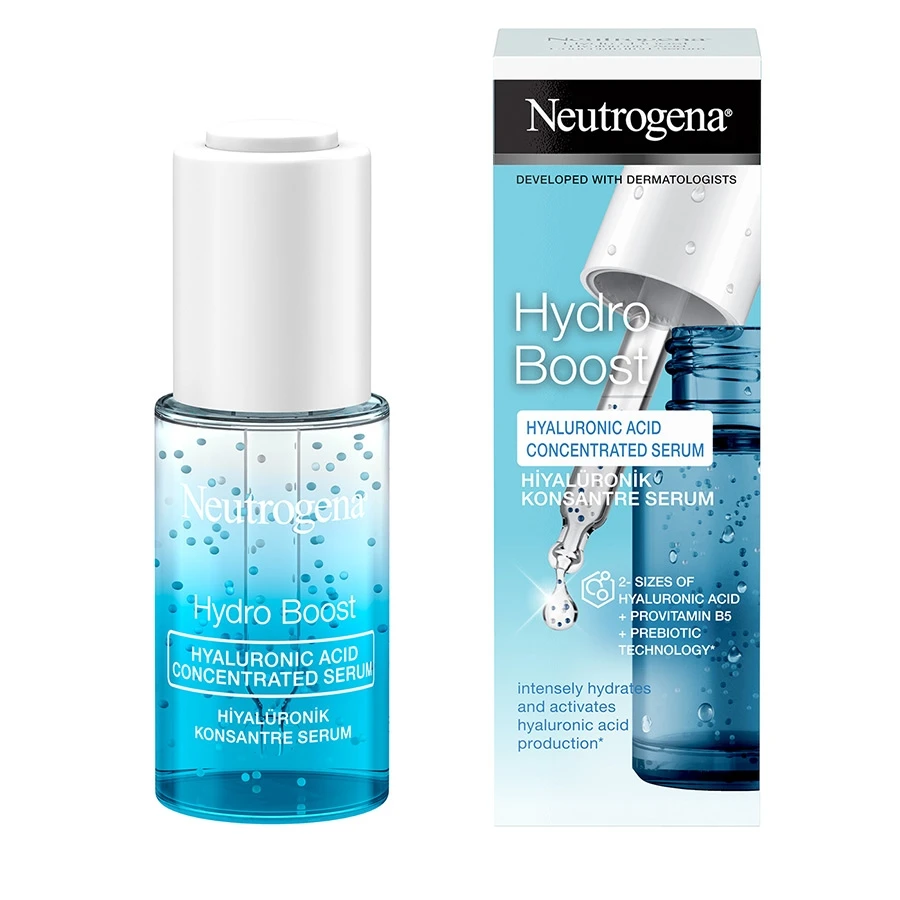


Rohto Melano CC Intensive Anti-Spot Essence
Rohto's Melano CC uses 3-O-ethyl ascorbic acid — a stable vitamin C derivative that doesn't require pH below 3.5 — making it the most practical daily-use option for reactive skin types. At its budget price for 20 mL, the cost-of-failure is negligible, and the serum absorbs cleanly without the tacky finish that budget Western vitamin C serums often have. The honest weakness is that derivative forms require skin conversion to active ascorbic acid, and conversion rate is not guaranteed to be 100%. For hyperpigmentation from UV damage or hormonal spots, results are real but take 6-8 weeks longer than pure L-ascorbic acid equivalents at similar concentration.
Pros
- ✓Budget-priced 20 mL — cheapest usable vitamin C in this comparison
- ✓3-O-ethyl ascorbic acid stable without refrigeration or careful storage
- ✓No stinging or low-pH irritation — works on reactive skin
- ✓Best-seller with years of verified buyer reviews and real user data
Cons
- ✗Derivative form requires skin conversion — efficacy is not identical to pure L-ascorbic acid
- ✗20 mL bottle runs out in 3-4 weeks with face-and-neck application
Score breakdown
| Active | 3-O-ethyl ascorbic acid |
| Size | 20 mL |
| Price | Budget |

SkinCeuticals C E Ferulic
SkinCeuticals C E Ferulic is the gold-standard commercial vitamin C serum, based on peer-reviewed Duke University research and replicated by independent labs more times than any competing formula. The 15% L-ascorbic acid + 1% vitamin E + 0.5% ferulic acid combination at pH 2.5-3.0 has documented UVA/UVB photoprotection synergy and collagen synthesis stimulation that derivative-form products cannot fully replicate. At $166/30 mL, you're paying for proven formulation science and a stable supply chain, not marketing. The honest weaknesses: the hot-dog-water smell from ferulic acid bothers some users enough to discontinue, and the pH 2.5-3.0 causes real flushing and stinging in compromised skin barriers that should not be pushed through.
Pros
- ✓Most peer-reviewed commercial vitamin C formula — Duke University research base
- ✓Ferulic acid doubles photoprotection synergy of vitamin C + vitamin E
- ✓15% L-ascorbic acid at pH 2.5-3.0 optimized for skin uptake
- ✓Air-exclusion packaging maintains stability through shelf life
Cons
- ✗$166 per 30 mL — requires genuine budget commitment
- ✗Ferulic acid produces a hot-dog-water scent that some users cannot tolerate
- ✗pH 2.5-3.0 causes stinging and redness in sensitive or compromised skin
Score breakdown
| Active | 15% L-ascorbic acid + vitamin E + ferulic acid |
| pH | 2.5–3.0 |
| Price | $166 / 30 mL |

Obagi Professional-C Serum 20%
Obagi Professional-C Serum 20% delivers the highest L-ascorbic acid concentration in this comparison at the point where research suggests skin uptake saturates — approximately 20% is the ceiling beyond which adding more ascorbic acid to the formula stops translating to more skin delivery. This makes it the professional-channel pick for people who have already built tolerance for pure L-ascorbic acid and want maximum potency without compounding. The serum also comes in 10% and 15% variants for tolerance-building. The honest weakness: professional-channel distribution means pricing and availability vary significantly, and the single-dose pipette design generates more packaging waste than pump bottles used over time.
Pros
- ✓20% L-ascorbic acid — research-supported ceiling concentration for skin uptake
- ✓Available in 10%, 15%, and 20% for progressive tolerance-building
- ✓Professional-grade pH control and packaging
- ✓No ferulic acid smell — cleaner sensory profile than SkinCeuticals
Cons
- ✗Pure L-ascorbic acid at 20% — high irritation for untrained skin
- ✗Professional-channel pricing and availability varies by market
Score breakdown
| Active | 20% L-ascorbic acid |
| pH | ~3.0 |
| Price | ~$79 / 30 mL |
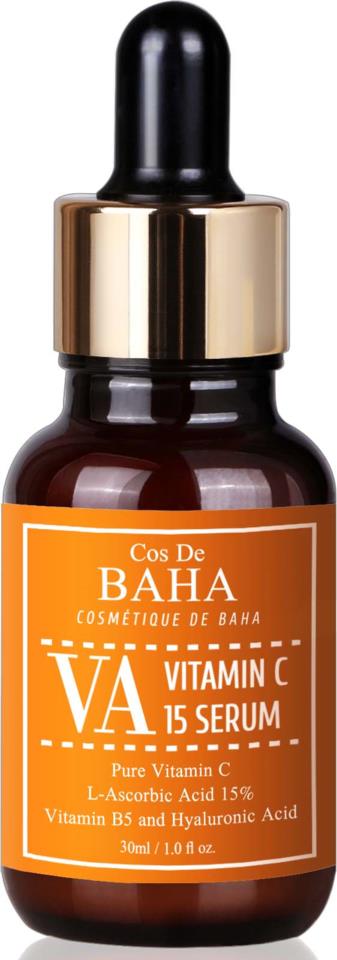
Cos De BAHA Vitamin C 15% Face Serum
Cos De BAHA's vitamin C serum delivers 15% L-ascorbic acid in an anhydrous (waterless) formula at the price point where pure L-ascorbic acid becomes accessible for daily experimentation. No water in the formula means no aqueous degradation pathway — the main reason budget L-ascorbic acid products in water-based formulas turn orange within weeks of opening. The dark glass bottle further slows oxidation. At around $12 per 30 mL, this is SkinCeuticals-equivalent active chemistry at one-thirteenth the price. The honest weakness: anhydrous texture is noticeably tacky on dry skin types, and the brand's quality-control documentation and testing standards are less transparent than Obagi or SkinCeuticals, which matters when working with sub-3.5 pH products.
Pros
- ✓15% L-ascorbic acid at SkinCeuticals-equivalent concentration for ~$12
- ✓Anhydrous formula eliminates aqueous oxidation degradation
- ✓Dark glass bottle packaging slows photo-oxidation
- ✓Lightweight enough for oily and combination skin types
Cons
- ✗Anhydrous texture is tacky and uncomfortable under moisturizer on dry skin
- ✗Less quality-control transparency than professional-channel brands
Score breakdown
| Active | 15% L-ascorbic acid |
| Formula | Anhydrous |
| Price | ~$12 / 30 mL |

Naturium Vitamin C Complex Serum 20%
Naturium's Vitamin C Complex Serum uses encapsulated ascorbic acid alongside vitamin E and ferulic acid — replicating the active combination that SkinCeuticals validated, but delivering it in micro-capsules that burst on skin contact rather than as free acid at pH 2.5. The result is dramatically lower irritation: users with rosacea, eczema-prone skin, or previous bad reactions to low-pH serums report comfortable daily use without the flushing that pure L-ascorbic acid causes. At $22, this is also the most affordable version of the vitamin C + E + ferulic acid three-way combination. The honest weakness: encapsulation technology has less long-term efficacy data than pure L-ascorbic acid, and the near-neutral delivery pH means the 'working' sensation — tingling — is absent, which can erode user adherence.
Pros
- ✓Encapsulated delivery dramatically reduces low-pH stinging and redness
- ✓Replicates vitamin C + E + ferulic acid combination from SkinCeuticals at $22
- ✓20% ascorbic acid concentration in capsule form — highest dose in this list
- ✓Works for rosacea, eczema-adjacent, and post-procedure skin
Cons
- ✗Encapsulation efficacy data is newer and less replicated than pure L-ascorbic acid
- ✗No tingling on application — harder for users to perceive it working
Score breakdown
| Active | Encapsulated 20% vitamin C + E + ferulic acid |
| pH | Near neutral |
| Price | ~$22 / 30 mL |
Which one is right for you?
For budget-conscious daily users
Rohto Melano CC Intensive Anti-Spot Essence
Budget-priced Melano CC packs a derivative form of vitamin C that stays stable through its shelf life and doesn't require the low-pH irritation window that pure L-ascorbic acid demands.
For clinical results without compromise
SkinCeuticals C E Ferulic
The 15% L-ascorbic acid + vitamin E + ferulic acid combination has the most peer-reviewed efficacy evidence of any commercial formula in this list.
For oily or acne-prone skin
Cos De BAHA Vitamin C 15% Face Serum
Waterless 15% L-ascorbic acid formula with minimal filler, lightweight texture, and pricing that makes daily use economical without guilt.
For sensitive skin new to vitamin C
Naturium Vitamin C Complex Serum 20%
Encapsulated vitamin C derivative at 20% avoids direct contact with acidic L-ascorbic acid, dramatically reducing redness and stinging for first-time vitamin C users.
How we compared
Vitamin C serums are one of the most overmarketed skincare categories. Almost every product on the shelf claims 'brightening', 'antioxidant protection', and 'collagen synthesis', and almost every claim is technically defensible because the underlying science is real — vitamin C does all of those things. The question that matters is whether the specific product delivers active vitamin C to your skin before it oxidizes in the bottle or on application, and whether the concentration and pH are within the range where the active form is absorbed.
L-ascorbic acid (the pure, biologically active form) requires a serum pH below 3.5 for skin absorption — above that pH, the stratum corneum doesn't take it up effectively. That low pH is also what causes the stinging and redness that makes vitamin C serums infamous among sensitive-skin users. Vitamin C derivatives — ascorbyl glucoside, ascorbyl tetraisopalmitate, sodium ascorbyl phosphate, 3-O-ethyl ascorbic acid — are converted to ascorbic acid in the skin and can be formulated at higher pH, reducing irritation significantly but also reducing the certainty that conversion is complete. We evaluated each product against both the pure-L-ascorbic-acid standard and the derivative category on its own terms.
What changed in 2026
Two trends are reshaping the vitamin C serum market in 2026. First, encapsulated vitamin C — where the ascorbic acid or its derivative is microencapsulated in a lipid or polymer shell that bursts on skin contact — has moved from lab curiosity to mainstream formulation strategy. Naturium's Vitamin C Complex Serum, Drunk Elephant's C-Firma Fresh, and ILIA's C Beyond Triple Serum all use variants of encapsulation to extend shelf stability and reduce pH-induced irritation. The trade-off is that encapsulated products produce less immediate tingling (which consumers often interpret as the product 'working'), so the signal-to-noise ratio in reviews is messier.
Second, the market has seen a significant upgrade in budget vitamin C offerings. The original Melano CC from Rohto — a budget ascorbic acid derivative product — remains a best-selling vitamin C item by unit volume, but Rohto's HAKU range and Kose's Sekkisei White Expert have both launched 2025 reformulations with higher active concentrations and improved packaging that genuinely competes with mid-tier Korean and European products. The price gap between drugstore and clinical-grade options is widening in value terms: a month's supply of Melano CC costs less than a single dose of SkinCeuticals C E Ferulic.
Where each fits
Melano CC by Rohto is the correct starting point for anyone who hasn't tried vitamin C yet. The active is 3-O-ethyl ascorbic acid, a stable derivative that doesn't require the brutal sub-3.5 pH of pure L-ascorbic acid, formulated at around pH 5-6. At its budget price for 20 mL, this is cheaper per mL than most skincare water. The honest weakness: as a derivative, it requires enzymatic conversion in the skin, and the conversion rate is not 100%. Studies on 3-O-ethyl ascorbic acid show good but not identical efficacy to equivalent concentrations of pure L-ascorbic acid. For skin types that tend toward sensitivity and redness reactivity — this trade-off is usually the right one.
SkinCeuticals C E Ferulic at $166/30 mL is the clinical-grade benchmark. The formula — 15% L-ascorbic acid, 1% alpha-tocopherol (vitamin E), 0.5% ferulic acid, pH 2.5-3.0 — is based on published Duke University research and has been independently replicated more times than any other commercial vitamin C formulation. The ferulic acid synergistically doubles the photoprotection effect of the vitamin C + vitamin E combination. The honest weaknesses: the pH 2.5-3.0 formula causes visible flushing and stinging in sensitive or compromised skin barriers, the serum has a distinctive 'hot dog water' smell from the ferulic acid that some users find intolerable, and the price point requires genuine commitment.
Obagi Professional-C Serum 20% at around $79 is the professional-channel pick for those who want pure L-ascorbic acid at the highest non-prescription concentration without paying SkinCeuticals pricing. The 20% L-ascorbic acid formula is the strongest concentration before diminishing returns set in — research suggests absorption plateaus around 20% because the skin's uptake mechanism saturates. Obagi also offers 10% and 15% versions for those working up to the 20%. The honest weakness: this is a pure L-ascorbic acid formula with the attendant stinging and oxidation issues, and the single-dose packaging is more wasteful than alternatives.
Cos De BAHA Vitamin C 15% Serum at around $12/30 mL is the budget pure L-ascorbic acid pick for oily and combination skin. Waterless anhydrous formula means no aqueous degradation pathway, stable in a dark glass bottle. At pH 2.5-3.0, it has the same irritation profile as SkinCeuticals but at a fraction of the price. The honest weakness: the anhydrous formula feels tacky under moisturizer on dry skin, the brand has less quality-control documentation than the established players, and the 'concentrated' texture requires careful buffering if you have any barrier compromise.
Naturium Vitamin C Complex Serum at around $22 is the recommended pick for sensitive skin or vitamin C beginners. The encapsulated 20% ascorbic acid plus vitamin E and ferulic acid formula delivers all three of the SkinCeuticals-style active combination with dramatically lower irritation because the encapsulation holds the pH near neutral until the capsules burst on skin contact. The honest weakness: encapsulation is a relatively newer delivery mechanism with less long-term efficacy data than pure L-ascorbic acid, and the lower immediate tingling can make users feel the product isn't working even when it is.
Verdict
If you haven't established a vitamin C habit yet, start with Melano CC. The budget price means a failed experiment costs almost nothing, the derivative formula is forgiving on reactive skin, and the brand's track record in dermatology circles is solid. Once your skin tolerates it and you want to step up to pure L-ascorbic acid, the Cos De BAHA 15% at $12 is where to test the transition before committing to clinical-grade pricing.
For people who have already confirmed they tolerate pure L-ascorbic acid and want the formula with the strongest published evidence base, SkinCeuticals C E Ferulic is the recommendation despite the price. The $166 cost per bottle is uncomfortable, but it's 30 mL used in two daily drops — roughly $5.50 per day of use or $166 per month — and the photo-aging prevention evidence is genuinely strong. For sensitive skin that can't tolerate the pH, Naturium's encapsulated approach at $22 is the best available compromise between efficacy and tolerability.
