Best Niacinamide Serum 2026: 5 Products Compared
Niacinamide is one of the most evidence-backed multitaskers in skincare — peer-reviewed studies confirm it reduces sebum, minimizes pore appearance, fades hyperpigmentation, and strengthens the skin barrier, all in one ingredient. The problem is that 'niacinamide serum' now describes products ranging from $6 to $150 with suspiciously similar claims, and the 10% concentration most brands advertise is based on a single 2006 study that used 5%, making the 10% ubiquity a marketing convention more than a science mandate.
Assessed on niacinamide concentration and the evidence base for that concentration, co-actives and their interaction effects, formulation base and pilling behavior under sunscreen, price per mL across global markets, skin-type fit, and the use cases where niacinamide actually delivers its documented benefits.

The Ordinary Niacinamide 10% + Zinc 1%
Best Value / Best Starting Point: The Ordinary's 10% Niacinamide + 1% Zinc is the reference product that established mass-market niacinamide pricing — at $6 for 30 mL, it has made a previously luxury-adjacent ingredient accessible globally. The formula is intentionally minimal: niacinamide, zinc PCA, a preservation system, and little else.
Top picks ↓| Product | Price | Link |
|---|---|---|
| $6〜$6 | View deal → | |
| $30〜$30 | View deal → | |
| $49〜$49 | View deal → | |
| $25〜$25 | View deal → | |
| $18〜$18 | View deal → |
Top picks
Related articles
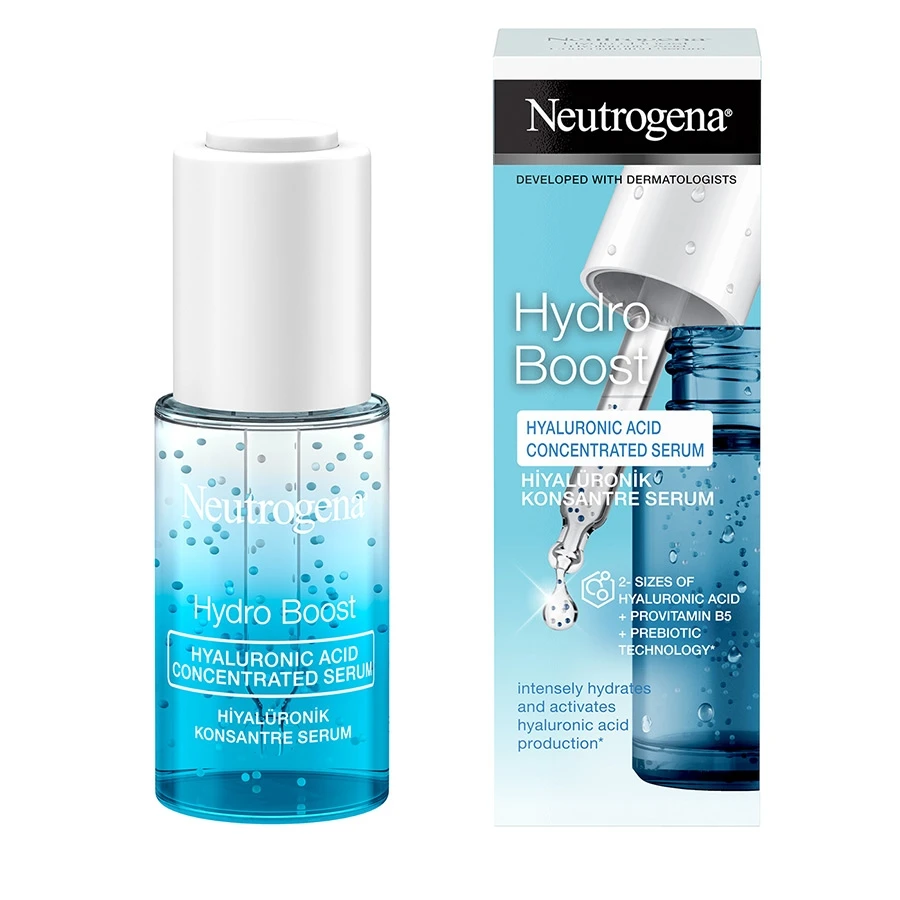


The Ordinary Niacinamide 10% + Zinc 1%
The Ordinary's 10% Niacinamide + 1% Zinc is the reference product that established mass-market niacinamide pricing — at $6 for 30 mL, it has made a previously luxury-adjacent ingredient accessible globally. The formula is intentionally minimal: niacinamide, zinc PCA, a preservation system, and little else. This makes it the best isolation test for whether niacinamide works for your specific skin concerns before spending more on combination formulas. The zinc PCA addition provides complementary sebum regulation. Honest weakness: the minimal formula is prone to pilling under silicone-containing sunscreens — apply a thin layer and wait 2 minutes before the next product.
Pros
- ✓$6 for 30 mL — lowest cost entry into niacinamide in global markets
- ✓Zinc PCA adds complementary sebum-regulation to 10% niacinamide
- ✓Minimal formula allows clean attribution of results to niacinamide
- ✓Fragrance-free, vegan, wide global availability
Cons
- ✗Prone to pilling under silicone sunscreens — requires careful layering
- ✗No moisturizing agents — can feel tight on dry skin types
Score breakdown
| Niacinamide | 10% |
| Co-active | 1% Zinc PCA |
| Price | $6 / 30 mL |
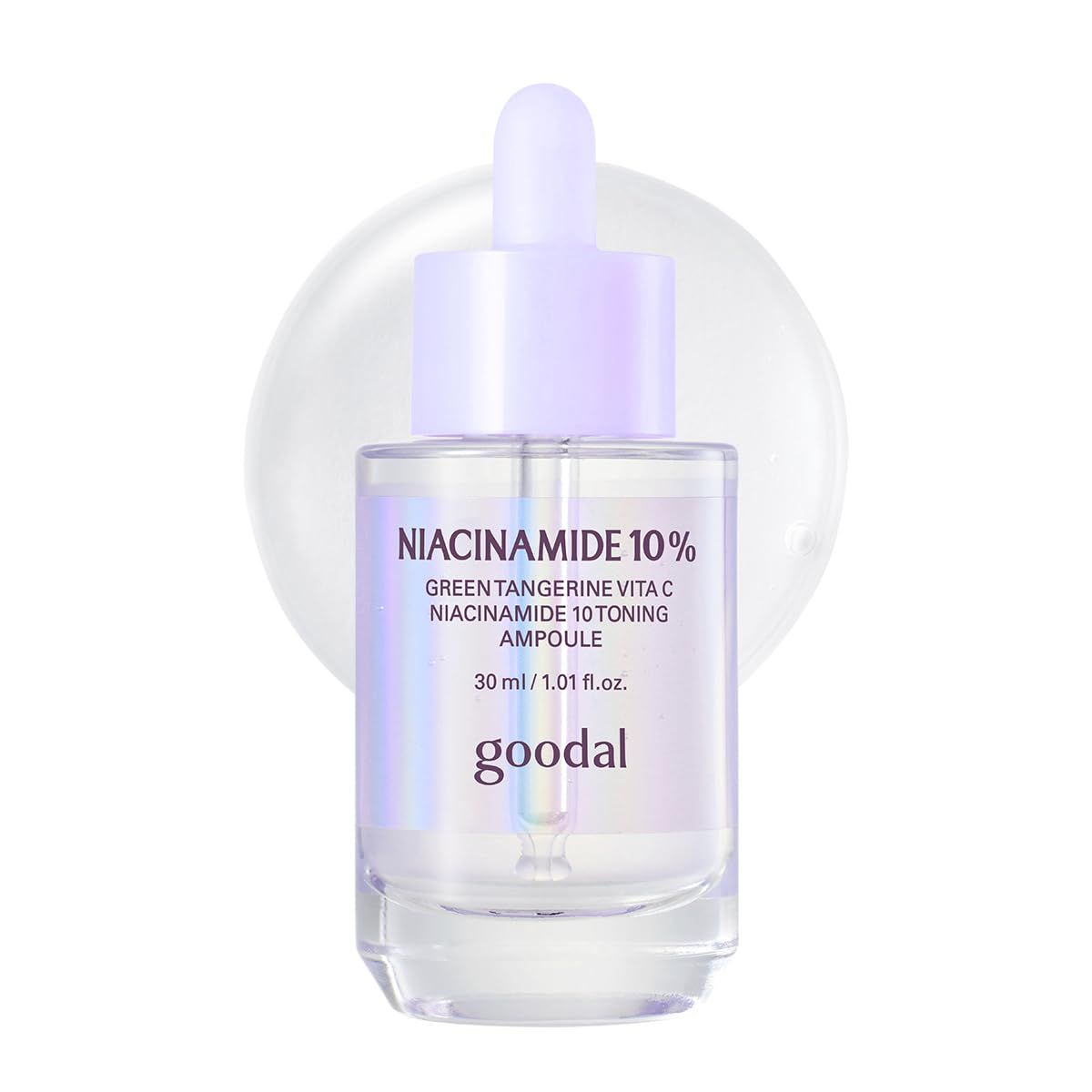
Goodal Green Tangerine Vitamin C Dark Spot Serum
Goodal Green Tangerine Vitamin C Dark Spot Serum combines 70% green tangerine extract (a stable vitamin C source) with niacinamide and adenosine for synergistic tyrosinase inhibition — targeting hyperpigmentation through both the vitamin C inhibition pathway and the niacinamide melanin-transfer inhibition pathway simultaneously. The fermented formulation improves compatibility for sensitive skin. At $30 for 30 mL, it's the mid-range choice that delivers a multi-ingredient approach to pigmentation that pure niacinamide products cannot. Honest weakness: green tangerine vitamin C has less peer-review data than L-ascorbic acid, and the combination formula makes it harder to isolate which ingredient is producing the brightening result.
Pros
- ✓Vitamin C + niacinamide combination targets pigmentation through two pathways
- ✓Green tangerine vitamin C is more stable than L-ascorbic acid
- ✓Fermented formulation for improved skin compatibility
- ✓Lightweight serum texture suits all skin types
Cons
- ✗Less peer-reviewed evidence for green tangerine vitamin C vs standard L-ascorbic acid
- ✗Combined formula makes results attribution to individual actives difficult
Score breakdown
| Niacinamide | Undisclosed % |
| Co-active | 70% green tangerine extract (vit C) |
| Price | $30 / 30 mL |

Paula's Choice Clinical 10% Niacinamide Booster
Paula's Choice 10% Niacinamide Booster is the power-user formula — 10% niacinamide combined with acetyl glucosamine (an exfoliating and brightening agent), vitamin C derivative, and salicylic acid in a serum targeting oily, textured, and acne-prone skin specifically. The BHA component addresses pore congestion while niacinamide handles sebum and barrier reinforcement, creating a dual-active approach that outperforms niacinamide alone for oily skin texture. At $49 for 20 mL it's premium pricing for premium efficacy. Honest weakness: the salicylic acid concentration combined with vitamin C derivative makes this redundant for anyone already using a dedicated BHA; it's only the right product if you want all those actives in one bottle.
Pros
- ✓Niacinamide + BHA combination addresses oily skin texture from two angles simultaneously
- ✓Paula's Choice ingredient transparency — full concentrations disclosed
- ✓Lightweight serum texture does not pill under sunscreen
- ✓Acetyl glucosamine adds additional exfoliation pathway for textured skin
Cons
- ✗$49 / 20 mL — highest cost per mL in this comparison
- ✗Redundant with dedicated BHA if you already use salicylic acid
Score breakdown
| Niacinamide | 10% |
| Co-active | BHA + acetyl glucosamine + vitamin C |
| Price | $49 / 20 mL |

COSRX Galactomyces 95 Whitening Power Essence
COSRX Galactomyces 95 Whitening Power Essence is technically a galactomyces ferment essence with niacinamide support rather than a dedicated niacinamide serum — 95% of the formula is Aspergillus-derived ferment filtrate, with niacinamide as a co-active at undisclosed concentration (likely 2-5%). The galactomyces ferment provides skin texture refinement, brightening, and mild exfoliation alongside the niacinamide's barrier and sebum benefits. At $25 for 100 mL it's excellent value for a ferment-forward essence. Honest weakness: niacinamide is secondary in this formula and concentration is undisclosed — buyers specifically seeking maximum niacinamide dose will get more from The Ordinary at lower cost.
Pros
- ✓$25 / 100 mL — outstanding volume-per-dollar value
- ✓95% galactomyces ferment adds texture refinement beyond niacinamide alone
- ✓Lightweight essence texture integrates seamlessly into K-beauty routines
- ✓Strong long-term use reviews in Korean and Japanese dermatology communities
Cons
- ✗Niacinamide concentration undisclosed — likely 2-5%, not the 10% of top competitors
- ✗Galactomyces-dominant formula; niacinamide is a supporting, not lead, active
Score breakdown
| Niacinamide | Undisclosed (est. 2–5%) |
| Co-active | 95% galactomyces ferment filtrate |
| Price | $25 / 100 mL |

Some By Mi AHA BHA PHA 30 Days Miracle Toner
Some By Mi AHA BHA PHA 30 Days Miracle Toner pairs glycolic acid, salicylic acid, and gluconolactone with niacinamide in a toner designed for the 30-day transformation protocol popular in K-beauty communities. The triple-acid complex handles accelerated cell turnover and pore clearing while niacinamide provides barrier repair support — a logical combination for congested or acne-textured skin types that need exfoliation plus recovery. At $18 this is accessible pricing for the multi-active approach. Honest weakness: triple-acid plus niacinamide combination is too aggressive for sensitive, rosacea-adjacent, or retinol-using skin; the 'miracle' branding oversells what is fundamentally an exfoliating toner with niacinamide support.
Pros
- ✓AHA + BHA + PHA triple-acid provides comprehensive multi-depth exfoliation
- ✓Niacinamide supports barrier recovery during the exfoliation phase
- ✓$18 accessible pricing for a multi-active formula
- ✓30-day protocol provides clear user guidance
Cons
- ✗Triple acid is too aggressive for sensitive, rosacea, or retinol-using skin
- ✗Niacinamide concentration undisclosed — likely supporting rather than lead dose
Score breakdown
| Niacinamide | Undisclosed |
| Co-actives | AHA (glycolic) + BHA (salicylic) + PHA (gluconolactone) |
| Price | $18 / 150 mL |
Which one is right for you?
For the most affordable entry point globally
The Ordinary Niacinamide 10% + Zinc 1%
The Ordinary's $6 formula delivers 10% niacinamide with 1% zinc at the lowest price per dose of any product in this comparison — the right starting point before committing to premium formulations.
For oily and enlarged-pore skin
Paula's Choice Clinical 10% Niacinamide Booster
Paula's Choice 10% Niacinamide Booster pairs niacinamide with salicylic acid and vitamin C in a lightweight serum that addresses sebum, pore appearance, and surface texture simultaneously for oily skin.
For uneven skin tone and brightening
Goodal Green Tangerine Vitamin C Dark Spot Serum
Goodal Green Tangerine Vitamin C + Niacinamide Serum combines fermented vitamin C with niacinamide for synergistic tyrosinase inhibition that addresses pigmentation more aggressively than either alone.
For galactomyces fans and K-beauty routines
COSRX Galactomyces 95 Whitening Power Essence
COSRX Galactomyces 95 Whitening Power Essence pairs niacinamide with 95% galactomyces ferment filtrate for a combination hydration, brightening, and texture refinement approach popular in Korean dermatology.
How we compared
Niacinamide (vitamin B3) has one of the broadest dermatology evidence profiles of any cosmetic ingredient: controlled studies confirm 5% concentration reduces sebum production, minimizes visible pore size, fades post-inflammatory hyperpigmentation (PIH), and improves skin barrier function by increasing ceramide synthesis. The 10% figure that appears on most products comes from marketing extrapolation of the 5% data — the logic being that more is better — but the actual dose-response curve above 5% is not well-characterized, and some evidence suggests that concentrations above 10% may increase skin flushing (niacin flush) as a side effect without proportional efficacy gains.
We compared five products that represent the major formulation approaches: The Ordinary's bare-bones 10% + zinc formula, Paula's Choice multi-active booster, Goodal's fermented vitamin C combination, COSRX's galactomyces-dominant essence, and Some By Mi's AHA/BHA/PHA triple-acid combination with niacinamide. Assessment criteria included the niacinamide concentration and its formulation context (zinc, vitamin C, acids, ferments), the pilling behavior under sunscreen (a real problem with niacinamide-heavy serums in Korean routines), the price-per-dose, and the documented use case fit.
What changed in 2026
The niacinamide market matured significantly in 2025-2026 in two directions. First, the 'combination active' trend — niacinamide paired with tranexamic acid, arbutin, or alpha-arbutin for layered tyrosinase inhibition — has produced several dermatology-reviewed products from brands including Topicals, Dr. Jart+, and La Roche-Posay that specifically target post-inflammatory hyperpigmentation in darker skin tones with significantly more evidence than traditional niacinamide-only formulas. Second, the backlash against 10% niacinamide concentrations has produced a category of 20% products from brands including Inkey List and Ordinary sisters-brand NIOD, though the evidence that 20% outperforms 10% is still limited.
In Japan, niacinamide at 2-5% concentration appears in numerous whitening (美白, bihaku) cosmetics regulated under Japanese quasi-drugs law — including products from HAKU (Shiseido), Melano CC, and ANESSA. The quasi-drug regulation pathway means these products have a higher evidence bar than the cosmetics-only OTC category, but the concentrations are generally lower than global niacinamide serums. The overlap between Japanese whitening products and Western niacinamide serums is significant, and buyers who are already using a Japanese whitening product containing niacinamide may be double-applying niacinamide without realizing it.
Where each fits
The Ordinary Niacinamide 10% + Zinc 1% ($6 / 30 mL) is the correct starting point for anyone who wants to establish whether niacinamide works for their skin before committing to more complex formulations. The bare-bones formula isolates the two actives without co-actives that make it harder to attribute results. Zinc PCA has documented sebum-regulation activity that complements niacinamide's own sebum effects, making the combination stronger for oily skin than niacinamide alone. The honest weakness is pilling — niacinamide-heavy water-based serums applied under silicone-based sunscreens notoriously pill on the skin, creating small rolling balls of product. This is not unique to The Ordinary but is most reported there because the formula is so stripped-back that there's no emollient to buffer the layering. Apply a thin layer, let it fully dry for 2 minutes before the next step.
Goodal Green Tangerine Vitamin C Dark Spot Serum ($30) pairs 70% green tangerine extract (rich in ascorbic acid) with niacinamide and adenosine for a combination formula targeting hyperpigmentation through multiple pathways simultaneously. Green tangerine vitamin C is more stable than standard ascorbic acid and fermented for improved skin compatibility. The serum format is lightweight, suitable for all skin types. The honest weakness: the combined actives make it harder to identify which ingredient is responsible for results, and green tangerine extract as a vitamin C source has less peer review than pure L-ascorbic acid at equivalent concentrations.
Paula's Choice 10% Niacinamide Booster ($49 / 20 mL) takes the most 'power user' approach in this list — 10% niacinamide paired with acetyl glucosamine, vitamin C derivative, and salicylic acid in a serum designed specifically for oily, acne-prone, and textured skin. The multi-active formula addresses pore appearance, PIH, sebum, and surface exfoliation simultaneously. At $49 for 20 mL it's the most expensive product per mL in this comparison, and the investment only makes sense if your skin specifically benefits from all four active pathways working together. The honest weakness: the salicylic acid component adds exfoliation that can be redundant or irritating for those already using a dedicated BHA.
COSRX Galactomyces 95 Whitening Power Essence ($25 / 100 mL) uses 95% galactomyces ferment filtrate as the base, with niacinamide as a supporting active rather than the headline ingredient. Galactomyces ferment filtrate (from Aspergillus) is associated with skin texture improvement and brightening in Korean dermatology, and the COSRX product is one of the most studied in this specific combination. The result is a fermented-forward essence that provides hydration, texture refinement, and brightening in a single lightweight step. The honest weakness: the niacinamide concentration is not prominently disclosed, suggesting it's at the lower end of effective range (likely 2-5%), and the galactomyces-first formula is really a ferment essence with niacinamide support rather than the reverse.
Some By Mi AHA BHA PHA 30 Days Miracle Toner ($18) is the exfoliation-forward niacinamide product — combining AHA (glycolic), BHA (salicylic), and PHA (gluconolactone) with niacinamide in a toner format designed for 30-day skin transformation. This is the only product in this list where niacinamide is clearly secondary to the acid complex, but the combination is specifically designed so the acids improve skin cell turnover while niacinamide supports barrier recovery. Fits best for acne-textured or congested skin that can handle multi-acid exfoliation. The honest weakness: the triple-acid combination makes this inappropriate for sensitive skin, reactive skin, or anyone already using retinol.
Verdict
Start with The Ordinary 10% Niacinamide + Zinc at $6 if you haven't used niacinamide before. Run it for 8 weeks, apply every morning, and observe whether sebum control, pore appearance, or PIH fading is noticeable. If results are good, you have established that niacinamide works for your skin. At that point, upgrade to Paula's Choice if you're primarily oily and textured, Goodal if you're primarily targeting pigmentation, or COSRX if you want a ferment-forward K-beauty approach.
If you're in Japan and concerned about overlapping with Japanese whitening products — many of which contain 2-5% niacinamide — check your existing routine first. Applying 10% niacinamide on top of a quasi-drug whitening toner already at 3% means you're at 13% total on the skin, which is past the dose-response optimum for most evidence. One concentrated niacinamide product at 10% is more practical than two layered niacinamide-containing products trying to add up.
