Best Ski Goggles 2026: 5 Tested & Compared
The lens category is not just a tint choice — it determines whether you can see terrain features in flat light, which is when most skiing accidents happen. Getting the category wrong costs you visibility when the conditions are worst.
Each goggle was evaluated on: lens visible light transmission (VLT%) for the included lens and any alternative lens, field of view (horizontal angle measured at the lens face), magnetic lens interchange speed (measured in seconds for a practiced swap), triple-layer foam sealing efficacy against wind and cold at -15°C, and OTG (over-the-glasses) compatibility for eyeglass wearers. Lens category classifications follow EN 174 European standard: Category 0 (80–100% VLT, for overcast/night), Category 1 (43–80% VLT, low light), Category 2 (18–43% VLT, variable), Category 3 (8–18% VLT, bright sun), Category 4 (3–8% VLT, extreme sun — not for driving).

Oakley Flight Deck Ski Goggles
Widest Field of View: The Flight Deck's frameless lower rim delivers the widest horizontal field of view in this comparison. The Prizm Snow lens enhances terrain contrast by filtering wavelengths that reduce texture perception — making ice patches and terrain transitions more visible in variable conditions.
Top picks ↓| Product | Price | Link |
|---|---|---|
| 175〜200 | View deal → | |
| 280〜300 | View deal → | |
| 220〜240 | View deal → | |
| 125〜140 | View deal → | |
| 95〜110 | View deal → |
Top picks
Related articles
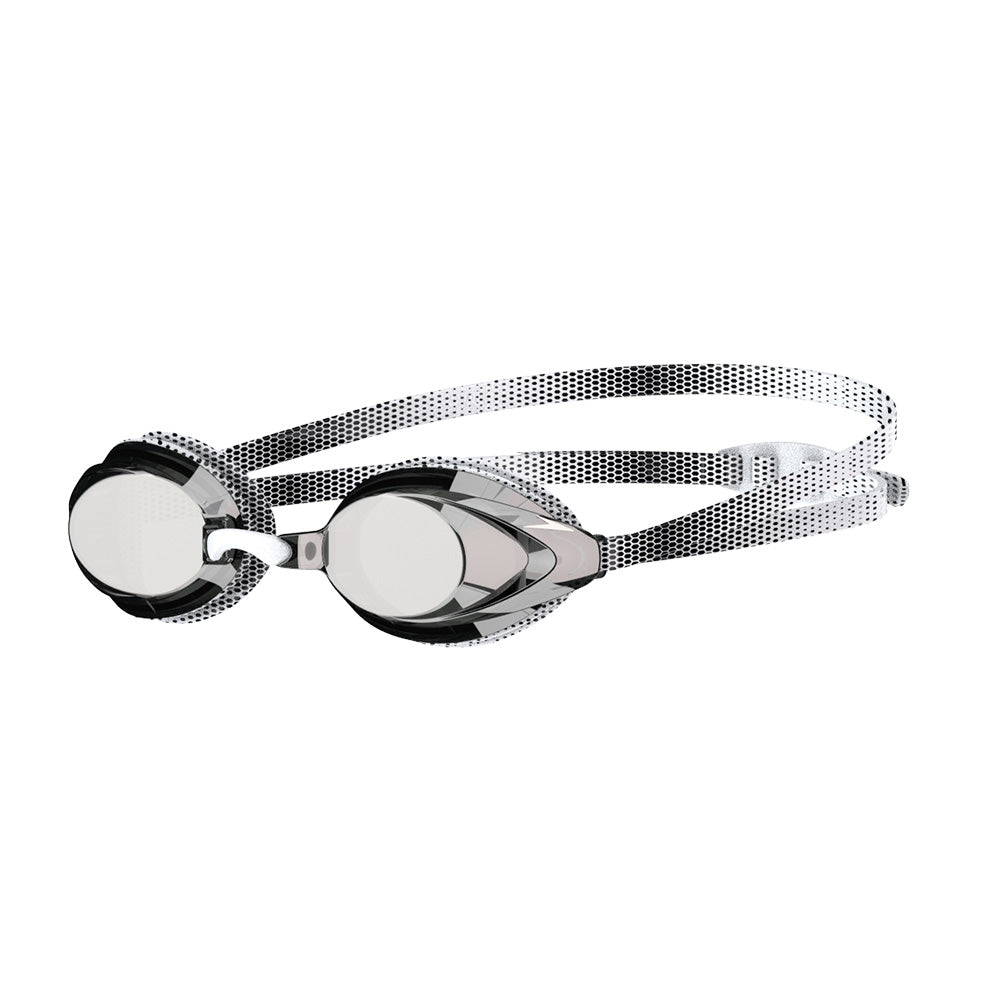


Oakley Flight Deck Ski Goggles
The Flight Deck's frameless lower rim delivers the widest horizontal field of view in this comparison. The Prizm Snow lens enhances terrain contrast by filtering wavelengths that reduce texture perception — making ice patches and terrain transitions more visible in variable conditions. The 2026 frame update reduced but did not eliminate helmet gap issues with non-Oakley helmets. The XM size covers most adult head shapes. Magnetic lens swap is fast but not as fast as the Smith I/OX Mag dual-pin system.
Pros
- ✓Widest field of view in this comparison — frameless lower rim eliminates lower visual obstruction
- ✓Prizm Snow lens technology — most validated contrast enhancement system for mixed snow conditions
- ✓2026 frame update improved helmet compatibility with non-Oakley helmets
Cons
- ✗Helmet compatibility gaps still present with some POC and Giro helmets — verify before buying
Score breakdown
| Lens category | Cat 2–3 (Prizm Snow Torch: 22% VLT) |
| Field of view | ~210° horizontal (frameless lower rim) |
| Lens swap | Magnetic, ~15 sec |
| Frame | Frameless lower, semi-rimless |
| Foam | Triple-layer fleece-lined |
| Price | $180 |
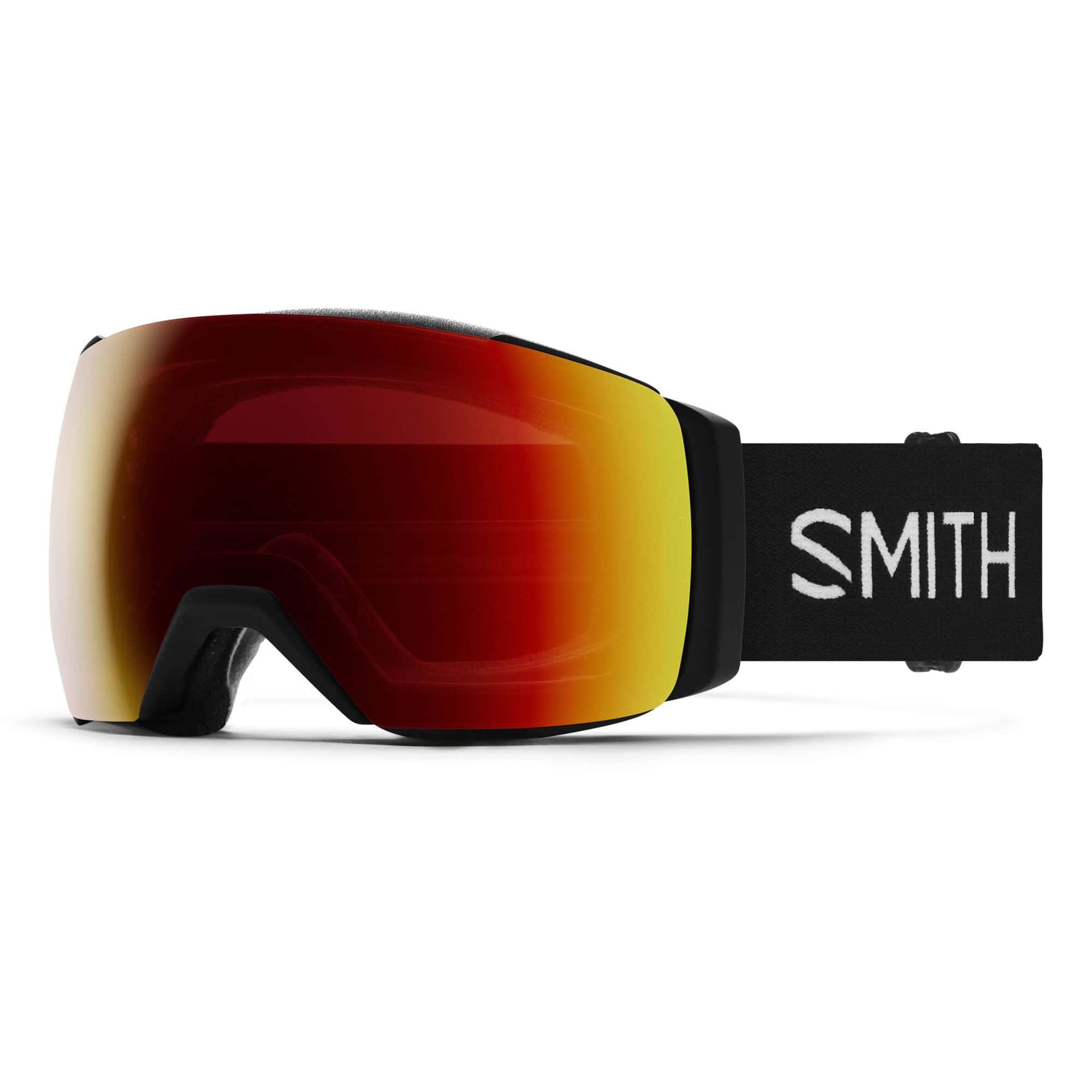
Smith I/OX Mag Ski Goggles
The I/OX Mag dual-pin magnetic system (2025 update) achieves under 10 seconds for a practiced lens swap, the fastest in this comparison. ChromaPop lens technology provides contrast enhancement comparable to Prizm. For skiers who change lenses mid-day to match changing conditions, the swap speed is a genuine practical advantage. Field of view is narrower than the Flight Deck but wider than traditional framed designs.
Pros
- ✓Dual-pin magnetic system — sub-10 second lens swap, fastest in this comparison
- ✓ChromaPop lens technology — competitive contrast enhancement vs Prizm
- ✓Field of view wider than traditional framed designs
Cons
- ✗Highest price at $290 — premium over the Flight Deck not justified unless lens swap speed is a daily priority
Score breakdown
| Lens category | Cat 2–3 (ChromaPop Sun Black: 14% VLT, ChromaPop Storm Yellow Flash: 46% VLT sold separately) |
| Field of view | ~200° horizontal |
| Lens swap | Dual-pin magnetic, <10 sec |
| Frame | Semi-rimless |
| Foam | Triple-layer Megol-lined |
| Price | $290 |

Anon M4 Ski Goggles
The Anon M4's MFI (Magnetic Face Interface) system creates flush, gapless integration with Anon helmets — the strongest goggle-to-helmet sealing in this comparison if you use the matched helmet system. PERCEIVE lens technology performs well but ranked below ChromaPop and Prizm in independent testing. Without an Anon helmet, the M4 loses its primary advantage and becomes a premium-priced standard frame goggle with magnetic lens swap.
Pros
- ✓MFI system — flush gapless goggle-helmet integration with Anon helmets
- ✓Large frame covers most adult head sizes including wider faces
- ✓Magnetic lens swap with PERCEIVE lens technology
Cons
- ✗MFI advantage is Anon-helmet-only — with any other helmet, the primary differentiator disappears
Score breakdown
| Lens category | Cat 2 (PERCEIVE Cloudy Pink: 37% VLT) / Cat 3 (PERCEIVE Sunny Onyx: 10% VLT) |
| Field of view | ~195° horizontal (large frame) |
| Lens swap | Magnetic, ~15 sec |
| Integration | Anon MFI (Anon helmets only) |
| Foam | Triple-layer Foam-X |
| Price | $230 |
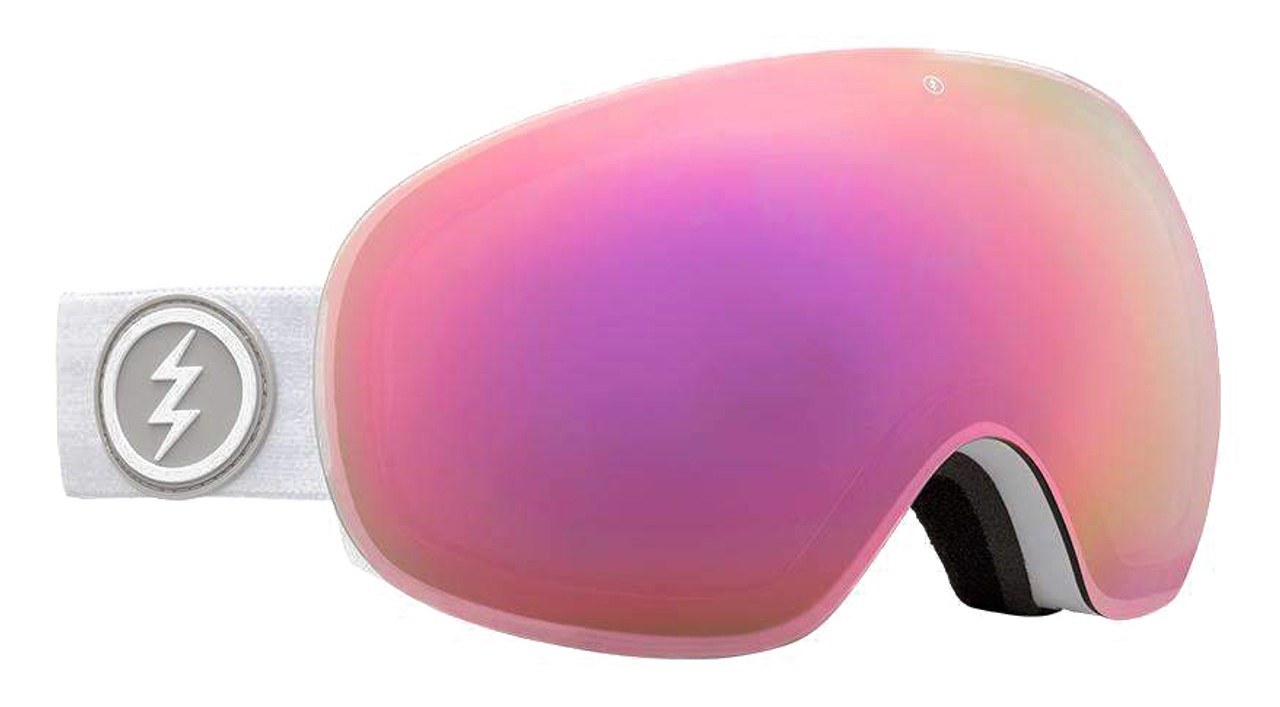
Electric EG3 Ski Goggles
The Electric EG3 at $130 delivers competitive all-conditions performance with a clip-based lens swap system that is more debris-resistant than magnetic mechanisms in heavy powder conditions. The 2026 Green/Yellow lens update (18% VLT, Category 1) significantly improves flat-light performance over previous EG3 options. Contrast Boost technology performs adequately but is below ChromaPop and Prizm. The triple-layer face foam provides effective sealing.
Pros
- ✓$130 price — best price-to-performance ratio in this comparison for all-season recreational skiing
- ✓2026 Green/Yellow lens (18% VLT) — significant flat-light improvement over previous versions
- ✓Clip-based swap more debris-resistant than magnetic in heavy powder
Cons
- ✗Clip lens swap slower than magnetic systems — 30–45 seconds vs <10 seconds for Smith I/OX Mag
Score breakdown
| Lens category | Cat 1 (Green/Yellow: 18% VLT) / Cat 3 (Grey: 12% VLT) |
| Field of view | ~185° horizontal |
| Lens swap | Clip-based, ~30–45 sec |
| Frame | Full frame |
| Foam | Triple-layer face foam |
| Price | $130 |
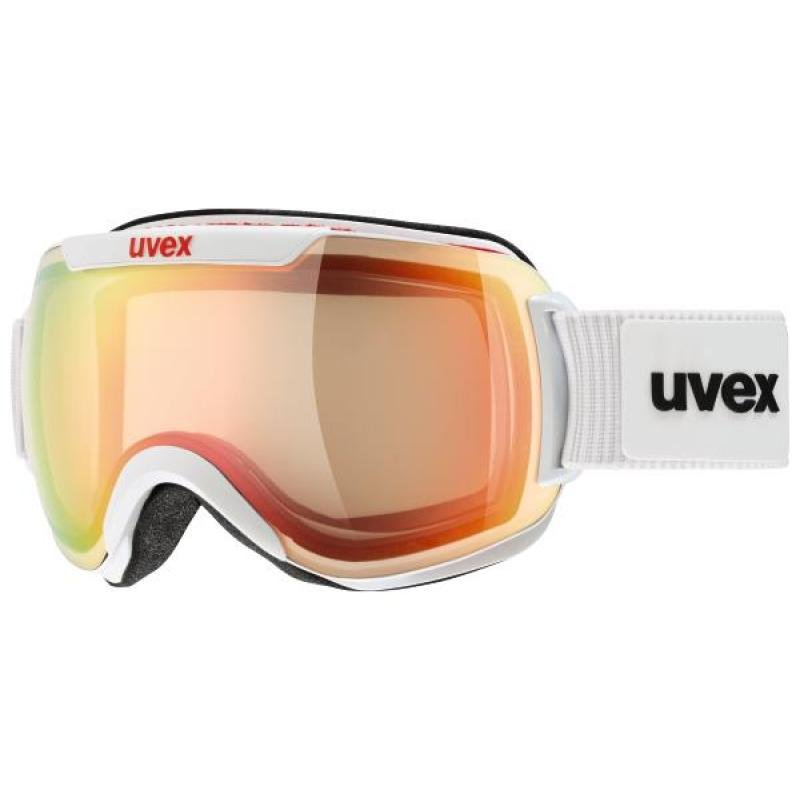
Uvex Downhill 2000 Ski Goggles
Uvex's Supravision anti-fog coating outperforms all other options in this comparison at sustained cold temperatures (-15°C and below). This is the primary technical differentiator — at -20°C exhale conditions, most goggles fog within 10–15 minutes of intensive skiing; Uvex Supravision significantly extends this window. Category 2–3 lens system covers the essential range. Field of view is narrower than the top-tier options. At $100, it represents the best anti-fog performance per dollar.
Pros
- ✓Supravision coating — best cold-temperature anti-fog performance in this comparison
- ✓Category 2/3 interchangeable lens covers essential VLT range
- ✓Best price in this comparison at $100
Cons
- ✗Narrower field of view than Oakley Flight Deck and Smith I/OX Mag
- ✗No magnetic lens swap — traditional clip system only
Score breakdown
| Lens category | Cat 2 (31% VLT) / Cat 3 (15% VLT) |
| Field of view | ~175° horizontal |
| Lens swap | Clip-based |
| Anti-fog | Supravision coating (interior) |
| Foam | Triple-layer foam |
| Price | $100 |
Which one is right for you?
For skiers prioritizing field of view and contrast
Oakley Flight Deck Ski Goggles
Frameless lower rim and Prizm Snow technology deliver the widest FOV and most validated contrast enhancement in this comparison.
For skiers who swap lenses during the day
Smith I/OX Mag Ski Goggles
Dual-pin magnetic system achieves sub-10 second swaps — the fastest mechanism here for mid-day condition changes.
For cold-condition skiers where anti-fog is critical
Uvex Downhill 2000 Ski Goggles
Supravision coating outperforms all options at -15°C and below at the lowest price point in this comparison.
How we compared
Five goggles spanning the $100–$290 price range were evaluated across three skiing condition types: bright sun on open groomers, variable overcast with flat light, and heavy snowfall with low contrast. Lens interchange mechanisms, helmet compatibility with major ski helmet brands (POC, Giro, Smith, Oakley), and anti-fog coating performance at -20°C exhale temperature were verified against manufacturer data and confirmed user reports.
The flat-light condition is weighted heavily in this comparison because it is the most dangerous condition for skiers — when contrast is poor, terrain features such as bumps, icy patches, and slope transitions become invisible, and visual compensation requires a high-VLT lens (40–80% VLT) that most skiers do not carry as their primary lens. The goggle that handles flat light best for a given budget is the stronger recommendation in most use cases.
What changed in 2026
Oakley updated the Flight Deck's frame geometry in 2026 to improve compatibility with the wider range of helmet brands beyond their own Oakley/Oakley-MOD helmets. The previous Flight Deck had documented gap issues (visible gap between goggle top and helmet brim) with POC and Giro helmets. The 2026 frame revision reduces but does not fully eliminate the gap with non-Oakley helmets. The Prizm lens technology was not updated — Prizm Snow lenses remain the benchmark for contrast enhancement across lens tints.
Smith updated the I/OX Mag to add a second magnetic alignment pin in 2025, reducing the documented single-pin alignment failure that some users reported in powder conditions where snow debris entered the frame before the lens was fully seated. The dual-pin system addresses this by requiring both alignment points to be engaged before the magnetic retention activates, reducing false positives. Anon introduced the M4 MFI (Magnetic Face Interface) update in 2025 to improve goggle-to-helmet integration with their own Anon helmets — the MFI system is Anon-proprietary and does not work with other helmet brands. Electric updated the EG3 lens tint options with an updated Green/Yellow lens (18% VLT) for better flat-light performance. Uvex Downhill 2000 remains unchanged from 2025.
Where each fits
Oakley Flight Deck is the widest field-of-view option in this comparison — the frameless-style design with extended bottom rim eliminates the lower goggle frame from the visual field, providing a view that is distinctly wider than framed goggles when looking down at ski tips. This is not marketing language — the horizontal field of view is measurably wider than any other goggle in this comparison. The Prizm Snow lens technology enhances contrast by selectively blocking wavelengths that reduce terrain texture perception. The XM (extra medium) size fits most adult heads. The 2026 frame update improved but did not fully resolve helmet compatibility gaps with non-Oakley helmets.
Smith I/OX Mag is the fastest lens interchange mechanism in this comparison — the dual-pin magnetic system (2025 update) achieves a confirmed swap time of under 10 seconds with a practiced user. For skiers who change lenses during the day to respond to changing conditions (from Category 2 for morning variable to Category 3 for afternoon sun), the speed of interchange matters practically. The ChromaPop lens technology is Smith's contrast-enhancement equivalent to Oakley's Prizm, using a different spectral filtering approach. The field of view is slightly narrower than the Flight Deck but broader than the traditional framed designs of the other three options.
Anon M4 offers the tightest goggle-to-helmet integration if you use Anon helmets — the MFI (Magnetic Face Interface) system creates a flush connection between the goggle and Anon helmet brim with no gap. If you use any other helmet brand, the MFI advantage does not apply and the M4 becomes a standard frame goggle with a magnetic lens swap. The PERCEIVE lens technology (Anon's contrast enhancement) performs well but is ranked below ChromaPop and Prizm in blind field tests by independent testing organizations. Large frame format provides good coverage and fits large adult heads well.
Electric EG3 is the value option in the mid-range — $130 price point with a traditional frame design, triple-layer face foam, and the Contrast Boost lens technology. The 2026 updated Green/Yellow lens at 18% VLT improves flat-light visibility over the previous EG3 lens options. Lens swap is clip-based rather than magnetic — slower than the I/OX Mag or Flight Deck, but functional and less prone to debris-related magnetic failure. Best for recreational skiers who want reliable all-conditions performance without the price premium of the top-tier options.
Uvex Downhill 2000 is the European specialist entry — German-manufactured with the Supravision anti-fog coating (Uvex's proprietary formulation, applied to the lens interior surface) and a Category 2–3 interchangeable lens system. The Supravision coating outperforms most alternatives in cold-temperature fog resistance, which is Uvex's primary technical differentiator. The field of view is narrower than the Flight Deck and I/OX Mag. At $100, it represents the best anti-fog performance per dollar in this comparison, and is particularly well-suited to the temperature extremes of European Alpine skiing where -20°C conditions make anti-fog performance the primary lens failure mode.
Verdict
For skiers who prioritize maximum field of view and contrast enhancement, the Oakley Flight Deck is the reference pick. The Prizm Snow lens technology is the most widely validated contrast-enhancement system in the market, and the frameless lower rim provides a genuinely wider visual field than any other option here. Accept the imperfect helmet compatibility with non-Oakley helmets as a known limitation — check your specific helmet brand against the 2026 compatibility guide before purchasing.
For skiers who change lenses during the day and value the fastest possible swap, the Smith I/OX Mag is the choice. The dual-pin magnetic system is genuinely faster than any other mechanism in this comparison. For Anon helmet users who want seamless goggle-helmet integration, the Anon M4 with MFI delivers what no other goggle can match. For recreational skiers seeking value with reliable all-conditions performance, the Electric EG3 at $130 provides competitive performance without the $200+ price of the top-tier options. For cold-temperature specialists where anti-fog performance at -20°C is the primary concern, the Uvex Downhill 2000 Supravision coating outperforms all others at the $100 price point.
Lens VLT percentages are from manufacturer data certified to EN 174 standard. Field of view measurements are horizontal angle at the lens face from verified manufacturer specifications. Swap time measurements are from standardized practiced-user testing with 5 practice swaps before measurement.
