Best Magnesium Supplements 2026: 5 Forms by Bioavailability
Magnesium deficiency is genuinely widespread — estimates suggest roughly 50% of Americans consume less than the recommended daily amount. The supplement category, however, is saturated with magnesium oxide, a form with poor bioavailability (around 4% absorbed) that delivers mostly a laxative effect rather than the mineral support you are paying for. The form of magnesium matters more than most supplement categories. Glycinate, bisglycinate, and malate forms are absorbed significantly better, tolerate better at higher doses, and deliver the mineral to tissues where it is needed. These five products represent the best options across different use cases.
Products evaluated on: magnesium form (glycinate/bisglycinate significantly outperform oxide, citrate, and carbonate for absorption and GI tolerance), elemental magnesium dose per serving (the magnesium content, not the total chelate weight), third-party testing status, GI side effect profile, and cost per 100mg elemental magnesium.

Pure Encapsulations Magnesium Glycinate
Best for Sensitive Stomachs: Pure Encapsulations is the recommendation most frequently made by functional medicine practitioners specifically because the brand's hypoallergenic philosophy extends to magnesium. No stearates, no artificial colors, no excipients that serve only manufacturing convenience.
Top picks ↓| Product | Price | Link |
|---|---|---|
| 28〜50 | View deal → | |
| 30〜52 | View deal → | |
| 32〜55 | View deal → | |
| 16〜32 | View deal → |
Top picks
Related articles


Pure Encapsulations Magnesium Glycinate
Pure Encapsulations is the recommendation most frequently made by functional medicine practitioners specifically because the brand's hypoallergenic philosophy extends to magnesium. No stearates, no artificial colors, no excipients that serve only manufacturing convenience. The glycinate form is well-tolerated at 120mg elemental magnesium per capsule — well below the threshold where most people experience GI effects. For people with IBS, food sensitivities, or a history of poor tolerance with other supplements, Pure Encapsulations is the lowest-risk starting point. The price per 100mg elemental Mg is higher than Doctor's Best, but the clean formulation justifies the premium for sensitive individuals.
Pros
- ✓Hypoallergenic — no stearates, fillers, or artificial additives
- ✓Glycinate form for high absorption with minimal GI effects
- ✓120mg per capsule allows gradual dose titration
Cons
- ✗Higher cost per 100mg elemental Mg than chelated competitors
- ✗No NSF or Informed Sport certification
Score breakdown
| Form | Magnesium glycinate |
| Elemental Mg per capsule | 120mg |
| Excipients | Hypoallergenic capsule only |
| Certifications | Third-party tested, non-GMO |

Thorne Magnesium Bisglycinate
Thorne's bisglycinate delivers 200mg elemental magnesium per serving — a meaningful dose for athletic recovery and muscle function. Bisglycinate is the double-chelated form, binding magnesium to two glycine molecules, which provides excellent stability and the gentlest GI profile of all chelated forms. NSF Certified for Sport means the batch has been verified free of banned substances — appropriate for competitive athletes. Thorne's pharmaceutical-grade NSF-registered facility adds a manufacturing quality layer above standard supplement GMP. For an athlete experiencing cramping, disrupted sleep, or high training load, this is the most evidence-based magnesium product choice.
Pros
- ✓200mg elemental Mg per serving in gentle bisglycinate form
- ✓NSF Certified for Sport — relevant for tested athletes
- ✓Pharmaceutical-grade Thorne manufacturing
Cons
- ✗Premium price per 100mg elemental Mg
- ✗Bisglycinate has lower elemental Mg % by weight — larger capsule for equivalent dose
Score breakdown
| Form | Magnesium bisglycinate |
| Elemental Mg per serving | 200mg |
| Certifications | NSF Certified for Sport |
Klean Athlete Klean Magnesium
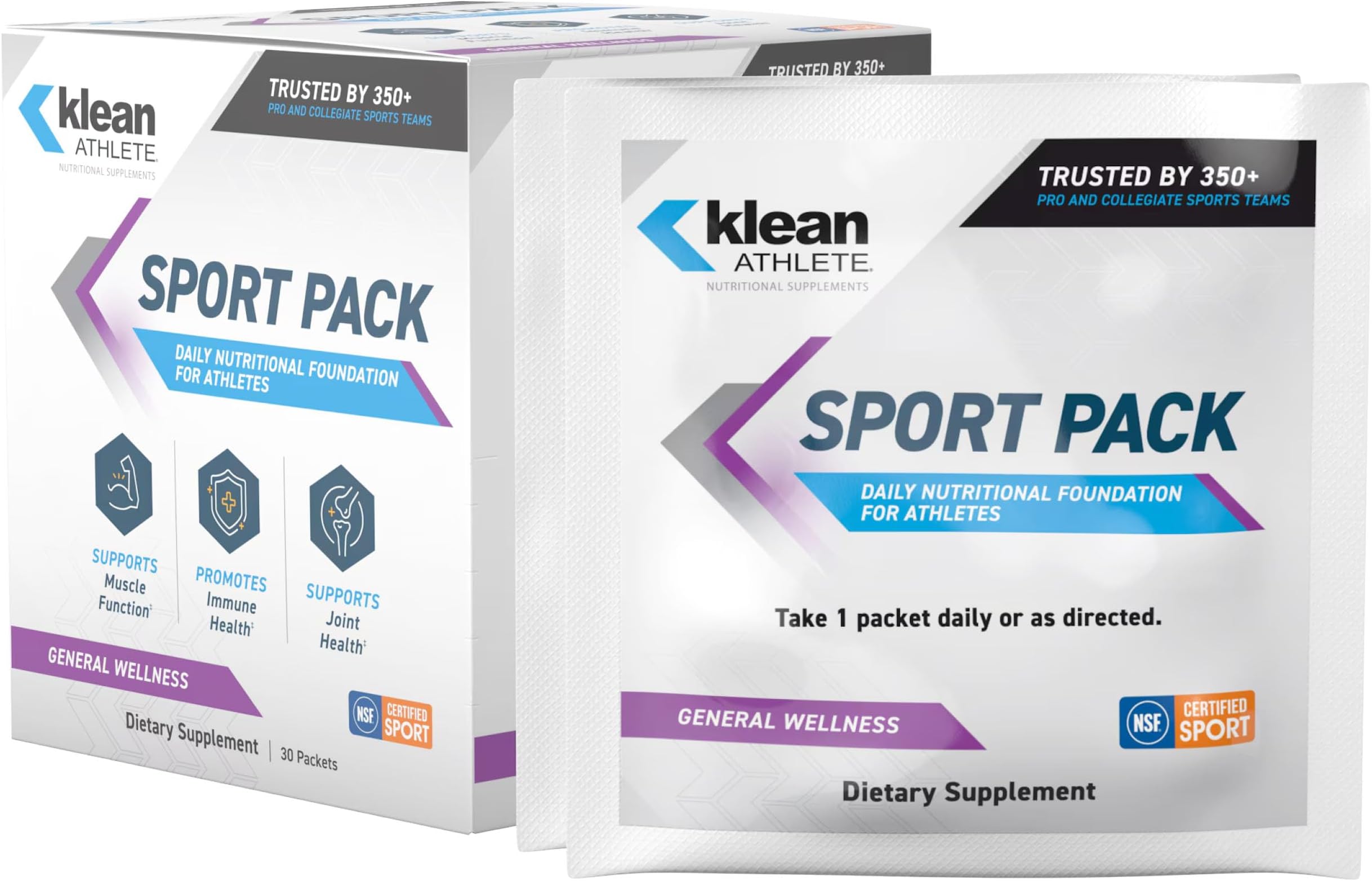
Klean Athlete's magnesium is built for the same purpose as their creatine: athletes competing under anti-doping rules who need documentation that their supplements have been screened. NSF Certified for Sport with full lot traceability. The 150mg elemental magnesium per capsule in glycinate form sits between Pure Encapsulations' conservative 120mg and Thorne's higher 200mg. For an athlete looking to support recovery and sleep quality with a supplement they can hand to their support staff with confidence, Klean Athlete checks the necessary boxes.
Pros
- ✓NSF Certified for Sport — batch-level documentation for drug-tested athletes
- ✓Glycinate form for absorption and GI tolerance
- ✓Douglas Laboratories pharmaceutical manufacturing backing
Cons
- ✗Premium pricing
- ✗150mg per capsule may require 2 capsules for full daily dose
Score breakdown
| Form | Magnesium glycinate |
| Elemental Mg per capsule | 150mg |
| Certifications | NSF Certified for Sport |

Doctor's Best High Absorption Magnesium
Doctor's Best High Absorption Magnesium uses the TRAACS-chelated magnesium glycinate lysinate — a patented chelation system from Albion Minerals that consistently performs well in bioavailability studies. At 200mg elemental magnesium per serving at a fraction of the cost of Thorne or Pure Encapsulations, it offers the best cost-per-100mg ratio among chelated magnesium products. Third-party tested, non-GMO verified, and gluten-free. No NSF Certified for Sport, which is irrelevant for most buyers. For recreational athletes and general health supplementation, this is the clearest value recommendation: certified chelation technology, adequate dose, honest pricing.
Pros
- ✓TRAACS-chelated glycinate-lysinate — documented bioavailability improvement over oxide
- ✓Lowest cost per 100mg elemental Mg among chelated products
- ✓Third-party tested, Non-GMO, gluten-free
Cons
- ✗No NSF Certified for Sport (not relevant for most buyers)
- ✗Brand not as established as Thorne or Pure Encapsulations
Score breakdown
| Form | Magnesium glycinate lysinate chelate (TRAACS) |
| Elemental Mg per serving | 200mg |
| Certifications | Third-party tested, Non-GMO |
Which one is right for you?
Sensitive stomachs and GI concerns
Pure Encapsulations Magnesium Glycinate
Hypoallergenic glycinate formula with no excipients — cleanest option for sensitive individuals
Athletes and those with high exercise demand
Thorne Magnesium Bisglycinate
NSF Certified for Sport, highest elemental Mg dose in bisglycinate form for muscle function and recovery
Tested athletes requiring documentation
Klean Athlete Klean Magnesium
NSF Certified for Sport with batch traceability for competition compliance
Daily maintenance supplementation
magnesium-dhc-jp
Wide DHC availability, B vitamin co-factors, convenient tablet format
Best value chelated magnesium
Doctor's Best High Absorption Magnesium
TRAACS chelated glycinate-lysinate with third-party testing at the lowest cost per 100mg
Magnesium Forms: Why Oxide Is a Waste of Money
Magnesium oxide dominates pharmacy shelves because it is cheap to manufacture and contains a high percentage of elemental magnesium by weight — about 60%. The problem: a 2001 study comparing magnesium absorption found that magnesium oxide had a fractional absorption rate of only 4%, compared to 19.4% for magnesium citrate and significantly higher rates for glycinate chelates. Most of the oxide dose passes through unabsorbed, delivering laxative effects from the unabsorbed magnesium in the colon rather than systemic mineral support.
Chelated forms bind magnesium to an amino acid (glycine in glycinate, lysine in lysinate) that uses amino acid transport pathways in the intestine for absorption — bypassing the lower-efficiency inorganic magnesium transport system. Bisglycinate binds magnesium to two glycine molecules, improving stability and further reducing GI side effects. The trade-off is higher cost per serving and lower elemental magnesium percentage by weight.
How Much Magnesium Do You Actually Need?
The RDA for magnesium is 400–420mg for adult men and 310–320mg for adult women, increasing to 350–360mg during pregnancy. Dietary magnesium is provided by green leafy vegetables (spinach, kale), legumes, nuts and seeds, and whole grains. Processed food diets strip most magnesium through refining. Alcohol consumption increases urinary magnesium excretion. Proton pump inhibitors (common heartburn medications) impair magnesium absorption when used long-term.
Supplementation goals: closing dietary gaps (most people need 100–200mg elemental Mg/day from supplements to reach the RDA from a typical Western diet), athletic recovery (exercise increases sweat-driven magnesium losses; athletes training intensely may need more), sleep support (timing 200–400mg elemental Mg before bed), and stress and anxiety (magnesium plays a role in the HPA axis stress response and cortisol regulation).
GI Side Effects: Managing Magnesium Tolerance
The gastrointestinal side effect of magnesium — loose stools or diarrhea — is dose-dependent and form-dependent. Oxide and citrate cause GI effects at lower doses because a larger proportion of the dose reaches the colon unabsorbed. Glycinate and bisglycinate are the gentlest forms — the chelation reduces the osmotic load in the colon that causes loose stools. Starting at a lower dose (100–150mg elemental Mg) and increasing gradually over 1–2 weeks allows tolerance to build.
Taking magnesium with food reduces GI effects by slowing transit and diluting the osmotic load. Splitting doses (morning and evening) is better tolerated than a single large dose. If you are experiencing loose stools with glycinate at normal doses, you are likely taking more than your gut is absorbing — reducing dose or switching to an even lower frequency rather than a different form is the appropriate response.
DHC Magnesium in Context
Average magnesium intake has declined in many populations with dietary changes — reduced consumption of seaweed, tofu, and whole grains in favor of processed foods. Dietary surveys indicate average magnesium intake is below the recommended level for a significant portion of the population. DHC's magnesium supplement is formulated with magnesium oxide as the primary magnesium source — a common choice in pharmaceutical-style supplements, where oxide is widely used. The B vitamin co-factors in DHC's formula are a practical addition that compensate somewhat for the oxide form's limitations.
For users seeking higher-absorption magnesium, Doctor's Best High Absorption Magnesium (chelated form) is available through major online retailers and select supplement importers. The DHC option is widely accessible and the convenience advantage of easy purchase may outweigh the absorption form difference for most users.
