Best BCAA Supplements 2026: 5 Ranked by Dose & Ratio
BCAAs — leucine, isoleucine, and valine — are marketed to almost every type of athlete, but the evidence for their benefits is narrower than the advertising suggests. The clearest benefit is reducing muscle soreness and supporting recovery when total protein intake is adequate. For people eating enough protein (1.6–2.2g per kg of bodyweight daily), BCAA supplementation provides minimal additional benefit — the amino acids are already present in dietary protein. The use case where BCAAs earn their place: fasted training, calorie-restriction phases, or endurance sessions where you want to provide recovery amino acids without calories.
Products evaluated on: BCAA ratio (2:1:1 leucine:isoleucine:valine is the research standard), total BCAA dose per serving, third-party testing status, additional ingredients (electrolytes, caffeine, glutamine), taste and mixability, and cost per gram of BCAAs.
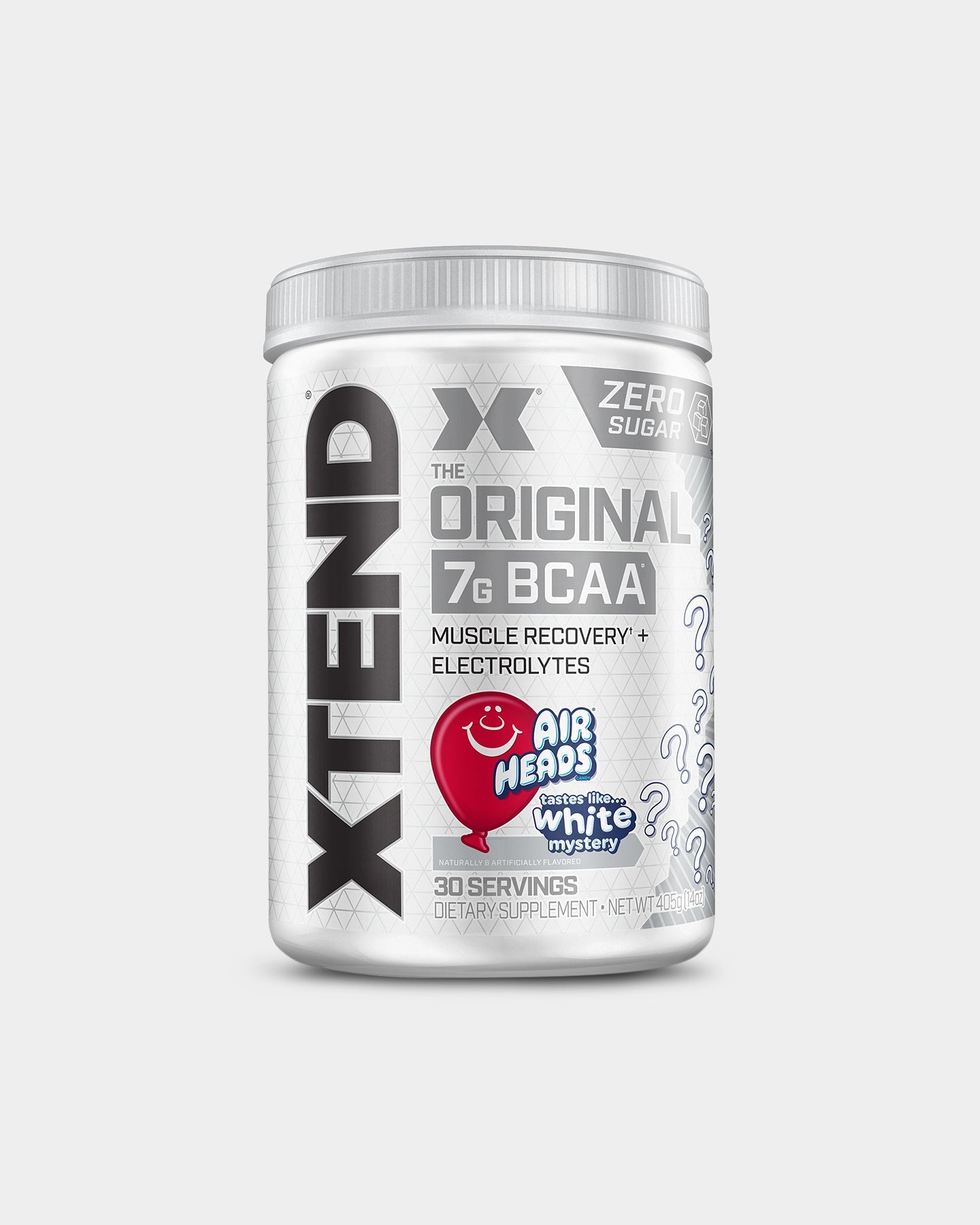
Scivation XTEND Original BCAA
Best Overall: XTEND Original has defined the BCAA category for over a decade and the formulation holds up to scrutiny. Seven grams of BCAAs in 2:1:1 ratio, electrolytes (sodium, potassium, magnesium), 2.5g glutamine, and zero calories.
Top picks ↓| Product | Price | Link |
|---|---|---|
| 28〜50 | View deal → | |
| 25〜45 | View deal → | |
| 30〜55 | View deal → | |
| 22〜42 | View deal → |
Top picks
Related articles


Scivation XTEND Original BCAA
XTEND Original has defined the BCAA category for over a decade and the formulation holds up to scrutiny. Seven grams of BCAAs in 2:1:1 ratio, electrolytes (sodium, potassium, magnesium), 2.5g glutamine, and zero calories. The glutamine addition is somewhat debated in the research literature but is harmless. The electrolyte inclusion is the more useful functional add-on for intra-workout use. Flavor execution is genuinely good across multiple options — the watermelon and blue raspberry are among the best-tasting in the BCAA category. Zero sugar, zero calories, and it dissolves cleanly.
Pros
- ✓7g BCAAs in research-standard 2:1:1 ratio
- ✓Electrolytes included — practical for intra-workout hydration
- ✓Best-in-class flavor options with zero calories
Cons
- ✗Glutamine addition is not well-supported for the claimed benefits
- ✗Contains artificial sweeteners (sucralose)
Score breakdown
| BCAA dose | 7g per serving |
| Ratio | 2:1:1 (Leucine:Isoleucine:Valine) |
| Electrolytes | Yes (sodium, potassium, magnesium) |
| Calories | 0 kcal |
| Certifications | Informed Sport |

Optimum Nutrition Instantized BCAA
ON's instantized BCAA powder is the go-to recommendation when you want pure BCAAs without flavor additives. The instantization process improves water dispersibility so it mixes cleanly into protein shakes or other drinks without the grittiness of non-instantized BCAAs. The 5g per serving lands at the lower end of the effective dose range; if your sessions are long or intense, two scoops gets you to 10g which is well within the research range. The unflavored version is the most flexible format for stacking with other supplements.
Pros
- ✓Unflavored — mixes cleanly without affecting other drink flavors
- ✓Instantized powder for complete dissolution
- ✓Trusted ON manufacturing and quality control
Cons
- ✗5g per serving is on the lower end — 2 scoops needed for higher doses
- ✗No electrolytes if intra-workout hydration is a priority
Score breakdown
| BCAA dose | 5g per serving |
| Ratio | 2:1:1 |
| Electrolytes | No |
| Calories | 5 kcal |
| Certifications | Third-party tested |

XTEND Pro BCAA Powder
XTEND Pro addresses a legitimate gap in the market: combining BCAAs with complete protein. The 25g whey isolate provides all essential amino acids, while the 7g BCAAs provide the leucine-heavy intra-workout signaling dose. NSF Certified for Sport — the highest certification standard for tested athletes. The trade-off is that it is a larger, higher-calorie product than a pure BCAA drink; at 150+ calories per serving, it doubles as a post-workout protein shake rather than a zero-calorie intra-workout supplement. For athletes who want to consolidate products, it works as both.
Pros
- ✓7g BCAAs plus 25g whey isolate — covers intra-workout and recovery
- ✓NSF Certified for Sport for tested-athlete compliance
- ✓Eliminates the need for a separate post-workout protein shake
Cons
- ✗Higher calorie count — not suitable as a zero-cal intra-workout option
- ✗Higher cost than standalone BCAA products
Score breakdown
| BCAA dose | 7g per serving |
| Protein | 25g whey isolate |
| Ratio | 2:1:1 |
| Calories | 150 kcal |
| Certifications | NSF Certified for Sport |

EVLution Nutrition BCAA Energy
EVLution BCAA Energy adds 110mg of natural caffeine (from green tea and green coffee) to the standard BCAA formula, effectively combining pre-workout energy and recovery support in one product. For athletes who train in the morning and want a caffeine hit without a separate pre-workout supplement, this is efficient. The 5g BCAA dose is adequate, the 2:1:1 ratio is correct, and the price per serving is among the lowest in the category. The zero-sugar formula is sweetened with stevia. Avoid in the afternoon or evening — the caffeine will disrupt sleep.
Pros
- ✓BCAAs plus natural caffeine in one product — eliminates separate pre-workout
- ✓Lowest cost per serving among tested products
- ✓Zero sugar, stevia sweetened
Cons
- ✗Caffeine makes this unsuitable for evening use
- ✗5g BCAA dose is moderate, not high
- ✗No third-party certification
Score breakdown
| BCAA dose | 5g per serving |
| Ratio | 2:1:1 |
| Caffeine | 110mg natural |
| Calories | 5 kcal |
| Certifications | None listed |
Which one is right for you?
Intra-workout hydration during long sessions
Scivation XTEND Original BCAA
7g BCAAs plus electrolytes in one drink — covers both recovery and hydration
Fasted morning training
Optimum Nutrition Instantized BCAA
Clean profile, no caffeine, prevents muscle catabolism during fasted sessions
Athletes wanting protein + BCAAs combined
XTEND Pro BCAA Powder
7g BCAAs plus 25g whey isolate covers both intra-workout and recovery in one product
Convenient tablet form
bcaa-dhc-amino-jp
DHC brand reliability, tablet form, fast shipping, subscription available
Budget-conscious athletes who train in the morning
EVLution Nutrition BCAA Energy
BCAAs plus natural caffeine — replaces both pre-workout and BCAA at lowest cost
The Honest Case For and Against BCAAs
The 2:1:1 leucine:isoleucine:valine ratio used in most BCAA products comes from early research on muscle protein synthesis. Leucine specifically activates mTOR signaling, a key pathway in muscle building. The question is whether supplemental BCAAs add anything beyond what dietary protein provides — and for most people eating adequate protein, the answer is: not much.
A 2017 meta-analysis in the Journal of the International Society of Sports Nutrition found that BCAA supplementation reduced DOMS (delayed onset muscle soreness) compared to placebo. The effect was real but modest. The authors noted that whole protein sources providing equivalent leucine produced similar or superior outcomes. BCAAs are not a substitute for total protein intake — they are an addition to it.
Ratio and Dose: What to Look For on the Label
The 2:1:1 leucine:isoleucine:valine ratio is the established research standard. Some products use higher leucine ratios (4:1:1 or even 8:1:1) based on the argument that leucine is the primary mTOR activator, so more is better. The evidence for higher ratios is thin — very high leucine without adequate isoleucine and valine can actually impair uptake. Stick with 2:1:1.
Effective doses in research range from 5–10g of total BCAAs per serving. Products under 5g per serving are underdosed for the benefits documented in clinical literature. Check that the product discloses individual BCAA amounts — proprietary blends that list total BCAAs without the leucine/isoleucine/valine breakdown make it impossible to verify the ratio.
BCAA + Electrolytes: The Case for Combination Products
During long training sessions (60+ minutes), sweat-driven sodium and potassium losses affect muscle function and hydration. Products like XTEND Original combine BCAAs with sodium, potassium, and magnesium — replacing an intra-workout sports drink and BCAA supplement simultaneously. For endurance athletes, this combination format is more practical than stacking separate products.
The electrolyte quantities in BCAA drinks are generally modest — not equivalent to clinical rehydration solutions or dedicated electrolyte products. For high-sweat activities in heat, you may need additional sodium above what a BCAA drink provides. But for moderate sessions, the combination is sufficient and the convenience factor is real.
Artificial Sweeteners and Flavor: The Trade-Off
Most flavored BCAA powders use sucralose, acesulfame potassium, or stevia. BCAAs have an intensely bitter natural taste — the flavoring is necessary to make them palatable. Unflavored BCAA powders can be mixed into other drinks but have a distinctive bitterness. If artificial sweeteners are a concern, unflavored options exist, but expect significant bitterness unless you mask it in a strong-flavored protein shake.
The calorie count of flavored BCAA drinks is typically 0–20 calories per serving — the sweeteners contribute negligible calories. For fasted training, this calorie level is generally accepted as not disrupting the fast, though this depends on individual interpretation of what constitutes fasting.
