Best Turmeric Supplement 2026: 5 Curcumin Picks for Inflammation and Joints
Turmeric has a well-documented absorption problem. Bioavailability and consistency of intake outperform ingredient quantity on the label.
Each supplement was evaluated on bioavailability technology, third-party certification, piperine content and medication interaction risk, cost per therapeutic dose, and supply-chain transparency.

Thorne Meriva-SF (Curcumin Phytosome)
Best Overall: Phospholipid-bound phytosome with ~29x greater absorption than plain curcumin, soy-free (sunflower lecithin), and NSF Certified for Sport — every batch tested for banned substances. The most research-backed high-bioavailability curcumin form available.
Top picks ↓| Product | Price | Link |
|---|---|---|
| $52.00 | View deal → | |
| $22.50 | View deal → | |
| — | View deal → | |
| $49.49 | View deal → | |
| $23.09 | View deal → |
Top picks
Related articles


Thorne Meriva-SF (Curcumin Phytosome)
NSF Certified for Sport. Soy-free phytosome. Best documented absorption.
Phospholipid-bound phytosome with ~29x greater absorption than plain curcumin, soy-free (sunflower lecithin), and NSF Certified for Sport — every batch tested for banned substances. The most research-backed high-bioavailability curcumin form available. At $52 it is the premium option, and the absorption math only justifies the price if you have a clear therapeutic goal.
Pros
- ✓~29x absorption vs plain curcumin (phytosome)
- ✓NSF Certified for Sport — batch-tested
- ✓Soy-free sunflower lecithin formulation
Cons
- ✗Highest price per serving — only justified for clear therapeutic goals
Score breakdown
| Form | Curcumin phytosome (Meriva) |
| Dose per capsule | 500mg Meriva complex |
| Absorption enhancement | ~29x vs plain curcumin |
| Certification | NSF Certified for Sport |
| Piperine | No |
| Soy-free | Yes (sunflower lecithin) |
| Price | $52.00 |
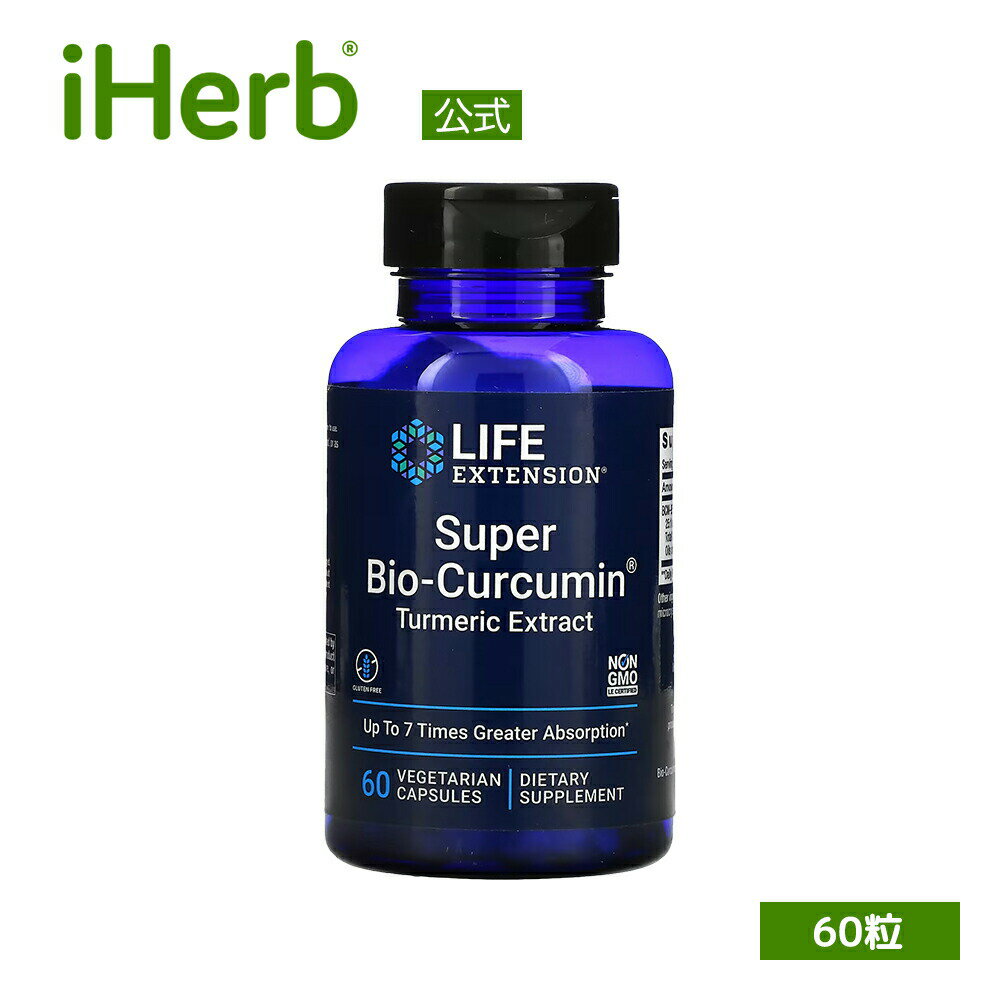
Life Extension Super Bio-Curcumin (BCM-95)
BCM-95 extract. No piperine—safe with most medications.
BCM-95 combines curcuminoids with turmeric's own essential oils for ~6.93x greater absorption, without piperine — making it safer for people on blood thinners and antidepressants where piperine causes drug interaction risk. Life Extension has rigorous third-party testing standards. The 400mg per capsule dose is well-matched to most clinical study protocols.
Pros
- ✓Piperine-free — safer with most medications
- ✓~6.93x absorption via BCM-95 essential oil mechanism
- ✓Rigorous third-party testing since 1980
Cons
- ✗Lower absorption multiplier than Thorne Meriva (6.93x vs 29x)
Score breakdown
| Form | BCM-95 (curcuminoids + turmeric essential oils) |
| Dose per capsule | 400mg BCM-95 |
| Absorption enhancement | ~6.93x vs plain curcumin |
| Certification | Third-party tested |
| Piperine | No |
| Soy-free | Yes |
| Price | $22.50 |

Qunol Turmeric 1000mg
Liquid gel capsule. Widely available at major retailers.
Liquid gel capsule with lipid carrier system and 1000mg turmeric extract standardised to 95% curcuminoids — the most accessible option in this comparison, sold at Costco and Walmart. Reliable everyday supplement at an accessible price. The absorption advantage over Meriva or BCM-95 is less dramatic but better than plain powder capsules.
Pros
- ✓Available at Costco and Walmart — no online ordering required
- ✓Liquid gel for improved bioavailability vs powder
- ✓1000mg per serving standardised to 95% curcuminoids
Cons
- ✗Absorption advantage lower than phytosome or BCM-95 formats
Score breakdown
| Form | Liquid gel capsule (lipid carrier) |
| Dose per serving | 1000mg turmeric extract (95% curcuminoids) |
| Absorption enhancement | Moderate (lipid-based) |
| Certification | GMP certified |
| Piperine | No |
| Retail availability | Costco, Walmart, Amazon |
| Price | Accessible (varies by retailer) |

Gaia Herbs Turmeric Supreme
Certified organic. Full-spectrum with black pepper. Farm-to-shelf traceability.
Whole-herb extract plus piperine provides ~20x absorption boost; certified organic, B Corp certified, grown on Gaia's own North Carolina farm with seed-to-shelf traceability on every batch. The most transparent supply chain in this comparison. Piperine content means it should not be combined with medications that have narrow therapeutic windows.
Pros
- ✓Certified organic with seed-to-shelf traceability
- ✓~20x absorption via piperine
- ✓B Corp certified — strongest supply-chain ethics
Cons
- ✗Piperine unsuitable for people on blood thinners or certain medications
Score breakdown
| Form | Whole-herb extract with piperine (black pepper) |
| Dose | 200mg 5:1 turmeric extract + 5mg piperine |
| Absorption enhancement | ~20x via piperine |
| Certification | USDA Organic, B Corp certified |
| Piperine | Yes — 5mg |
| Farm | Owned NC farm, seed-to-shelf code |
| Price | $49.49 |

Garden of Life mykind Organics Turmeric
USDA Organic. Whole-food fermented. Vegan certified.
USDA Certified Organic whole turmeric root and ginger fermented with probiotics for digestive support — every clean-label certification ticked: Non-GMO, Certified Vegan, USDA Organic. Curcumin concentration is lower than the specialized extracts, which is the honest trade-off for a whole-food approach rather than an isolated extract.
Pros
- ✓USDA Organic, Non-GMO, Certified Vegan — all boxes checked
- ✓Added probiotics and digestive enzymes
- ✓Whole-food philosophy with no isolated extracts
Cons
- ✗Lower curcumin concentration than specialized high-bioavailability extracts
Score breakdown
| Form | Fermented whole turmeric root + ginger |
| Certification | USDA Organic, Non-GMO Project, Certified Vegan |
| Added | Probiotics, digestive enzymes |
| Piperine | No |
| Curcumin concentration | Lower (whole-food, not isolated) |
| Philosophy | Whole-food supplementation |
| Price | $23.09 |
Which one is right for you?
For chronic joint inflammation or post-surgery recovery
Thorne Meriva-SF (Curcumin Phytosome)
The highest documented absorption rate justifies the premium when you have a clear therapeutic target.
For people on prescription medications
Life Extension Super Bio-Curcumin (BCM-95)
Piperine-free BCM-95 avoids the enzyme inhibition that makes piperine-containing supplements unsafe with many drugs.
For everyday wellness without online ordering
Qunol Turmeric 1000mg
Sold at Costco and Walmart — the only option here you can pick up in person without a subscription.
For organic-sourcing priorities
Gaia Herbs Turmeric Supreme
Seed-to-shelf traceability and B Corp certification offer the most transparent supply chain in this comparison.
For gut health and clean-label priority together
Garden of Life mykind Organics Turmeric
Added probiotics and digestive enzymes in a USDA Organic whole-food form — covers both turmeric and gut health in one supplement.
Thorne Meriva-SF (Curcumin Phytosome)
Thorne's Meriva-SF uses a phospholipid complex that binds curcumin to sunflower lecithin, forming a phytosome that mimics how fat-soluble compounds are naturally absorbed in the gut. Human studies on Meriva have shown roughly 29x greater absorption compared to plain curcumin powder, making it one of the most researched bioavailable curcumin forms available.
The 'SF' designation means soy-free—the original Meriva used soy lecithin, which matters for people managing soy allergies or sensitivities. NSF Certified for Sport means every batch is tested for banned substances, which makes it a reliable pick for athletes subject to drug testing.
At 500mg of Meriva complex per capsule (equivalent to a much higher dose of standard curcumin), this is a clinical-grade option. It's not cheap, but for people dealing with chronic joint issues or systemic inflammation, the absorption math makes it worth the premium over bulk turmeric.
Life Extension Super Bio-Curcumin (BCM-95)
BCM-95 is a patented extract that combines curcuminoids with turmeric's own essential oils—specifically ar-turmerone—to improve absorption. The mechanism is different from phospholipid complexes: the essential oils are thought to inhibit the P-glycoprotein pump that would otherwise push curcumin back out of intestinal cells. Published studies suggest roughly 6.93x greater absorption than standard curcumin powder.
Life Extension's version delivers 400mg of BCM-95 per capsule. The formula is free of black pepper (piperine), which some people avoid because piperine inhibits drug metabolism enzymes and can interact with medications including blood thinners and certain antidepressants.
Life Extension has been producing research-grade supplements since 1980 and does rigorous third-party testing. This is the pick for people who want clinical-strength curcumin without any soy or piperine, and who prefer a form validated by human bioavailability studies.
Qunol Turmeric 1000mg
Qunol uses a liquid gel capsule format with a lipid carrier system—similar in principle to their well-known CoQ10 formulation. The softgel matrix dissolves more readily than compressed powder tablets, and taking it with a fatty meal further improves uptake. It delivers 1000mg of turmeric extract per serving, standardized to 95% curcuminoids.
This is the most widely available of the five options—found at major US retailers including Costco and Walmart—which keeps the price accessible. It's a solid everyday option for general wellness and mild inflammation support without the premium pricing of specialized extracts.
The tradeoff versus Meriva or BCM-95 is that the absorption advantage is less dramatic. Qunol's liquid gel approach helps, but it doesn't match the clinical absorption numbers of phytosome or BCM-95 formats. Still, for people who want a reputable, affordable option they can pick up locally, it delivers.
Gaia Herbs Turmeric Supreme
Gaia Herbs takes a whole-herb approach rather than isolating curcuminoids. Their Turmeric Supreme combines a concentrated turmeric extract with black pepper extract (providing piperine) and the full spectrum of turmeric's phytochemicals. Piperine has been shown to increase curcumin absorption by around 20x by inhibiting its breakdown in the liver and gut wall.
Gaia is certified organic, B Corp certified, and grows many of their herbs on their own farm in North Carolina. Every batch has a 'seed to shelf' traceability code you can check on their website. For people who prioritize organic certification and supply-chain transparency over pharmaceutical-grade extraction technology, this is a compelling option.
One note: the piperine content means this isn't suitable for people on certain medications. The dosage is meaningful—200mg of a 5:1 turmeric extract plus 5mg piperine—and the whole-food approach means you're getting minor curcuminoids and other turmeric compounds not present in isolated curcumin extracts.
Garden of Life mykind Organics Turmeric
Garden of Life's mykind Organics Turmeric is made from certified organic whole turmeric root and ginger, fermented with a probiotic culture for improved digestion. USDA Certified Organic, Non-GMO Project Verified, and Certified Vegan—it checks every clean-label box.
The curcumin concentration is lower than the specialized extracts above, which is the honest tradeoff for a whole-food approach. Garden of Life positions this as a daily wellness supplement rather than a therapeutic anti-inflammatory dose. The fermentation process adds digestive enzymes and live probiotics, which is a genuinely useful addition if gut health is also a consideration.
This is the pick for people who prioritize clean-label organic sourcing and whole-food nutrition philosophy over maximizing curcumin bioavailability numbers. It pairs well with a diet that already includes turmeric in food—adding supplemental curcuminoids rather than replacing dietary turmeric.
Why Standard Turmeric Capsules Often Disappoint
Raw turmeric powder is around 3% curcumin by weight. Most generic supplements are standardized to 95% curcuminoids—a meaningful concentration—but curcumin is highly lipophilic and rapidly metabolized. Without a delivery system that addresses this, the majority of what you swallow gets conjugated in the gut wall and liver before reaching systemic circulation.
The three main approaches that actually help: phospholipid complexes (Meriva, Longvida) that physically bind curcumin to lecithin; specialized extracts (BCM-95) that use turmeric's own essential oils; and piperine addition, which slows curcumin's metabolic breakdown. Lipid-based softgels help but provide a smaller and less consistent improvement.
The practical implication: if you've tried standard turmeric supplements and didn't notice any effect, the issue is likely absorption rather than the compound itself. Switching to a form with documented bioavailability improvement is a different intervention, not just a higher dose.
Dosage and What to Expect
Clinical studies on curcumin typically use doses of 500mg to 2000mg of curcuminoids daily, often split across two or three servings. The bioavailable forms effectively deliver equivalent exposure at lower stated doses—400mg of BCM-95 is not the same as 400mg of plain curcumin.
Most people report noticeable effects on joint stiffness and post-exercise soreness within 4 to 8 weeks of consistent use. Inflammatory markers like CRP respond more slowly; studies showing significant reduction typically run 8 to 12 weeks. Turmeric is not a fast-acting pain reliever—it's a slow-burn intervention for systemic inflammation.
Taking curcumin with a fat-containing meal improves absorption for all formats, including the enhanced-bioavailability forms. Splitting the dose—morning and evening—maintains more consistent plasma levels than a single daily dose.
