Best Creatine Supplements 2026: 5 Ranked by Purity
Creatine is not a supplement you need to debate. Over 500 peer-reviewed studies confirm that creatine monohydrate reliably increases phosphocreatine stores in muscle, which translates to measurable improvements in high-intensity, short-duration performance — sprinting, lifting, interval work. It does not directly build muscle or burn fat. What it does is let you train harder for longer, and that training stimulus drives the adaptations. The product decision is simpler than the marketing suggests: creatine monohydrate at 3–5g daily, third-party tested, from a reputable manufacturer.
Products were evaluated on: form of creatine (monohydrate vs. HCL vs. buffered), third-party testing certification (NSF Certified for Sport, Informed Sport), dose per serving, manufacturing transparency, and cost per gram of creatine. We excluded proprietary blends that obscure actual creatine content.

Optimum Nutrition Micronized Creatine Monohydrate
Best Overall: Optimum Nutrition's micronized creatine is the default recommendation for most people. Micronization produces a finer particle that dissolves cleanly in water — no grit, no chalky residue.
Top picks ↓| Product | Price | Link |
|---|---|---|
| 22〜45 | View deal → | |
| 35〜55 | View deal → | |
| 38〜58 | View deal → | |
| 18〜38 | View deal → |
Top picks
Related articles


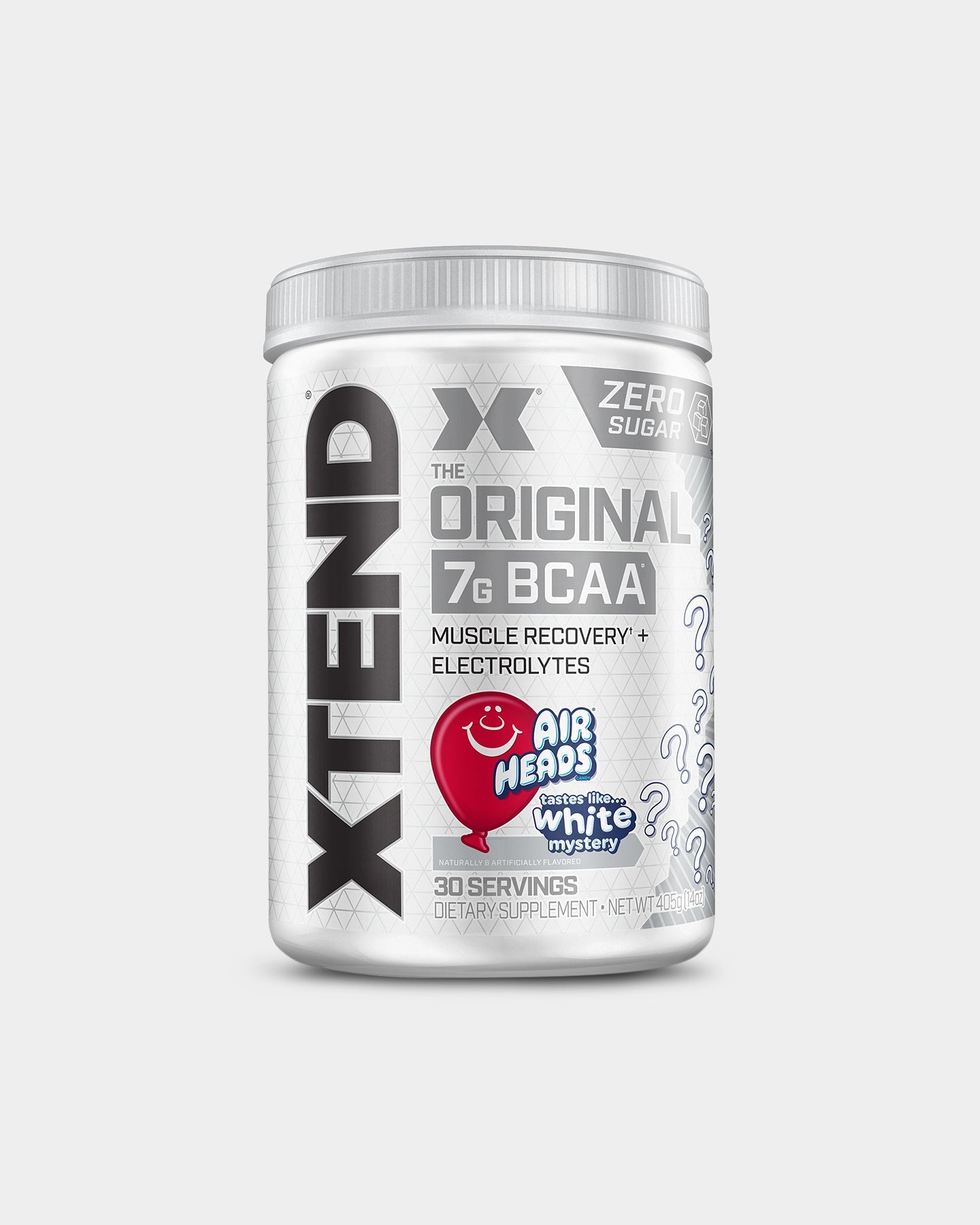
Optimum Nutrition Micronized Creatine Monohydrate
Optimum Nutrition's micronized creatine is the default recommendation for most people. Micronization produces a finer particle that dissolves cleanly in water — no grit, no chalky residue. The formula is exactly what it should be: 5g creatine monohydrate, nothing else. ON has a long manufacturing track record and while not NSF Certified for Sport, they are Informed Sport certified on select products. The price point lands in the sweet spot between budget options and premium certified brands.
Pros
- ✓Micronized for significantly better mixability
- ✓Pure 5g creatine monohydrate with no fillers
- ✓Widely available, consistent pricing
Cons
- ✗Not NSF Certified for Sport (relevant for tested athletes)
- ✗Larger containers can take up pantry space
Score breakdown
| Form | Creatine monohydrate (micronized) |
| Dose per serving | 5g |
| Certifications | Third-party tested |
| Flavors | Unflavored |

Thorne Creatine
Thorne's creatine carries NSF Certified for Sport — the certification that matters most for competitive athletes whose supplements may be scrutinized. Every production lot is tested for label accuracy and the presence of over 270 substances prohibited by WADA. Thorne's manufacturing is done in an NSF-registered facility, which is a meaningful quality indicator above and beyond the supplement itself. The product is unflavored, 5g per serving, and mixes comparably to other monohydrate powders. The price premium over commodity options is the cost of documented quality assurance.
Pros
- ✓NSF Certified for Sport — batch-level testing documentation
- ✓Pharmaceutical-grade NSF-registered manufacturing facility
- ✓Clean label: creatine monohydrate only
Cons
- ✗Higher cost per gram than non-certified options
- ✗Smaller package sizes relative to budget brands
Score breakdown
| Form | Creatine monohydrate |
| Dose per serving | 5g |
| Certifications | NSF Certified for Sport |
| Flavors | Unflavored |

Klean Athlete Klean Creatine
Klean Athlete is built specifically for athletes in drug-tested sports. The brand is co-owned by Douglas Laboratories, an established pharmaceutical supplement manufacturer, and every product carries NSF Certified for Sport. The creatine formula is 5g monohydrate per serving — straightforward and properly dosed. For an athlete whose livelihood depends on clean supplement records, the Klean Athlete documentation trail is defensible in a way that self-certified products simply are not. Slightly higher price than Thorne, but comparable certification quality.
Pros
- ✓NSF Certified for Sport with full batch traceability
- ✓Backed by Douglas Laboratories pharmaceutical manufacturing
- ✓Specifically designed for drug-tested sport compliance
Cons
- ✗Premium price point
- ✗Limited flavor and format options
Score breakdown
| Form | Creatine monohydrate |
| Dose per serving | 5g |
| Certifications | NSF Certified for Sport |
| Flavors | Unflavored |
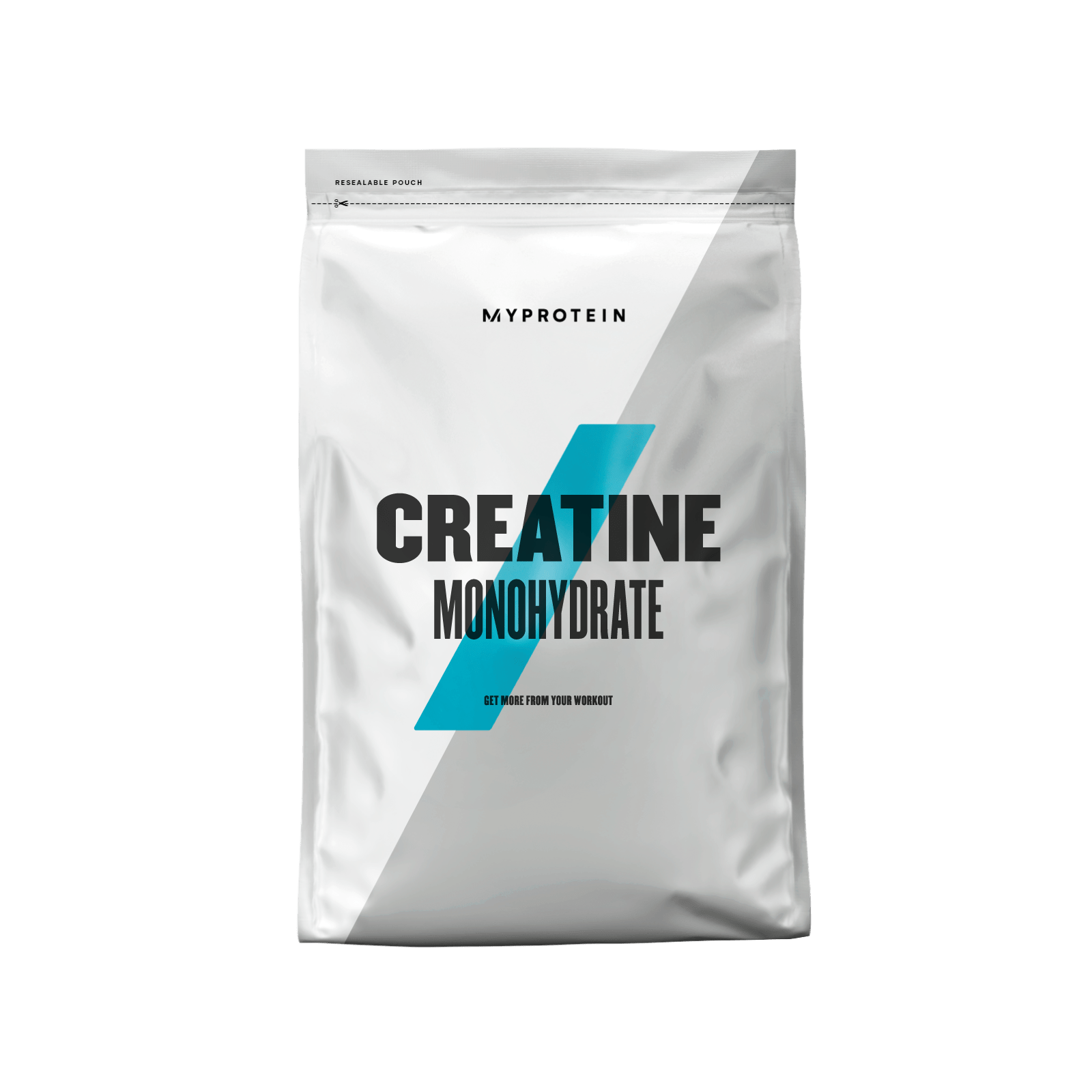
MyProtein Creatine Monohydrate
MyProtein's creatine monohydrate delivers the same creatine content as premium brands at roughly one-third the price. Informed Sport certified — the European equivalent of NSF Certified for Sport — every batch is screened for prohibited substances. The powder is unflavored and mixes adequately, though it lacks the micronization of Optimum Nutrition's version and can be slightly grittier in cold water. For recreational athletes who train regularly and consume creatine as a staple, the cost savings over a year of daily use are meaningful. 5g per serving, nothing added.
Pros
- ✓Informed Sport certified — batch-tested for prohibited substances
- ✓Lowest cost per gram in the comparison
- ✓Large pack sizes reduce per-gram cost further
Cons
- ✗Not micronized — slightly less clean dissolution than ON
- ✗Limited local availability (primarily ships internationally)
Score breakdown
| Form | Creatine monohydrate |
| Dose per serving | 5g |
| Certifications | Informed Sport |
| Flavors | Unflavored |
Which one is right for you?
Competitive and tested athletes
Thorne Creatine
NSF Certified for Sport — every batch tested for banned substances
Best value for daily training
MyProtein Creatine Monohydrate
Informed Sport certified at the lowest cost-per-gram of the group
Best overall for general fitness
Optimum Nutrition Micronized Creatine Monohydrate
Micronized for easy mixing, widely trusted brand, excellent track record
Tablet-format buyers
creatine-dhc-jp
Convenient tablet form, DHC brand widely trusted in Japan, easy domestic shipping
Strict banned-substance protocols
Klean Athlete Klean Creatine
NSF Certified for Sport with batch-level documentation for elite sport compliance
Creatine Monohydrate vs. HCL vs. Buffered: What the Evidence Actually Says
Creatine HCL and buffered creatine (Kre-Alkalyn) are marketed as superior to monohydrate — better absorbed, fewer side effects, smaller doses needed. The evidence does not support these claims at equivalent doses. Studies comparing monohydrate to HCL find no significant performance differences when total creatine intake is matched. Monohydrate remains the most studied form by a wide margin, and its effectiveness is established beyond reasonable doubt.
The one legitimate argument for HCL is reduced water retention during loading phases. Some users report less bloating with HCL. This is a real phenomenon but is also solved by skipping the loading phase entirely — starting with 3–5g daily maintenance dose from day one just takes slightly longer to saturate muscle stores (3–4 weeks vs. 1 week with loading). Most people do not need to load.
Third-Party Testing: Why It Matters More Than Brand Marketing
Dietary supplements in the US, EU, and Japan are not regulated with the same rigor as pharmaceuticals. Manufacturers self-certify most label claims. Third-party testing programs — NSF Certified for Sport, Informed Sport, USP Verified — independently test products for label accuracy (does it contain what it claims?) and banned substance contamination (are there undisclosed substances that could cause a positive drug test?).
For recreational athletes, the practical concern is label accuracy: you want 5g creatine when the label says 5g, not 3.8g. For competitive athletes subject to anti-doping testing, NSF Certified for Sport and Informed Sport provide legally defensible documentation that the supplement was tested for WADA-prohibited substances. Of the five products in this comparison, Thorne and Klean Athlete carry NSF Certified for Sport; MyProtein carries Informed Sport certification.
Mixability and Practical Use: Micronized vs. Standard Powder
Standard creatine monohydrate powder is somewhat gritty and clumps in cold water. Micronized creatine — ground to a smaller particle size — dissolves significantly better, producing a cleaner, less chalky drink. Optimum Nutrition's micronized version is the standard example: it mixes in 8–10 oz of cold water within 20–30 seconds of stirring with minimal residue.
If you mix creatine into a protein shake or pre-workout drink that contains other ingredients, mixability matters less because the texture blends in. The difference is most noticeable when taking creatine solo in water. Either form is absorbed equally well once ingested — particle size affects dissolution, not intestinal absorption.
Cost Per Gram: The Metric That Matters
A 5g daily dose means you need roughly 150g of creatine per month. At current pricing, MyProtein delivers that at approximately $0.08–0.12/g, making it by far the most economical option. Optimum Nutrition runs about $0.12–0.18/g. Thorne and Klean Athlete, which carry NSF certification and pharmaceutical-grade manufacturing, cost $0.25–0.35/g. DHC's tablet form in Japan sits in the budget tier for its 3g daily serving — reasonable for the domestic market but a lower total dose.
The certification premium (Thorne, Klean Athlete) is worth paying if you are a competitive athlete subject to testing. For recreational fitness, the MyProtein or Optimum Nutrition options provide equivalent creatine content at a fraction of the cost. The supplement itself — creatine monohydrate — is a commodity. What you are paying for with premium brands is manufacturing quality assurance and testing documentation.
