Best Gaming Chair 2026: 5 options compared
Five chairs from $180 entry-level budget to $795 office-grade ergonomic — compared on the mechanical factors that determine whether your lower back hurts after four hours, not on RGB lighting or esports branding.
Specifications sourced from manufacturer published dimensions and load ratings. We did not conduct independent spinal pressure mapping or long-term durability testing. Comfort assessments reflect published ergonomic reviews and aggregated user reports focused on lumbar support adequacy, armrest stability, and foam compression over 12–18 months of use.
| Product | Price | Link |
|---|---|---|
| 429〜529 | View deal → | |
| 795〜895 | View deal → | |
| 399〜499 | View deal → | |
| 35000〜55000 | View deal → | |
| 179〜229 | View deal → |
Top picks
Related articles


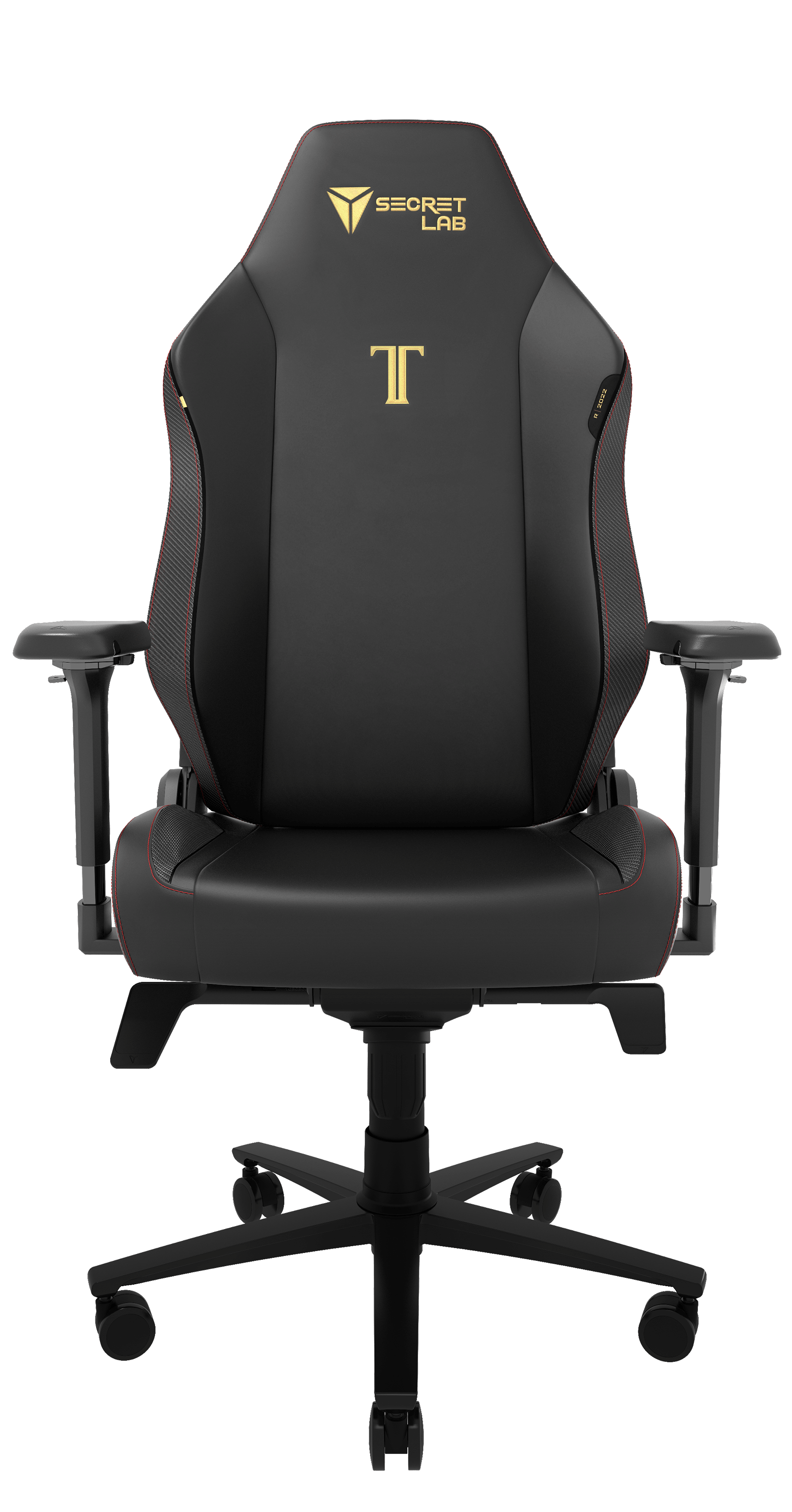
Secretlab TITAN Evo 2022
Available in Small/Regular/XL sizes — check Secretlab's size guide before ordering to match seat pan depth and back height to your measurements.

Herman Miller Vantum Gaming Chair
12-year warranty covers structural components; fabric is separate. Authorized retailer purchase required for warranty coverage.

noblechairs HERO Gaming Chair
Real Leather variant adds cost but avoids PU peeling failure mode. Cold foam seat runs warmer than mesh alternatives.

DXRacer Formula Series (Japan)
Japan market model — seat dimensions are narrower than international DXRacer models. Weight capacity 90 kg is a hard limit.
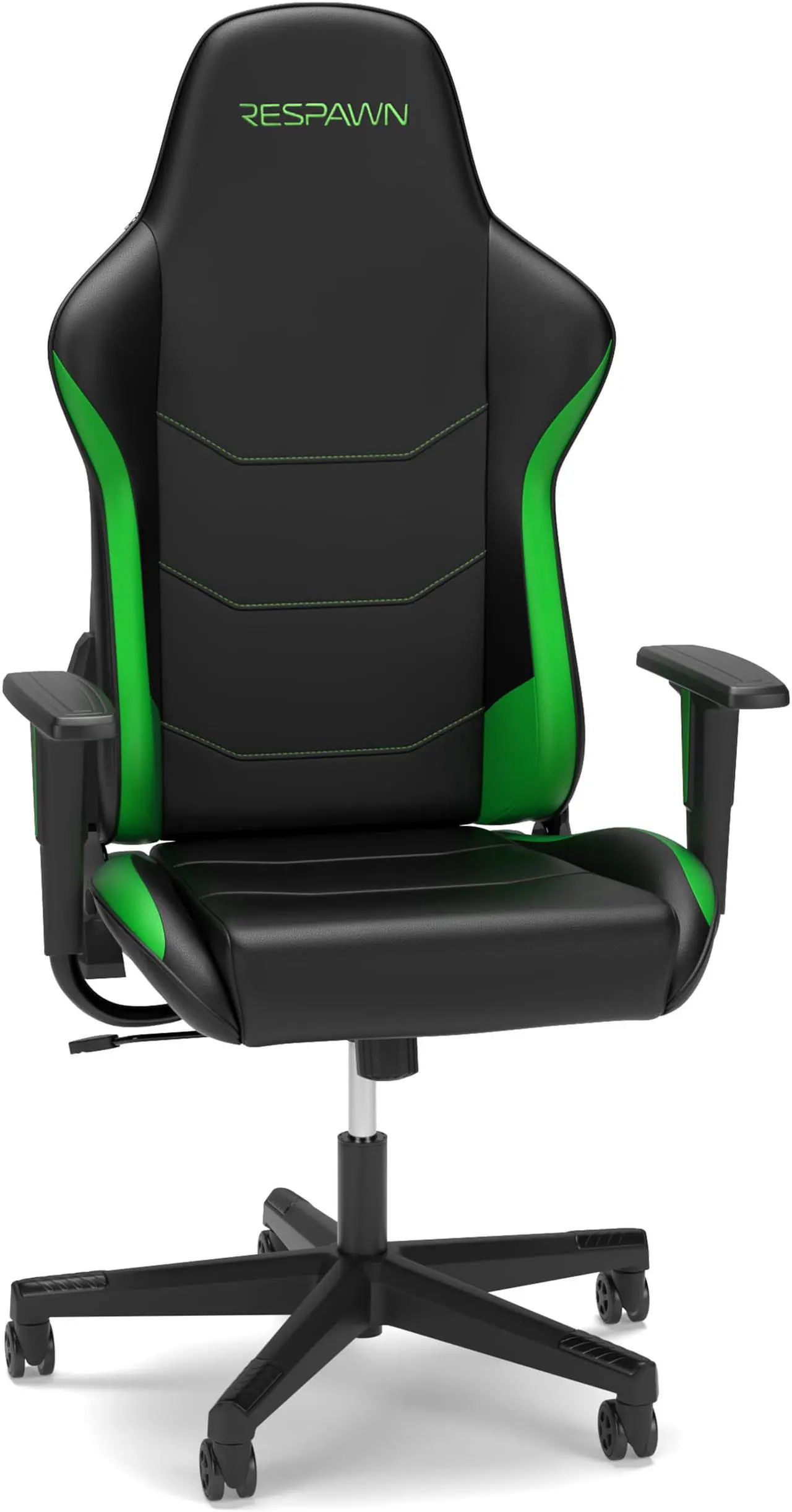
RESPAWN 110 Racing Style Gaming Chair
Entry-level pricing reflects foam and leatherette quality — expect visible wear by 18 months of daily use.
Which one is right for you?
For serious gamers wanting longevity and adjustability without office-chair pricing
Secretlab TITAN Evo 2022
Integrated lumbar adjustment, 4-way armrests, and durable leatherette at $429 offer the most complete gaming chair specification at its price.
For professionals who work and game at the same desk
Herman Miller Vantum Gaming Chair
PostureFit SL lumbar support, breathable Pellicle mesh, and 12-year warranty justify the $795 price for all-day seated work plus gaming.
For heavy users or tall gamers needing 150 kg capacity and 4D armrests
noblechairs HERO Gaming Chair
150 kg weight limit and 4D armrest configurability at $399 accommodate a wider range of body sizes than competing gaming chairs.
For gamers with smaller frames who find international gaming chairs too wide
DXRacer Formula Series (Japan)
Compact bucket seat dimensions tuned for smaller body frames make it genuinely more comfortable than oversized international models.
For first-time buyers testing whether a gaming chair helps before committing
RESPAWN 110 Racing Style Gaming Chair
At $180, the RESPAWN 110 provides the core gaming chair features with minimal financial commitment for first-time buyers.
How we compared
We did not conduct spinal pressure mapping, EMG muscle fatigue testing, or long-term durability assessment on any chair in this comparison. Valid ergonomic chair testing requires standardized body weight and height across multiple subjects, certified ergonomic assessment methodology, and multi-month use periods to evaluate foam compression and structural integrity — none of which we reproduce here. What we reviewed: manufacturer-published weight capacities, lumbar support mechanisms, armrest adjustment specifications, and frame materials; third-party ergonomic reviews from publications with documented methodology; and aggregated long-term user reports focused on foam degradation timelines, lumbar mechanism wear, and armrest wobble over 12–24 months of daily use.
An important framing point before the products: gaming chairs and office chairs have different design philosophies. Gaming chairs use racing-style bucket seat shapes with high side bolsters — originally designed for lateral support in cornering, these bolsters constrain movement and can be uncomfortable for body types that don't fit within the bucket. Office chairs like the Herman Miller Vantum prioritize adjustable lumbar support, weight distribution across a broader seat pan, and freedom of movement. The right choice depends on which design philosophy matches how you actually sit during long sessions.
Lumbar support — integrated vs external cushion
Lumbar support is the most critical ergonomic variable in a gaming chair for long-session back health. The lumbar region of the spine has a natural inward curve (lordosis) that unsupported sitting collapses over time, leading to lower back pain. A lumbar support mechanism maintains this curve by pushing the lower back forward, keeping the spine in a more neutral position.
The distinction between integrated adjustable lumbar (Secretlab TITAN Evo, Herman Miller Vantum) and external cushion lumbar (noblechairs HERO, DXRacer Formula, RESPAWN 110) matters significantly in practice. Integrated lumbar systems use a firm support structure built into the chair back — you adjust the height and depth of the support via a dial or lever. External cushion systems are removable pillows attached via strap or cord. External cushions compress over time, can slip out of position during movement, and typically cannot apply as firm pressure as integrated mechanisms. The Secretlab TITAN Evo's integrated lumbar dial is frequently cited as superior to the cushion-based approach for consistent support across long sessions.
The Herman Miller Vantum's PostureFit SL mechanism is the most sophisticated lumbar system in this comparison — it supports both the lumbar and sacral regions independently with a two-point adjustment that allows the support to follow the spine's natural curve more closely than single-point systems. This is the primary ergonomic justification for the $795 price premium. For users with specific lower back problems or who spend eight-plus hours daily in the chair, the difference between adequate and excellent lumbar support is not marginal.
Armrest configuration — 2D vs 4D
Armrest configuration describes how many axes of adjustment are available: 2D armrests adjust height and lateral position (in/out). 4D armrests additionally adjust depth (forward/back) and angle (rotation). For gaming specifically, armrests affect wrist and forearm position relative to the keyboard and mouse — poorly positioned armrests can contribute to wrist extension or shoulder elevation during play.
The noblechairs HERO and Secretlab TITAN Evo both offer 4D armrests. The RESPAWN 110 and DXRacer Formula JP use 2D armrests that adjust height only or height plus lateral position. For keyboard and mouse gaming where arm position relative to the input surface matters, 4D armrests allow finding a position that keeps shoulders relaxed and wrists neutral. For casual gaming or console controller use where arm position is less critical, 2D is sufficient.
Armrest wobble and stability degrade over time as the adjustment mechanisms wear. This is frequently reported in long-term user reviews of gaming chairs across all price points. The Herman Miller Vantum's armrests use higher-tolerance manufacturing that reportedly maintains adjustment stability longer than gaming-chair armrests, which is part of the quality gap that justifies the price premium. Checking armrest stability after 12 months of use is a reasonable indicator of chair longevity.
Weight capacity and sizing realities
Weight capacity ratings — 90 kg for the DXRacer Formula JP, 125–131 kg for mid-range options, 150 kg for the noblechairs HERO — reflect structural load limits under static weight. Dynamic use, including leaning, reclining, and repeated adjustment, applies different stress distributions than static load. Users at or near the rated capacity should expect shorter structural longevity than users well within the rating.
Physical dimensions matter independently of weight capacity. The DXRacer Formula JP is sized for the Japanese market — its narrower seat width and shorter back height are deliberately designed to fit smaller body frames more comfortably, where international models with wider seats and taller backs leave users sitting away from the lumbar support or with armrests positioned too wide for comfortable desk work. The inverse problem applies for taller or broader users: a compact gaming chair positions the lumbar support at the wrong height and the armrests too close.
Before purchasing, match the chair's seat pan depth, seat width, and back height to your own body measurements. A chair with inadequate seat pan depth (front-to-back) causes the edge to press against the back of the knees, restricting circulation. Secretlab provides detailed size guides across their XL, Regular, and Small variants — this is worth using before ordering rather than returning after delivery.
Long-term durability — foam, leatherette, and fabric
Gaming chairs in the $150–400 range typically use high-density polyurethane foam seat padding and PU leatherette upholstery — the same materials used across most gaming chair brands regardless of price positioning. PU leatherette has a characteristic failure mode: after 2–4 years of daily use, the outer coating begins to crack and peel at stress points (seat edges, armrest tops, back bolster contact areas). This is a cosmetic failure before it becomes a structural one, but it is universal in budget-to-mid-range leatherette gaming chairs.
The Secretlab TITAN Evo's NEO Hybrid Leatherette uses a different construction process that Secretlab claims resists cracking better than standard PU leatherette, with the SoftWeave Fabric option providing a breathable alternative that does not peel at the cost of being harder to clean from food and drink spills. The noblechairs HERO offers a genuine leather option at higher cost that avoids the peeling failure mode.
The Herman Miller Vantum uses a 8Z Pellicle mesh suspension surface rather than foam — mesh chairs do not compress or peel, maintain consistent support as the material does not degrade under load the way foam does, and breathe better in warm environments. The 12-year warranty on the Vantum's structural components reflects confidence in this durability — gaming chairs in the $300–500 range typically offer 2–5 year warranties. The durability premium is real and relevant for users who want a chair that performs for five-plus years.
Where each fits
Serious gaming with long sessions, multiple adjustable support systems, durable leatherette, and a five-year warranty: Secretlab TITAN Evo. The integrated lumbar dial, 4-way L-ADAPT armrests, and NEO Hybrid Leatherette or SoftWeave Fabric options represent the most complete gaming chair specification in the $400–500 range. The bucket seat shape with side bolsters does not suit all body types — wider builds may find the bolsters constricting. The $429 base price rises with fabric options and size variants.
All-day professional use with maximum ergonomic adjustment, breathable mesh, and a 12-year structural warranty: Herman Miller Vantum. The PostureFit SL lumbar system, wide adjustment range, and Pellicle mesh make this the choice for users who spend eight-plus hours daily seated and want a chair that holds up for a decade. At $795, this is not a gaming chair purchase — it is a professional workspace investment that also handles gaming. The racing-style aesthetic of gaming chairs is absent entirely; the Vantum looks like an office chair because it is one.
High weight capacity, 4D armrests, cold foam padding, and leather option at $399: noblechairs HERO. The 150 kg capacity accommodates more users than competing chairs at this price, and the 4D armrest adjustment is matched only by the TITAN Evo among gaming chairs here. Cold foam seats have lower heat retention than standard high-density foam — a comfort benefit during summer sessions. The real leather option avoids the PU peeling failure mode at higher cost.
Users with smaller body frames who find international gaming chairs uncomfortable: DXRacer Formula JP. The compact seat dimensions are a meaningful fit advantage for users the international models are not sized for. The 90 kg weight capacity is a real constraint — this is a chair for lighter users, and the bolster design does not accommodate wider builds. The domestic Japanese distribution means local returns and warranty service without international shipping concerns.
First-time buyers or budget-constrained users testing the gaming chair category: RESPAWN 110. At $180, the core features are present — adjustable lumbar cushion, headrest, reclining back, height adjustment. The 2D armrests, shorter warranty, and standard PU leatherette all reflect the price point honestly. Foam compression and leatherette wear will be noticeable by 18 months of daily use. If you use it for two years and decide the category helps your gaming posture, the upgrade path to a TITAN Evo or noblechairs is clear.
