Best Dog Food 2026: 5 Compared for Nutrition & Value
Five dog foods at very different price points, from a Japanese-made daily staple to a grain-free cold-pressed premium. The right pick turns more on your dog's life stage and breed size than on price alone.
Each product was evaluated on AAFCO nutritional adequacy statement, protein percentage and first ingredient, grain-free or grain-inclusive formulation, life-stage appropriateness, and long-term owner reviews across verified purchase platforms. Manufacturer spec sheets were cross-referenced against independent lab analysis where available.
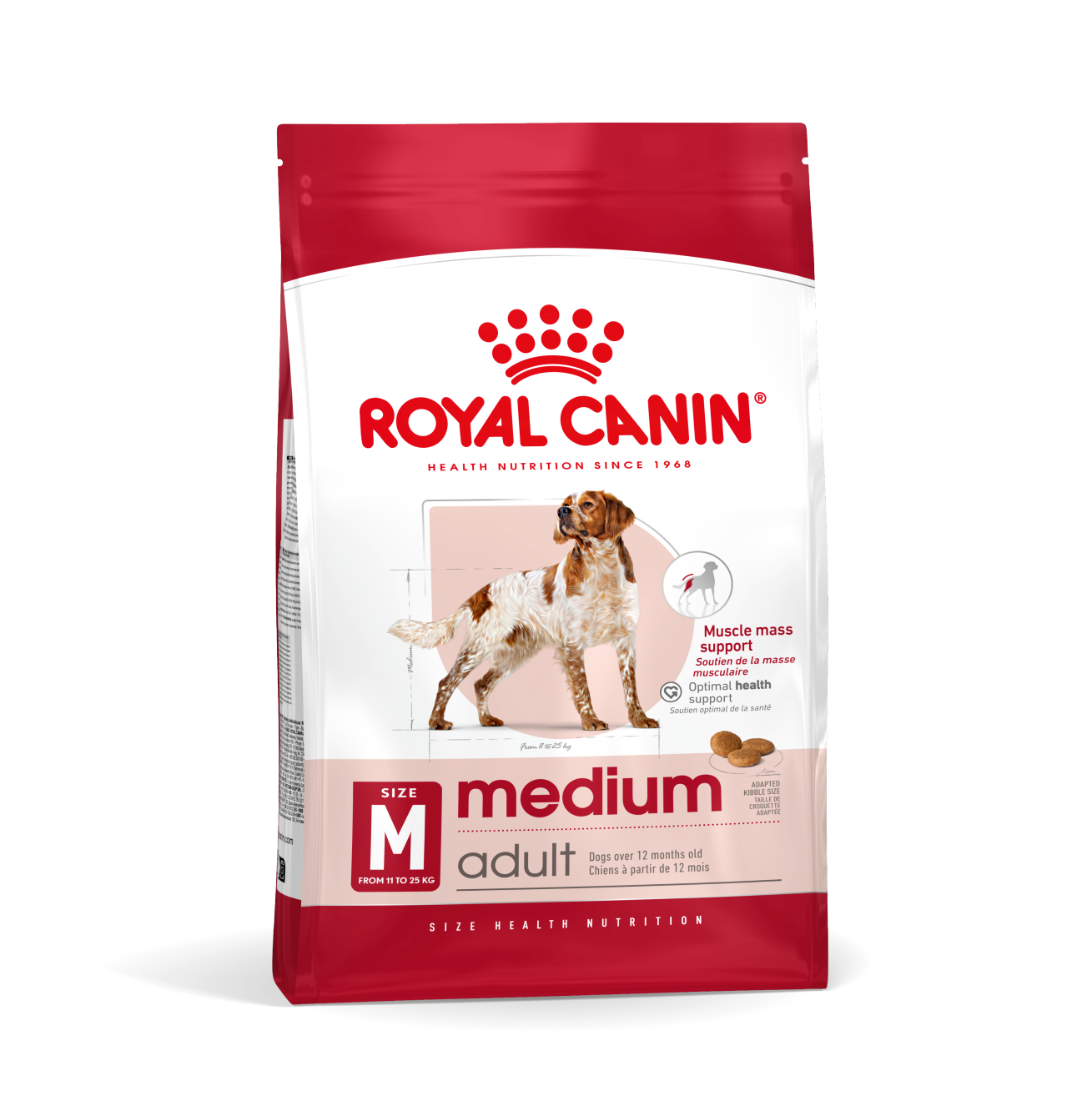
Royal Canin Medium Adult Dry Dog Food
Best Overall Medium Breed: Royal Canin Medium Adult is the default veterinary recommendation for medium-breed dogs (11–25 kg) and earns the top slot through consistency rather than ingredient glamour. The breed-size-specific kibble geometry — a slightly curved, tapered shape — is designed to encourage chewing rather than gulping, which matters for medium breeds prone to swallowing air.
Top picks ↓| Product | Price | Link |
|---|---|---|
| 3200〜9800 | View deal → | |
| 3500〜11000 | View deal → | |
| 4500〜14000 | View deal → | |
| 8500〜18000 | View deal → |
Top picks
Related articles

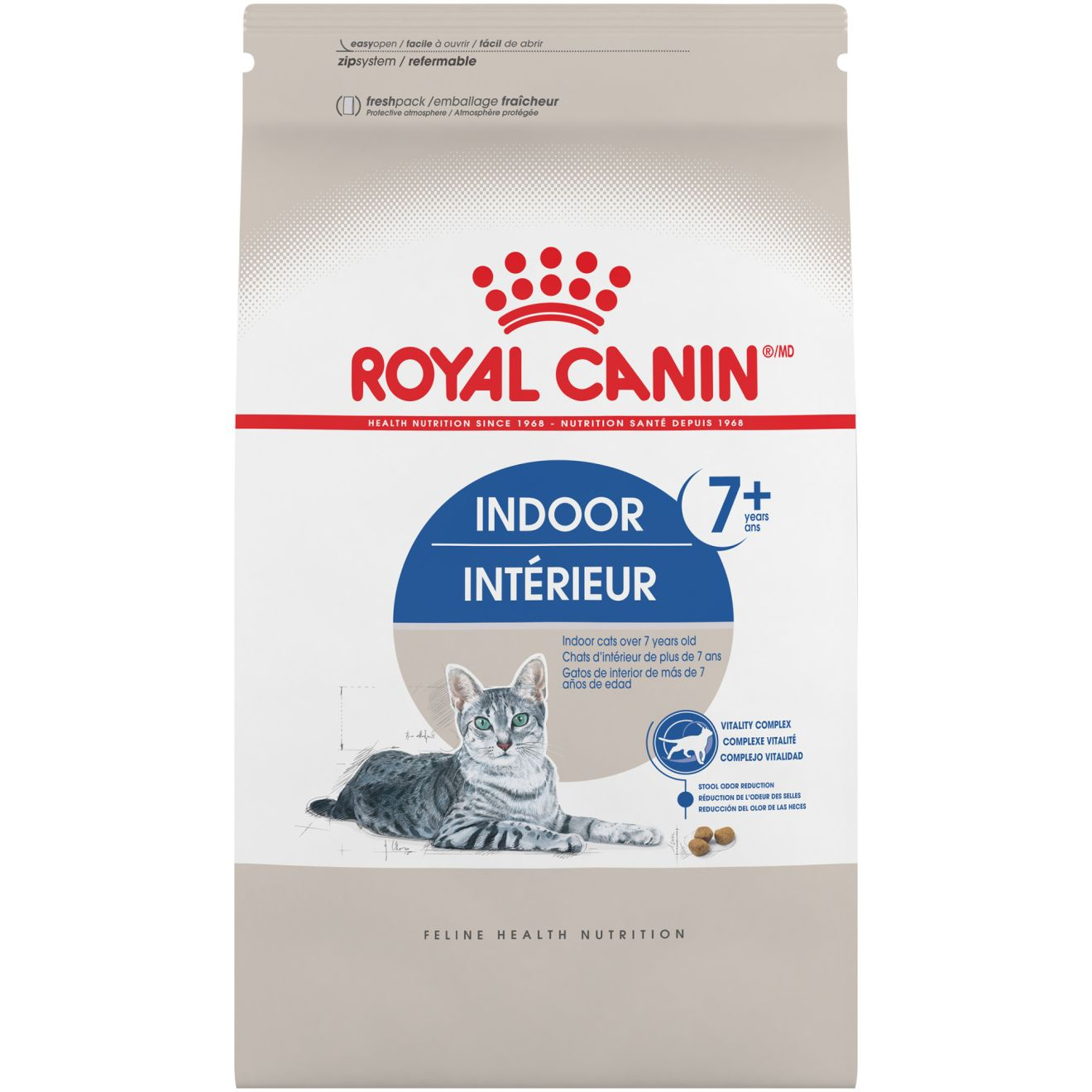

Royal Canin Medium Adult Dry Dog Food
Royal Canin Medium Adult is the default veterinary recommendation for medium-breed dogs (11–25 kg) and earns the top slot through consistency rather than ingredient glamour. The breed-size-specific kibble geometry — a slightly curved, tapered shape — is designed to encourage chewing rather than gulping, which matters for medium breeds prone to swallowing air. Protein 26%, fat 13%, crude fiber 3.5%, AAFCO adult maintenance certified. The honest weakness is the ingredient label: corn is the first ingredient by pre-cooking weight, which triggers ingredient-list anxiety in marketing-aware buyers. Royal Canin's clinical nutrition approach prioritizes health outcomes, and the 60-year track record bears this out — but if you need chicken as ingredient one to feel confident, look at Hill's or Orijen instead.
Pros
- ✓Breed-size-specific kibble geometry designed for medium-breed chewing
- ✓Decades of veterinary recommendation and clinical outcome data
- ✓Consistent manufacturing with low recall history in dry food
- ✓AAFCO adult maintenance certified
Cons
- ✗Corn as first ingredient by weight — not ideal for ingredient-label readers
- ✗Less protein density than grain-free alternatives at similar price
Score breakdown
| Protein (dry matter) | 26% |
| First ingredient | Corn |
| Grain-free | No |
| Life stage | Adult maintenance |
| AAFCO certified | Yes |

Hill's Science Diet Adult Dry Dog Food
Hill's Science Diet Adult is a top-selling veterinary-clinic kibble for good reason: the prebiotic fiber blend (beet pulp and FOS) genuinely supports digestive health, the chicken meal first ingredient delivers concentrated protein without moisture dilution, and the AAFCO feeding-trial certification (not just formulation) provides a higher evidence bar than most competitors. Crude protein 18.5% on dry matter basis — lower than grain-free alternatives but above AAFCO minimums and appropriate for average-activity adult dogs. The honest weakness: Hill's has faced voluntary recalls related to Vitamin D elevation in canned products since 2019. Dry food has been unaffected, but the recalls have affected brand confidence for some buyers.
Pros
- ✓AAFCO feeding-trial certified, not just formulation-based
- ✓Prebiotic fiber blend documented to support digestive health
- ✓Chicken meal as first ingredient — concentrated protein, no moisture dilution
- ✓Most-recommended dry food by veterinary clinics
Cons
- ✗Lower protein percentage (18.5% dry matter) than grain-free options
- ✗Brand recall history in canned lines creates perception anxiety around dry line
Score breakdown
| Protein (dry matter) | 18.5% |
| First ingredient | Chicken Meal |
| Grain-free | No |
| Life stage | Adult maintenance |
| AAFCO certified | Yes (feeding trial) |

Taste of the Wild High Prairie Grain-Free Dry Dog Food
Taste of the Wild High Prairie delivers grain-free nutrition with roasted bison and roasted venison as the top two protein sources — genuinely novel proteins with lower allergen profiles than chicken or beef, useful for dogs with confirmed protein sensitivities. Crude protein 32%, fat 18%, AAFCO adult maintenance certified. The price per kilogram is roughly half that of Orijen while hitting similar grain-free benchmarks. The honest weakness: Taste of the Wild appears frequently in the FDA's DCM investigation reports — partially because it's one of the best-selling grain-free brands, making statistical prevalence expected, but also a real consideration for DCM-predisposed breeds. If you have a Golden Retriever, Doberman, or other DCM-predisposed breed, discuss grain-free diets with your cardiologist before switching.
Pros
- ✓Bison and venison as top proteins — novel, lower-allergen options
- ✓32% crude protein at roughly half the price of Orijen
- ✓AAFCO adult maintenance certified
- ✓Grain-free with legume-based carbohydrate sources
Cons
- ✗Appears frequently in FDA DCM investigation reports — real concern for predisposed breeds
- ✗Legume-heavy formulation warrants caution until DCM research is resolved
Score breakdown
| Protein (dry matter) | 32% |
| First ingredient | Buffalo |
| Grain-free | Yes |
| Life stage | Adult maintenance (all life stages) |
| AAFCO certified | Yes |

Orijen Original Grain-Free Dry Dog Food
Orijen Original is the most nutritionally dense product in this comparison and the closest kibble to a raw-diet philosophy without the handling complexity of actual raw feeding. 85% of ingredients are meat, poultry, and fish — 38% fresh or raw (chicken, turkey, flounder, mackerel), 47% dehydrated — with the remaining 15% comprising botanicals, fruits, and vegetables but no grains or legume fillers. Crude protein 38%, crude fat 18%, moisture 12%. The high palatability and protein density mean strict portion control is essential — dogs fed Orijen ad libitum gain weight quickly, and the food is frequently overfed because highly palatable food convinces owners the dog is still hungry. The honest weakness beyond price: manufactured in Canada and Australia, with imported pricing carrying a meaningful import premium.
Pros
- ✓85% meat, poultry, fish ingredients — 38% fresh or raw
- ✓38% crude protein — highest in this comparison
- ✓No grains, legumes, or plant protein concentrates
- ✓WholePrey ratios include meat, organs, and cartilage
Cons
- ✗Highest price per kilogram in this comparison with import premium
- ✗High protein/fat density requires strict portion control — overfeeding common
Score breakdown
| Protein (dry matter) | 38% |
| First ingredient | Deboned Chicken |
| Grain-free | Yes |
| Life stage | Adult maintenance (all life stages) |
| AAFCO certified | Yes |
Which one is right for you?
For medium-breed adult dogs
Royal Canin Medium Adult Dry Dog Food
Breed-size-specific kibble geometry and caloric density tuned for medium breeds 11–25 kg, with decades of veterinary recommendation behind it.
For dogs with sensitive stomachs
Hill's Science Diet Adult Dry Dog Food
Highly digestible formula with prebiotic fiber, AAFCO certified, and the most widely recommended by veterinary clinics.
For grain-free on a mid-range budget
Taste of the Wild High Prairie Grain-Free Dry Dog Food
Grain-free with real buffalo and bison as first ingredients, AAFCO certified, at roughly half the price of Orijen.
For Japanese dog owners wanting domestic quality assurance
dog-food-doggy-man-jp
Manufactured in Japan under Japanese food-safety standards, widely available at Japanese pet shops and online, priced accessibly for daily feeding.
For raw-diet converts who want dry food
Orijen Original Grain-Free Dry Dog Food
85% meat, poultry, and fish ingredients with fresh or raw inclusions, the closest kibble to a raw diet philosophy without the handling complexity.
What the ingredient label actually tells you (and what it doesn't)
The first ingredient on a dog food label is the ingredient present by the highest weight before cooking — not after. Raw chicken, listed first, weighs mostly water; once the kibble is extruded and dried, chicken may contribute far less protein than the label order implies. This is the 'ingredient splitting' issue that trips up most dog food label readers: a food with 'chicken, chicken meal, chicken by-product meal' has divided one protein source into three items to keep them at the top of the list, while the actual protein-per-100g of the finished product can be nearly identical to a food that lists a single grain as the first ingredient.
The number that actually matters for protein comparison is the guaranteed analysis percentage — the crude protein percentage on a dry matter basis (excluding moisture). For adult maintenance in a medium-breed dog, the AAFCO minimum is 18% crude protein on a dry matter basis; most quality kibbles exceed this significantly, ranging from 26% to 40%+ in grain-free formulas. The AAFCO nutritional adequacy statement ('formulated to meet the nutritional levels established by the AAFCO Dog Food Nutrient Profiles') is the non-negotiable baseline: without it, a dog food has not been validated against any nutrition standard, regardless of how premium the marketing copy is.
Grain-free vs grain-inclusive: the state of the debate in 2026
The grain-free movement peaked around 2018-2020 and has since been complicated by the FDA investigation into dilated cardiomyopathy (DCM) in dogs eating grain-free diets. As of 2026 the FDA investigation is ongoing with inconclusive causation data — the association between grain-free diets and DCM has been observed but not proven mechanistically, and it may relate to specific ingredients (legumes, potatoes) rather than grain-free status per se. Many cardiologists recommend either avoiding grain-free diets in DCM-predisposed breeds (Golden Retrievers, Dobermans) or ensuring taurine adequacy if feeding grain-free.
Grain-inclusive diets are not nutritionally inferior. Whole grains like brown rice, oats, and barley contribute digestible carbohydrates, B vitamins, and fiber, and dogs have significantly more amylase gene copies than wolves — they are biologically adapted to digest starch. The grain-free premium, in most cases, is a marketing premium rather than a nutritional one, unless your dog has a documented grain allergy (which is less common than food-marketing implies — the most common food allergens in dogs are beef, dairy, and wheat, in that order, not grains generally). Unless your veterinarian has identified a grain sensitivity, grain-inclusive is a perfectly sound choice.
Life stage matters more than most buyers realize
AAFCO divides dog life stages into three: growth (puppies under 12 months, large-breed puppies under 18 months), adult maintenance, and all life stages. Puppy food contains higher levels of protein, fat, and calcium-to-phosphorus ratios calibrated for skeletal and muscle development — feeding a large-breed puppy an adult formula that lacks the controlled calcium levels can contribute to developmental orthopedic disease. Conversely, feeding a senior, lower-activity adult dog a high-calorie puppy or all-life-stages formula contributes to obesity, which is the number-one preventable health issue in companion dogs.
Senior formulas are less regulated than puppy formulas — AAFCO has no separate nutrient profile for 'senior,' so the label means whatever the manufacturer decides it means. Some senior formulas are simply adult maintenance with a lower caloric density; others add joint supplements (glucosamine, chondroitin), antioxidants, or adjusted phosphorus for kidney support. If your dog is over 7 years old (or 5-6 for giant breeds), the specific senior formula matters less than feeding an appropriate caloric amount and visiting a veterinarian for nutritional guidance.
Where each fits
Royal Canin Medium Adult is the default recommendation for medium-breed dogs (11–25 kg) precisely because it is boring in the best sense — consistently manufactured, breed-appropriate kibble geometry, caloric density tuned for medium-breed metabolism, and decades of veterinary recommendation. The honest weakness is the ingredient list: the first ingredient is corn, which is a digestible carbohydrate but is not what marketing-literate dog owners want to see at position one. Royal Canin's nutritional philosophy prioritizes clinical outcomes over ingredient optics, and the long-term health record of dogs fed Royal Canin supports that approach, but if the ingredient list matters to you as a purchase signal, other options on this list will satisfy you better.
Hill's Science Diet Adult is the veterinary-clinic pick and earns it through consistency and digestibility. The prebiotic fiber blend is genuinely effective at supporting digestive health in dogs with moderately sensitive stomachs, the protein source is chicken meal (concentrated protein, no moisture dilution effect), and the AAFCO statement covers adult maintenance for all breed sizes. The honest weakness: Hill's has had multiple voluntary recalls since 2019 related to elevated Vitamin D in some canned formulas, and while the dry food line has been unaffected, the recalls contributed to owner anxiety. Hill's Science Diet dry food remains a top recommendation in veterinary nutrition circles.
Taste of the Wild High Prairie is the grain-free mid-range pick for owners who want grain-free without paying Orijen prices. Roasted bison and roasted venison as protein sources are genuinely novel (lower allergen risk than chicken or beef for dogs with protein sensitivities), 32% crude protein, AAFCO certified for adult maintenance. The honest weakness: Taste of the Wild appears on the FDA's DCM investigation list of brands most frequently cited in DCM reports, which is partially a function of it being one of the most widely sold grain-free brands rather than a proven causal link. If you have a DCM-predisposed breed, discuss with your veterinarian.
Doggy Man d.b.f. is the Japanese-domestic pick for owners who prioritize made-in-Japan manufacturing standards and local availability. Produced by Doggy Man Co., Ltd. (a Osaka-based pet goods manufacturer with over 60 years of history), d.b.f. uses domestically sourced chicken and passes the Japanese Ministry of Agriculture's feed standards. Available in small, medium, and large-breed variants at most Japanese pet stores and major online retailers. The honest weakness: the brand has lower international third-party nutrition research behind it than Royal Canin or Hill's, and the ingredient list is more opaque in English. For buyers who read Japanese and want a locally manufactured daily kibble, this is the practical domestic choice.
Orijen Original is the premium grain-free pick and the most nutritionally dense product on this list. 85% of ingredients are meat, poultry, and fish (38% fresh or raw, 47% dehydrated), with the remaining 15% comprising non-grain botanicals, fruits, and vegetables. Crude protein 38%, crude fat 18% — significantly higher than any other product in this comparison. The honest weakness, beyond price: Orijen's high protein and fat density means it is genuinely inappropriate for low-activity or overweight dogs without strict portion control. Many owners overfeed Orijen because the high palatability encourages dogs to act hungry even when caloric needs are met. Orijen is also manufactured in Canada and Australia, and the import distribution adds a meaningful import premium.