Best Dog Harness 2026: 5 Compared for No-Pull Control & Fit
A harness that doesn't fit right is just an expensive collar. Five options compared on what actually matters: whether they redirect pulling, whether an escape-artist dog can back out, and whether they fit the girth of your specific dog.
Each harness was evaluated on front-clip positioning for no-pull redirection, back-clip placement and D-ring strength, escape-proof design (side-release vs step-in vs overhead), girth range and size adjustability, padding and pressure distribution, and long-term durability from verified owner reviews. Manufacturer sizing charts were verified against real-world fit reports.
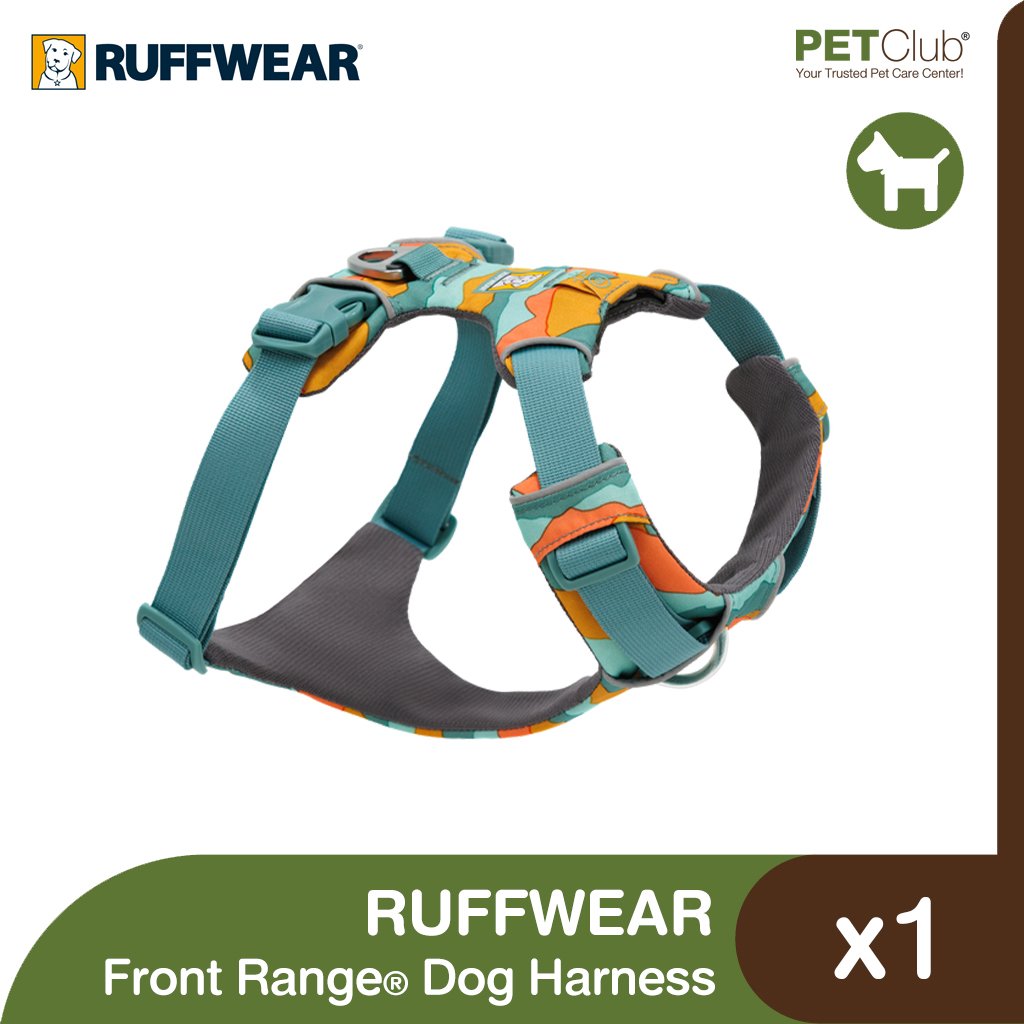
Ruffwear Front Range Dog Harness
Best Overall Dual-Clip: Ruffwear Front Range earns the top slot through the right combination of dual-clip versatility, padding quality, and trail-grade hardware for a harness that works for both urban walks and weekend hikes. The padded chest panel and belly strap distribute leash pressure across the sternum and ribcage; the front aluminum V-ring redirects pullers; the back aluminum ring handles trail loads and can attach a hands-free running leash.
Top picks ↓| Product | Price | Link |
|---|---|---|
| 8500〜11000 | View deal → | |
| 7500〜12000 | View deal → | |
| 5500〜8000 | View deal → | |
| 2500〜4500 | View deal → |
Top picks
Related articles

Ruffwear Front Range Dog Harness
Ruffwear Front Range earns the top slot through the right combination of dual-clip versatility, padding quality, and trail-grade hardware for a harness that works for both urban walks and weekend hikes. The padded chest panel and belly strap distribute leash pressure across the sternum and ribcage; the front aluminum V-ring redirects pullers; the back aluminum ring handles trail loads and can attach a hands-free running leash. Fits girth 40–140 cm in five sizes. The overhead step-through fitting takes conditioning with dog-unfamiliar dogs but becomes quick once habituated. Best for active owners who want one harness for daily use and occasional trail use.
Pros
- ✓Dual-clip design: front V-ring for pulling redirect, back ring for trail/running
- ✓Padded chest and belly panels distribute pressure over multiple contact points
- ✓Aluminum hardware and ripstop nylon hold up to trail use
- ✓Fits girth 40–140 cm across five sizes — widest range in this comparison
Cons
- ✗Overhead step-through fitting requires conditioning — resistant dogs make first sessions frustrating
- ✗Higher price than the Rabbitgoo for urban-only buyers who don't need trail hardware
Score breakdown
| Front clip | Yes — aluminum V-ring at sternum |
| Back clip | Yes — aluminum D-ring at shoulders |
| Escape-proof design | Moderate — overhead step-in, no sternum strap |
| Girth range | 40–140 cm (5 sizes) |

Julius-K9 IDC Power Harness
Julius-K9 IDC Power Harness is the working-dog and escape-resistant pick. The wide chest plate distributes load across the sternum, and the sternum strap running under the body between the front legs structurally prevents the backing-out motion that defeats conventional harnesses. Side-release buckle closure is fast once learned. Interchangeable velcro ID patches are a genuinely useful feature for service dogs, therapy dogs, and working dogs in public settings. The honest weaknesses: Julius-K9 runs large versus its size labels (measure precisely), and the stiff chest plate can cause chafing on narrow-chested breeds during extended wear.
Pros
- ✓Sternum strap prevents backing-out — most escape-resistant design in this comparison
- ✓Wide chest plate distributes load over sternum during leash pressure
- ✓Interchangeable ID patches for service, therapy, and working dogs
- ✓Side-release buckle is fast and intuitive
Cons
- ✗Runs large vs size labels — must measure girth precisely before ordering
- ✗Stiff chest plate can chafe narrow-chested breeds on extended wear
Score breakdown
| Front clip | No (back-clip only on standard IDC) |
| Back clip | Yes — top D-ring |
| Escape-proof design | High — sternum strap blocks backing-out motion |
| Girth range | 36–115 cm (multiple sizes) |

Kurgo Tru-Fit Smart Dog Harness
Kurgo Tru-Fit Smart Harness is the car-safety specialty pick and the only harness in this comparison with crash-test certification. The steel nesting buckle at the sternum attaches to a standard seatbelt latch, distributing crash forces across the dog's chest rather than the neck — an important safety distinction from collar-only car restraint, which can cause cervical injury in even moderate collisions. Five adjustment points allow precise fit across a wide range of body types. The honest weaknesses: stiffer construction than the Ruffwear makes it less comfortable for all-day hiking; the crash certification applies specifically to the Kurgo seatbelt tether used with this harness, not to aftermarket tether substitutes.
Pros
- ✓Crash-test certified with Kurgo seatbelt tether — only harness in this comparison with this qualification
- ✓Steel nesting buckle distributes crash forces across chest
- ✓Five adjustment points for precise fit
- ✓Front and back clip for walking and car use
Cons
- ✗Stiffer than Ruffwear — less comfortable for extended trail wear
- ✗Crash certification only valid with Kurgo's own seatbelt tether accessory
Score breakdown
| Front clip | Yes |
| Back clip | Yes |
| Escape-proof design | Moderate |
| Girth range | 43–135 cm (5 sizes) |

Rabbitgoo No-Pull Dog Harness
Rabbitgoo No-Pull Harness delivers the core no-pull functionality — front-clip D-ring redirecting pullers, back-clip D-ring for running — at well under half the price of the Ruffwear. The velvet-lined chest panel reduces chafing during training sessions; reflective strips add low-light visibility for morning and evening walks; four adjustment points (two neck, two chest) allow fine-tuning across a wide girth range. The honest weakness is hardware quality: plastic buckles and nylon webbing rather than the aluminum and ripstop of the Ruffwear. For urban daily walks and active no-pull training, the hardware is sufficient. For trail use, heavy-load working dogs, or buyers who need a harness to last 3+ years of daily hard use, invest in the Ruffwear.
Pros
- ✓Front and back clip at well under half the Ruffwear price
- ✓Velvet-lined chest panel reduces chafing during training
- ✓Reflective strips for low-light visibility
- ✓Four adjustment points for wide girth range coverage
Cons
- ✗Plastic buckles and nylon webbing show wear earlier than aluminum/ripstop designs
- ✗Not recommended for heavy trail use or large powerful breeds long-term
Score breakdown
| Front clip | Yes |
| Back clip | Yes |
| Escape-proof design | Moderate |
| Girth range | 41–120 cm (XS to XL) |
Which one is right for you?
For strong pullers on trail or urban walks
Ruffwear Front Range Dog Harness
Dual-clip design (front and back), padded chest and belly panels, and Ruffwear's trail-grade hardware make this the most versatile harness for active dogs.
For working dogs or dogs needing a secure ID attachment
Julius-K9 IDC Power Harness
The IDC Power Harness's wide chest plate and robust D-ring are built for working-dog loads, and the interchangeable velcro patches let you customize ID panels.
For car-safety conscious owners in the US market
Kurgo Tru-Fit Smart Dog Harness
The Tru-Fit Smart Harness is one of the few harnesses with crash-test certification for car safety — the steel nesting buckle distributes crash forces across the chest.
For small dog owners wanting a step-in design
dog-harness-doggy-man-step-in-jp
Doggy Man's step-in harness fits small breeds with the narrow girth ranges (28–42 cm) that international brands often miss, and is widely stocked at pet shops.
For budget no-pull training on an escape-resistant design
Rabbitgoo No-Pull Dog Harness
Front-clip no-pull with reflective strips, adjustable at four points, and a velvet-lined chest panel at well under half the price of the Ruffwear — the best value no-pull harness.
Front clip vs back clip vs dual clip — what the research says about pulling
The mechanical argument for front-clip harnesses is straightforward: when a dog pulls forward and the lead is attached at the chest (front), the tension redirects the dog's head and shoulders sideways toward the handler, interrupting the pulling stride. With a back-clip harness, forward tension from the lead is distributed across the dog's back and shoulders in the same direction of travel, which has no redirecting effect — some exercise physiologists argue this actually activates the dog's opposition reflex (the same reflex sled dogs use) and makes pulling more comfortable.
The research on front-clip effectiveness is modest but consistent. A 2013 study in the Journal of Veterinary Behavior found that dogs in front-clip harnesses showed statistically significant reductions in pulling force compared to both back-clip harnesses and head halters, though individual variation was large. The practical limitation of front-clip harnesses is that the clip can cause leg interference if the chest strap is positioned too low — the leash clip should sit at mid-sternum, not at the base of the neck. Dual-clip harnesses (Ruffwear Front Range, Rabbitgoo) solve the problem by allowing front-clip for training walks and back-clip for hands-free running or trail hiking where pulling control is less critical.
Escape-proof design: why some dogs back out of harnesses
Harness escapes happen through one of two mechanisms: the dog backs up with head low and paws forward, collapsing the chest strap off the shoulders (common in greyhounds, whippets, and other narrow-chested sighthounds), or the dog wiggles and contorts until a strap slides over a limb (common in dogs who were not introduced to harness wearing gradually). Escape-proof design addresses both through geometry: the Julius-K9 IDC uses a sternum strap that runs under the chest and connects the two side straps at a position that makes backing-out much harder; step-in harnesses like the Doggy Man enclose both front legs, which prevents the backing-out motion entirely.
The risk profile of an escape varies enormously by dog: a recall-reliable Golden Retriever who slips a harness 50 meters from home is a minor incident; a fear-reactive Shiba Inu who slips a harness crossing a busy street is a potentially fatal event. If your dog has ever slipped a collar or harness, an escape-proof design should be a non-negotiable specification rather than a nice-to-have. The trade-off is that escape-proof harnesses are typically less quick to put on — a dog who requires two hands and 30 seconds to harness every walk is a harness that gets used less consistently.
How to measure your dog for a harness that actually fits
The single measurement that determines harness fit is girth — the circumference of the dog's chest at the widest point, typically just behind the front legs. Use a flexible tape measure and measure with the dog standing, not sitting. Add 2–3 cm to the measurement for breathing room. Neck circumference matters for step-in harnesses with neck loops. Breed-specific notes: Japanese Shiba Inu tend to have proportionally deep chests relative to their weight (girth 45–55 cm for a 10 kg Shiba), which can make medium-sized international harnesses too restrictive; Dachshunds have wide chests relative to height, requiring harnesses with extra-wide chest panel designs; Greyhounds and similar sighthounds have narrow chests that slide out of standard harnesses easily, requiring designs with sternum closures.
International sizing vs Japanese sizing: most US and European harness brands size by girth range (S: 40–55 cm, M: 55–70 cm) but sometimes use breed weight as an alternative proxy, which is unreliable. Japanese brand harnesses (Doggy Man, Iris Pet) often size by Japanese small/medium/large conventions that assume the proportions of typical Japanese companion breeds (Toy Poodle, Chihuahua, Shiba, Miniature Dachshund, French Bulldog) — these may fit Japanese breeds better than international sizing charts that optimize for Labrador/Golden Retriever body proportions.
Where each fits
Ruffwear Front Range is the trail-ready daily-driver harness and earns the top slot through the combination of dual-clip design, padding quality, and hardware durability. The padded chest panel and belly strap distribute pressure across the sternum and ribcage rather than a single point, which matters for long walks with a consistent puller. The aluminum V-ring on the back handles trail loads; the aluminum leash ring on the chest redirects pulling efficiently. The harness fits girth 40–140 cm across five sizes, covering almost every breed. The honest weakness: the Ruffwear Front Range requires overhead step-through fitting (front legs go through loops), which dogs unaccustomed to the motion resist — consistent reward-based conditioning makes this a non-issue within a week, but the first few sessions with a resistant dog can be frustrating.
Julius-K9 IDC Power Harness is the working-dog pick and the most escape-resistant design in this comparison. The chest plate distributes load across the sternum, the sternum strap runs under the body between the front legs preventing backing-out, and the side-release buckle closure is fast and intuitive once learned. The interchangeable velcro ID patches are a genuinely useful feature for dogs who work in public settings (service dogs, therapy dogs). The honest weakness: the Julius-K9 runs large compared to its size labels — a 'Mini-Mini' fits smaller dogs than European buyers expect, and girth measurements must be taken precisely before ordering.
Kurgo Tru-Fit Smart Harness is the car-safety pick and the only harness in this comparison with crash-test certification. The steel nesting buckle at the sternum connects to a standard seatbelt latch, distributing crash forces across the chest rather than the neck. For buyers who regularly travel with their dog in a car, this is a meaningful safety differentiator that none of the other harnesses offer. The honest weakness: the crash-test certification applies to the specific Kurgo seatbelt tether and the harness together — using a generic carabiner or different tether nullifies the certification. The fit is also somewhat stiffer than the Ruffwear and is less comfortable for all-day wearing on trail.
Doggy Man Step-In Harness is the small-breed pick, fitting the narrow girth ranges (28–42 cm for S and M sizes) that international brands often fail to offer. The step-in design — dog steps both front paws through two loops, which are then lifted and clipped behind the shoulders — is fast to apply once the dog is conditioned to the motion, and the enclosed legs provide decent escape resistance for small breeds. Available at almost every pet shop and online at major online retailers, with pricing accessible for daily use. The honest weakness: the step-in design makes harness escape more difficult but not impossible for a determined small dog that squirms aggressively; the back-clip-only design provides no no-pull redirection.
Rabbitgoo No-Pull Harness is the best-value no-pull training harness in this comparison. Front-clip D-ring redirects pulling, back-clip D-ring allows leash-free running, reflective strips add low-light safety, and the velvet-lined chest panel reduces chafing during training sessions. Four adjustment points (two on the neck strap, two on the chest strap) allow fine-tuning across a wide girth range. Price is well under half the Ruffwear. The honest weakness: the hardware is plastic and nylon rather than aluminum and ripstop, which means the Rabbitgoo shows wear earlier than the Ruffwear under daily trail use. For urban daily walks and no-pull training, the hardware is adequate; for off-trail hiking and heavy-use working dogs, the Ruffwear or Julius-K9 is the more durable choice.