Best Shower Caddy 2026: Tension vs Suction vs Hanging
Five shower caddies, three mounting types, $18 to $119. The mounting mechanism is a structural decision, not a feature — pick the wrong one for your bathroom walls and no amount of weight capacity or material quality saves you from the 2 AM crash.
We compared mounting mechanism reliability based on long-term owner reviews (12+ months), material corrosion performance in humid shower environments, actual weight capacity vs. manufacturer claims, and ceiling height compatibility for the tension pole options.
simplehuman Tension Shower Caddy
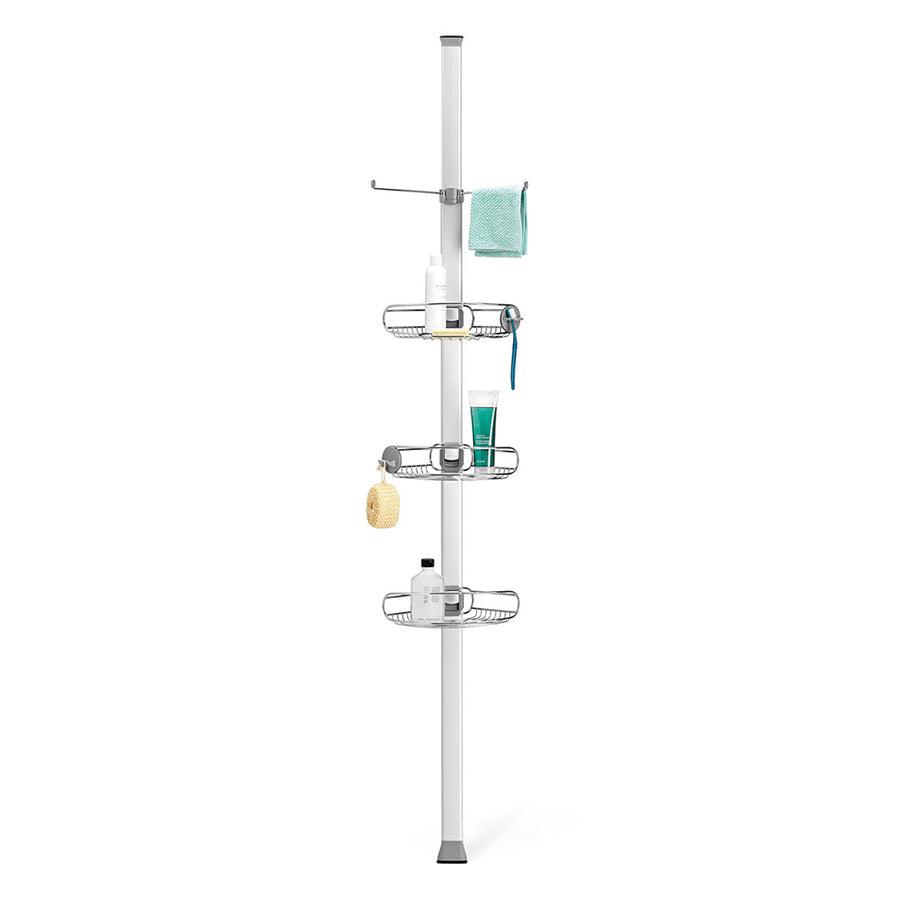
Best Overall: The simplehuman tension caddy is the best all-around shower caddy for bathrooms without magnetic walls. The anodized aluminum and stainless steel material combination resists corrosion without a coating to chip, the 3.5 kg per shelf capacity is consistent with long-term owner reports, and the built-in razor holder and soap dish add practical storage that separate accessories would otherwise require.
Top picks ↓| Product | Price | Link |
|---|---|---|
| 79〜119 | View deal → | |
| 39〜65 | View deal → | |
| 2860〜5280 | View deal → | |
| 25〜45 | View deal → | |
| 18〜35 | View deal → |
Top picks
Related articles


simplehuman Tension Shower Caddy
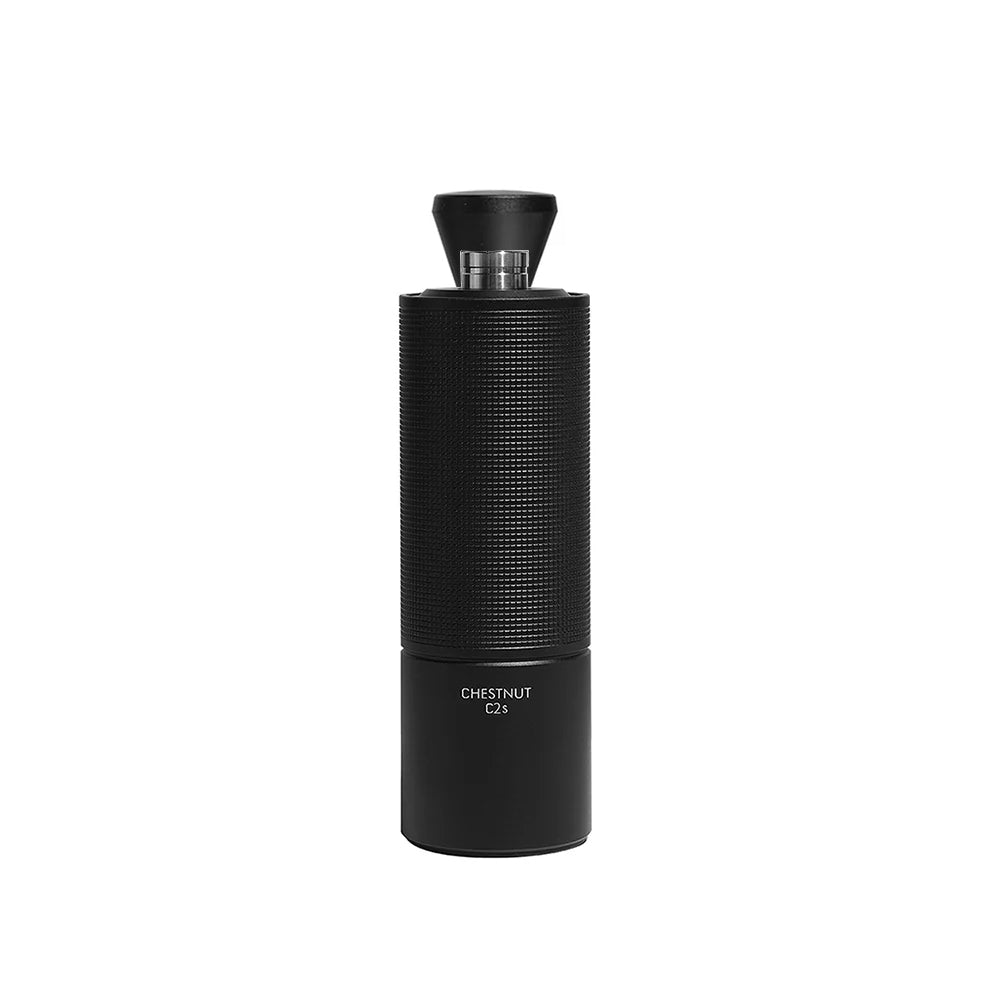
The simplehuman tension caddy is the best all-around shower caddy for bathrooms without magnetic walls. The anodized aluminum and stainless steel material combination resists corrosion without a coating to chip, the 3.5 kg per shelf capacity is consistent with long-term owner reports, and the built-in razor holder and soap dish add practical storage that separate accessories would otherwise require. The tension pole covers ceiling heights from 218 to 274 cm tool-free. At $79-119 it's the most expensive unit in this comparison — the price premium buys material quality that makes replacement cycles a 5-7 year decision rather than an 18-24 month one.
Pros
- ✓Anodized aluminum and stainless construction — no coating to chip, no rust onset
- ✓3.5 kg per shelf capacity consistent with verified long-term owner reports
- ✓Built-in razor holder and soap dish consolidate accessories
- ✓218–274 cm height range covers standard ceiling heights
Cons
- ✗Most expensive caddy in this comparison at $79–$119
- ✗Tension pole doesn't work with vaulted, textured, or low (under 218 cm) ceilings
Score breakdown
| Mounting type | Tension pole (floor-to-ceiling) |
| Material | Anodized aluminum + stainless steel |
| Height range | 218–274 cm |
| Weight capacity | 3.5 kg per shelf |
Umbra Flex Shower Caddy
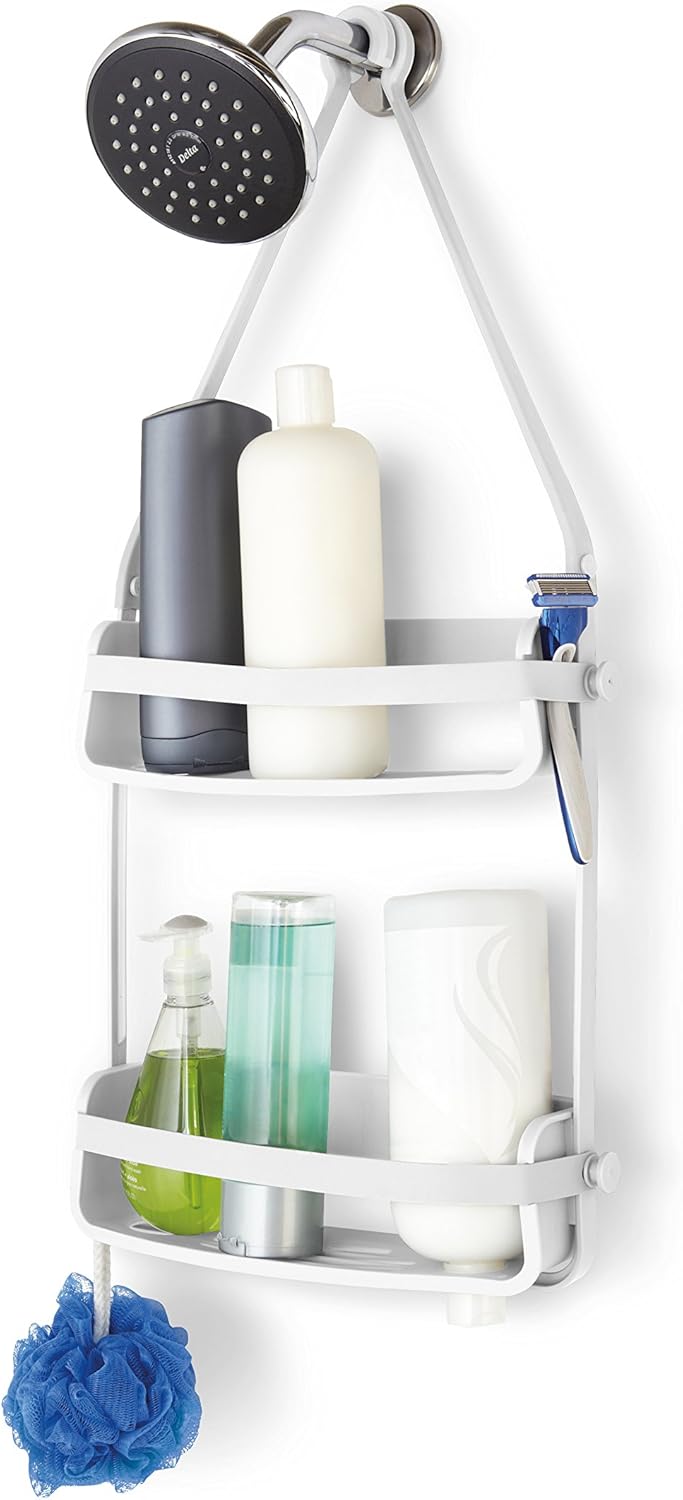
The Umbra Flex is the best implementation of the hanging caddy format because the silicone straps are less aggressive on the showerhead fitting than rigid metal hooks. Five shelves handle a full bathroom product lineup, drainage holes on every shelf prevent pooling, and the stainless steel frame handles humidity well. The honest weaknesses: the caddy hangs from your showerhead fitting, so fully loaded weight (4+ kg for five full product bottles) applies continuous torque to that joint; check the fitting tightness every 2-3 months. And the hang height is fixed by showerhead position — if your head is mounted low, the bottom shelf will be near ankle height.
Pros
- ✓Silicone straps grip showerhead pipe without rigid hooks that damage fittings
- ✓Five shelves handle a full bathroom product lineup
- ✓Drainage holes on every shelf prevent soap and shampoo pooling
- ✓Stainless steel frame resists corrosion without coating
Cons
- ✗Hangs from showerhead fitting — fully loaded 4+ kg applies continuous torque to the joint
- ✗Hang height is fixed by showerhead position, which can't be adjusted
Score breakdown
| Mounting type | Hanging (showerhead strap) |
| Material | Stainless steel + silicone |
| Showerhead diameter | Up to 4 cm |
| Dimensions | 27 × 14 × 75 cm |

Yamazaki Tower Shower Caddy (Japan)
The Yamazaki Tower shower caddy is the structurally correct choice for unit bathrooms with steel-panel walls. Magnetic mounting requires no drilling, no adhesive, no tools — and for a rental apartment tenant, that means no wall damage and no landlord dispute. The powder-coated steel handles bathroom humidity adequately, and Yamazaki's product range means replacement magnets and accessories are domestically available. The honest weakness: verify your bathroom walls are magnetic before purchasing (hold a magnet to the tile surface — it should stick), and check exposed steel areas periodically for rust onset at any chip points.
Pros
- ✓Magnetic mounting for unit bath steel walls — no drilling, no adhesive
- ✓Designed specifically for compact bathroom dimensions
- ✓Powder-coated finish handles bathroom humidity
- ✓Repositionable without any tools
Cons
- ✗Magnetic mounting only works on steel-panel unit bath walls — useless on tile
- ✗Powder coat chips at impact points; raw steel exposed this way will rust
Score breakdown
| Mounting type | Magnetic (steel-panel walls only) |
| Material | Powder-coated steel |
| Dimensions | 23 × 8 × 35 cm |
| Weight capacity | 1.5 kg |
Zenna Home Expandable Tension Shower Caddy
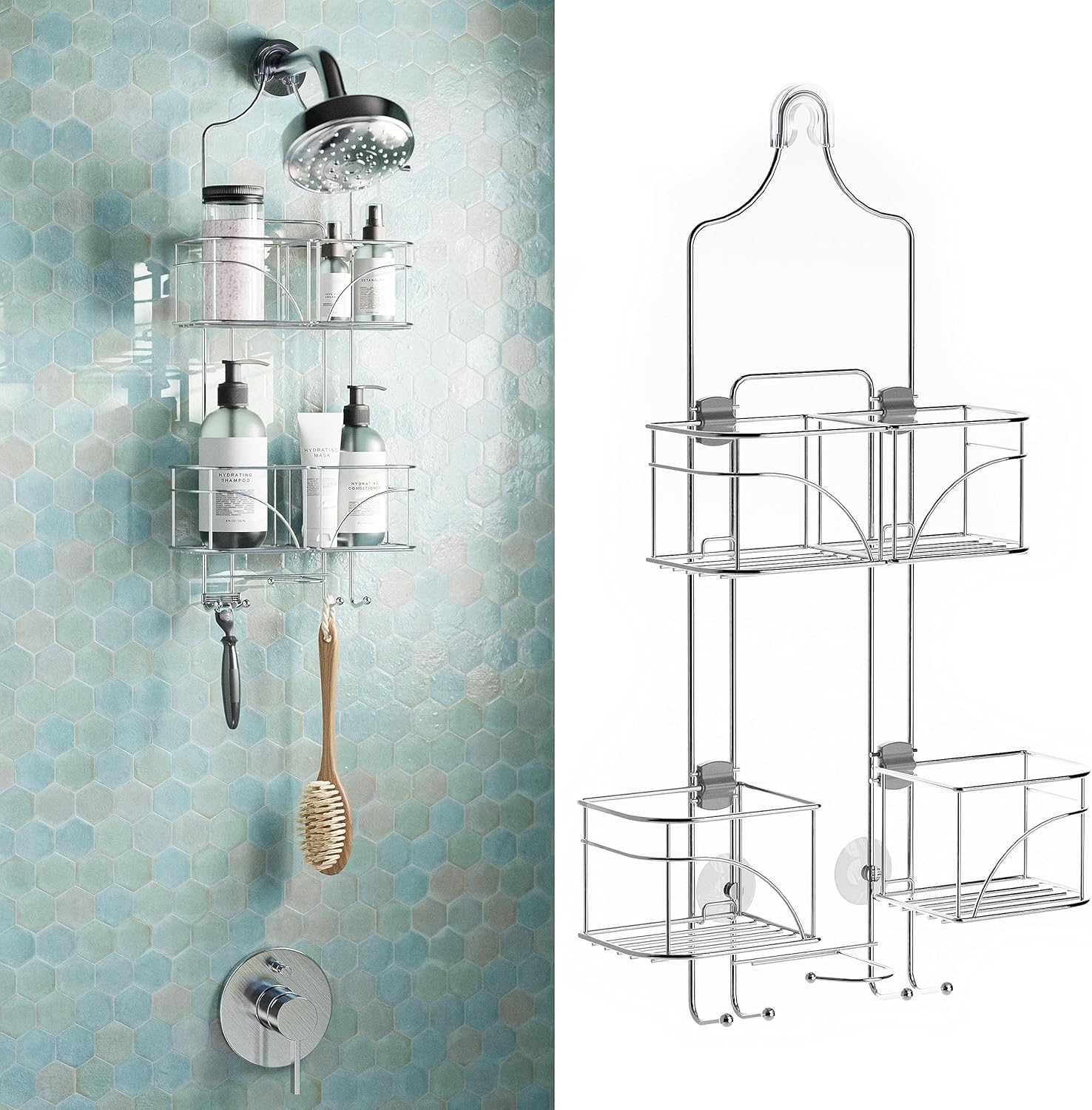
The Zenna Home expandable tension caddy offers the one practical advantage over the simplehuman that justifies its inclusion: the expandable shelf width (28-38 cm adjustable) fits non-standard shower dimensions where fixed-width shelves don't align with the walls. The chrome-plated steel construction is honest budget material — expect visible rust at chip points within 18-24 months of daily use, plan to replace rather than repair. The tension pole covers 183-274 cm ceiling heights with a larger range than the simplehuman at the low end, useful for bathrooms with low ceilings. At $25-45 it's a reasonable 2-year caddy for someone who doesn't want to spend $79 on a simplehuman.
Pros
- ✓Expandable shelf width (28–38 cm) fits non-standard shower dimensions
- ✓183–274 cm height range works in low-ceiling bathrooms the simplehuman doesn't fit
- ✓Roughly a third of the simplehuman price
Cons
- ✗Chrome-plated steel shows rust at chip points within 18–24 months of daily use
- ✗No material durability advantage over simplehuman — lower quality at lower price
Score breakdown
| Mounting type | Tension pole (floor-to-ceiling) |
| Material | Chrome-plated steel |
| Height range | 183–274 cm |
| Shelf width | 28–38 cm (expandable) |
InterDesign Forma Suction Shower Caddy
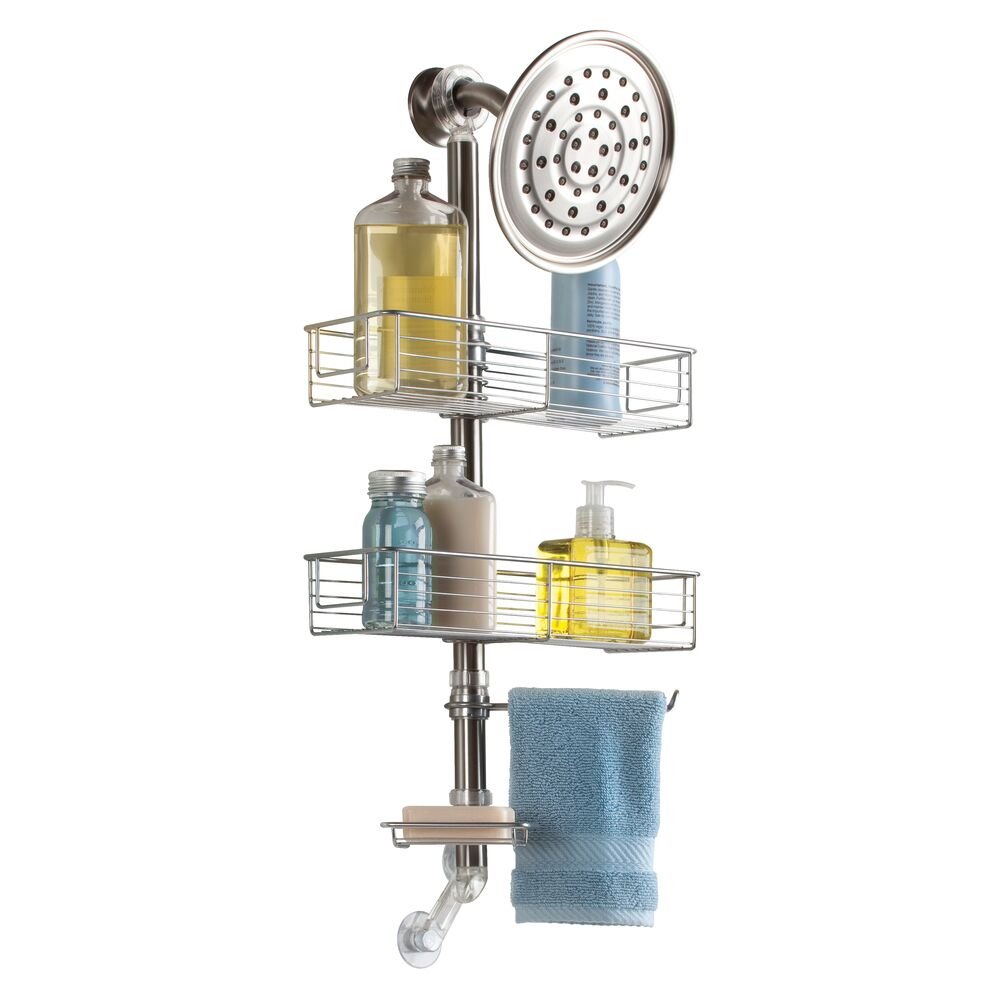
The InterDesign Forma is the cheapest viable shower caddy in this comparison and earns its place specifically when your bathroom has smooth, clean ceramic tile and you need two shelves of product storage. The four heavy-duty suction cups hold reliably on smooth ceramic in optimal conditions (properly cleaned, lubricated cup lips, warm tile surface during installation). The two-shelf chrome wire format handles shampoo and body wash without floor-to-ceiling installation. The honest caveats: chrome wire will rust at chip points within 18-24 months; suction cups need reseating every 4-6 weeks to maintain holding strength; this caddy is not suitable for textured, natural stone, or old micro-roughened tile.
Pros
- ✓Lowest price in the comparison at $18–$35
- ✓Two-shelf suction format requires no floor-to-ceiling setup
- ✓Removable for cleaning without uninstalling the mounting hardware
Cons
- ✗Chrome wire construction rusts at chip points within 18–24 months
- ✗Suction cups fail on textured, natural stone, or old roughened tile
- ✗Suction cups need reseating every 4–6 weeks — ongoing maintenance required
Score breakdown
| Mounting type | Suction cup (smooth tile only) |
| Material | Chrome-plated steel wire |
| Dimensions | 24 × 12 × 32 cm |
| Weight capacity | 2 kg total |
Which one is right for you?
For most bathrooms without drilling
simplehuman Tension Shower Caddy
Anodized aluminum and stainless construction resists corrosion longer than chrome-plated alternatives, and the tension pole works in any bathroom with a flat ceiling in the 218–274 cm range.
For magnetic steel-panel bathrooms
Yamazaki Tower Shower Caddy (Japan)
Magnetic mounting works on the steel-panel unit bath walls found in many compact unit-bath systems without drilling or adhesive.
For rented apartments with a standard showerhead
Umbra Flex Shower Caddy
Silicone strap hanging mount works on any showerhead pipe up to 4 cm diameter, requires no floor-ceiling contact, and holds up to five shelves of product.
For budget buyers who need a tension pole
Zenna Home Expandable Tension Shower Caddy
The expandable shelf width (28–38 cm adjustable) adapts to non-standard shower stall dimensions at roughly a third of the simplehuman price.
For tile showers with smooth surfaces
InterDesign Forma Suction Shower Caddy
Suction mount works on smooth, non-porous ceramic tile, and the two-shelf design fits a corner without occupying floor-to-ceiling space.
Three mounting types and when each works
Tension pole caddies work by spring-loading a vertical pole between your floor and ceiling, which means zero drilling, zero adhesive, and full repositioning flexibility. The practical limits: the pole needs a flat floor surface and a flat ceiling — most tension poles bottom out at 183 cm minimum and cap at 274 cm maximum, which covers standard apartment ceilings (typically 220-240 cm) but not low 200 cm ceilings or vaulted designs. Weight capacity depends critically on ceiling contact area — textured ceilings, sloped sections, and ceiling-mounted light fixtures near the install location all reduce effective capacity. The rubber end caps that grip floor and ceiling wear over time, so annual tension adjustment is maintenance, not optional. Tension poles also move if someone pushes the caddy sideways, which happens in small showers constantly.
Hanging caddies suspend from the showerhead or shower pipe via hooks, straps, or rings, and they're the most installation-simple system in the category — hang and done. The constraint is load: the showerhead and its mounting hardware were not designed to support a loaded caddy. A showerhead pipe rated for 10-15 kg (which is on the generous side) carrying a 3-4 kg loaded hanging caddy is fine in static conditions, but daily loading and unloading, swinging from use, and the occasional fully-loaded drop all introduce dynamic loads that long-term reviews note cause pipe loosening. The Umbra Flex design minimizes this with silicone straps that grip without rigid metal hooks, which reduces the torque on the showerhead fitting.
Suction cup caddies are the most renter-friendly format in theory — no damage to walls, reposition anywhere — and the least reliable in practice unless conditions are optimal. Suction cups require smooth, non-porous, impeccably clean tile to achieve rated holding strength. Textured tile, natural stone (marble, granite, slate), old tile with micro-roughness from decades of cleaning products, and surfaces near grout lines all reduce effective suction to well below the rated figure. In verified long-term reviews, suction caddies in non-optimal tile conditions fall most often in months 2-4 as the seal degrades. In optimal conditions (fresh smooth ceramic tile, properly set and lubricated cups), reliable 12+ month hold is achievable.
Rust and material failure in shower environments
Shower environments are the harshest corrosion conditions a consumer household product encounters: daily high-temperature steam cycles, soap and shampoo chemical residue, and no drying period between uses in shared bathrooms. Chrome-plated steel fails first — the chrome layer is cosmetically attractive but thin, and once it breaches at a scratch or impact point, the underlying mild steel rusts within weeks. The visual pattern is characteristic: small rust-colored spots appearing at chip points on chrome wire, spreading outward. Budget caddies in this price tier (the InterDesign and Zenna Home) use chrome-plated steel and will show rust at impact points within 18-24 months of daily use. This is not a defect — it's the material.
Anodized aluminum (simplehuman) and genuine stainless steel (Yamazaki Tower's frame, higher-end models) are the corrosion-resistant alternatives. Anodized aluminum has no coating to chip — the corrosion resistance is structural, not a surface layer — and it doesn't rust. It can corrode over very long periods with aggressive cleaning products (anything with bleach), but in shower conditions with normal shampoo and soap, it lasts the life of the product. Stainless steel performs similarly. The honest cost difference: a simplehuman tension caddy at $79-119 uses anodized aluminum; a Zenna Home at $25-45 uses chrome-plated steel. The material difference is real.
Where each product fits
simplehuman Tension Shower Caddy ($79–$119) is the best all-around pick for a bathroom with a flat floor, flat ceiling, and without magnetic walls. The anodized aluminum and stainless steel construction is the most corrosion-resistant combination available without paying commercial-grade prices, the 3-tier layout handles shampoo, conditioner, body wash, and accessories simultaneously, and the built-in razor holder and soap dish integrate storage that separate accessories would otherwise scatter. The 3.5 kg per shelf capacity is honest — long-term reviews don't flag early sagging. The honest weakness: at $79-119 it's the most expensive caddy in this comparison, and the tension pole requires ceiling height in the 218-274 cm range and a level floor surface.
Umbra Flex Hanging Caddy ($39–$65) is the most installation-simple caddy in the comparison — hang the silicone straps around the showerhead pipe and you're done. Five shelves handle a full product lineup, drainage holes on every shelf mean product residue doesn't puddle at the base, and the stainless steel frame handles shower humidity well. The honest weakness is load distribution: the caddy hangs from the showerhead fitting, and a fully-loaded 5-shelf caddy can apply enough torque to gradually loosen a hand-tightened showerhead fitting over months. Check the fitting torque periodically. Also, the hang height is fixed by showerhead position — if your showerhead is mounted low, the bottom shelf will be near ground level.
Yamazaki Tower Shower Caddy is specifically designed for the magnetic steel-panel walls of unit bath systems and is the structurally correct choice for that bathroom type. Magnetic mounting requires no drilling and no adhesive, repositions in seconds, and the rust-resistant powder coat handles shower humidity well. For renters with this bathroom type this is the default recommendation without needing to look at alternatives. The honest weakness: the powder coat can chip on impact (run your thumb across any contact surface and replace the caddy if you see raw steel), and the magnetic mount doesn't work on tile or non-magnetic walls.
Zenna Home Expandable Tension Caddy ($25–$45) is the budget tension pole option with one practical advantage over the simplehuman: the expandable shelf width (28-38 cm adjustable) handles oddly-sized shower stall widths or corner installations that fixed-width shelves don't fit cleanly. Chrome-plated steel construction shows rust at chip points within 18-24 months of daily shower use — that's the honest material tradeoff at this price. At a third of the simplehuman price, the economics are: buy it, use it for 18-24 months, and replace it when rust appears.
InterDesign Forma Suction Caddy ($18–$35) is the cheapest entry in this comparison and earns its place only when your bathroom has smooth ceramic or glass tile and you're careful about surface preparation before mounting. On the right tile surface the suction cups hold reliably and the two-shelf format handles shampoo and body wash without taking up floor space. The chrome wire construction is the same material as the Zenna Home — expect rust at chip points within 18-24 months. The suction cups need periodic reseating (every 4-6 weeks) to maintain rated holding strength, which is maintenance that buyers routinely skip.
Setup mistakes that cause shower caddies to fail early
For tension poles: not checking the rubber end cap contact condition before installation. End caps that have been sitting in packaging compress irregularly and don't make full-surface contact with floor or ceiling immediately after unboxing. Tension poles should be installed, loaded lightly, and then re-tensioned after 24-48 hours as the rubber settles into shape. Skipping this step is why so many tension caddies fall within the first week — the initial tension read as solid, but the end caps shifted during that first shower session.
For suction cups: not using the included suction lubricant (or a thin coat of petroleum jelly if none is supplied) on the cup lip before mounting. Dry suction cups on dry tile create a quick seal that feels strong but degrades within weeks as the cup lip stiffens. Lubricated suction cups on clean, smooth tile create a slower seal that maintains holding strength over months. Also: suction cups should be mounted on warm tile (the cup material is more pliable at room temperature than at cold-shower temperature) and pressed firmly for 10-15 seconds to expel all air before releasing.
For hanging caddies: allowing the caddy to sway during loading. Every time you reach into the caddy and pull a product, the unsupported caddy swings. Over weeks, this swinging motion works any loose hook or strap fitting progressively looser. A secondary anchor point — a suction hook on the tile wall that the bottom shelf clips to — stops the swing and extends the effective life of both the caddy and the showerhead fitting. This is a tip that virtually no product listing mentions but that experienced owners universally adopt.