Best Cushioned Basketball Shoes 2026: 5 Max-Impact Picks
If you jump a lot, play in the paint, or just want your knees and back to feel good after a session, cushioning is the feature that matters most. Modern basketball cushioning isn't about being soft — it's about absorbing landing impact and returning energy without turning to mush on a hard cut. The wrong call in either direction hurts: too little and you feel every landing; too much and you lose the court connection needed to move quickly. We ranked five shoes by impact protection and energy return, for the players who land hardest.
Each shoe was evaluated specifically for cushioning: impact absorption on landing, energy return, court feel, stability of the cushioned platform, and durability of the foam over time — alongside support and value. We weighted impact protection and platform stability highest, because the players seeking cushioning are typically protecting joints or landing hard, and matched picks to weight, position, and playing style.
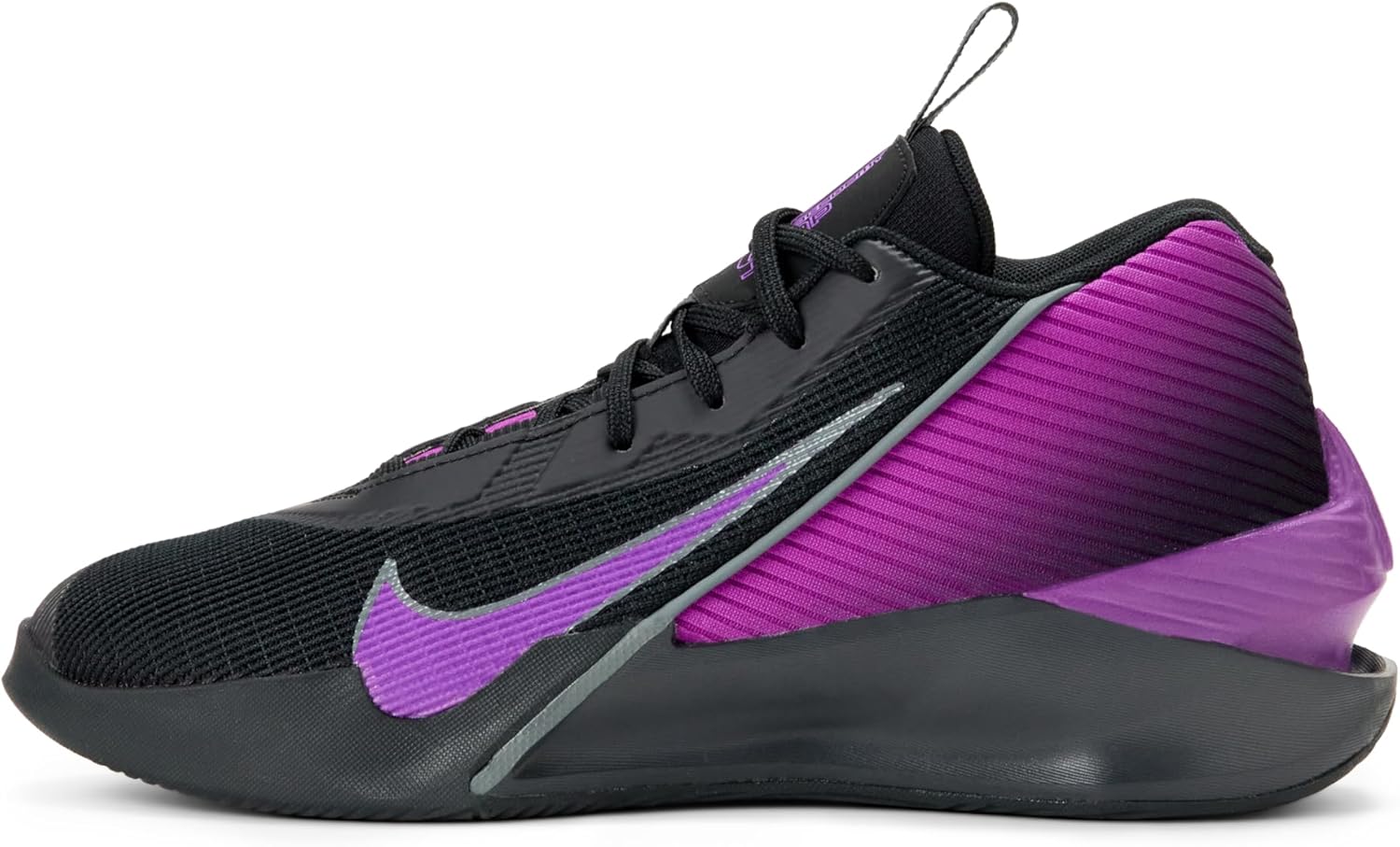
Nike Gt Jump 3
Best for Explosive Jumpers: The GT Jump line is engineered for one thing: vertical athletes who want maximum energy return on takeoff and impact protection on landing. The dual Zoom Air setup springs back explosively while the foam carrier softens hard landings, making it the standout for players whose game is built on jumping.
Top picks ↓Related articles
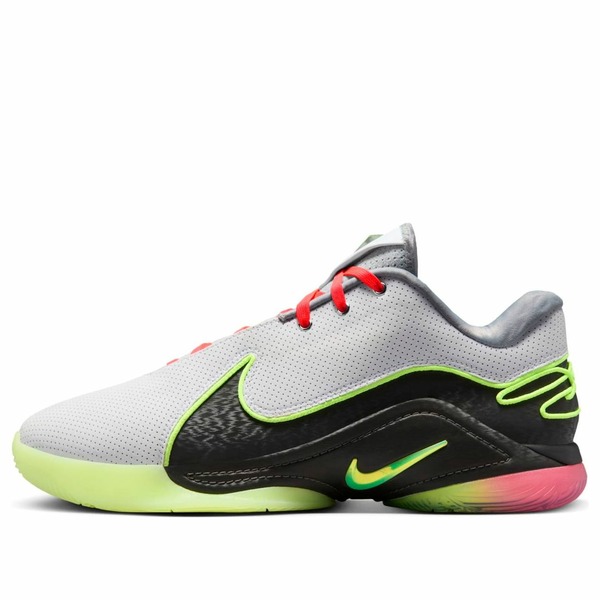
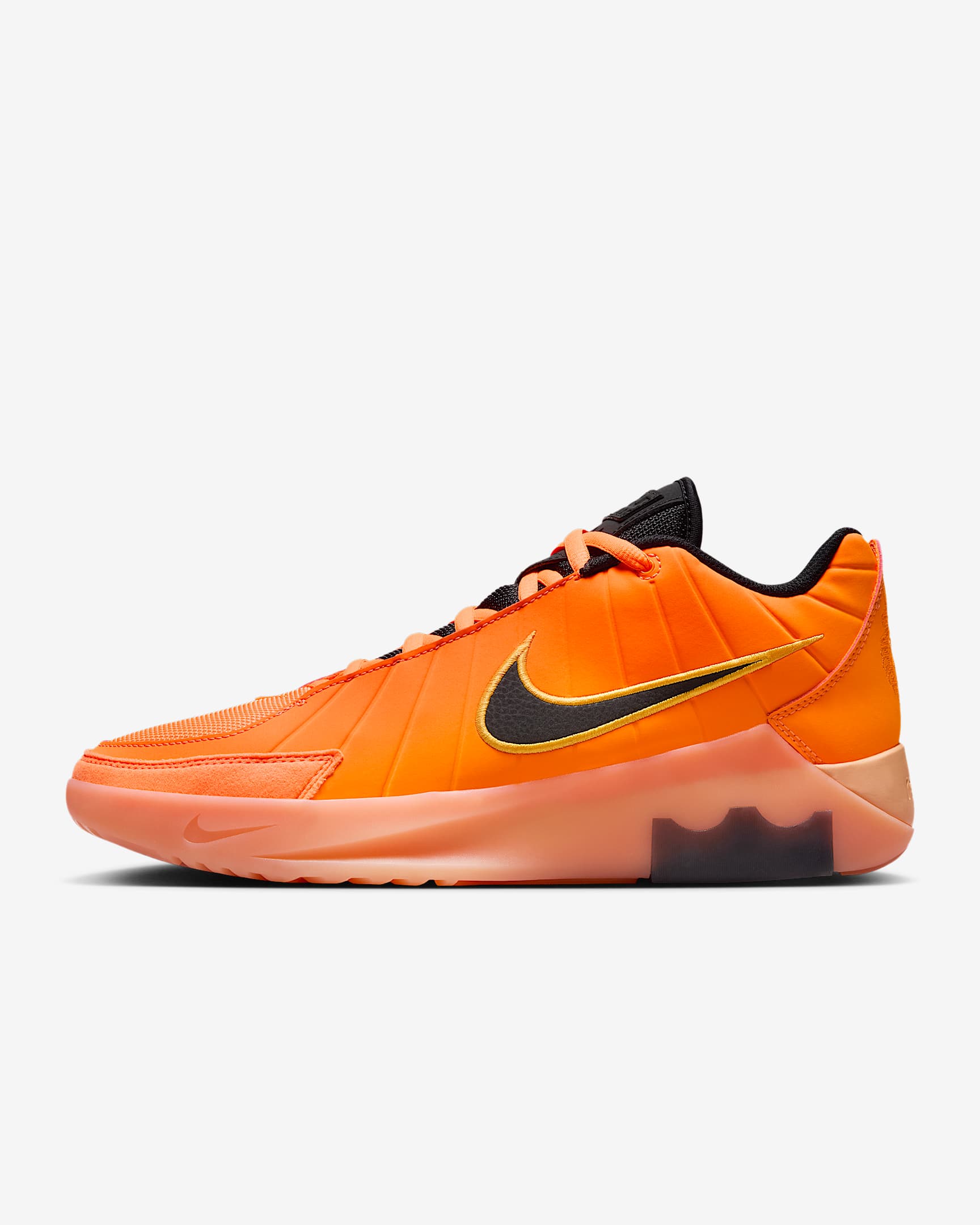

Nike Gt Jump 3
Runs true to size; built for explosive vertical athletes.
The GT Jump line is engineered for one thing: vertical athletes who want maximum energy return on takeoff and impact protection on landing. The dual Zoom Air setup springs back explosively while the foam carrier softens hard landings, making it the standout for players whose game is built on jumping. The responsiveness is genuinely noticeable — it feels like the shoe gives back on every jump. It's a bouncy, energetic ride rather than a plush one, so players seeking soft pillowy comfort may prefer a foam-heavy option. For leapers who want responsive impact protection, nothing here matches it.
Pros
- ✓Dual Zoom Air returns energy explosively on takeoff
- ✓Foam carrier softens hard landings
- ✓Built specifically for vertical athletes
- ✓Noticeably responsive, energetic ride
Cons
- ✗Bouncy rather than plush — not for soft-comfort seekers
- ✗Premium price
- ✗Responsiveness can feel firm to some players

Adidas Ae 1
Adidas signature fit runs narrow; consider a half size up for wide feet.
The AE 1 (Anthony Edwards' signature) pairs a generous Boost-and-Lightstrike cushioning setup with a build versatile enough for explosive guards and wings alike. The cushioning is plush enough to protect landings while staying responsive enough to keep you quick — the best balance of comfort and court feel in this group. The wide, stable base keeps the soft cushioning from feeling tippy on cuts. It's a do-everything cushioned shoe that suits the largest range of players, which is exactly why it became so popular. For most players who want comfort without giving up much quickness, this is the smart all-around pick.
Pros
- ✓Plush yet responsive — best comfort-to-court-feel balance
- ✓Wide stable base keeps soft cushioning from feeling tippy
- ✓Versatile for guards and wings
- ✓Do-everything cushioned build
Cons
- ✗Not the absolute plushest for pure landing protection
- ✗Adidas signature fit runs narrow
- ✗Heavier than minimal guard shoes
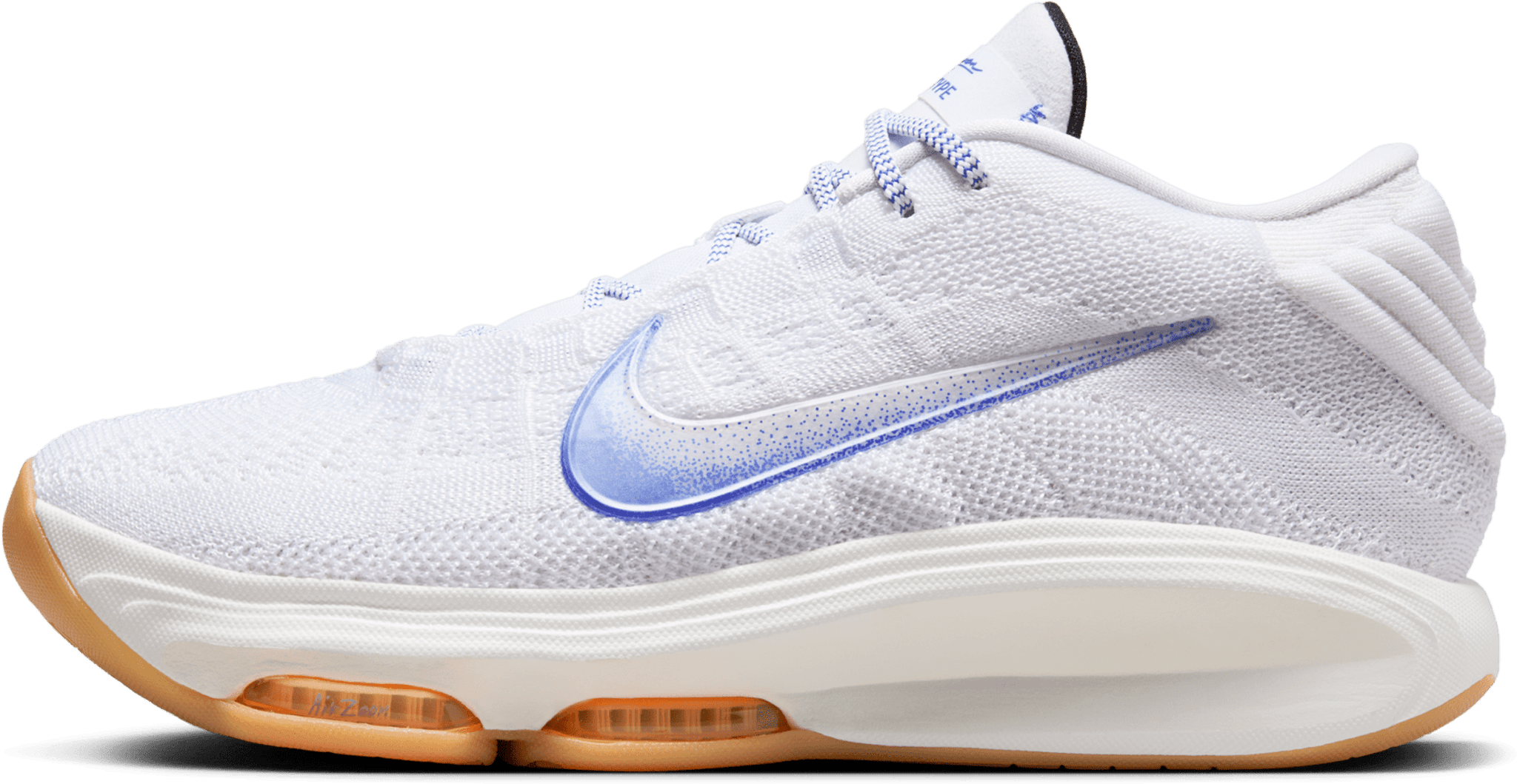
Nike Gt Hustle 3
Substantial, heavier build — best for bigs and heavier players.
The GT Hustle is the most heavily cushioned shoe in Nike's performance line, combining a large Air unit with foam for maximum impact absorption — built for bigs and heavier players who land hard and need the most landing protection available. The ride is plush and absorbent, soaking up the impact of rebounds and post-play landings, and the stable platform keeps the substantial cushioning under control. The trade-off is weight and reduced court feel, so quick guards will find it more than they need. For centers, power forwards, and heavier players prioritizing landing comfort, this is the maximum-cushion pick.
Pros
- ✓Maximum impact absorption for hard landings
- ✓Large Air unit plus foam for plush comfort
- ✓Stable platform controls the substantial cushioning
- ✓Ideal for bigs and heavier players
Cons
- ✗Heavy — too much shoe for quick guards
- ✗Reduced court feel from the tall midsole
- ✗Premium price
Jordan Tatum 3
True to size; versatile all-around fit.
The Tatum line is built for a versatile two-way wing, and its cushioning reflects that — a balanced Formula 23 foam and Zoom setup that protects landings while keeping a responsive, planted feel for all-around play. It's not the plushest or the bounciest, but it's the most consistently comfortable across the full range of basketball movement: jumping, cutting, and running the floor. The cushioning suits players who do a bit of everything and want reliable comfort without committing to either max-plush or max-responsive. A dependable, well-rounded cushioned shoe at a reasonable price.
Pros
- ✓Balanced foam-and-Zoom cushioning for all-around play
- ✓Responsive, planted feel for cuts and jumps
- ✓Consistent comfort across all movements
- ✓Reasonable price for the performance
Cons
- ✗Not the plushest or the bounciest in any one area
- ✗Better for versatile wings than specialists
- ✗Cushioning is good, not class-leading
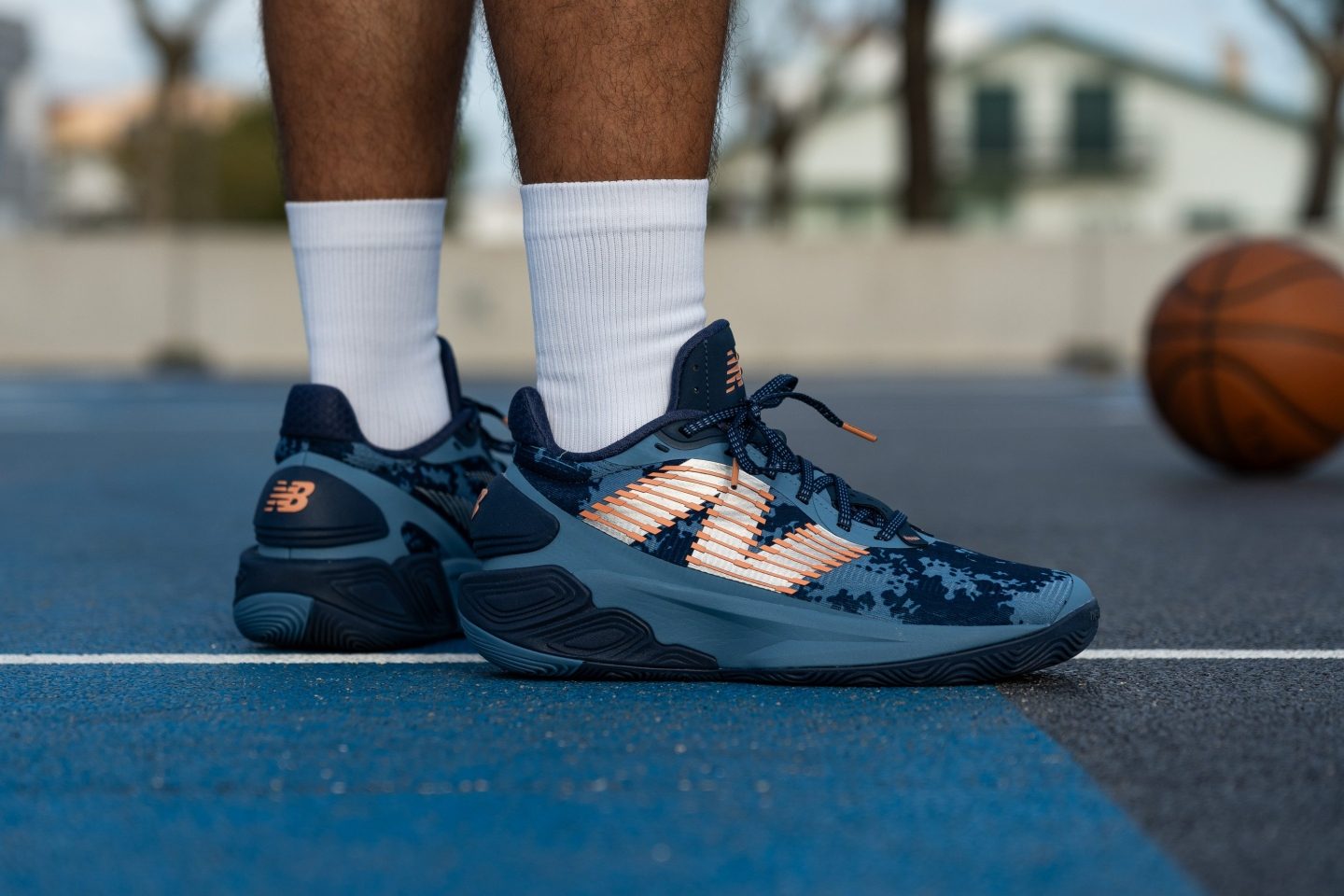
New Balance Two Wxy V5
Roomier fit accommodates wider feet well.
New Balance's Two WXY has quietly become one of the best-cushioned team shoes available, using NB's responsive FuelCell-style foam to deliver springy, comfortable landings in a build that fits wider feet better than most signature lines. The cushioning is responsive and protective without being mushy, and the stable base keeps it controlled on cuts. It's a strong option for guards and wings who want real cushioning comfort with a roomier fit, and it tends to be priced below the marquee signature shoes. For players who find Nike and Adidas too narrow, this is the comfortable, well-cushioned alternative.
Pros
- ✓Responsive, protective foam cushioning
- ✓Roomier fit accommodates wider feet
- ✓Stable base keeps cushioning controlled
- ✓Often priced below marquee signature shoes
Cons
- ✗Less brand recognition than Nike or Adidas
- ✗Not as plush as max-cushion bigs' shoes
- ✗Colorway availability varies by market
Which one is right for you?
Best for Explosive Jumpers
Nike Gt Jump 3
Dual Zoom Air returns energy on takeoff and protects landings — built for vertical athletes.
Best Versatile Cushioning
Adidas Ae 1
The best balance of plush comfort and court feel for the widest range of players.
Best Max Cushion for Bigs
Nike Gt Hustle 3
Maximum impact absorption for bigs and heavier players who land hardest.
Best Balanced Cushioning
Jordan Tatum 3
Consistent, all-around cushioned comfort for versatile two-way wings.
Best Responsive Foam
New Balance Two Wxy V5
Springy, protective foam in a roomier fit for wider feet at a fair price.
How to Choose Cushioned Basketball Shoes
Good basketball cushioning balances impact absorption with court feel. The right amount depends on your weight, how high you jump, and your position.
Bottom line
For explosive jumpers who want responsive impact protection, the GT Jump 3 is the top pick — built specifically for vertical athletes. Heavier players and bigs who prioritize plush landing comfort should look at the GT Hustle 3 for its max cushioning. The AE 1 is the most versatile cushioned all-around shoe for players who want comfort without sacrificing too much court feel. Whatever you choose, check that the soft cushioning sits on a stable, wide base — plush should never mean tippy.
