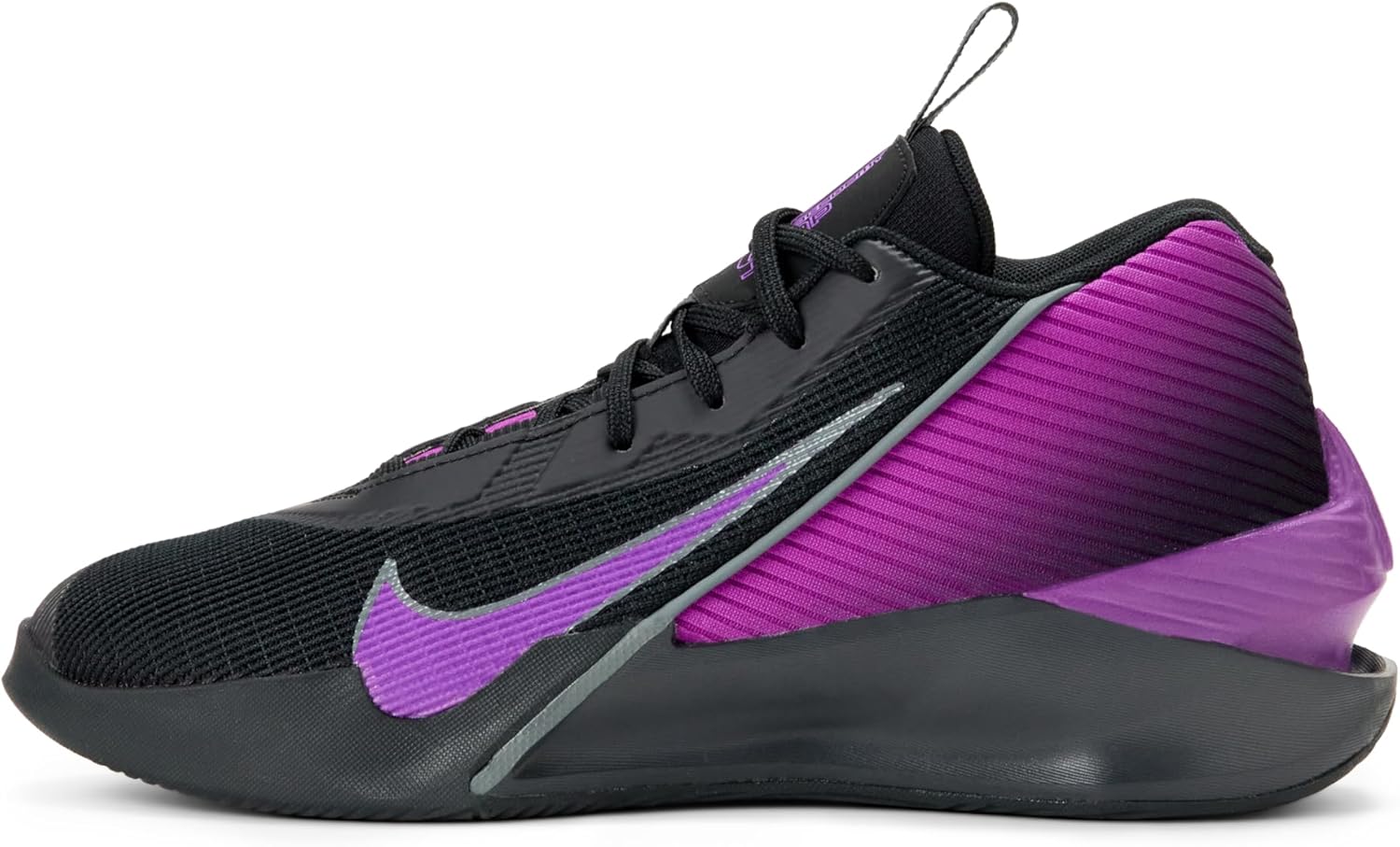
Best Basketball Shoes for Traction 2026: 5 Grippiest
Traction is the one feature you can't compromise on. A shoe that slips when you plant for a crossover or stop on a fast break isn't just slow — it's the most common cause of footwear-related court injuries. But traction isn't one thing: the herringbone pattern that bites best on clean hardwood wears out fast on rough outdoor concrete, and the hard rubber that survives outdoors can feel less grippy indoors. We ranked five shoes by stop power and outsole durability, and split the picks by where you actually play.
Each shoe was evaluated specifically for traction: outsole pattern, rubber compound, stop power on lateral cuts, dust sensitivity, and outdoor durability — alongside the standard criteria of cushioning, support, and value. We weighted stop power and outsole durability highest, and split picks by surface because the best indoor traction shoe is rarely the best outdoor one.

Nike Kd Trey 5 Xi
Best Overall Traction: The KD Trey line takes Kevin Durant's signature DNA and delivers it at a team-shoe price, and traction is where it punches well above its cost. The full herringbone outsole bites hard and predictably on clean hardwood, with excellent multidirectional stop power that gives confidence on hard cuts and quick stops.
Top picks ↓Top picks
Related articles
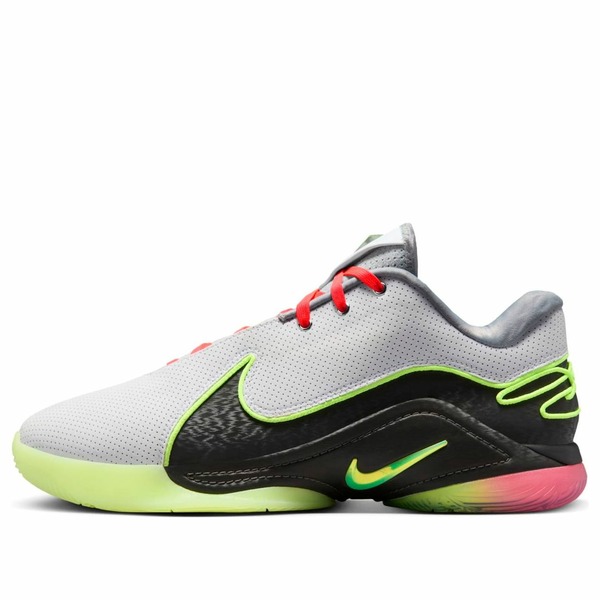
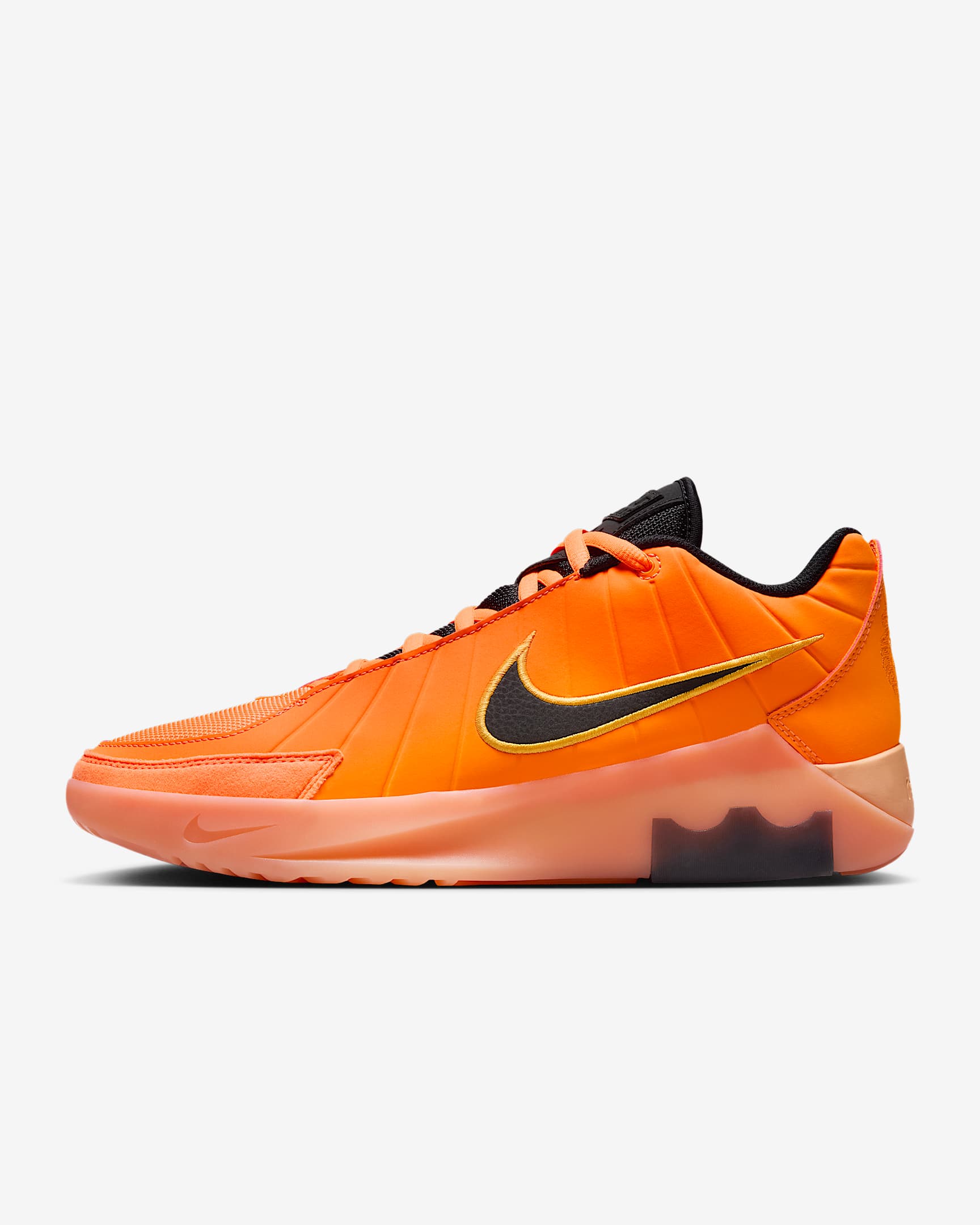

Nike Kd Trey 5 Xi
Reserve for clean indoor courts to protect the soft-compound outsole.
The KD Trey line takes Kevin Durant's signature DNA and delivers it at a team-shoe price, and traction is where it punches well above its cost. The full herringbone outsole bites hard and predictably on clean hardwood, with excellent multidirectional stop power that gives confidence on hard cuts and quick stops. The cushioning is responsive rather than plush, keeping you close to the court where traction matters most. It's a guard-and-wing-friendly build that's light and quick. The traction is tuned for clean indoor courts — take it outdoors and the soft compound will wear quickly.
Pros
- ✓Full herringbone outsole with elite clean-court bite
- ✓Excellent multidirectional stop power on cuts
- ✓Responsive low-profile feel keeps you close to the court
- ✓Strong value for the traction quality
Cons
- ✗Soft compound wears fast outdoors
- ✗Cushioning is firm, not plush
- ✗Dust-sensitive on poorly maintained floors

Adidas Trae Young 3
Adidas signature fit runs narrow; indoor use recommended.
The Trae Young line is built for a shifty, change-of-direction guard, and the outsole reflects that with an aggressive multidirectional pattern designed to grip on hard plants and sudden direction changes. The traction bites laterally as well as front-to-back, which suits players whose game is built on crossovers, hesitations, and quick stops. The Boost-and-Lightstrike cushioning balances responsiveness and comfort, and the low-profile build keeps the foot planted. The trade-off is the same as most elite indoor traction: it's tuned for clean hardwood and dusts up on dirty floors, so keep the outsole wiped.
Pros
- ✓Aggressive multidirectional grip for crossovers and sharp cuts
- ✓Strong lateral bite for change-of-direction guards
- ✓Balanced cushioning keeps the foot planted
- ✓Low-profile build for court feel
Cons
- ✗Dusts up on dirty courts
- ✗Indoor-tuned — not for outdoor concrete
- ✗Adidas signature fit runs narrow

Nike Cosmic Unity 3
The most outdoor-tolerant pick here — check for XDR/outdoor versions.
The Cosmic Unity is built with a heavier, more durable construction that makes it the most outdoor-friendly traction pick here. The thicker, harder rubber outsole resists the abrasion of outdoor concrete far better than soft indoor compounds, so the grip pattern survives the rough surfaces that destroy lighter shoes within weeks. On clean hardwood it grips well, if slightly less aggressively than a soft-compound indoor specialist — the trade-off you accept for outdoor durability. The cushioning is generous and stable. For players who live on outdoor courts, this is the shoe whose traction will actually last.
Pros
- ✓Durable outsole survives abrasive outdoor concrete
- ✓Reliable grip across surfaces
- ✓Generous, stable cushioning
- ✓Best traction longevity for outdoor players
Cons
- ✗Slightly less aggressive bite than soft indoor compounds
- ✗Heavier than guard-oriented shoes
- ✗Premium price

Under Armour Curry Flow 11
Indoor clean-court only; the Flow outsole wears fast outdoors.
Under Armour's Curry Flow line is famous for one thing above all: the UA Flow outsole, where the foam doubles as the outsole with no rubber at all. On clean hardwood the result is exceptional, near-silent grip and stop power that many players rank as the best clean-court traction available, in a remarkably lightweight package. The catch is durability — without a rubber layer, the Flow outsole wears faster on rough or outdoor surfaces, so this is strictly a clean-indoor-court shoe. If your gym floor is well maintained, the Curry Flow 11 offers some of the grippiest, lightest traction you can buy.
Pros
- ✓UA Flow outsole delivers elite clean-court grip
- ✓Exceptionally lightweight
- ✓Outstanding stop power and court feel
- ✓Quiet, precise traction on hardwood
Cons
- ✗Flow outsole wears fast on rough or outdoor surfaces
- ✗Strictly an indoor clean-court shoe
- ✗Limited availability in some markets
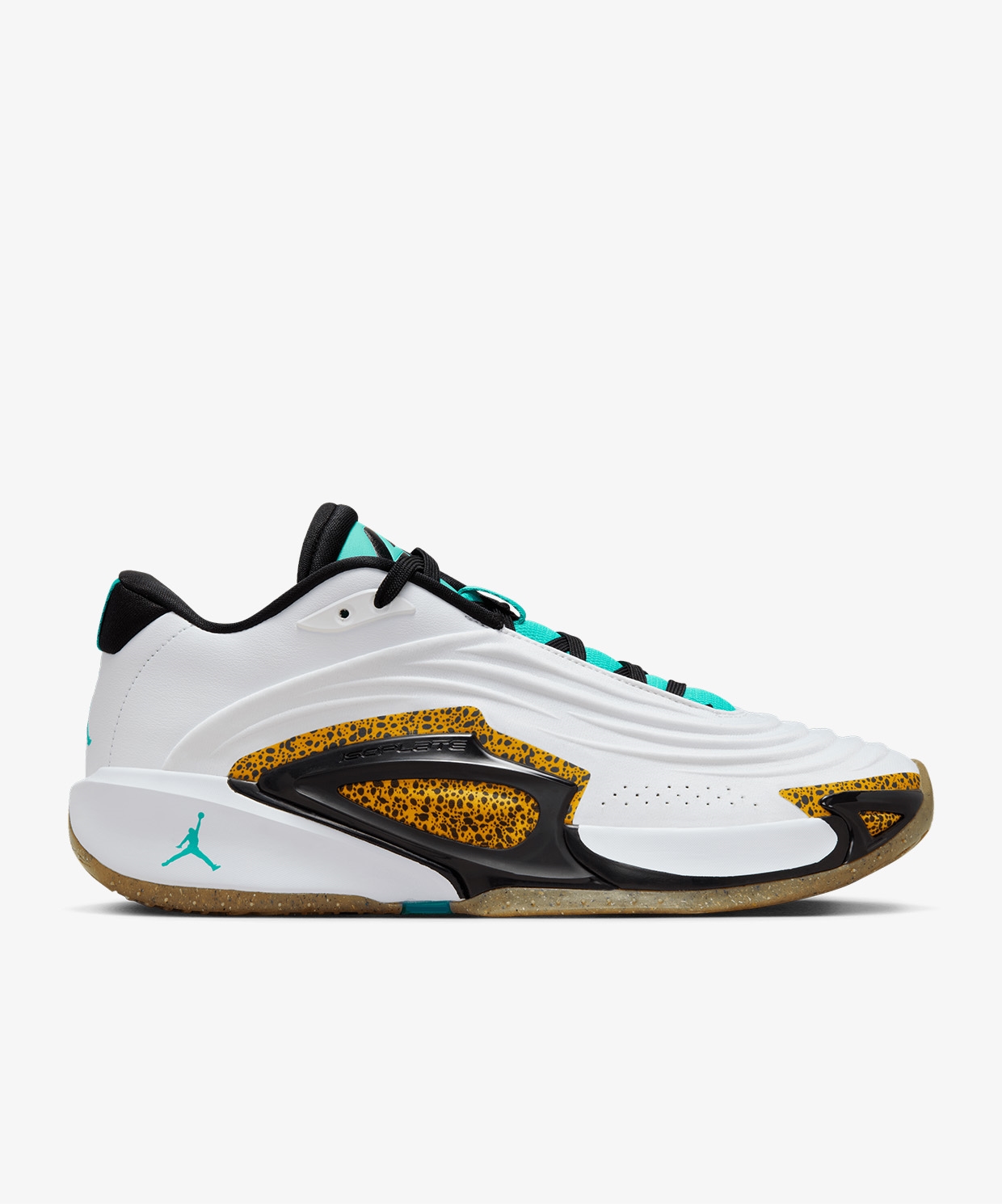
Jordan Luka 3
Runs true to size; versatile for technical guards.
The Luka line is built around Luka Doncic's deliberate, footwork-heavy game, and the outsole is tuned for stability and reliable grip on the constant pivots, step-backs, and direction changes that define it. The traction pattern bites well in all directions and the wide, stable base gives a planted, controlled feel that suits players who change pace and direction more than they explode. The cushioning is balanced and supportive. It's a versatile build that grips reliably on clean courts and feels secure during the slower, more technical movements where many shoes lose their footing.
Pros
- ✓Reliable multidirectional grip for pivots and step-backs
- ✓Wide stable base gives a planted, controlled feel
- ✓Balanced, supportive cushioning
- ✓Versatile for technical, footwork-heavy guards
Cons
- ✗Less explosive than lighter guard shoes
- ✗Indoor-tuned compound
- ✗Heavier than minimal low-tops
Which one is right for you?
Best Overall Traction
Nike Kd Trey 5 Xi
Full herringbone outsole with elite clean-court bite at a sensible price.
Best for Sharp Cuts
Adidas Trae Young 3
Aggressive multidirectional grip built for crossovers and change-of-direction guards.
Best Outdoor-Durable Traction
Nike Cosmic Unity 3
A harder, thicker outsole whose grip survives abrasive outdoor concrete.
Best Clean-Court Grip
Under Armour Curry Flow 11
The UA Flow outsole offers some of the grippiest, lightest clean-court traction available.
Best Balanced Traction
Jordan Luka 3
Reliable multidirectional grip and a stable base for technical, footwork-heavy play.
How to Judge Basketball Shoe Traction
Traction comes down to outsole pattern, rubber compound, and the surface you play on. The best indoor traction shoe can be the worst choice for an outdoor court.
Bottom line
For the best all-around traction on clean hardwood, the KD Trey 5 XI delivers elite herringbone bite at a sensible price. Guards who want the grippiest multidirectional pattern for sharp cuts should look at the Trae Young 3. If you play outdoors, the Cosmic Unity 3 with its more durable outsole is the pick that survives concrete. Whatever you choose, the highest-impact traction habit is free: wipe the outsole and keep the court clean — even elite traction skids on dust.