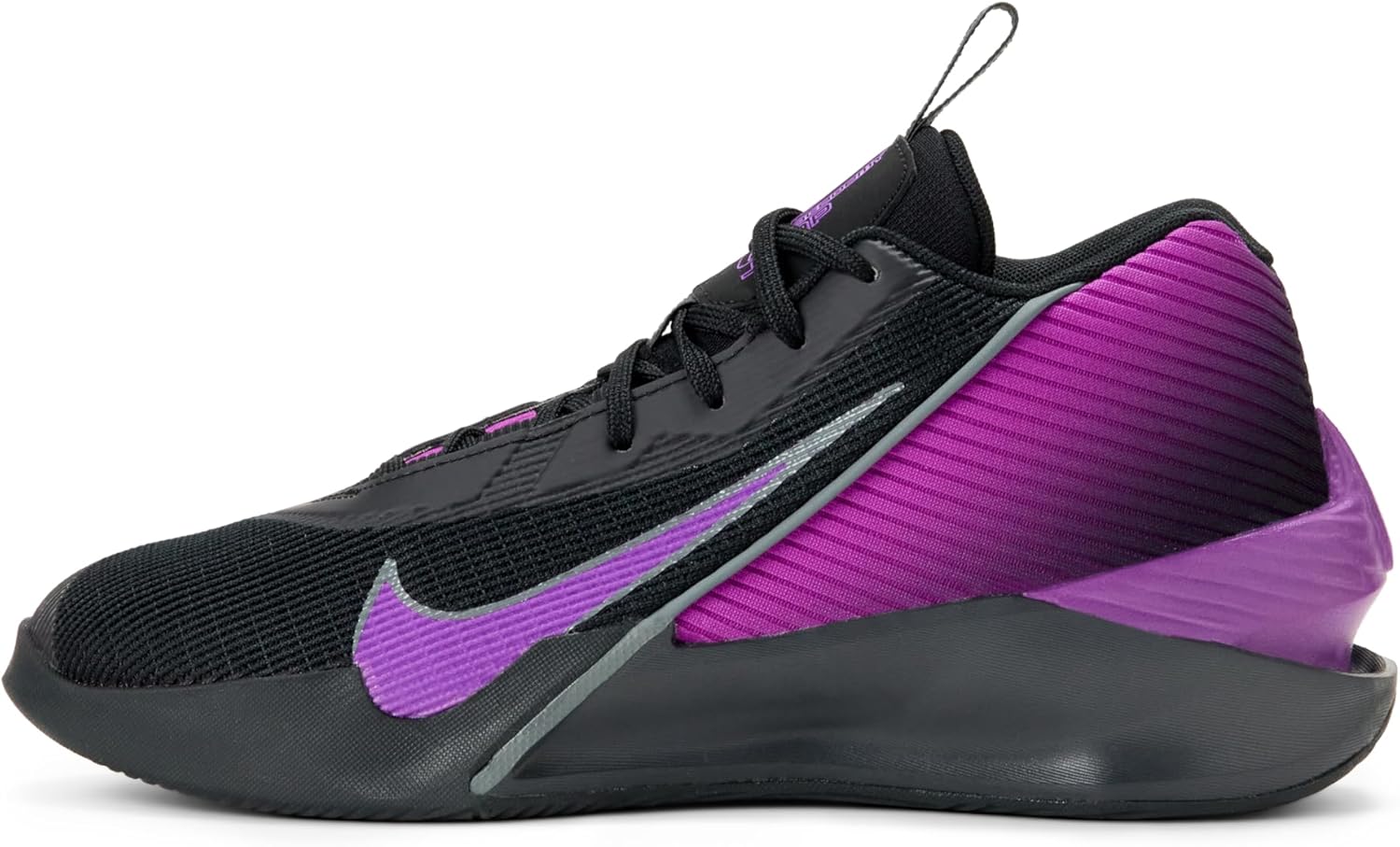
Best Basketball Shoes for Ankle Support 2026
If you've rolled an ankle before, you don't choose a basketball shoe the way most lists tell you to. Cushioning and traction matter, but for you the deciding factors are collar height, lateral wall stiffness, the width of the base under your foot, and whether the lacing actually locks the heel down. A shoe can have elite traction and still let your ankle roll on a bad landing. We picked five shoes specifically for ankle support and stability — high-tops and supportive mid-tops — and compared them on the things that keep your ankle where it should be.
Each shoe was evaluated specifically for ankle support: collar height and structure, heel lockdown, base width, torsional rigidity, and fit security — alongside the standard criteria of cushioning, traction, durability, and value. We weighted support structure and lockdown highest because that is the deciding factor for players choosing a shoe to protect a vulnerable ankle.
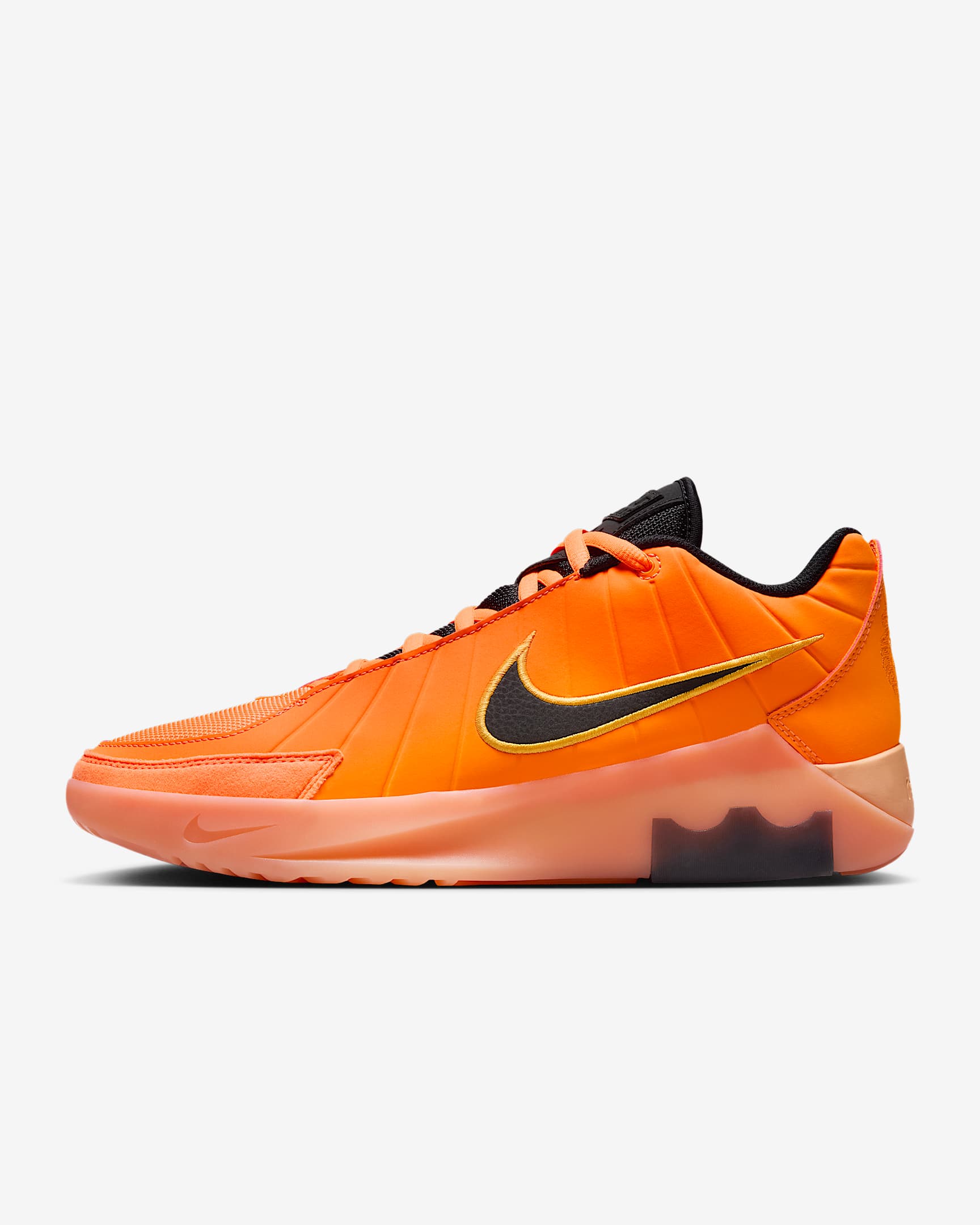
Nike Lebron Witness 9
Best Overall for Ankle Support: The LeBron Witness 9 is the value entry into the LeBron support philosophy — a wide, stable base and a supportive mid-to-high collar built for players who want cushioning and lockdown without the signature price. The Cushlon and Zoom Air setup absorbs landing impact while the broad outsole gives the foot a stable platform that resists rolling on awkward landings.
Top picks ↓Top picks
Related articles


Nike Lebron Witness 9
Nike sizing runs narrow; wide feet should try a half size up or check width options.
The LeBron Witness 9 is the value entry into the LeBron support philosophy — a wide, stable base and a supportive mid-to-high collar built for players who want cushioning and lockdown without the signature price. The Cushlon and Zoom Air setup absorbs landing impact while the broad outsole gives the foot a stable platform that resists rolling on awkward landings. The heel counter is firm and the midfoot holds well with a snug lace, so the foot stays planted rather than sliding inside the shoe. It is on the heavier side and the collar restricts some mobility — exactly the trade-off support-first players are looking for. For most recreational and competitive players who put ankle protection first, this is the pick.
Pros
- ✓Wide stable base resists rolling on awkward landings
- ✓Firm heel counter and supportive mid-to-high collar
- ✓Cushlon + Zoom Air cushioning handles landing impact
- ✓Strong value relative to signature support shoes
Cons
- ✗Heavier than guard-oriented shoes
- ✗Collar restricts some ankle mobility
- ✗Nike fit runs narrow — wide feet should size carefully
| Item weight | 15.1 oz (428 g) |
| Collar height | low top |
| Cushioning | Full-length Nike ReactX foam midsole |
| Upper material | Textile/synthetic (ballistic nylon, synthetic leather, textile) |
| Closure | lace-up |
| Use type | basketball |
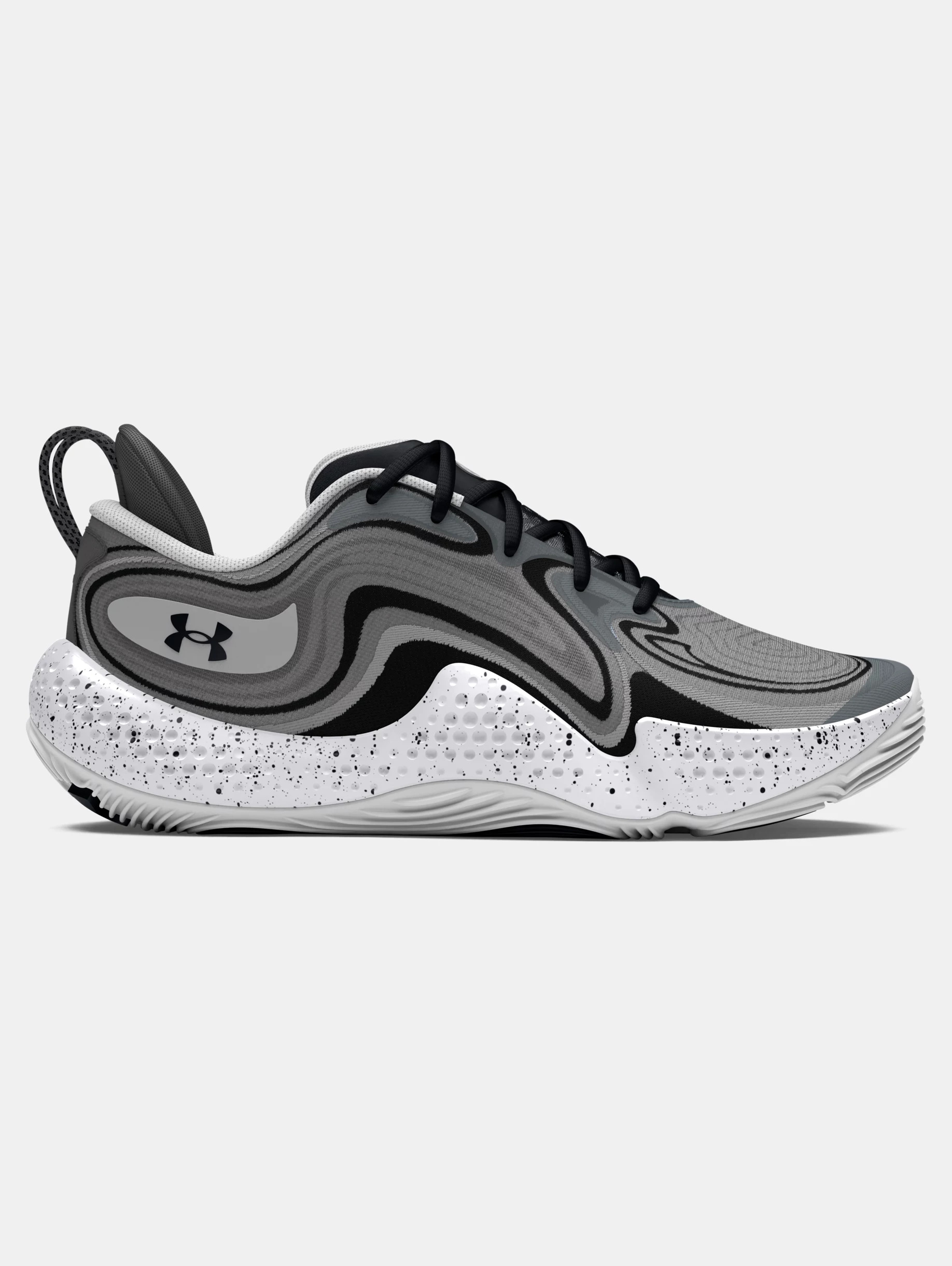
Under Armour Spawn 6
Under Armour fit accommodates wider feet better than most signature lines.
The Spawn line is Under Armour's value performance shoe, and the high-top build makes the Spawn 6 a standout for players who want genuine collar support without spending signature money. The internal midfoot construction and high collar wrap the ankle, and UA's fit tends to accommodate wider feet better than Nike or Adidas signature lines. The Micro G or HOVR-style cushioning is firmer and more court-feel oriented than plush — good for players who want stability and ground connection over softness. Traction is solid on clean hardwood. The trade-offs are a slightly stiffer feel out of the box and less plush cushioning, but for budget-conscious players who need a true high-top, the Spawn 6 delivers the support where it counts.
Pros
- ✓True high-top collar at a budget price
- ✓Roomier fit accommodates wider feet
- ✓Firm, stable cushioning with good court feel
- ✓Solid herringbone-style traction on clean hardwood
Cons
- ✗Stiffer out of the box — needs a session or two
- ✗Cushioning is firm, not plush
- ✗Fewer colorway options than premium lines
| Item weight | 13.7 oz |
| Collar height | mid top |
| Cushioning | UA Micro G midsole |
| Upper material | Engineered woven mesh with TPU skin overlays |
| Closure | lace-up |
| Use type | basketball |

Adidas Dame Certified 2
Adidas signature fit runs narrow through the midfoot.
The Dame line is built for a quick, shifty guard, and the Certified version brings that performance to a more accessible price. As a supportive mid-top, the Dame Certified 2 is the best pick for players who want meaningful ankle support without sacrificing the quickness a low-top high-top trade-off usually costs. The Bounce cushioning is responsive rather than soft, keeping you close to the court for lateral cuts, and the mid collar plus a secure midfoot lockdown protect the ankle through hard direction changes. It is less protective than a true high-top, so players with serious sprain history may want more, but for the player balancing support and speed, this is the sweet spot.
Pros
- ✓Supportive mid collar without killing quickness
- ✓Responsive Bounce cushioning keeps you close to the court
- ✓Secure midfoot lockdown for hard cuts
- ✓Accessible price for the performance level
Cons
- ✗Less protective than a true high-top
- ✗Firmer ride won't suit players who want plush cushioning
- ✗Adidas signature fit runs narrow
| Collar height | low top |
| Cushioning | Bounce foam midsole with internal shank plate |
| Upper material | Synthetic leather with synthetic/textile overlays |
| Closure | lace-up |
| Use type | basketball |
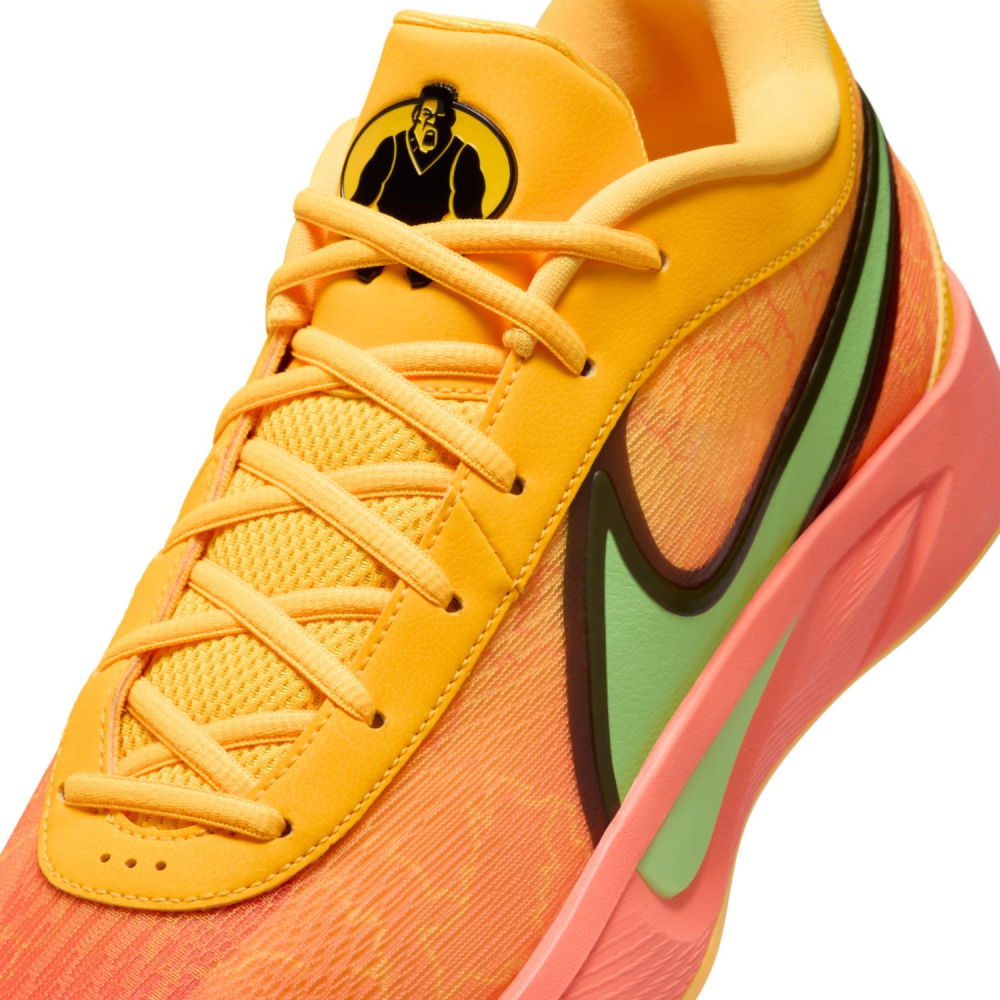
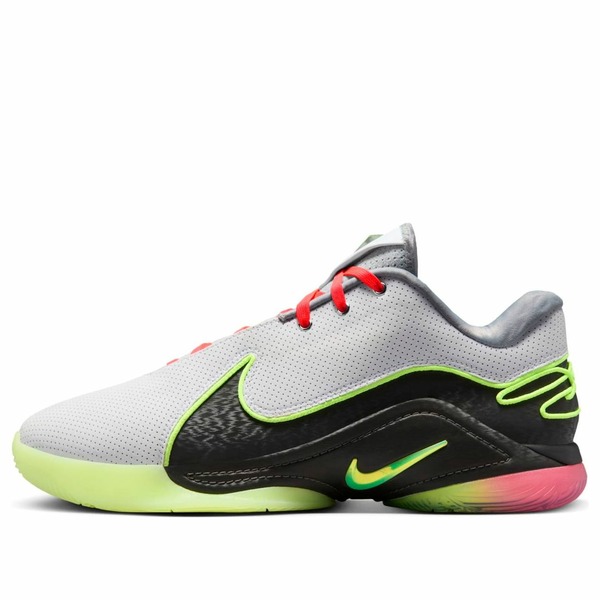
Nike Zoom Freak 6
Runs slightly large; consider a half size down for a locked-in fit.
The Zoom Freak line is built around Giannis Antetokounmpo's game — explosive, physical, multidirectional — and that makes the Freak 6 a strong support option for wings and forwards who land hard and play through contact. The supportive midfoot, wide forefoot, and Zoom Air forefoot cushioning give a stable, planted feel suited to players who attack the rim and absorb landing impact. The collar is a structured mid that supports without fully locking out mobility. It's less ideal for pure speed guards who want a lower, lighter profile, but for the physical wing or forward who prioritizes a stable, supportive platform, the Freak 6 is a smart, well-priced choice.
Pros
- ✓Wide, stable platform suited to physical wings and forwards
- ✓Zoom Air forefoot handles landing impact
- ✓Structured mid collar supports without locking out mobility
- ✓Reasonable price for the performance
Cons
- ✗Less suited to pure speed guards
- ✗Mid collar offers less protection than a true high-top
- ✗Heavier than perimeter-focused shoes
| Item weight | 12.3 oz (349 g) |
| Collar height | low top |
| Cushioning | Cushlon 2.0 foam with forefoot Air Zoom unit |
| Upper material | Lightweight breathable monomesh |
| Closure | lace-up |
| Use type | basketball |

Puma Mb 04
True to size for most; lightweight build favors quick guards.
The MB line (LaMelo Ball's signature) is known for bold looks and surprisingly capable performance, and the MB.04 is the lightweight pick for players who want support features without the weight penalty of a heavy high-top. The Nitro foam cushioning is responsive and light, and the mid-cut collar with a secure midfoot offers a degree of ankle support that suits quick guards who normally avoid supportive shoes because they feel heavy. It will not match a true high-top for lockdown, so it is the choice for players who want the lightest shoe that still offers some structure — not for those recovering from a serious sprain. Traction is good on clean courts; outdoor durability is limited.
Pros
- ✓Lightweight while still offering mid-cut structure
- ✓Responsive Nitro foam cushioning
- ✓Good option for quick guards who avoid heavy support shoes
- ✓Strong traction on clean hardwood
Cons
- ✗Less lockdown than a true high-top — not for serious sprain history
- ✗Outdoor durability is limited
- ✗Bold styling won't suit everyone
| Item weight | 380 g (13.4 oz) |
| Collar height | mid top |
| Cushioning | NITROFOAM (nitrogen-injected foam) in EVA midsole |
| Upper material | Engineered double-layered mesh (67% textile, 33% synthetic) |
| Closure | lace-up |
| Use type | basketball |
Which one is right for you?
Best Overall for Ankle Support
Nike Lebron Witness 9
A wide, stable base, firm heel counter, and supportive collar make it the all-round support pick for most players.
Best Budget High-Top Lockdown
Under Armour Spawn 6
A true high-top collar and roomier fit at a budget price for players who want maximum collar support cheaply.
Best Mid-Top Balance
Adidas Dame Certified 2
Meaningful ankle support without giving up the quickness guards need — the support-and-speed sweet spot.
Best for Wings and Forwards
Nike Zoom Freak 6
A wide, stable platform for physical wings and forwards who land hard and play through contact.
Best Lightweight Support Option
Puma Mb 04
The lightest pick that still offers mid-cut structure — for quick guards who normally avoid heavy support shoes.
How to Choose Basketball Shoes for Ankle Support
Ankle support in a basketball shoe is not one feature — it's the combination of collar height, heel lockdown, base width, and torsional rigidity. A high collar alone does little if the heel slides inside the shoe on every cut.
Bottom line
For most players who prioritize ankle support, the LeBron Witness 9 is the top pick — a supportive, wide-based, well-cushioned shoe that locks the foot down without feeling like a brace. Players who want maximum high-top lockdown on a budget should look at the UA Spawn 6. The Dame Certified 2 is the best balanced mid-top for players who want support without giving up quickness. The one habit that matters more than any shoe: warm up the ankles and use heel-lock lacing — the best support shoe still relies on a locked-down heel.