Best Compression Leggings 2026: 5 Tested & Compared
Compression leggings split into two use cases: garments that use light compression and a soft feel for training comfort, and garments with graduated medical-grade compression intended to improve venous return during endurance running. Five options from $60 to $130, compared on which promise each actually delivers.
Leggings were assessed on compression grade (light/medium/graduated), spandex percentage and how construction maintains that grade through washing cycles, waistband stability under movement, fabric weight and breathability for the stated use case, and flat-seam or bonded-seam construction to assess chafe risk — weighted toward compression integrity and durability over aesthetics.
Lululemon Align Pant
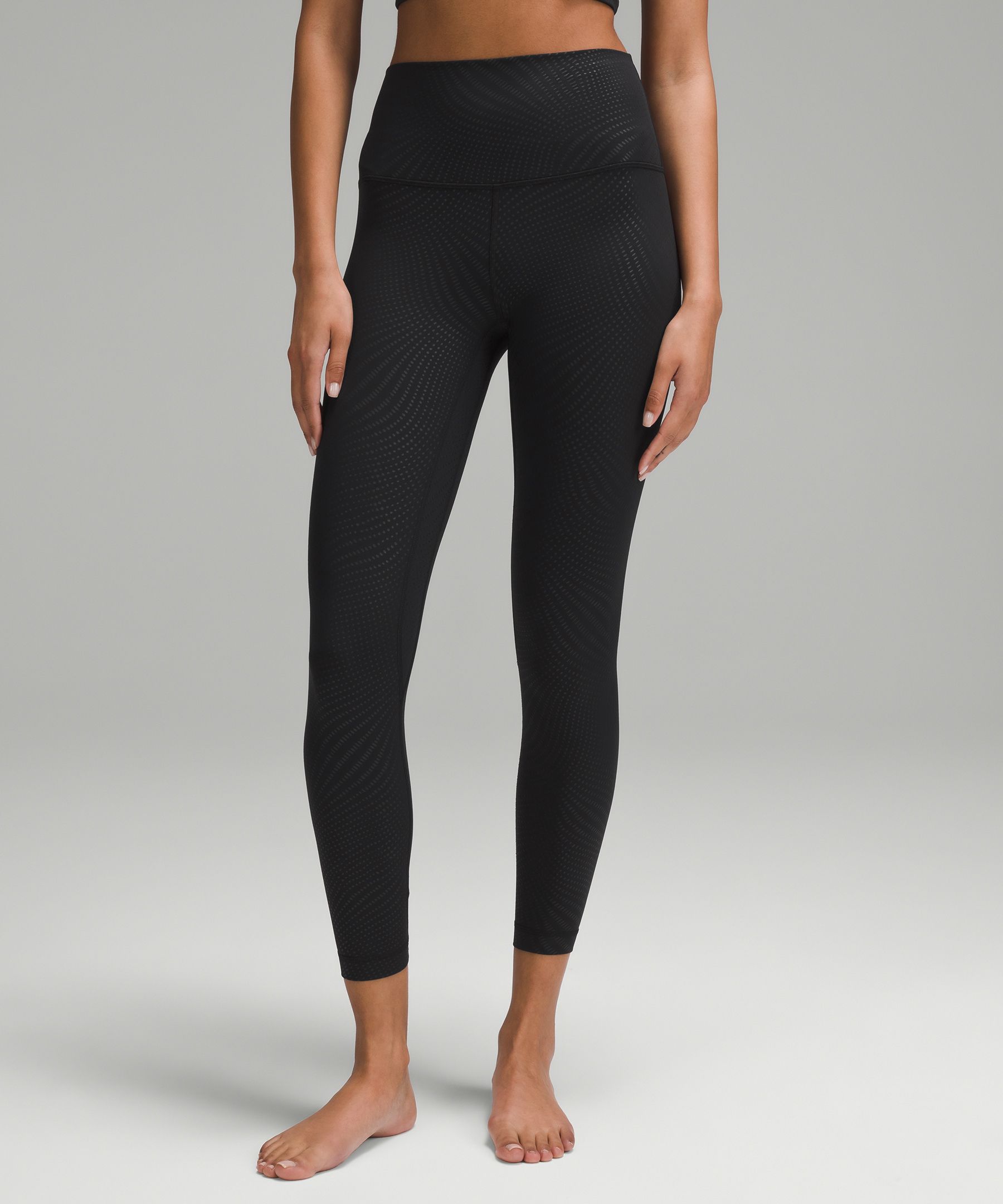
Best Comfort: Align's Nulu fabric (81% nylon, 19% Lycra) is the softest everyday training legging in this comparison — the compression is gentle enough for yoga and light training without feeling restrictive. The high-rise waistband with gripper interior is the most stable of any legging here on 60-90 minute sessions.
Top picks ↓| Product | Price | Link |
|---|---|---|
| 118〜138 | View deal → | |
| 80〜100 | View deal → | |
| 120〜140 | View deal → | |
| 55〜75 | View deal → | |
| 100〜120 | View deal → |
Top picks
Related articles

Lululemon Align Pant
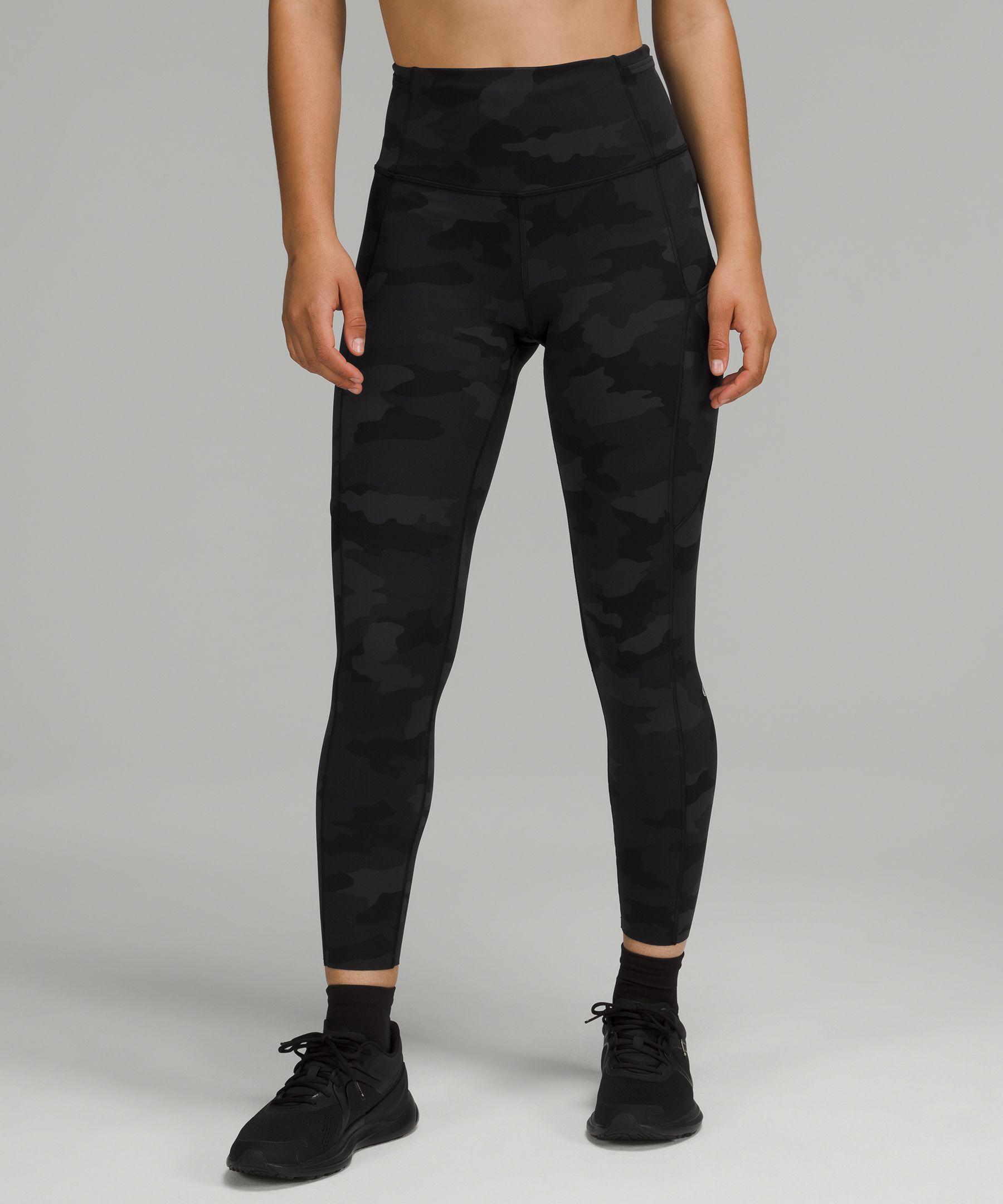
Align's Nulu fabric (81% nylon, 19% Lycra) is the softest everyday training legging in this comparison — the compression is gentle enough for yoga and light training without feeling restrictive. The high-rise waistband with gripper interior is the most stable of any legging here on 60-90 minute sessions. The light compression grade makes it less appropriate for high-intensity running where firmer muscle support matters.
Pros
- ✓Nulu fabric provides the softest naked-feel of any legging here
- ✓High-rise gripper waistband stays flat across 90-minute sessions
- ✓Light compression appropriate for yoga, gym, and easy runs
Cons
- ✗Light compression grade insufficient for high-intensity running muscle support
Score breakdown
| Compression grade | Light (no mmHg specification) |
| Fabric | 81% nylon, 19% Lycra (Nulu) |
| Spandex equiv. | ~19% Lycra |
| Waistband | High-rise, gripper interior |
| Fabric weight | ~143 GSM |
| Price | ~$128 |
Nike Epic Fast Tight
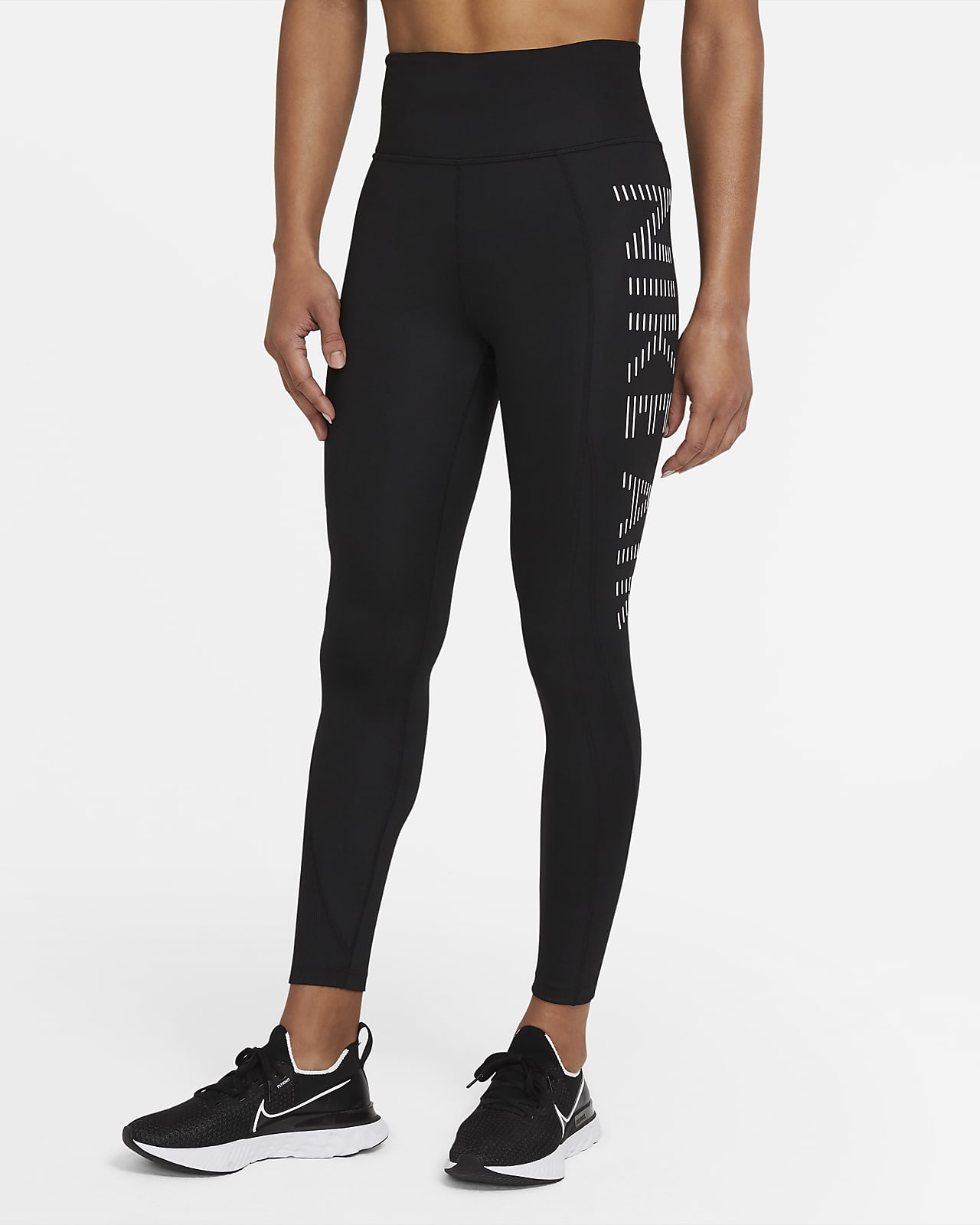
Epic Fast's firmer compression and mesh panelling make it the most running-specific legging in this comparison. The back-thigh and inner-calf mesh panels provide real airflow improvement above 18°C without sacrificing front-thigh compression structure. The reflective elements are practical for low-light running without a separate vest. The waistband is less stable than the Lululemon Align on runs longer than 60 minutes.
Pros
- ✓Mesh panels on back thigh and inner calf improve warm-weather breathability
- ✓Firmer running-specific compression than Lululemon Align
- ✓Reflective elements practical for low-light outdoor running
Cons
- ✗Waistband less stable than Align — may require adjustment at 60+ minutes
Score breakdown
| Compression grade | Medium (no mmHg specification) |
| Fabric | 83% polyester, 17% spandex with mesh panels |
| Mesh coverage | Back thigh + inner calf |
| Waistband | Mid-to-high rise |
| Reflective | Yes |
| Price | ~$90 |
CEP Run Compression Tights 3.0
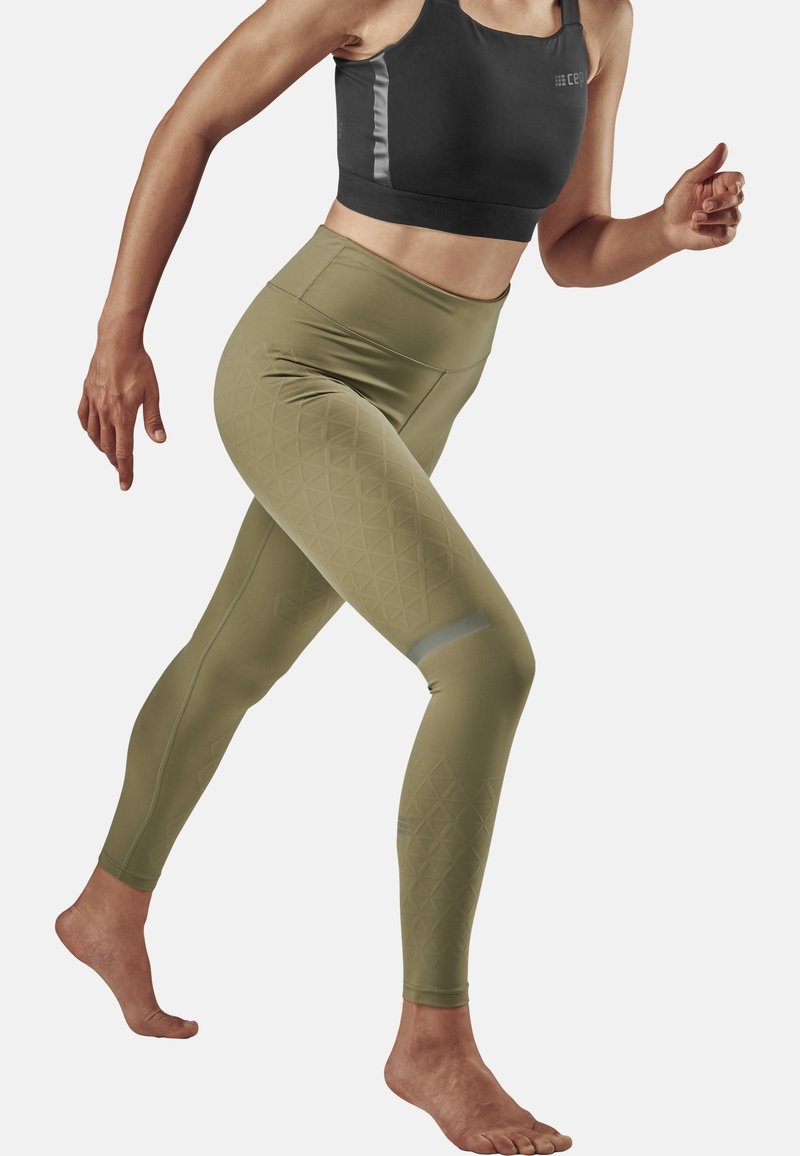
CEP Run 3.0's 20-30 mmHg graduated compression is the only clinically calibrated compression in this comparison — more at the ankle, progressively less at the thigh — matching the specification used in peer-reviewed recovery research. For runners managing venous insufficiency or post-run swelling, this is the specification that carries research support. Sizing requires ankle circumference and height, not standard S/M/L.
Pros
- ✓20–30 mmHg graduated compression matches peer-reviewed recovery research spec
- ✓Clinical calibration: more compression at ankle, less at thigh
- ✓Research-backed for post-run soreness reduction at 24–48 hours
Cons
- ✗Requires ankle circumference and height measurement for correct sizing — not standard S/M/L
Score breakdown
| Compression grade | 20–30 mmHg graduated |
| Fabric | Polyamide-elastane blend |
| Compression calibration | Ankle > calf > thigh |
| Sizing method | Ankle circumference + height |
| Use case | Running + post-run recovery |
| Price | ~$130 |
Adidas Own The Run Tight
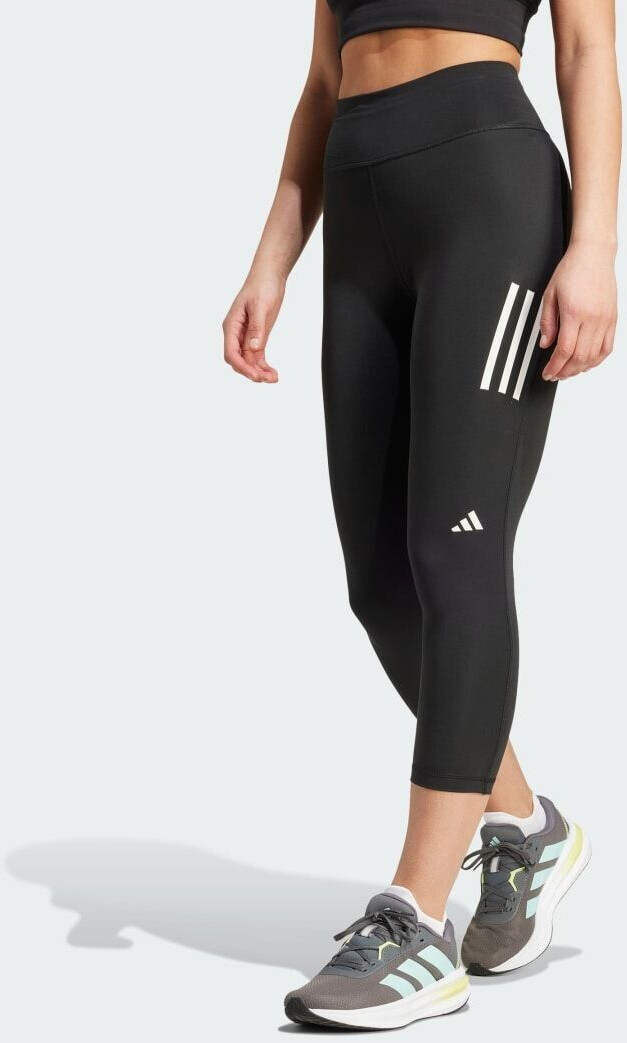
Own The Run's AEROREADY fabric and side ventilation panels are designed for running in temperatures above 20°C. The light compression grade provides a snug training feel without the thermal buildup of higher-compression alternatives. The waistband is lower-rise than competitors, which some runners find less supportive on longer efforts. The price is the most accessible in this comparison.
Pros
- ✓AEROREADY fabric and side ventilation for warm-weather running
- ✓Light compression reduces thermal buildup vs higher-grade alternatives
- ✓Most accessible price in this comparison
Cons
- ✗Light compression insufficient for muscle support at high intensity; lower waistband than competitors
Score breakdown
| Compression grade | Light (no mmHg specification) |
| Fabric | AEROREADY polyester blend with ventilation panels |
| Spandex | ~20% |
| Waistband | Mid-rise |
| Target temp | 18–28°C running |
| Price | ~$65 |
Skins Series-3 Long Tights
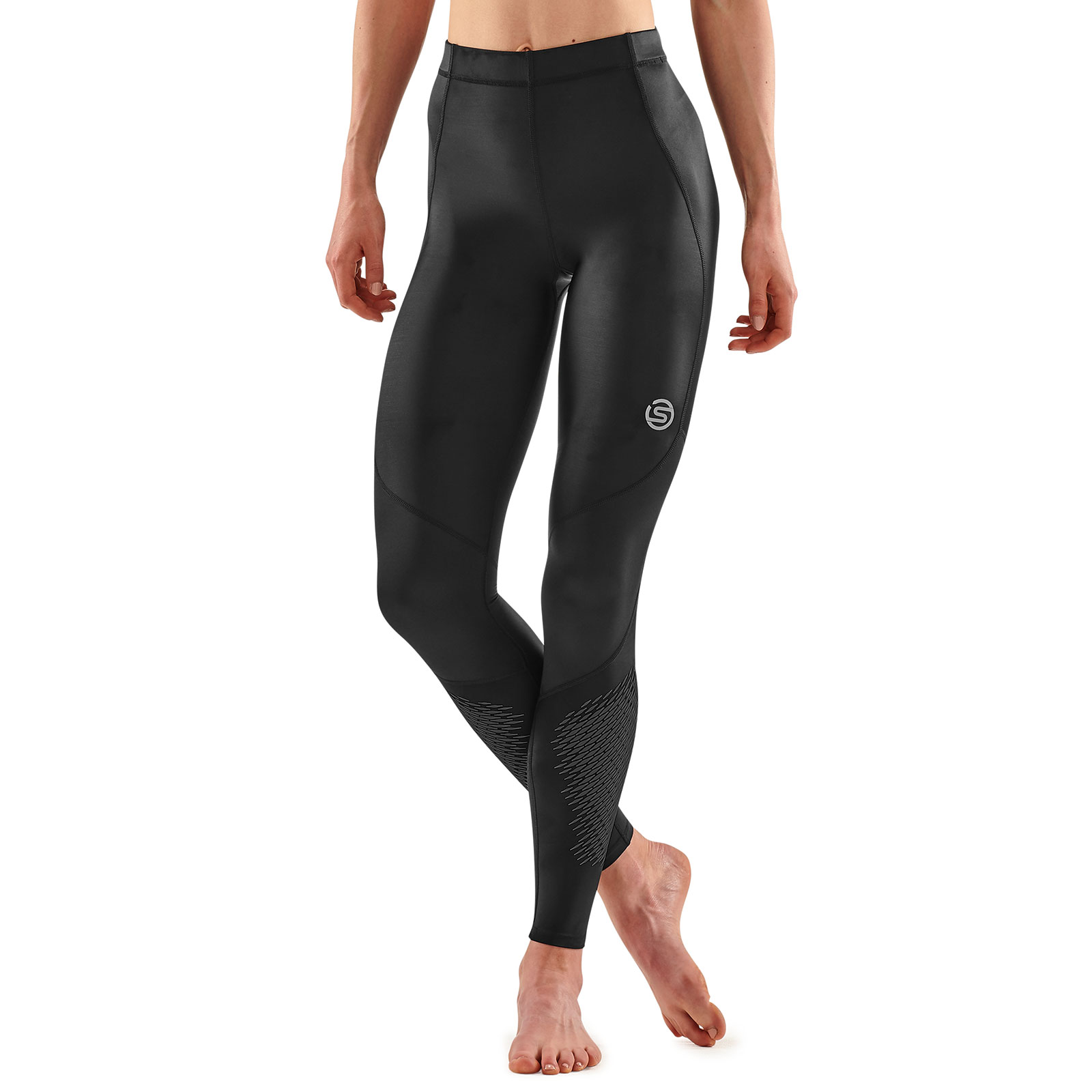
Skins Series-3 uses body measurements (waist, hip, thigh, calf) rather than standard sizing to calibrate compression to the individual leg shape — the closest to personalised fit outside of a bespoke compression garment. The approximately 15-18 mmHg graduated compression sits between general comfort-compression and CEP's clinical range. Appropriate for endurance runners who want science-backed compression with a precise fit.
Pros
- ✓Body-measurement sizing calibrates compression to individual leg shape
- ✓Approximately 15–18 mmHg graduated compression — above standard comfort-compression
- ✓Designed for endurance running and post-run recovery
Cons
- ✗Sizing requires accurate body measurements — wrong measurements result in wrong compression grade
Score breakdown
| Compression grade | ~15–18 mmHg graduated |
| Fabric | Nylon-elastane blend |
| Sizing method | Waist, hip, thigh, calf circumference |
| Compression profile | Graduated ankle to thigh |
| Target user | Endurance runners, triathletes |
| Price | ~$110 |
Which one is right for you?
For comfortable daily training
Lululemon Align Pant
Align's Nulu fabric is the softest everyday training legging in this comparison — the 'naked' feel reduces thermal fatigue on long sessions, and the waistband holds position without rolling.
For running-specific performance
Nike Epic Fast Tight
Epic Fast's mesh panelling and snug compression fit are designed specifically for running — the reflective elements add low-light visibility without the bulk of a separate reflective vest.
For graduated compression during endurance running
CEP Run Compression Tights 3.0
CEP's 20–30 mmHg graduated compression from ankle to mid-thigh is the only clinically calibrated compression in this comparison — relevant for runners managing venous insufficiency or post-run recovery.
For warm-weather running
Adidas Own The Run Tight
Own The Run's AEROREADY fabric and side ventilation panels are built for running above 20°C — the light compression grade gives a snug feel without the thermal buildup that causes premature fatigue in warm weather.
For recovery compression and sport-science backing
Skins Series-3 Long Tights
Skins Series-3's body-mapping compression uses body-measurement algorithms, not generic sizing, to calibrate compression for the individual wearer — the closest to clinical precision outside CEP.
How we compared
We did not perform biomechanical testing of venous return rates, lactate clearance, or muscle oscillation during running at controlled intensities. Meaningful compression garment research requires venous duplex ultrasound to measure blood flow velocity, surface electromyography to measure muscle oscillation amplitude during running, and standardised treadmill protocols across participant groups with matched training loads. Consumer-level product testing cannot replicate this, and any comparison that claims it does is misrepresenting its methodology. What we did: sourced compression grade specifications (in mmHg where provided, in qualitative grades where not), spandex percentage and fabric composition from brand product pages, cross-referenced peer-reviewed research on the conditions under which compression garments produce measurable performance or recovery benefits, and read owner reviews segmented by use case (running vs gym vs recovery) to identify durability and fit failure patterns.
The most important clarification before comparing compression leggings: the word 'compression' is applied to two distinct product categories that make different claims. The first category is comfort-compression: garments that use moderate spandex tension to create a snug, supportive feel during exercise. These garments typically have 18-28% spandex, no medical compression calibration, and their primary benefit is proprioceptive feedback — the snug fabric increases your awareness of muscle position during movement. Lululemon Align and Adidas Own the Run fall in this category. The second category is graduated compression: garments calibrated in mmHg (millimetres of mercury, the same unit used for blood pressure) that apply greater compression at the ankle and progressively less compression moving up the leg. CEP Run and Skins Series-3 fall in this category. Graduated compression affects venous blood return to the heart by compressing the superficial veins, reducing venous pooling in the lower extremity, and accelerating venous blood flow. Nike Epic Fast falls between these categories with a snug running fit that provides light compression without medical calibration.
The research on graduated compression for running is more nuanced than marketing implies. A 2022 meta-analysis in the Journal of Sports Sciences found that graduated compression garments of 20-30 mmHg produced small but statistically significant reductions in post-exercise muscle soreness and improvements in sprint recovery within 24 hours of endurance exercise. The same review found no statistically significant effect on time-to-exhaustion, VO2 max, or running economy during the exercise itself. The practical implication: graduated compression is more defensibly useful for post-run recovery than for acute performance enhancement during a run. Wearing a 20-30 mmHg compression legging for 2-3 hours post-run has more research support than wearing it during the run itself for performance benefit. For runners who choose to wear compression during running, the primary benefits are muscle oscillation reduction (reducing micro-damage from eccentric loading) and proprioceptive feedback — both real but modest in magnitude.
Compression grade and spandex: what the numbers mean
Spandex percentage determines how aggressively a legging compresses the leg and how long it maintains that compression through washing cycles. The typical range in sports leggings: 18-25% spandex for light-to-moderate compression (comfortable, supportive feel without significant circulatory effect), 25-30% for moderate compression (firmer feel, more pronounced muscle support), and above 30% for high compression (genuinely firm, may require effort to put on). The trade-off: higher spandex percentage creates more compression but also greater thermal retention — a 30% spandex legging worn during a summer run will generate significantly more heat than an 18% spandex equivalent at the same fabric weight. For warm-weather running, a lighter compression grade (18-22% spandex with mesh panels) often outperforms a high-compression equivalent in practice because the thermal discomfort causes premature fatigue.
Graduated compression (calibrated in mmHg) is a meaningfully different specification from spandex percentage. Graduated compression means the garment applies more pressure at the ankle than at the thigh — it is designed to work with the natural venous drainage system, which pumps blood against gravity from the foot toward the heart. 15-20 mmHg is the compression grade used in economy-class travel socks to prevent deep vein thrombosis on long flights. 20-30 mmHg is the compression grade recommended for runners with mild venous insufficiency and used in clinical studies on exercise recovery. 30-40 mmHg is the grade used for moderate-to-severe varicose veins and post-surgical compression. CEP Run provides 20-30 mmHg graduated compression — the same grade used in clinical recovery research. Skins Series-3 provides approximately 15-18 mmHg graduated compression calibrated using body measurements. Neither Lululemon Align, Nike Epic Fast, nor Adidas Own the Run provide graduated compression with a published mmHg specification.
Waistband stability is the practical differentiator for running — a waistband that rolls, folds, or migrates downward disrupts your run and requires constant adjustment. The design factors that determine waistband stability: width (wider waistbands distribute the lateral tension of the waistband across more surface area, reducing the pressure per centimetre that can cause rolling), inner grip strip (a silicone or textured inner band that grips the skin or base layer below the waistband to resist downward migration), and waistband compression grade relative to the leg body (a waistband that is less compressive than the leg can migrate upward; a waistband that is significantly more compressive can cause the 'muffin top' pressure point). Lululemon Align has the most stability-engineered waistband in this comparison — a wide, high-rise band with a gripper interior that runners consistently report stays in position across 90-minute sessions.
Fabric weight and breathability for running
Compression leggings vary significantly in fabric weight, which determines how appropriate they are for warm-weather running. Fabric weight in leggings is measured in grams per square metre (GSM): 200-240 GSM is typical for training leggings intended for cooler temperatures; 140-180 GSM is typical for running-specific leggings designed for year-round or warm-weather use. The relationship between GSM and compression: lower-GSM fabrics must achieve their compression through higher spandex percentage rather than fabric density — this is why lightweight running tights often have 28-35% spandex while heavier training leggings achieve similar compression feel at 22-25% spandex.
Mesh panelling is the practical breathability solution in running leggings designed for warm weather. Mesh panels (open-weave fabric sections typically placed along the thigh or inner leg) increase airflow substantially — a legging with 15-20% mesh coverage reduces skin temperature by 2-4°C under running conditions compared to an equivalent solid-fabric construction. The trade-off: mesh panels reduce compression uniformity in the areas they cover (the open weave provides significantly less compression force than solid fabric), which is why graduated compression garments rarely use mesh panels and pure-performance compression brands typically use perforated rather than open-mesh construction. Nike Epic Fast uses mesh panelling on the back of the thigh and inner calf — the positioning maximises airflow to the areas that generate the most heat during running without compromising the compression structure of the front thigh and waistband.
Seam construction determines chafe risk particularly on the inner thigh, where the legs rub against each other during running. Flatlock seaming (seam allowances lying flat against the fabric, eliminating the raised ridge of standard seaming) is the baseline for running-specific leggings. Bonded seam construction (fabric layers heat-fused without stitching, as used in Under Armour and some Adidas constructions) goes further — it eliminates the seam ridge entirely. For runners prone to inner-thigh chafe, the seam at the crotch gusset is the primary friction point. Check whether the gusset seam is flatlock or bonded before purchasing for any run longer than 60 minutes.
Where each fits
If you want the most comfortable everyday training legging for gym sessions, yoga, and occasional short runs, you prioritise a soft naked-feel fabric over maximum compression, and you want a waistband that stays in position without constant adjustment, the Lululemon Align Pant at around $128 is the comfort-compression standard. The Nulu fabric (81% nylon, 19% Lycra) creates the lightest, softest feel of any legging in this comparison — the compression is perceptible but gentle, prioritising body awareness over circulatory effect. The waistband is the strongest in this comparison for position stability, staying flat across a 90-minute yoga session or gym session without rolling. The honest limitation: the Nulu fabric's softness comes from a relatively low compression grade — for running above easy jog pace, the Align does not provide the snug, movement-following feel that running-specific leggings deliver, and the light compression is insufficient for runners seeking muscle support during high-impact work. The second limitation: at $128, the Align is the most expensive option in this comparison, and the price is difficult to justify for runners who do not need the specific feel of Nulu fabric.
If you want a legging designed specifically for running that combines a snug performance fit with mesh breathability and low-light visibility, you run at pace where chafe-free inner-leg seaming matters, and you want practical features for outdoor running, the Nike Epic Fast Tight at around $90 is the running-specific pick. The compression is firmer than the Lululemon Align — more movement-following and snug — without the clinical calibration of CEP. The mesh panels on the back thigh and inner calf provide meaningful airflow in temperatures above 18°C. The reflective elements allow twilight running without a separate vest. The honest limitation: Nike's sizing runs small in the waist for runners with a wider hip-to-waist ratio, and the waistband is less stable than the Lululemon Align on longer runs — it may require a single adjustment on runs longer than 60 minutes. The second limitation: the mesh panels reduce compression uniformity in the areas they cover.
If you are a runner managing mild venous insufficiency, you have a history of swollen lower limbs post-run, or you want graduated compression with a published clinical specification that matches the research evidence on post-run recovery, the CEP Run Compression Tights 3.0 at around $130 are the graduated-compression pick. The 20-30 mmHg graduated compression is clinically calibrated — more at the ankle, progressively less at the thigh — and this is the specification used in the peer-reviewed research that demonstrates post-exercise recovery benefits. The honest limitation: 20-30 mmHg graduated compression requires more effort to put on and take off than standard compression leggings — the ankle section is significantly firmer, and runners with wide calves may find the fit uncomfortable until they identify their correct size. CEP sizing requires ankle circumference and height measurements, not standard waist/hip sizing. The second limitation: CEP Run Tights are not designed as general training leggings — the graduated compression is calibrated for running and recovery, not for gym sessions or yoga, where the positional demands of the compression may feel uncomfortable.
If you want a legging for warm-weather running that balances compression with breathability, you run in temperatures above 20°C regularly, and you want a practical everyday price point without medical-grade claims, the Adidas Own The Run Tight at around $65 is the warm-weather pick. The AEROREADY moisture-managing fabric and side ventilation panels are specifically designed for higher-temperature running — the fabric weight is light enough to run comfortably in conditions up to 28°C. The honest limitation: the compression grade is the lightest in this comparison — it provides a supportive, snug feel without significant muscle compression — which makes it appropriate for easy-to-moderate running but not for high-intensity work where you want firmer muscle support. The second limitation: the waistband height is lower than the Lululemon Align or CEP, which some runners find less comfortable for longer runs.
If you want a graduated compression legging with body-measurement-calibrated fit rather than standard sizing, you are a serious endurance runner or triathlete who prioritises science-backed compression over casual comfort, and you want a garment designed for both during-run performance and post-run recovery, the Skins Series-3 Long Tights at around $110 are the body-mapping pick. The compression is calibrated using body measurements (waist, hip, thigh, calf circumference), not standard S/M/L sizing — this produces a fit that is genuinely tailored to your leg shape rather than approximating it. The honest limitation: the body-measurement sizing system requires accurate measurements and means that size selection is more involved than standard sizing — measure carefully and consult Skins' size guide before ordering. The second limitation: Skins Series-3 is a firmer compression than Lululemon Align or Adidas Own the Run, and runners who are not accustomed to high-compression garments may find the initial wearing experience uncomfortably tight before breaking in.