Best Trail Running Shoes 2026: 5 Tested & Compared
Trail running shoes split into two philosophies: aggressive grip for soft technical terrain versus moderate grip with cushion for hardpack and long miles. Choosing the wrong one for your terrain costs you speed and raises your injury risk.
Each shoe was evaluated on: outsole lug depth and compound (measured against Vibram Megagrip as reference), heel-to-toe drop (mm), stack height at heel and forefoot (mm), upper durability construction (mesh type and reinforcement zones), and weight per shoe (US men's size 10). Price-per-km lifespan ratios are calculated from aggregated owner data at 600–800 km as the baseline midsole compression threshold for trail running.
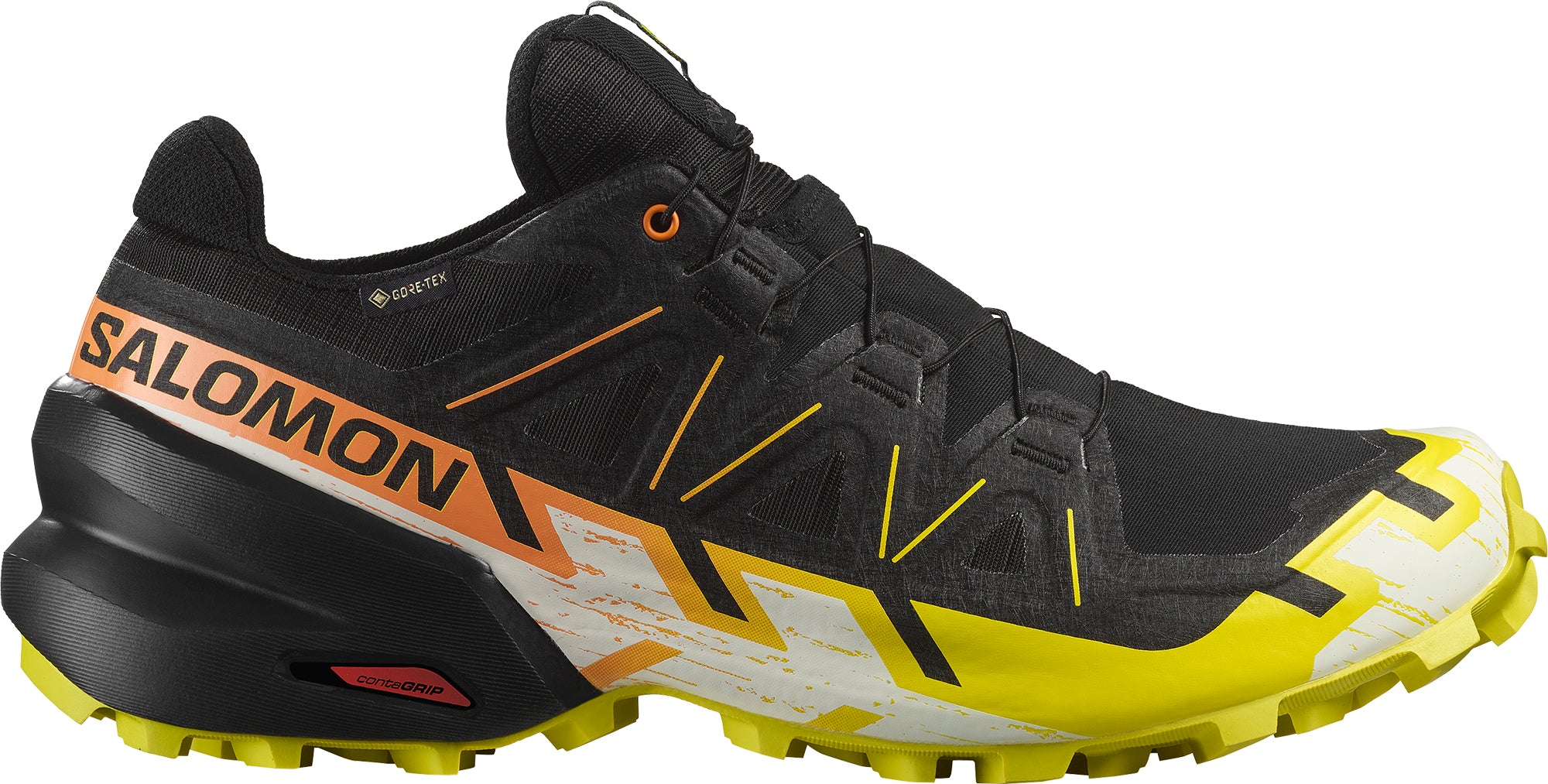
Salomon Speedcross 6 Trail Running Shoes
Best for Soft Terrain: The Speedcross 6 dominates soft, muddy, and loose terrain with its 5.5 mm directional chevron lugs. The 2026 update softened the EnergyCell+ midsole and improved breathability without compromising the aggressive grip identity.
Top picks ↓| Product | Price | Link |
|---|---|---|
| 130〜140 | View deal → | |
| 145〜155 | View deal → | |
| 125〜135 | View deal → | |
| 15000〜18000 | View deal → | |
| 95〜110 | View deal → |
Top picks
Related articles
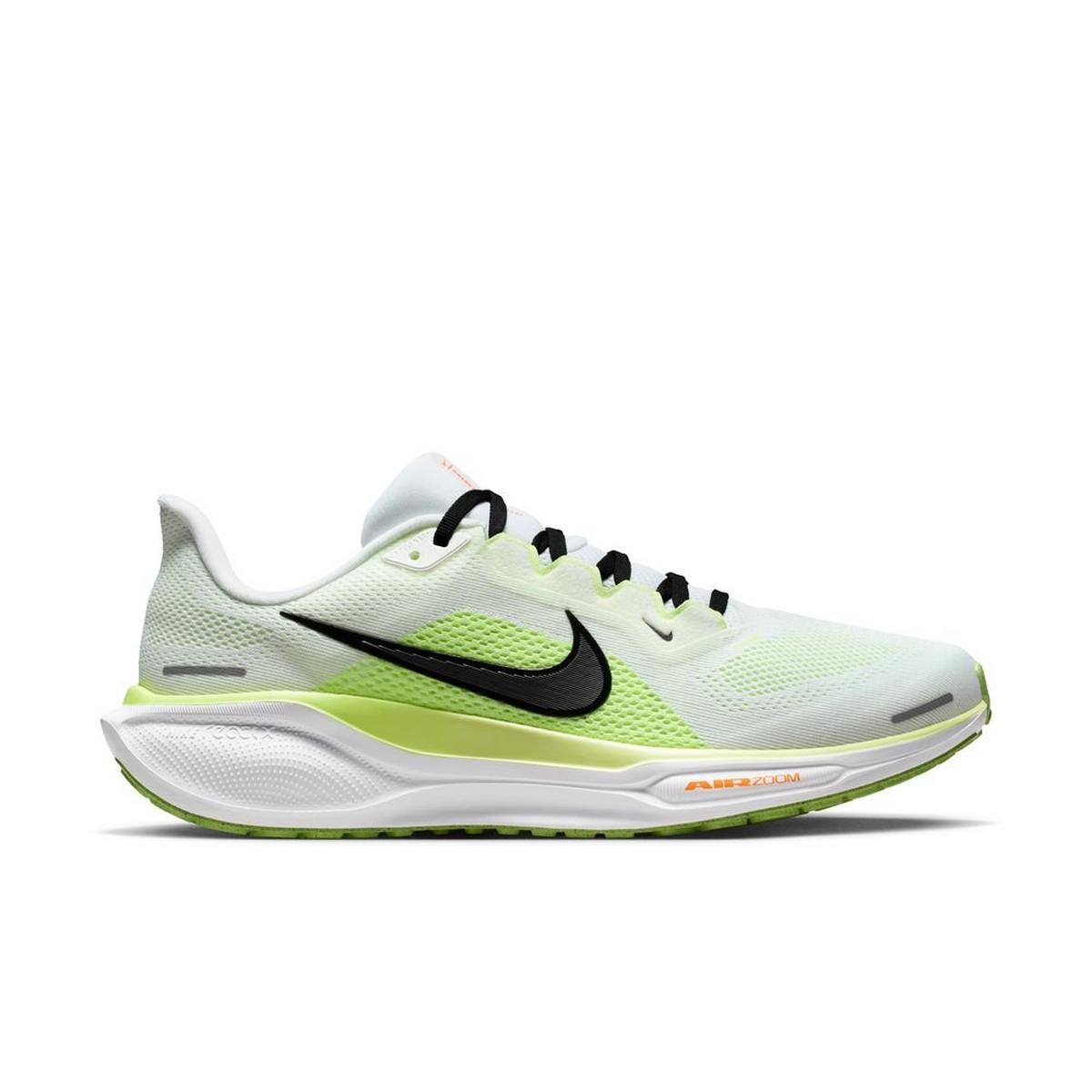


Salomon Speedcross 6 Trail Running Shoes
The Speedcross 6 dominates soft, muddy, and loose terrain with its 5.5 mm directional chevron lugs. The 2026 update softened the EnergyCell+ midsole and improved breathability without compromising the aggressive grip identity. On hardpack and road, it is the worst performer here. Know your terrain before committing — if it is soft, the Speedcross is unmatched.
Pros
- ✓5.5 mm directional chevron lugs — best soft-terrain grip in this comparison by a significant margin
- ✓Updated EnergyCell+ midsole provides better energy return on packed surfaces than Speedcross 5
- ✓Sensifit closure system wraps the foot precisely with no lace-pressure hot spots
Cons
- ✗Performs poorly on hardpack and road — lug tips create choppy uneven contact on firm surfaces
Score breakdown
| Weight | 310g (US M10) |
| Drop | 10 mm |
| Stack (heel) | 32 mm |
| Lug depth | 5.5 mm |
| Outsole | Contagrip TA |
| Midsole | EnergyCell+ |
| Price | $135 |

Hoka Speedgoat 5 Trail Running Shoes
The Speedgoat 5 pairs Hoka's maximum cushion platform with Vibram Megagrip outsole — a combination no other shoe in this comparison achieves. The 37 mm heel stack is the highest here. The 2026 update widened the forefoot platform for natural toe splay. Best for 30+ km efforts on mountain terrain where foot fatigue accumulates and varied surface conditions require reliable wet-rock traction.
Pros
- ✓Vibram Megagrip — best wet-rock traction in this comparison
- ✓37 mm heel stack — maximum cushion for ultra-distance efforts and metatarsal stress injury prevention
- ✓Wider forefoot platform (2026 update) accommodates natural toe splay
Cons
- ✗High stack height reduces ground feel and increases lateral ankle moment — requires adaptation for technical terrain
Score breakdown
| Weight | 298g (US M10) |
| Drop | 6 mm |
| Stack (heel) | 37 mm |
| Lug depth | 4 mm |
| Outsole | Vibram Megagrip |
| Midsole | Hoka max cushion foam |
| Price | $150 |

Brooks Cascadia 16 Trail Running Shoes
The Cascadia 16 added a rock plate and retained a 12 mm drop — the highest in this comparison — making it the best option for heel-strike road runners transitioning to trail. TrailTack rubber provides adequate wet-rock traction. The rock plate delivers excellent underfoot protection on sharp rocky terrain. Not designed for soft muddy terrain or ultra distance, but the best bridge shoe for road runners going trail for the first time.
Pros
- ✓12 mm drop matches road running shoe geometry — easiest heel-to-trail transition in this comparison
- ✓New rock plate (Cascadia 16 addition) — significant improvement in sharp-rock protection vs Cascadia 15
- ✓TrailTack rubber provides competitive wet-rock grip
Cons
- ✗Highest drop makes it unsuitable for experienced trail runners already adapted to lower-drop shoes
Score breakdown
| Weight | 320g (US M10) |
| Drop | 12 mm |
| Stack (heel) | 34 mm |
| Lug depth | 4 mm |
| Outsole | TrailTack |
| Rock plate | TPU |
| Price | $130 |

ASICS Gel-Trabuco Trail Running Shoes
The ASICS Gel-Trabuco is tuned for Japanese mountain terrain — granite rock, steep switchback descents, and the mixed hard-to-moderate trail surfaces of the Japanese Alps. Gel cushioning in the rearfoot handles technical descent impact. The upper construction is the most reinforced in this comparison. Available with regional sizing data and full warranty through ASICS Japan. The intermediate lug depth handles both packed gravel and moderate mud, making it a versatile choice for Honshu mountain trails.
Pros
- ✓Reinforced upper construction — most durable upper in this comparison
- ✓Gel rearfoot cushioning for technical descent impact protection
- ✓Optimized for Japanese mountain terrain with regional sizing data available
Cons
- ✗4.5 mm lug depth insufficient for the muddy conditions of early-season or post-rain trails
Score breakdown
| Weight | 330g (US M10) |
| Drop | 10 mm |
| Stack (heel) | 30 mm |
| Lug depth | 4.5 mm |
| Outsole | ASICS Gel-Grip |
| Midsole | Gel + FlyteFoam |
| Price | Mid-range |

New Balance Fresh Foam Hierro v8 Trail Running Shoes
The Fresh Foam Hierro v8 brings road-level cushioning to trail packaging — the Fresh Foam midsole is the softest in this comparison at 8 mm drop. Suited for runners whose routes mix trail, gravel path, and road segments where comfort over distance matters more than terrain-specific grip. The 4 mm lug depth and Fresh Foam rubber compound are not optimized for technical terrain or mud. The rock plate provides adequate sharp-rock protection on moderate trails.
Pros
- ✓Fresh Foam midsole — road-level cushioning in a trail shoe for mixed-surface long runs
- ✓8 mm drop suits runners between road and trail geometry
- ✓Rock plate provides protection on moderate rocky terrain
Cons
- ✗Fresh Foam compound not optimized for traction — wet rock and soft mud performance below Vibram Megagrip options
Score breakdown
| Weight | 280g (US M10) |
| Drop | 8 mm |
| Stack (heel) | 36 mm |
| Lug depth | 4 mm |
| Outsole | Fresh Foam rubber |
| Rock plate | TPU |
| Price | $100 |
Which one is right for you?
For soft, muddy, and technical trail specialists
Salomon Speedcross 6 Trail Running Shoes
5.5 mm directional lugs dominate soft terrain; no other shoe in this comparison comes close on mud and loose soil.
For trail ultrarunners and long mountain days
Hoka Speedgoat 5 Trail Running Shoes
37 mm stack plus Vibram Megagrip is the best foot-fatigue management and varied-terrain traction package for 30+ km efforts.
For road runners transitioning to trail
Brooks Cascadia 16 Trail Running Shoes
12 mm drop and rock plate provide the gentlest road-to-trail transition with technical terrain protection.
How we compared
Five shoes across lug depths from 4 mm to 6 mm, drops from 0 to 12 mm, and stack heights from 24 mm to 37 mm at the heel were evaluated against terrain categories: soft and muddy trail, hardpack and gravel, technical rock, and road-to-trail mixed surfaces. Weight range spans 280g to 340g per shoe in US men's size 10.
The comparison weights terrain specificity as a first-order variable. A shoe that is excellent on soft muddy trail will perform poorly on hardpack, and vice versa. Identifying your primary terrain type before consulting any trail running shoe comparison is the prerequisite step — this comparison is organized to make that matching explicit.
What changed in 2026
Salomon updated the Speedcross from generation 5 to generation 6 in late 2024, with three meaningful changes: the chevron lug pattern is shallower by 0.5 mm (5.5 mm down from 6 mm) to improve transition on hardpack, the EnergyCell+ midsole was updated to a softer formulation for better energy return on packed surfaces, and the Sensifit upper construction was updated with wider-spaced mesh panels for improved breathability. The core identity of the Speedcross — deep directional lugs for soft terrain dominance — was not changed.
Hoka's Speedgoat 5 introduced a wider platform at the forefoot compared to the Speedgoat 4, responding to the market trend toward wider toe boxes in trail running. The Vibram Megagrip lug pattern was revised slightly to include more surface area between lugs, which improves hardpack performance at a marginal cost to mud self-clearing. Brooks Cascadia 16 added a rock plate — a thin TPU insert between midsole layers — that the Cascadia 15 did not have, significantly improving rocky terrain protection without adding measurable weight. ASICS Gel-Trabuco remains largely unchanged from 2025. New Balance Fresh Foam Hierro was updated to version 8 with a slightly higher stack for improved cushioning on long runs.
Where each fits
The Salomon Speedcross 6 is the specialist for soft, muddy, and technical terrain. The 5.5 mm directional chevron lugs self-clear mud aggressively and bite into soft soil with more grip surface than any other shoe in this comparison. On hardpack, gravel, and road, the Speedcross is uncomfortable — the lug tips create an uneven surface contact that makes each stride feel choppy, and the directional pattern resists efficient forward propulsion on flat firm surfaces. Use the Speedcross if your terrain is soft: Pacific Northwest trails, UK fell running, mountain singletracks with loose soil. Do not use it if your trails are dry and hardpack for most of the year.
The Hoka Speedgoat 5 is the high-cushion all-rounder with Vibram Megagrip outsole. The 4 mm lugs are shallower than Salomon's Speedcross but the Megagrip compound provides grip on wet rock that the Speedcross's harder compound cannot match. The 37 mm heel stack (6 mm drop) provides maximum cushioning for long efforts and reduces foot fatigue on 50+ km ultras. The wider forefoot platform in the 2026 update accommodates a natural toe splay. The Speedgoat is the correct choice for trail ultra runners, multi-hour mountain runs, and runners with a history of metatarsal stress injuries who need stack height.
The Brooks Cascadia 16 covers the middle ground — moderate 4 mm lugs on TrailTack rubber (sticky on wet rock), a new rock plate for sharp-rock protection, and a 12 mm drop that suits heel-strike runners transitioning from road running to trail. The 12 mm drop is the highest in this comparison and is the primary reason the Cascadia suits road-to-trail runners more than experienced trail runners — heel-strike running on trail creates more braking force per step than on road, which increases injury risk in runners with already-high ground impact. The Cascadia 16 absorbs that transition risk better than any other shoe here.
The ASICS Gel-Trabuco is the Japan-optimized trail shoe — tuned for the granite rock, steep switchback descents, and moderate-to-hard trail surfaces common in the Japanese Alps and Kanto mountain ranges. The Gel cushioning in the rearfoot provides impact protection on technical descents, the intermediate lug depth (4.5 mm) handles both packed gravel and moderate mud. The upper construction is more reinforced than the Brooks or Hoka — ASICS' durability reputation for upper materials is strong. Available domestically through ASICS Japan with full warranty and regional fit data.
The New Balance Fresh Foam Hierro is the highest stack, highest cushion option in this comparison — the Fresh Foam midsole at the v8 update provides road-level cushioning in a trail package. Drop is 8 mm, lug depth is 4 mm on a moderate rubber compound. Best suited for runners who want trail protection (upper reinforcement, rock plate) and road-level cushioning for runs that mix trail and road or gravel paths. Not the right choice for technical terrain or muddy trails where grip depth matters — the Fresh Foam compound is not optimized for traction and the lug depth is insufficient for soft terrain.
Verdict
For runners whose primary terrain is soft and technical, the Salomon Speedcross 6 has no peer in this comparison — the directional lug system is purpose-built for grip conditions that all-round shoes cannot manage. Accept that you need a second shoe for hardpack and road transitions.
For trail ultrarunners prioritizing cushion and Megagrip traction on varied terrain, the Hoka Speedgoat 5 is the reference pick. The wider forefoot in the 2026 update resolves the narrow-last criticism of previous Speedgoat versions. For road-to-trail runners who need a high-drop transition and rock plate protection, the Brooks Cascadia 16 is the bridge option. For Japanese mountain terrain, the ASICS Gel-Trabuco is the domestic specialist with optimized regional fit and reinforced upper. For mixed trail and road daily training with maximum cushion, the New Balance Fresh Foam Hierro fills a niche not served by the other four options.
Weight figures are for US men's size 10. Lug depth measurements are from verified manufacturer data. Stack height figures are manufacturer-stated at heel position. Midsole compression lifespan estimates are aggregated from trail running community reports at 600–800 km threshold.