Best Plant-Based Protein Powder 2026: 5 Ranked & Tested
Plant proteins have a fundamental challenge that marketing rarely addresses directly: most single-source plant proteins are incomplete — they're deficient in one or more essential amino acids relative to human requirements. Pea protein is low in methionine; rice protein is low in lysine; soy protein is complete but raises questions for people with soy sensitivity or hormone concerns. The best plant-based protein powders address this through blending, fortification, or sourcing a genuinely complete plant protein like soy. Taste and digestibility matter practically — a protein powder that doesn't get used fails regardless of its amino acid profile.
Each product was evaluated on amino acid completeness (PDCAAS or DIAAS scores where available), leucine content per serving relative to muscle protein synthesis threshold, digestibility (presence of anti-nutrients and processing method), third-party testing credentials, taste and mixability, and cost per gram of protein.
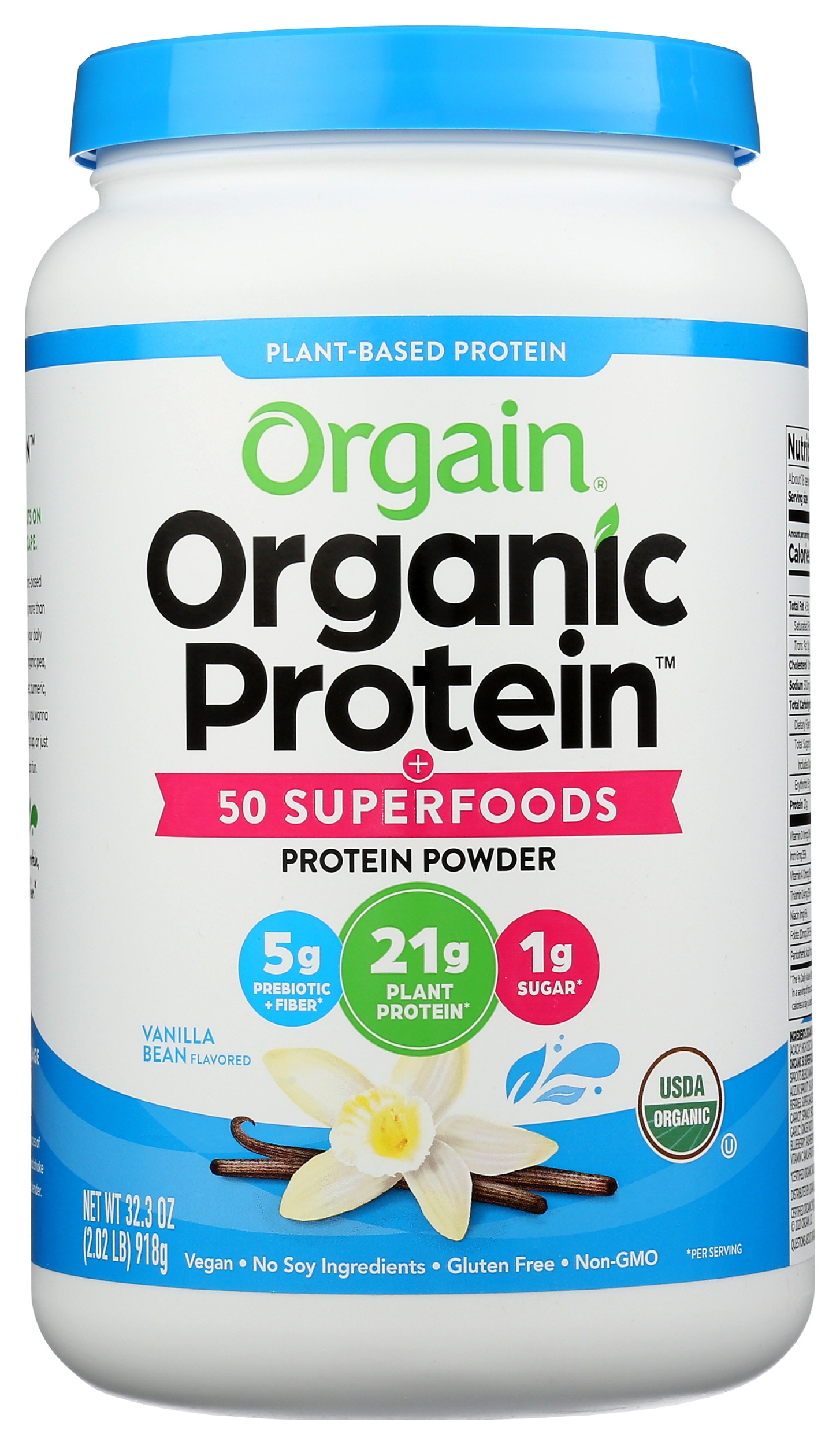
Orgain Organic Plant-Based Protein Powder
Best Overall Organic: Orgain Organic delivers 21g of protein from a pea-rice-chia blend with USDA organic certification, available at Costco and major retailers. The taste is genuinely good for plant protein — chocolate and vanilla work well in water or smoothies.
Top picks ↓| Product | Price | Link |
|---|---|---|
| 25〜40 | View deal → | |
| 55〜75 | View deal → | |
| 40〜55 | View deal → | |
| 50〜70 | View deal → |
Top picks
Related articles


Orgain Organic Plant-Based Protein Powder
Orgain Organic delivers 21g of protein from a pea-rice-chia blend with USDA organic certification, available at Costco and major retailers. The taste is genuinely good for plant protein — chocolate and vanilla work well in water or smoothies. The pea-rice combination produces a more complete amino acid profile than either alone. Best-in-category for organic-sourced protein at accessible everyday pricing.
Pros
- ✓USDA certified organic pea-rice-chia protein blend — documented supply chain practices
- ✓21g protein per serving with improved amino acid profile from pea-rice complementation
- ✓Widely available at Costco, Target, Walmart — lowest friction to purchase and restock
Cons
- ✗21g per serving is lower than sports-focused formulas; two servings needed for 30g+ targets
Score breakdown
| Protein per serving | 21g |
| Protein sources | Pea, brown rice, chia seed |
| PDCAAS estimate | ~0.90 (pea-rice blend) |
| Certification | USDA Organic, Non-GMO Project Verified |
| Serving | 2 scoops (46g) |
| Price per serving | ~$1.50–2.00 |

Vega Sport Premium Plant-Based Protein
Vega Sport Premium's 30g multi-protein blend (pea, pumpkin, sunflower, alfalfa) delivers a more complete amino acid profile than single-source pea protein, with meaningful sports-stack additions: beta-alanine for lactic acid buffering, tart cherry for DOMS reduction, bromelain for protein digestion. Informed Sport certified. The most complete sports-specific plant protein formula in this comparison.
Pros
- ✓30g from 4-source blend — improved leucine and methionine content vs. single-source pea
- ✓Beta-alanine + tart cherry + bromelain — evidence-grounded sports recovery stack built in
- ✓Informed Sport certified — independent banned substance testing for competitive athletes
Cons
- ✗Beta-alanine may cause tingling (paresthesia) — harmless but unfamiliar; premium price per serving
Score breakdown
| Protein per serving | 30g |
| Protein sources | Pea, pumpkin seed, organic sunflower seed, alfalfa |
| PDCAAS estimate | ~0.92 (multi-source blend) |
| Certification | Informed Sport certified |
| Serving | 2 scoops (43g) |
| Price per serving | ~$2.50–3.00 |
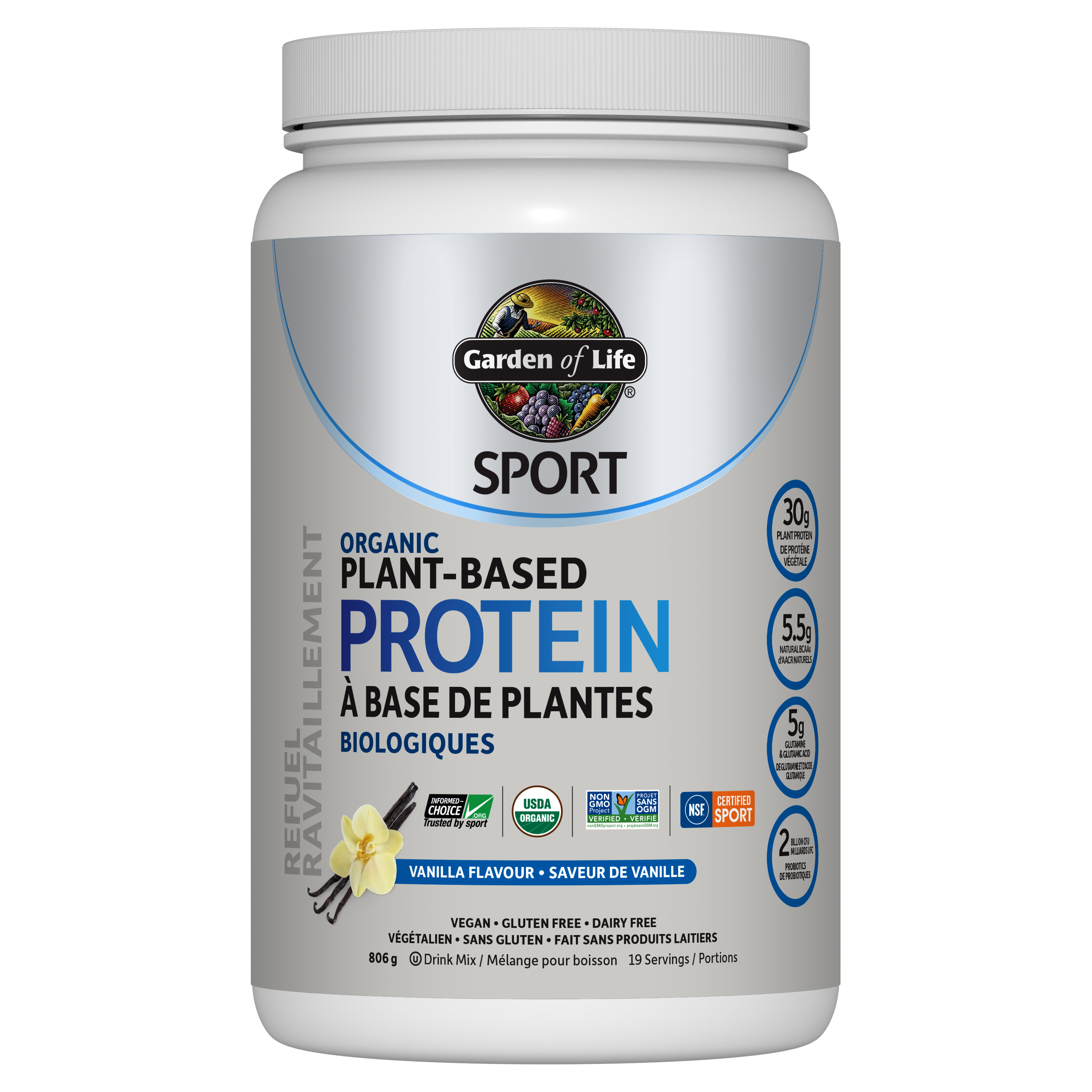
Garden of Life Sport Organic Plant-Based Protein
NSF Certified for Sport and USDA Organic simultaneously — unique in the plant protein category. 30g from a sprouted legume blend (pea, navy bean, lentil, chickpea, cranberry seed). The sprouting process reduces antinutrients and improves digestibility. Adds 2B CFU probiotics and B12. For certified athletes who require independent banned substance testing and prefer organic sourcing, this is the only product in this comparison that satisfies both requirements.
Pros
- ✓NSF Certified for Sport + USDA Organic simultaneously — the strongest dual certification in plant protein
- ✓30g from sprouted legumes — reduced phytic acid, improved amino acid bioavailability
- ✓Added 2B CFU probiotics and B12 (methylcobalamin) — useful additions for plant-based athletes
Cons
- ✗Earthy legume flavor is less palatable than pea-rice blends — works better in smoothies than plain water
Score breakdown
| Protein per serving | 30g |
| Protein sources | Sprouted pea, navy bean, lentil, chickpea, cranberry seed |
| PDCAAS estimate | ~0.88 (sprouted legume blend) |
| Certification | NSF Certified for Sport + USDA Organic |
| Serving | 4 scoops (48g) |
| Price per serving | ~$2.50–3.00 |

Naked Pea Protein Powder
Naked Pea: one ingredient, third-party tested for heavy metals and label accuracy, 27g protein per serving, lowest cost per gram of protein in this comparison. Unflavored pea flavor is genuine and pronounced — not for people who need their protein to taste like dessert. For buyers who want maximum transparency at minimum cost, this is the reference standard.
Pros
- ✓Single ingredient — yellow split pea protein isolate only, no additives, sweeteners, or flavors
- ✓27g protein per serving at the lowest cost per gram of certified plant protein in this comparison
- ✓Third-party tested for heavy metals, label accuracy, and microbial safety
Cons
- ✗Pronounced pea flavor unflavored — requires blending with fruit or flavoring for palatable daily use
Score breakdown
| Protein per serving | 27g |
| Protein sources | Yellow split pea protein isolate (single ingredient) |
| PDCAAS estimate | ~0.82–0.89 |
| Certification | Third-party heavy metal and label tested |
| Serving | 2 scoops (30g) |
| Price per serving | ~$1.00–1.25 |
Which one is right for you?
For budget-conscious buyers who want high protein purity without additives
Naked Pea Protein Powder
Naked Pea delivers 27g of pea protein per serving with a single ingredient — no sweeteners, no flavors, no fillers — and third-party tested. The lowest cost per gram of protein in this comparison.
For athletes with high protein targets who want NSF certification
Garden of Life Sport Organic Plant-Based Protein
Garden of Life Sport is NSF Certified for Sport with 30g protein per serving from a pea + sprouted grain + lentil blend — the highest certified protein dose in this comparison.
For everyday plant-based protein with good taste and broad retail availability
Orgain Organic Plant-Based Protein Powder
Orgain Organic is USDA organic, widely available at Costco and major retailers, and delivers a balanced taste profile at a mid-range price that makes daily use sustainable.
For performance athletes who want a complete amino acid profile with beta-alanine
Vega Sport Premium Plant-Based Protein
Vega Sport Premium adds beta-alanine, tart cherry, bromelain, and turmeric to a 30g pea+pumpkin+sunflower+alfalfa protein blend — the most comprehensive sports-specific plant formula.
For Japan-market soy protein supplementation with Meiji brand reliability
plant-protein-savas-soy-jp
SAVAS Soy Protein is Japan's dominant sports soy protein, produced by Meiji with Japanese regulatory standards, widely available across Japanese sports retailers and e-commerce.
Orgain Organic Plant-Based Protein — USDA Organic, Widely Available, Costco Standard
Orgain Organic is the most accessible premium plant protein — available at Costco, Target, Walmart, Amazon, and natural food retailers. The formula delivers 21 grams of protein per serving from a pea, brown rice, and chia seed blend. USDA certified organic means documented supply chain practices and prohibition of synthetic pesticides in the sourcing of all ingredients. The organic certification adds roughly 20–30% to the price compared to non-organic equivalents, but for buyers who prioritize organic sourcing, Orgain is the most widely distributed certified option.
The pea and rice protein combination addresses the amino acid limitation of each individual source — pea protein is low in methionine, rice protein is low in lysine, and combining them produces a more complete amino acid profile than either alone. The addition of chia provides omega-3 fatty acids and fiber, rounding out the nutritional profile beyond protein alone. The protein digestibility is good: pea and rice proteins process well in most digestive systems without the bloating some people experience with dairy whey.
Taste in the chocolate and vanilla flavors is genuinely good for the category — sweet but not cloying, with a smooth texture that works in a shaker bottle with water or in smoothies. Unflavored exists but has a pronounced green pea flavor that works better blended than shaken. The price at Costco represents exceptional value for an organic-certified plant protein at volume, making this the strongest option for buyers who want organic credentials and consistent availability.
Vega Sport Premium Protein — 30g Protein, Beta-Alanine, Sports Recovery Stack
Vega Sport Premium is positioned explicitly for athletic performance and recovery, and the formula reflects that intent. The protein blend (pea, pumpkin seed, organic sunflower seed, alfalfa) delivers 30 grams of complete amino acid protein per serving, with leucine content sufficient to reliably stimulate muscle protein synthesis. The formula adds beta-alanine (an amino acid that buffers lactic acid to extend high-intensity exercise tolerance), tart cherry extract (documented for exercise-induced muscle soreness reduction), bromelain (a proteolytic enzyme that may support protein digestion and reduce post-exercise inflammation), and turmeric extract.
The multi-protein blend approach improves amino acid profile completeness compared to single-source pea protein. Pumpkin seed protein contributes methionine and zinc; sunflower protein adds additional complete amino acid coverage; alfalfa contributes a unique phytonutrient profile. The result is a genuinely comprehensive formula for the sports-specific use case.
Informed Sport certified — independent testing for banned substances from a program used by professional sports organizations globally. This matters for athletes subject to drug testing. Taste is acceptable but not as clean as dairy-based proteins; the beta-alanine adds a slight tingling sensation that some buyers find uncomfortable at first. At roughly $2.50–3.00 per serving, it's priced at the premium end — the sports-stack additions justify the cost for athletes but represent unnecessary expense for casual users.
Garden of Life Sport Organic Plant-Based Protein — 30g, NSF Certified for Sport, Certified Organic
Garden of Life Sport achieves what few plant protein supplements manage: USDA certified organic and NSF Certified for Sport simultaneously. NSF Certified for Sport means every batch is independently tested for 270+ banned substances, label accuracy, and contamination — the gold standard in supplement certification for competitive athletes. The formula delivers 30 grams of protein per serving from a blend of pea, sprouted navy bean, lentil bean, garbanzo bean (chickpea), and cranberry seed protein.
The sprouted legume protein approach improves digestibility compared to conventional legume protein — the sprouting process reduces phytic acid and other antinutrients that bind minerals and inhibit protein absorption. Sprouted proteins also tend to have improved amino acid bioavailability. The formula adds 2 billion CFU of probiotics and 0.5mg B12 from methylcobalamin — both useful additions given that active individuals and plant-based eaters frequently need both.
The taste is functional rather than exceptional — the legume and pea protein combination produces an earthier flavor than rice-pea blends, which some buyers prefer and others find challenging in plain water. In smoothies with fruit, it works well. For certified athletes, the dual NSF and organic certification is unique in the plant protein category and alone justifies serious consideration. The price reflects that premium.
SAVAS Soy Protein (明治ザバス) — Japan's Dominant Sports Soy, Complete Amino Profile
SAVAS is Meiji's sports nutrition brand and Japan's best-known protein supplement series. Soy protein has a PDCAAS of 1.0 — the maximum score, equivalent to whey — making it the only plant-based protein that is nutritionally complete by amino acid standards without blending or fortification. SAVAS Soy Protein delivers 15 grams of soy protein isolate per serving (lower per-serving dose than Western sports proteins, consistent with Japanese serving-size conventions), with full essential amino acid coverage including leucine, isoleucine, and valine at levels relevant to muscle protein synthesis.
The SAVAS product line is formulated to Japanese regulatory standards and distributed through Japan's major sports retailers (including Alpen Sports and sports gyms), pharmacy chains, and convenience stores that carry supplements. Meiji's quality standards are rigorous relative to the broader supplement industry; the brand has been producing SAVAS for over three decades with consistent quality.
The soy protein concern — specifically around phytoestrogen content and potential hormonal effects — deserves honest framing. The evidence in adult men and women at normal supplementary doses (up to 50g soy protein per day) does not show clinically meaningful hormonal disruption. The mechanism (isoflavone binding to estrogen receptors with weaker affinity than endogenous estrogen) exists, but the doses that produce measurable hormonal effects in animal studies exceed what any reasonable supplement protocol delivers. For the vast majority of users, soy protein at normal use levels is safe and nutritionally complete.
Naked Pea Protein — Single Ingredient, Third-Party Tested, Maximum Transparency
Naked Pea is the minimalist case for plant protein done correctly. The formula is one ingredient: yellow split pea protein isolate. No sweeteners, no flavors, no thickeners, no flow agents. The label lists exactly what's in the product, and third-party testing verifies heavy metal levels, label accuracy, and microbial safety. The protein content is 27 grams per serving — among the highest in the category — at a cost per gram of protein that competes with mass-market whey.
Pea protein is rich in arginine, lysine, and BCAAs, but low in methionine — the limiting amino acid for pea protein's PDCAAS score (approximately 0.82–0.89 depending on the analysis). For people who are consuming adequate methionine from other dietary sources (eggs, meat, dairy, or other supplements), this gap is practically irrelevant. For strict vegans with limited dietary methionine, combining with rice protein or a sulfur-rich food source closes the gap.
The unflavored version has a distinct yellow pea flavor — noticeable in water, masked in fruit smoothies. Naked Pea is not the product for someone who needs their protein shake to taste indistinguishable from a milkshake. It is the product for someone who wants to know exactly what they're supplementing with, at the lowest cost per gram of protein that certified quality can deliver. For that buyer, nothing in this comparison comes close.
Amino Acid Completeness in Plant Proteins: What PDCAAS and Leucine Threshold Mean
PDCAAS (Protein Digestibility-Corrected Amino Acid Score) measures protein quality by scoring amino acid content against human requirements and then adjusting for digestibility. A PDCAAS of 1.0 means the protein supplies all essential amino acids at or above human requirements in a digestible form. Whey, egg, and soy all score 1.0. Pea protein scores approximately 0.82–0.89; rice scores 0.47–0.61; hemp scores around 0.66. This is why pea-rice blends outperform either alone — combining complementary limiting amino acids produces a more complete profile.
Leucine specifically is the key amino acid for stimulating muscle protein synthesis via the mTOR pathway. Research suggests a leucine threshold of approximately 2–3 grams per serving is needed to maximally stimulate muscle protein synthesis. Pea protein delivers approximately 1.7–2.0 grams of leucine per 25g serving — near but below the threshold. This is why higher serving sizes (30g) are common in sports-focused plant proteins, and why some add leucine supplementation separately.
DIAAS (Digestible Indispensable Amino Acid Score) is the updated and more accurate successor to PDCAAS, measuring absorption at the end of the small intestine rather than assuming 100% digestibility cap. By DIAAS, plant proteins generally score lower than PDCAAS suggests, but the practical implication for well-formulated blends at normal serving sizes is modest. Eating adequate total protein from a varied plant-based diet addresses most amino acid gaps without requiring supplement optimization.