Best Protein Bar 2026: 5 Picks From Clean Ingredients to Candy-Bar Flavors
The protein bar aisle is split into two schools of thought. Bioavailability and consistency of intake outperform ingredient quantity on the label.
Each bar was assessed on protein source and leucine density, sweetener type and gastrointestinal tolerance profile, sugar content, texture consistency across temperatures, ingredient list length, and verified certifications — marketing claims were cross-checked against independent lab testing where available.

Quest Protein Bar
Best Overall: Quest delivers 20–21 g of whey and milk protein isolate at 4–5 g net carbs — the combination that built its reputation among low-carb and post-workout buyers. Erythritol plus stevia means no sucralose aftertaste at room temperature, though the dense texture at cold is a common complaint that a 10-second microwave fixes.
Top picks ↓| Product | Price | Link |
|---|---|---|
| $4.95 | View deal → | |
| $2.33 | View deal → | |
| $1.67 | View deal → | |
| $2.68 | View deal → | |
| $1.46 | View deal → |
Top picks
Related articles

Quest Protein Bar
Best for low net carbs and high protein in one bar
Quest delivers 20–21 g of whey and milk protein isolate at 4–5 g net carbs — the combination that built its reputation among low-carb and post-workout buyers. Erythritol plus stevia means no sucralose aftertaste at room temperature, though the dense texture at cold is a common complaint that a 10-second microwave fixes. Not the choice if you want a short ingredient list.
Pros
- ✓20–21 g protein from isolates with high leucine density
- ✓4–5 g net carbs suits keto and low-carb tracking
- ✓Erythritol sweetening — generally better tolerated than maltitol
Cons
- ✗Long processed ingredient list — not a clean-label bar
Score breakdown
| Serving size | 1 bar (60 g) |
| Calories | 190 kcal |
| Protein | 21 g |
| Sugars | 1 g |
| Fiber | 13 g |
| Protein source | Milk protein isolate, whey protein isolate (dairy) |
| Certifications | Gluten free, Kosher |

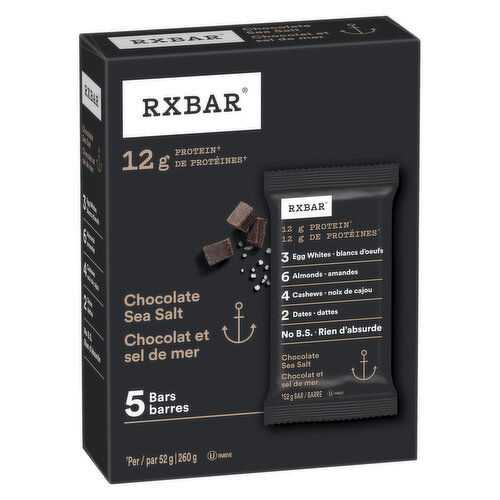
RXBAR Protein Bar
Whole food ingredients, readable label, egg white protein
RXBAR prints its entire ingredient list on the front of the bar — 3 egg whites, 6 almonds, 4 cashews, 2 dates — which is a design decision, not a marketing gimmick. The 12 g of complete protein from egg whites is nutritionally sound; the trade-off is that 20 g whey bars deliver more leucine per serving and a stronger post-workout MPS signal. Best if you want to know exactly what you're eating and are comfortable with a bar that tastes like food rather than dessert.
Pros
- ✓Shortest and most readable ingredient list in this comparison
- ✓Complete protein from egg whites — no artificial sweeteners
- ✓No sugar alcohols means no gastrointestinal risk
Cons
- ✗12 g protein — lower leucine load than 20 g isolate bars for post-workout use
Score breakdown
| Serving size | 1 bar (52 g) |
| Calories | 210 kcal |
| Protein | 12 g |
| Sugars | 13 g |
| Fiber | 5 g |
| Protein source | Egg whites (plus cashews & almonds) |
| Certifications | Gluten free, dairy free, soy free, no added sugar |

Clif Bar Builder's Protein Bar
Best for endurance athletes needing fuel and protein
Clif Builder provides 20 g of complete plant protein from soy isolate alongside 270 calories and 17–18 g sugar from rice syrup — a caloric and carbohydrate profile designed for glycogen-depleted endurance athletes, not for desk-based snacking. Certified vegan and kosher, and the flavors are straightforward without artificial sweetener aftertaste. Using this bar as a low-calorie snack is the wrong application.
Pros
- ✓20 g complete plant protein — the only vegan option at full dose
- ✓Higher calories suit long endurance training windows
- ✓No artificial sweeteners or sugar alcohols
Cons
- ✗17–18 g added sugar from rice syrup — not appropriate for low-carb or calorie-deficit goals
Score breakdown
| Serving size | 1 bar (68 g) |
| Calories | 270 kcal |
| Protein | 20 g |
| Sugars | 21 g |
| Fiber | 2 g |
| Protein source | Soy protein isolate (plant-based) |
| Certifications | Gluten free, Non-GMO, no artificial sweeteners |

ONE Protein Bar
Highest flavor variety, 1g sugar, candy-bar taste
ONE bars offer 20 g protein at 1 g sugar with a dessert-flavored library — Birthday Cake, Maple Glazed Doughnut, Peanut Butter Pie — that is the most aggressive in this category. The erythritol-plus-sucralose combination delivers candy-bar sweetness at low sugar, but some buyers report a detectable aftertaste. This is the bar you recommend to someone transitioning off actual candy bars who needs to sustain the behavior change through flavor satisfaction.
Pros
- ✓Widest flavor library in the comparison — 15+ options
- ✓20 g protein at 1 g sugar — the cleanest macro profile
- ✓Useful for high-protein cutting phases with strong dessert cravings
Cons
- ✗Sucralose aftertaste noticeable to some buyers
Score breakdown
| Serving size | 1 bar (60 g) |
| Calories | 220 kcal |
| Protein | 20 g |
| Sugars | 1 g |
| Fiber | 10 g |
| Protein source | Whey protein isolate, milk protein isolate (dairy) |
| Certifications | Gluten free, Kosher |

KIND Protein Bar
Whole nuts, honey sweetened, most food-like texture
KIND Protein delivers 12 g from whole nuts and soy protein, sweetened with honey and dark chocolate — no erythritol, no sucralose, no sugar alcohols. The whole-nut crunch is genuinely different from compressed-protein bars, and the honey sweetness is less aggressive than sucralose-based bars. At 12 g protein it is a smarter-than-average snack, not a post-workout recovery tool — the leucine dose is insufficient to drive MPS at the level of 20 g whey.
Pros
- ✓No artificial sweeteners or sugar alcohols — honey and chocolate only
- ✓Distinctive whole-nut crunch that engineered bars cannot replicate
- ✓Short, recognizable ingredient list
Cons
- ✗12 g protein — not sufficient as a standalone post-workout source
Score breakdown
| Serving size | 1 bar (50 g) |
| Calories | 250 kcal |
| Protein | 12 g |
| Sugars | 7 g |
| Fiber | 6 g |
| Protein source | Soy protein isolate plus peanuts/peanut flour |
| Certifications | Gluten free, Non-GMO, Kosher |
Which one is right for you?
For post-workout recovery on a low-carb plan
Quest Protein Bar
20–21 g protein isolate plus 4–5 g net carbs hits the macros without disrupting keto or low-carb tracking.
For clean-ingredient snacking
RXBAR Protein Bar
Every ingredient is named on the front of the bar — the most transparent option in this comparison.
For endurance athletes fueling long sessions
Clif Bar Builder's Protein Bar
270 calories and 17 g sugar alongside 20 g plant protein match the glycogen demands of 60-plus minute training windows.
For buyers transitioning off candy bars
ONE Protein Bar
15+ dessert-level flavors at 1 g sugar make habit change sustainable where plain bars fail.
For buyers who dislike engineered protein bars
KIND Protein Bar
Whole nuts, honey, and dark chocolate provide a food-like texture and taste that most protein bars deliberately avoid.
Quest Bar — the high-fiber keto staple
Quest Bars deliver 20–21g of protein (primarily whey and milk protein isolate) at 4–5g net carbs, which is what built their reputation among low-carb and keto buyers. The fiber comes from soluble corn fiber, which raises the total carb count but doesn't behave like digestible carbohydrate — the net carb figure is the relevant one for ketogenic tracking. Sweeteners are erythritol plus stevia, which means no sucralose aftertaste complaints that plagued earlier formulations.
Texture is the honest sticking point. At room temperature, Quest Bars have a slightly chewy, dense consistency that some people find satisfying and others find too tough. The workaround — 10–15 seconds in the microwave — is well-known enough to be on their own website, but it does mean this bar performs differently depending on whether you're eating it at a desk versus in a gym bag. The Chocolate Chip Cookie Dough and Birthday Cake flavors are genuinely good chilled; the Peanut Butter Supreme is better warm.
Best use case: post-workout protein hit or mid-afternoon snack when you're watching net carbs and need something that tastes like it shouldn't be allowed in a diet. The 20–21g protein figure is high enough to contribute meaningfully to muscle protein synthesis if you're in a training window. Not the choice if you want something that reads like food — the ingredient list is long and includes processed isolates.
RXBAR — the whole food bet
RXBAR leads with transparency as a design decision. The front of the bar lists ingredients: '3 egg whites, 6 almonds, 4 cashews, 2 dates' — the back lists the nutritional detail. That 12g protein from egg whites is complete protein with all essential amino acids, not a blend of isolates. There's no added sugar beyond what comes from the dates, no artificial sweeteners, no preservatives. The ingredient list for Chocolate Sea Salt is: dates, egg whites, almonds, cashews, chocolate, sea salt, natural flavors.
The protein count is lower than Quest or ONE — 12g versus 20g. Whether that matters depends on what you're using the bar for. For a mid-morning snack, 12g from clean sources competes well with 20g from isolates. For post-workout recovery, the math is less favorable. The caloric profile (around 200–210 calories) is similar to other bars in the category, but more of those calories come from the dates and nuts rather than from manufactured protein fractions.
Taste is genuinely distinctive — the date sweetness, the egg white density, the nut crunch. It does not taste like a candy bar and is not meant to. The chocolate-based flavors are the most accessible for first-timers; the fruit flavors (Blueberry, Mixed Berry) lean sweet; Mint Chocolate is polarizing. Best use case: someone who wants to know what they're eating, doesn't need maximum protein per bar, and is comfortable with a bar that tastes like food rather than dessert.
Clif Bar Builder — plant protein for endurance
Clif Builder bars provide 20g of protein from soy protein isolate — plant-based complete protein with a full essential amino acid profile including adequate leucine for muscle protein synthesis. The caloric density is higher than the other bars here (around 270–280 calories) and the sugar content is higher too (around 17–18g). For endurance athletes who are burning through glycogen, both of these are features rather than problems.
The bar is designed as a training-day fuel source, not a low-calorie snack. The combination of carbohydrates from brown rice syrup and cane syrup with 20g plant protein makes it appropriate for consumption during or after prolonged aerobic effort — the glycemic window after a long run or cycle is one of the few times adding significant sugar alongside protein is nutritionally sensible. Eating this bar at a desk as a snack to reduce overall calorie intake is using the wrong tool.
Flavors (Chocolate, Chocolate Peanut Butter, Vanilla Almond) are straightforward and taste like what you expect. No surprises, no uncanny valley candy-bar mimicry, no aggressive sweetener aftertaste. The bar is also certified vegan and kosher. Best use case: endurance athletes training more than 60 minutes per session who need convenient fuel that won't require cooking or refrigeration. Not the choice if you're watching sugar intake or overall calories.
ONE Protein Bar — the candy-bar dial turned to maximum
ONE Protein Bars are the most aggressively dessert-flavored bars in this comparison, and they own it. Birthday Cake, Maple Glazed Doughnut, Peanut Butter Pie, Almond Bliss — the flavor library reads like a bakery display case. The formula: 20g protein (whey and milk protein blend), 1g sugar, and roughly 220 calories, achieved through erythritol and sucralose sweetening. They taste noticeably sweet, and the sweetener combo means some people get an aftertaste that others don't.
For someone coming off of actual candy bars who is trying to reduce sugar intake without feeling deprived, ONE Bars do what they claim. The psychological satisfaction of a bar that tastes like a birthday cake — with a nutritional profile that's not terrible — is a real benefit that shows up in the repeat-purchase patterns. Where they're less suited: buyers who are sensitive to sugar alcohols (erythritol can cause digestive discomfort in quantity), or buyers who would rather have a short ingredient list.
The 1g sugar claim holds up on the label — the sweetness comes almost entirely from erythritol and sucralose. Protein quality is similar to Quest (whey and milk protein isolate blend). Best use case: anyone who wants a high-protein option that genuinely satisfies a sweet tooth, and who is fine with highly processed food as long as the macros are right. This is the bar you recommend to someone who says they 'can't give up dessert' while cutting.
KIND Protein Bar — the middle ground
KIND Protein Bars sit between the clean-ingredient philosophy of RXBAR and the high-protein engineering of Quest and ONE. The protein count is 12g — similar to RXBAR — but from a blend of nuts and soy protein rather than egg whites. The sweetener is honey, not erythritol or sucralose, which means this is not a low-sugar bar (around 8g sugar) but also means there is no artificial sweetener aftertaste and no sugar alcohol gastrointestinal risk.
What KIND does well is texture. The whole nuts give the bar a genuine crunch that neither compressed-protein bars (Quest, ONE) nor date-based bars (RXBAR) match. The flavor profile is less sweet-forward, more nutty and savory, which appeals to buyers who find other protein bars too candy-bar. Dark Chocolate Nuts and Sea Salt and Caramel Almond and Dark Chocolate are well-reviewed by people who explicitly say they don't like the taste of other protein bars.
At 12g protein, KIND is not positioning itself as a post-workout recovery bar — it's positioning itself as a smarter snack than a handful of trail mix or a granola bar. Best use case: someone who wants more protein than a standard snack provides but is skeptical of heavily engineered protein products, prefers real sweeteners over sugar alcohols, and prioritizes texture and flavor authenticity over maximum protein density.
Protein content, sugar, and what the numbers actually mean
Bars at 20g protein (Quest, Clif Builder, ONE) contribute meaningfully toward a daily protein target. A 75kg person aiming for 1.6g/kg protein per day needs 120g total. Three meals plus one of these bars as a snack gets you to 90–100g without much effort. Bars at 12g (RXBAR, KIND) are snack-tier contributions — useful but not sufficient as a standalone post-workout protein source.
The sugar picture is more complicated. Quest and ONE achieve 1g sugar through sugar alcohols (erythritol) and non-caloric sweeteners (sucralose, stevia). Erythritol is generally well tolerated because 90% of it is absorbed in the small intestine and excreted intact rather than fermented by gut bacteria — unlike maltitol and sorbitol, which cause the gas and bloating complaints common with older diet bars. Some people still report erythritol sensitivity at high quantities. RXBAR's 15–17g sugar comes from dates, which is a real food source with some accompanying fiber and micronutrients. KIND's 8g comes from honey and dark chocolate. Clif Builder's 17–18g comes from rice syrup and cane syrup, which is straightforwardly added sugar.
Ingredient quality is not a simple clean/processed binary. RXBAR's egg white protein and nut fats are from less processed sources than whey isolate, but whey isolate has better-studied absorption kinetics and a higher leucine concentration per gram, which is the trigger for muscle protein synthesis. For general snacking goals, ingredient source matters. For post-workout recovery, the protein quality of whey isolate or milk protein isolate is slightly better than egg white on a per-gram basis, and the soy in Clif Builder is a complete plant protein but with lower leucine density than whey.
How to pick
If your primary goal is post-workout recovery and you're training 4–5 days per week: Quest or ONE at 20g protein, eaten within 2 hours of training. Quest if you prefer lower net carbs; ONE if you want maximum flavor variety.
If your goal is a clean-ingredient snack that doesn't spike blood sugar or require reading a lab report: RXBAR. Accept the 12g protein and the date sweetness as the trade-offs for the short ingredient list.
If you train for endurance events (running, cycling, triathlon) and need a bar that also provides fuel: Clif Builder, especially on long training days when the additional sugar is appropriate.
If you don't like the taste of protein bars but want more protein than a piece of fruit provides: KIND. The whole-nut texture and honey sweetness are the most food-like of these five, and the 12g protein still beats a standard granola bar.
If you're buying for a household with mixed dietary preferences: RXBAR (dairy-free, no artificial sweeteners) and KIND (no sugar alcohols, honey-sweetened) have the fewest compatibility conflicts with people who avoid specific ingredients.