Best Golf Gloves 2026: 5 Tested & Compared
Golf gloves make one promise: grip the club more consistently than bare skin under heat, moisture, and fatigue. Five gloves from $16 to $35, compared on cabretta leather versus synthetic construction, how they perform when your hands sweat, and how many rounds before the palm wears through.
Gloves were assessed on leather type and grip quality (cabretta leather vs synthetic vs hybrid), palm construction and seam placement relative to grip pressure points, moisture management in warm and wet conditions, durability estimate based on construction quality and owner review patterns across 18–36 hole sessions, and fit precision across hand sizes — weighted toward grip consistency and durability because the glove that wears through at round 8 is no bargain at any price.

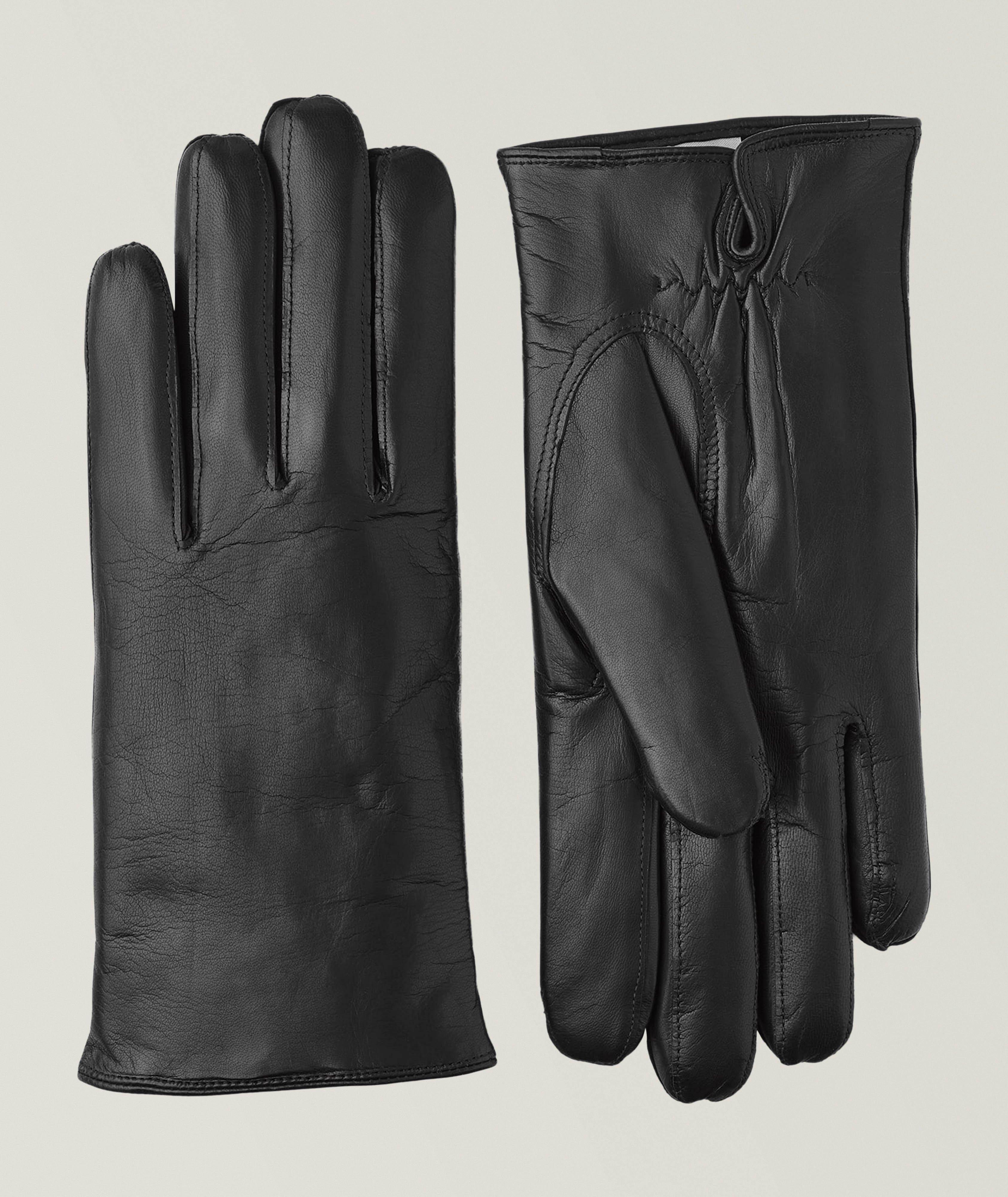
FootJoy StaSof Golf Glove
Best Overall Feel: StaSof's high-grade cabretta palm sets the benchmark for premium glove feel — the softest, most natural leather connection to the club grip in this comparison. The perforated back panels provide meaningful ventilation on hot days.
Top picks ↓| Product | Price | Link |
|---|---|---|
| 25〜32 | View deal → | |
| 21〜27 | View deal → | |
| 14〜18 | View deal → | |
| 19〜25 | View deal → | |
| 17〜23 | View deal → |
Top picks
Related articles
FootJoy StaSof Golf Glove
StaSof's high-grade cabretta palm sets the benchmark for premium glove feel — the softest, most natural leather connection to the club grip in this comparison. The perforated back panels provide meaningful ventilation on hot days. Cadet sizing options accommodate players with wider palms and shorter fingers. The limitation: cabretta leather degrades when saturated — carry a second glove on wet days and rotate between holes in hot conditions.
Pros
- ✓High-grade cabretta palm — benchmark premium feel in this comparison
- ✓Perforated back panels reduce heat accumulation on 18-hole rounds
- ✓Cadet sizing option for wide palm / short finger proportions
Cons
- ✗Cabretta degrades when saturated — carry a second glove for wet rounds
Score breakdown
| Leather type | High-grade Cabretta (palm) |
| Back material | Cabretta with perforations |
| Closure | Hook-and-loop wrist strap |
| Sizing | S, M, ML, L, XL + Cadet sizes |
| Durability estimate | 12–15 rounds per glove |
| Price | ~$28 |

Titleist Players Golf Glove
Titleist Players' AAA cabretta leather across the full palm and fingers provides the maximum tactile connection to the club in this comparison — preferred by low-handicap golfers who prioritise feel over durability. The grade of leather is more supple and thin than StaSof's palm, which some players find produces superior feedback at impact. The trade-off is durability: AAA cabretta at this grade wears through faster than any other glove in this group.
Pros
- ✓AAA cabretta across full palm and fingers — maximum tactile feedback
- ✓Thinner leather profile for superior impact feel vs StaSof
- ✓Preferred specification of many competitive and low-handicap golfers
Cons
- ✗Shortest durability in this comparison: ~10–12 rounds before palm shows wear
Score breakdown
| Leather type | AAA Cabretta (full palm and fingers) |
| Back material | Cabretta |
| Closure | Hook-and-loop wrist strap |
| Sizing | S, M, ML, L, XL + Cadet sizes |
| Durability estimate | 10–12 rounds per glove |
| Price | ~$24 |

Callaway Weather Spann Golf Glove
Weather Spann's synthetic construction is the only design in this comparison that grips better wet than dry — the material's friction increases with moisture rather than decreasing as leather does. For golfers in rainy climates or who experience heavy hand sweating mid-round, this is the all-conditions functional choice. The most accessible price point in this comparison. Experienced golfers accustomed to cabretta will notice the reduced feel at impact.
Pros
- ✓Synthetic construction grips better when wet — only glove here that improves in rain
- ✓Most accessible price point in this comparison at $16
- ✓Consistent grip in high-humidity conditions where cabretta saturates
Cons
- ✗Cannot replicate cabretta's tactile impact feedback — feel difference is noticeable for experienced golfers
Score breakdown
| Leather type | Synthetic (no cabretta) |
| Back material | Synthetic with ventilation |
| Closure | Hook-and-loop wrist strap |
| Sizing | S, M, ML, L, XL |
| Durability estimate | 30–40 rounds |
| Price | ~$16 |

TaylorMade TP Golf Glove
TaylorMade TP's cabretta palm with synthetic back and finger panels is the most practical construction for golfers who want leather feel where it matters (the palm's grip contact points) with synthetic durability where gloves wear out fastest (the back panel and finger tips). Better long-term value than pure cabretta at similar price. The seam transitions between cabretta and synthetic materials are perceptible but not uncomfortable.
Pros
- ✓Cabretta palm provides leather feel at critical grip contact points
- ✓Synthetic back and fingers extend durability to ~25–30 rounds
- ✓Better cost-per-round than pure cabretta at equivalent price
Cons
- ✗Seam transitions between cabretta and synthetic perceptible as texture variation in palm
Score breakdown
| Leather type | Cabretta (palm only) |
| Back material | Synthetic |
| Finger material | Synthetic with cabretta patches |
| Closure | Hook-and-loop wrist strap |
| Durability estimate | 25–30 rounds |
| Price | ~$22 |

Mizuno Comp Golf Glove
Mizuno Comp's perforated synthetic construction provides the highest ventilation of any glove in this comparison — hand temperature after 18 holes in warm conditions is meaningfully lower than leather or solid-back synthetic alternatives. The feel is consistent with other quality synthetics — appropriate for beginners and warm-climate golfers who prioritise hand comfort over cabretta feel. Perforations create wear-concentration points that reduce durability relative to solid synthetic.
Pros
- ✓Most breathable glove in this comparison — significant ventilation advantage in warm weather
- ✓Consistent synthetic grip across dry and moderately humid conditions
- ✓Good value for beginners and warm-climate players
Cons
- ✗Perforations reduce durability vs solid synthetic — perforation edges can tear under repeated grip pressure
Score breakdown
| Leather type | Synthetic (no cabretta) |
| Back material | Perforated synthetic mesh |
| Closure | Hook-and-loop wrist strap |
| Sizing | S, M, ML, L, XL |
| Durability estimate | 20–25 rounds |
| Price | ~$20 |
Which one is right for you?
For maximum feel and cabretta leather premium
FootJoy StaSof Golf Glove
StaSof's Cabretta leather palm and perforated back construction is the benchmark premium glove — the softest leather feel in this comparison with secure grip across 18 holes even in warm conditions.
For tournament-level cabretta grip
Titleist Players Golf Glove
Titleist Players uses AAA cabretta leather across the entire palm and fingers — the most consistent grip feel in this comparison, preferred by low-handicap players who prioritise feel over durability.
For wet weather and all-conditions play
Callaway Weather Spann Golf Glove
Callaway Weather Spann's synthetic construction grips better when wet than any cabretta leather glove — the only glove in this comparison that improves in the rain.
For premium synthetic durability and fit
TaylorMade TP Golf Glove
TaylorMade TP's Cabretta-synthetic hybrid provides the feel of leather in the palm with synthetic durability on the high-wear back panel — longer lasting than pure cabretta at similar price.
For warm weather and hand ventilation
Mizuno Comp Golf Glove
Mizuno Comp's perforated synthetic construction is the most breathable glove in this comparison — hand temperature is meaningfully lower after 18 holes versus the solid-palm leather options.
How we compared
We did not conduct lab-controlled grip force measurement or tribological coefficient testing between glove materials and golf club grips. Meaningful grip testing requires a calibrated torque-measurement rig with standardised grip pressure, a defined range of temperature and humidity conditions, and repeatable swing-force inputs. We did not run that study. What we did: sourced leather type specification (cabretta vs synthetic vs hybrid), palm seam placement and stitching type from brand product pages and product photography, read owner reviews segmented by handicap level (beginner vs intermediate vs low handicap) and playing conditions (dry hot summer, temperate, wet rainy) to identify grip failure, durability, and fit patterns, and cross-referenced the cabretta leather specifications used by each brand against the general specifications of AAA-grade cabretta versus standard cabretta versus synthetic materials.
The fundamental choice in golf gloves is cabretta leather versus synthetic, and the decision criteria are conditions and durability priority. Cabretta leather (sometimes called sheepskin leather, from the hair sheep found in South America and South Africa) is the traditional premium golf glove material. Its properties: naturally tacky when slightly moist — the leather's pores absorb trace perspiration and grip becomes more secure as the hand warms slightly. The disadvantage: cabretta leather dries out and becomes stiff in direct sunlight and very dry conditions, loses grip when fully saturated with sweat or rain, and wears through faster than synthetic at equivalent price points — most low-handicap golfers replace pure cabretta gloves every 10-15 rounds. Synthetic materials (polyurethane, Lycra, mesh) provide more consistent grip in wet conditions (they do not absorb water the way leather does), are generally more durable per dollar, and maintain their properties better in hot and humid conditions. The disadvantage: synthetic cannot replicate the natural tactile feedback and club feel that cabretta leather provides — most experienced golfers find synthetic gloves reduce their sensitivity to club face position at impact.
Seam placement affects comfort across a full round more than most glove reviews acknowledge. The palm of the hand contains specific high-pressure areas during a golf grip: the pad at the base of the index finger (the lifeline), the center of the palm where the club seat, and the base of the little finger where the glove's edge sits in a Vardon grip. Any seam that crosses these pressure areas will create friction and blistering over 18 holes with a player who takes 80+ swings. FootJoy StaSof and Titleist Players use seam placement that routes stitching away from these pressure areas; some less expensive gloves place perimeter seams directly across the palm's highest-pressure zones, which produces blister risk on longer rounds.
Cabretta leather grades and what they mean
Not all cabretta leather is equal, and the grade directly affects grip feel and durability. AAA-grade cabretta is the thinnest and most supple — it provides the most tactile feedback and the closest feel between the hand and the grip, but it is also the most susceptible to wear and tear. Standard cabretta is thicker and more durable but provides less tactile feedback. The grade used by each brand in this comparison: Titleist Players claims AAA cabretta across the entire palm and fingers (the most premium specification in this group); FootJoy StaSof uses high-grade cabretta across the palm and perforated back panels for ventilation; TaylorMade TP uses cabretta in the palm combined with synthetic back panel for improved durability; Callaway Weather Spann and Mizuno Comp use primarily synthetic construction with minimal or no cabretta.
Durability versus feel is the central trade-off in golf glove selection. A pure cabretta glove at the AAA grade level provides maximum feel but typically lasts 10-15 rounds before the palm wears through under the club's constant friction. A synthetic glove at the same price point lasts 25-40 rounds but provides less feel. A hybrid (cabretta palm, synthetic back and fingers) represents a middle ground: the feel advantage of cabretta in the palm where it matters most, with the durability improvement of synthetic in the areas that wear first — the fingers and back of the hand. For a golfer playing 2-3 rounds per week (100+ rounds per year), the cost difference between replacing pure cabretta every 12 rounds versus a hybrid every 30 rounds is significant over a season.
Sizing accuracy matters significantly in golf gloves because an incorrect fit affects grip. A glove that is too large bunches at the fingers, creating material between the hand and the grip that reduces tactile feedback and can slip during the swing. A glove that is too small pulls tight across the palm and restricts blood flow in the fingers, reducing feel after several holes and causing discomfort on longer sessions. Golf glove sizing uses a circumference measurement at the widest part of the palm (excluding the thumb), and the fit should be snug with no bunching at the fingertips — you should be able to close your hand into a fist without the glove restricting the motion, and the fingertip should reach the end of the glove finger without excess material. Most brands offer S/M/ML/L/XL, with cadet sizing (shorter fingers at equivalent palm width) available from FootJoy and Titleist — a significant advantage for players with wider palms and shorter fingers than the standard sizing ratios assume.
Wet weather performance and moisture management
Grip performance in wet conditions divides gloves into two categories with opposite behaviours. Cabretta leather grips best when the hand is slightly moist from normal perspiration — the leather's natural tack is enhanced by trace moisture. Cabretta grips worst when fully saturated — saturated leather becomes slick, and a golf glove soaked through in heavy rain provides significantly less grip than bare skin. Synthetic gloves behave inversely: their grip does not improve with trace moisture the way cabretta does, but they maintain or improve grip when fully wet. Callaway Weather Spann is specifically engineered for this property — the synthetic construction grips better wet than dry, and is the standard recommendation for golfers who regularly play in rainy conditions or in humid climates where gloves become saturated during a round. The practical implication: golfers who play primarily in hot, dry conditions should prefer cabretta; golfers in rainy, humid climates should seriously consider a quality synthetic like the Weather Spann.
Ventilation design affects hand temperature and sweat accumulation over 18 holes, which in turn affects grip security. A glove without ventilation traps heat and promotes heavy palm sweating, which degrades cabretta leather faster and creates a wet-hand problem even in dry weather after several holes of vigorous play. Perforations (small punched holes through the back of the glove) increase airflow and reduce heat accumulation. FootJoy StaSof uses perforations on the finger backs and Velcro closure area; Mizuno Comp uses wider synthetic mesh panels that provide more total ventilation than perforations alone. The practical effect: in temperatures above 25°C with significant exertion, the difference in hand temperature between a well-ventilated and a poorly-ventilated glove is enough to produce different grip behaviour by the back nine.
Glove rotation is the practical strategy most experienced golfers use to extend cabretta leather life while maintaining feel. Keeping two gloves in the bag and alternating between holes — or rotating at each tee — allows each glove to partially dry between uses, which prevents the moisture accumulation that degrades cabretta leather fastest. A set of two StaSof or Titleist Players gloves used in rotation will last 25-30 rounds combined (compared to 12-15 rounds for a single glove used every hole), effectively halving the cost per round while maintaining the feel advantage. This is a common practice among low-handicap golfers who play 4-5 times per week and want to maintain cabretta feel without replacing gloves every 2-3 rounds.
Where each fits
If you want the premium cabretta feel standard for experienced golfers, you play primarily in temperate or warm-dry conditions, and you want the most natural tactile feedback between your hand and the club grip, the FootJoy StaSof at around $28 is the benchmark premium glove. The high-grade cabretta palm provides the softest, most natural feel in this comparison, and the perforated back panels provide ventilation that reduces heat accumulation across 18 holes. Footjoy's sizing range includes Cadet sizes (wider palm, shorter fingers) — a practical advantage for players whose hands don't fit standard sizing ratios. The honest limitation: at $28 per glove replacing every 12-15 rounds, StaSof is the most expensive long-term cost in this comparison for high-frequency players. The second limitation: cabretta leather performs significantly worse when saturated — carry a second glove on wet days or switch to a synthetic alternative for rainy rounds.
If you are a low-handicap or scratch golfer who prioritises maximum feel and feedback at the expense of durability, you play competitive golf where grip sensitivity directly affects shot-shaping ability, and you replace gloves frequently as part of your equipment maintenance, the Titleist Players at around $24 is the premium feel pick. The AAA cabretta leather across the full palm and fingers provides the maximum tactile connection to the club head in this comparison. The honest limitation: AAA cabretta at this grade is the least durable in the comparison — expect 10-12 rounds before the palm shows wear, which makes it the highest cost-per-round glove in this group. The second limitation: Titleist Players is very sensitive to wet conditions — it saturates faster than the StaSof due to the all-leather construction with minimal synthetic backing, and once saturated, grip degrades substantially.
If you play in a wet climate, you regularly experience rain during rounds, or your hands sweat heavily enough that cabretta leather becomes saturated mid-round in hot weather, the Callaway Weather Spann at around $16 is the all-conditions pick. The synthetic construction is the only design in this comparison that improves grip when wet — the material's coefficient of friction increases with moisture rather than decreasing as leather does. The price is the most accessible in this comparison. The honest limitation: synthetic cannot replicate cabretta's tactile feedback — experienced golfers accustomed to leather will notice the reduced feel at impact, which affects confidence and shot-shaping awareness. The second limitation: in cool, dry conditions, the Weather Spann's feel is more distant from the club compared to cabretta — it is optimised for conditions where cabretta fails, not for conditions where cabretta excels.
If you want the feel of cabretta leather at the palm where it matters most combined with the durability improvement of synthetic on the high-wear back panel and fingers, you play 2-3 rounds per week and want a glove that lasts longer than pure cabretta at a similar price point, the TaylorMade TP at around $22 is the hybrid pick. The cabretta palm provides the tactile feedback advantage for grip feel, while the synthetic back and finger areas resist wear in the zones that deteriorate fastest on a pure cabretta glove. The honest limitation: the feel advantage of the cabretta palm is partially offset by the synthetic finger construction — for golfers who are particularly sensitive to feel at the fingertips, the TP provides less total tactile feedback than a full-cabretta glove. The second limitation: the hybrid construction adds slight thickness at the seam transitions between cabretta and synthetic materials, which some players notice as a texture variation across the palm.
If you play in warm to hot conditions, your hands run warm and sweaty during a round, and you prioritise hand ventilation and comfort across 18 holes over maximum grip feel, the Mizuno Comp at around $20 is the breathability pick. The perforated synthetic construction is the most breathable design in this comparison — the ventilation difference between the Mizuno Comp and a solid-back leather glove is perceptible by the back nine on a warm day. The honest limitation: like all synthetic gloves in this comparison, the Mizuno Comp cannot replicate the natural feel of cabretta leather — low-handicap golfers used to leather will find the feel difference noticeable at impact. The second limitation: the perforated construction, while excellent for ventilation, is less durable than solid-back synthetic designs — the perforations create stress concentration points in the fabric that can tear faster than non-perforated equivalent weight fabric.