Best Coconut Oil 2026: Virgin, Refined & In Between
Coconut oil is one of those ingredients where the label differences actually matter. Virgin vs refined is not marketing — it determines smoke point, flavor, and whether there's any nutritional content left. Organic certification matters more here than in most oils because coconuts absorb pesticides readily. These five were chosen for doing what they say on the jar, not for having the most Instagram-friendly branding.
Products were compared on production method (cold-pressed vs expeller-pressed vs RBD), smoke point, flavor in cooking applications, ingredient purity, and certifications. Organic status and country-of-origin transparency were weighted heavily given coconut oil's known pesticide absorption.
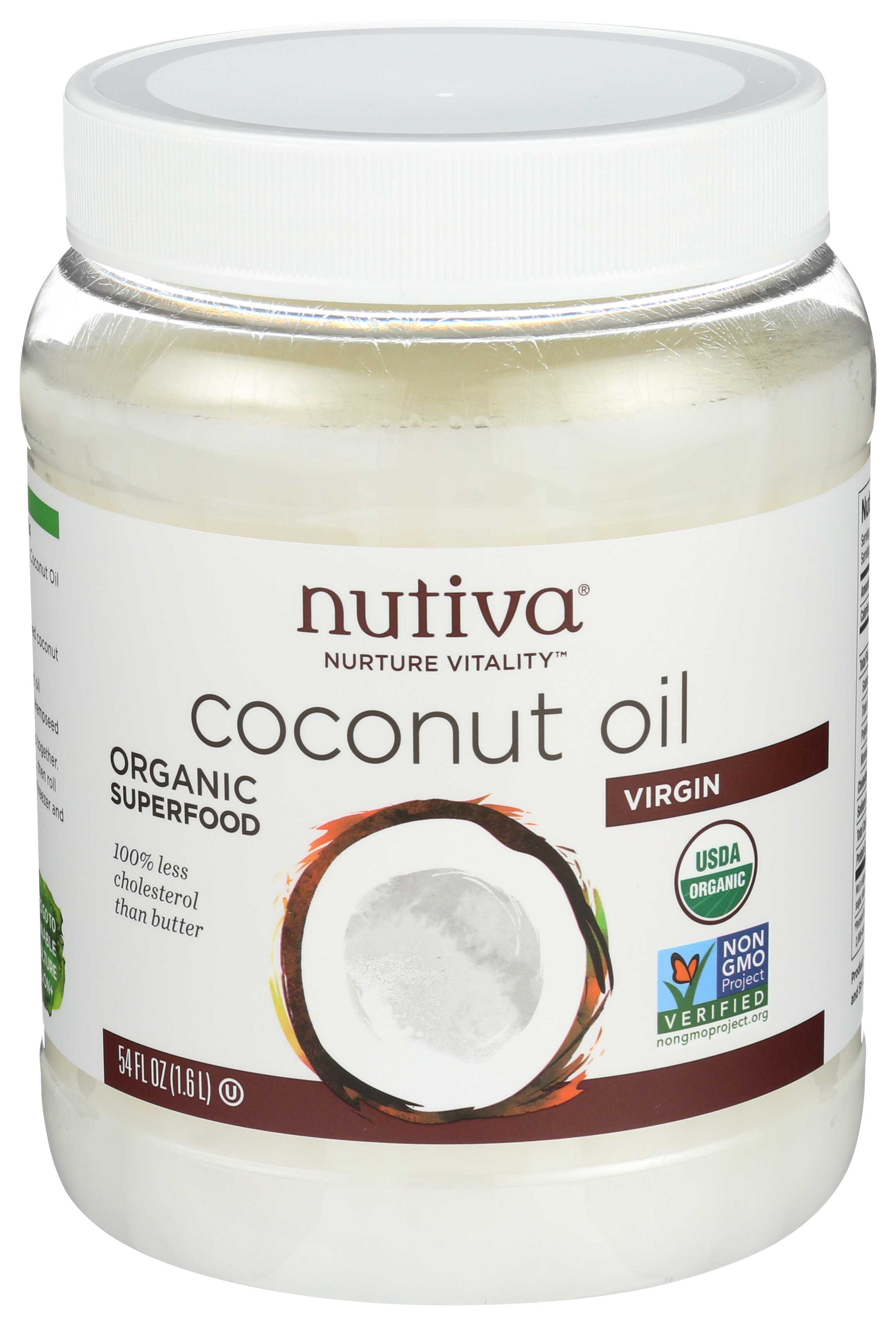
Nutiva Organic Virgin Coconut Oil
Best Overall: Nutiva has been the benchmark for organic virgin coconut oil for over a decade, and the 2026 product maintains that position. Cold-pressed from fresh-dried coconut meat in the Philippines with USDA Organic and Non-GMO Project certification.
Top picks ↓| Product | Price | Link |
|---|---|---|
| 12.99〜24.99 | View deal → | |
| 10.99〜16.99 | View deal → | |
| 9.99〜17.99 | View deal → | |
| 10.99〜19.99 | View deal → |
Top picks
Related articles


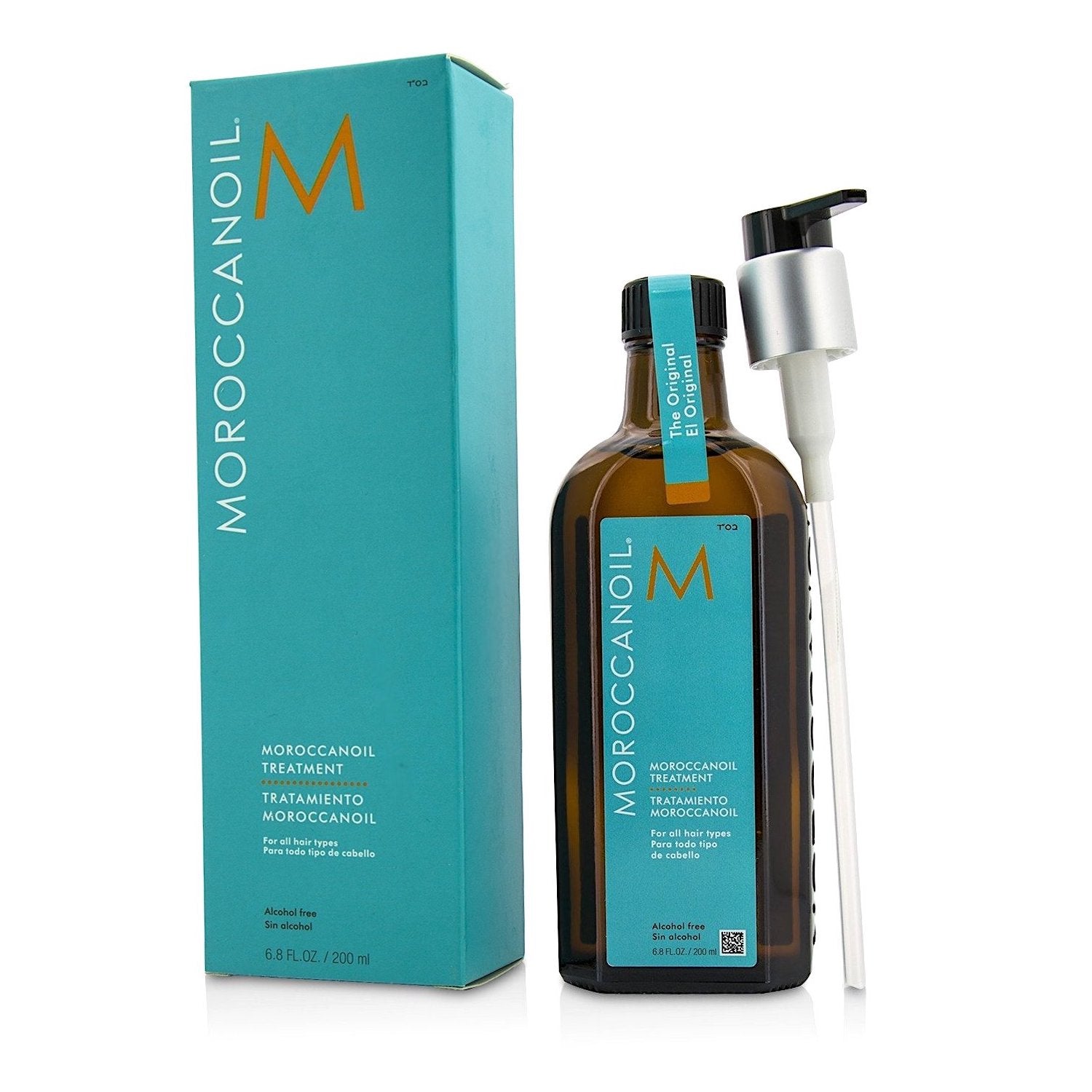
Nutiva Organic Virgin Coconut Oil
Nutiva has been the benchmark for organic virgin coconut oil for over a decade, and the 2026 product maintains that position. Cold-pressed from fresh-dried coconut meat in the Philippines with USDA Organic and Non-GMO Project certification. The flavor is genuinely coconutty — more pronounced than most competitors — which is exactly what you want in baked goods, Thai curry, or bulletproof coffee. Smoke point around 350°F keeps it to low-to-medium heat applications. The 54oz tub is the format to buy — the per-ounce price drops considerably over the 15oz jar.
Pros
- ✓Cold-pressed virgin with strong coconut flavor
- ✓USDA Organic + Non-GMO Project certified
- ✓Sourcing traced to Philippine cooperatives
- ✓54oz tub format offers good value
Cons
- ✗350°F smoke point — not for high-heat cooking
- ✗Strong coconut flavor is not neutral enough for all applications
Score breakdown
| Type | Virgin, cold-pressed |
| Smoke point | ~350°F / 177°C |
| Certified | USDA Organic, Non-GMO |
| Origin | Philippines |
| Serving size | 1 tbsp / 14g |

Viva Naturals Extra Virgin Coconut Oil
Viva Naturals sources from small Philippine farms and cold-presses their oil within hours of coconut harvesting — a freshness standard they call 'same-day pressing,' which results in noticeably lighter texture than Nutiva. The flavor is slightly milder (still coconutty but less intense), and in skincare use the oil absorbs faster and leaves less residue than competing virgin oils. USDA Organic certified. The 16oz glass jar format is the cleanest option for bathroom storage — BPA-free and airtight.
Pros
- ✓Same-day cold-pressing gives lighter texture
- ✓Faster skin absorption than competitors
- ✓USDA Organic certified
- ✓Glass jar format ideal for skincare storage
Cons
- ✗Slightly milder coconut flavor than Nutiva (good for skin, less ideal for cooking)
- ✗16oz jar is smaller than Nutiva's bulk option
Score breakdown
| Type | Virgin, cold-pressed |
| Smoke point | ~350°F / 177°C |
| Certified | USDA Organic |
| Origin | Philippines |
| Serving size | 1 tbsp / 14g |
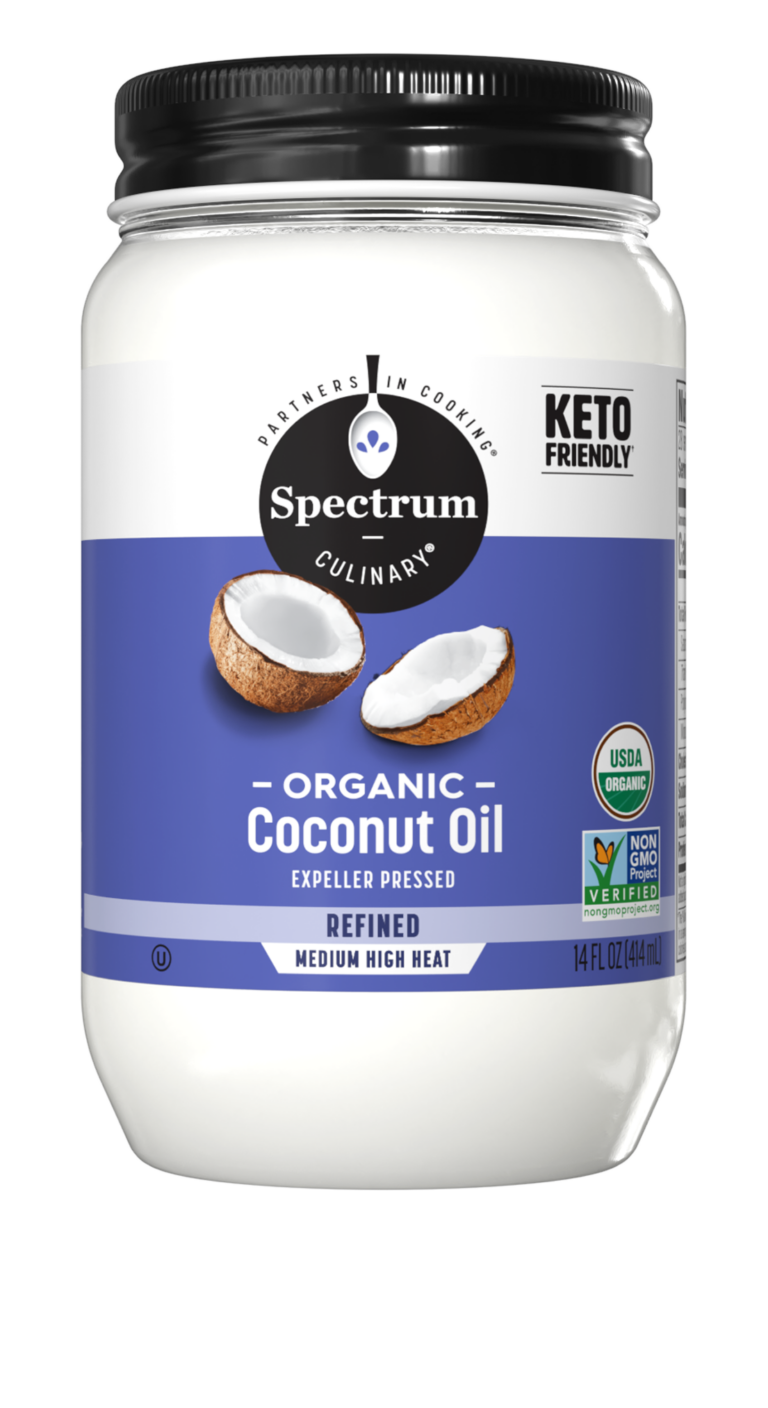
Spectrum Organics Refined Coconut Oil
Spectrum's refined coconut oil is the answer when you need a neutral-flavor fat that can handle real heat. The smoke point sits at 400°F (204°C) — suitable for stir fry, searing, and roasting without any off-flavors. Spectrum uses steam deodorizing rather than chemical solvent processing, which is a cleaner refining method that they have been transparent about since their 2025 process update. USDA Organic certified even after refining. The flavor is completely neutral — if you are making a dish where coconut taste would be unwelcome, this is the correct choice.
Pros
- ✓400°F smoke point handles real high-heat cooking
- ✓Steam-deodorized (no chemical solvent)
- ✓USDA Organic certified
- ✓Completely neutral flavor
Cons
- ✗Refining removes the polyphenols present in virgin oil
- ✗No coconut flavor — not useful where you want that taste
Score breakdown
| Type | Refined (steam deodorized) |
| Smoke point | ~400°F / 204°C |
| Certified | USDA Organic |
| Origin | Philippines / Sri Lanka blend |
| Serving size | 1 tbsp / 14g |

Carrington Farms Organic Coconut Oil
Carrington Farms delivers organic cold-pressed coconut oil at a price point that consistently undercuts Nutiva by 15–20% in the large jar format. USDA Organic certified, non-GMO, and the flavor is clean coconut — slightly lighter than Nutiva, which makes it more versatile for people who find Nutiva's flavor too assertive. The 54oz tub is the format to buy. Texture and consistency are comparable to the premium options. If you go through coconut oil fast — large family cooking, regular baking, coconut oil hair masks — Carrington Farms is the sensible choice.
Pros
- ✓15–20% cheaper than Nutiva at comparable size
- ✓USDA Organic certified
- ✓Milder flavor than Nutiva — more versatile
- ✓Widely available in Costco and US grocery chains
Cons
- ✗Slightly less pronounced coconut flavor than Nutiva
- ✗Sourcing transparency is less detailed than Nutiva or Viva Naturals
Score breakdown
| Type | Virgin, cold-pressed |
| Smoke point | ~350°F / 177°C |
| Certified | USDA Organic, Non-GMO |
| Origin | Philippines |
| Serving size | 1 tbsp / 14g |
Which one is right for you?
High-heat cooking (stir fry, searing)
Spectrum Organics Refined Coconut Oil
Refined organic with 400°F smoke point — no coconut flavor, handles high heat cleanly
Bulletproof coffee and smoothies
Nutiva Organic Virgin Coconut Oil
Cold-pressed virgin flavor enhances coffee without overpowering it
Budget everyday cooking
Carrington Farms Organic Coconut Oil
Cold-pressed organic at the lowest price-per-ounce of the five
Skincare and hair
Viva Naturals Extra Virgin Coconut Oil
Unrefined, cold-pressed, and absorbs well without the greasiness of refined versions
Keto and MCT focus
coconut-oil-life-extension-coconut
Fractionated with elevated C8/C10 MCT ratio for ketone production
How we compared coconut oils
The virgin vs refined distinction is the first fork in the road. Virgin (also labeled 'extra virgin') coconut oil is cold-pressed from fresh coconut meat without heat or chemicals — it retains natural flavor, aroma, and some polyphenols. Refined coconut oil goes through a deodorizing and bleaching process (RBD: Refined, Bleached, Deodorized) that removes flavor and increases smoke point to around 400°F (204°C) versus ~350°F (177°C) for virgin. Neither is universally better — they serve different applications.
For cooking comparisons we used each oil in three tests: scrambled eggs at medium heat, pan-searing chicken breast, and baking at 350°F. For skincare we tested absorption rate and residue on forearm skin. Flavor tests used coconut milk rice (to evaluate coconut forward flavor) and stir-fried vegetables (where neutral flavor is preferred).
What changed in the coconut oil market in 2026
The big shift in 2025–2026 was increased pressure on sourcing transparency. Several major brands faced scrutiny over Philippines and Indonesia sourcing practices — labor conditions and deforestation claims. Nutiva and Viva Naturals both published updated sourcing reports in 2025 tracing their coconut supply to specific Philippine cooperatives. Spectrum Organics updated their refining process to use steam rather than chemical solvent deodorizing.
MCT fractionation technology also improved. Life Extension and similar brands now offer coconut oils with elevated C8:C10 ratios (rather than C12/lauric acid dominant) which are more efficiently converted to ketones. This niche is growing as keto and carnivore dieters demand more metabolically specific fat sources.
Where each oil fits
If your main use is high-heat cooking — roasting vegetables, searing meat, stir fry — refined coconut oil is the correct choice. Virgin oil's flavor compounds begin to degrade around 350°F and can produce off-flavors. Spectrum Organics refined handles all of these without issue. If you want coconut flavor in your dish — Thai curries, baked goods, coconut rice — virgin is the choice, and Nutiva's cold-pressed version has the most pronounced coconut character of the five.
For skincare, unrefined virgin oil outperforms refined because the natural fatty acids and polyphenols are intact. Viva Naturals is preferred here over Nutiva because of its finer texture and slightly faster absorption — Nutiva is very rich and better suited to very dry skin or hair use.
Verdict
For most households, Nutiva Organic Virgin is the best single purchase: versatile, well-sourced, and genuinely good for both cooking at moderate heat and skincare. If you do a lot of high-heat cooking, add a jar of Spectrum Refined for those applications — it makes sense to have both. Carrington Farms is the practical budget choice if you go through coconut oil quickly.
Be skeptical of any coconut oil claiming to be 'extra virgin.' Unlike olive oil, there is no regulated standard for 'extra virgin' in coconut oil — it is a marketing term and does not guarantee a superior product. Focus instead on cold-pressed vs expeller-pressed and the presence of certifications.
