Best Bathroom Organizer 2026: 5 Picks for Small Baths
Five bathroom organizers from two continents, budget to premium. The mounting method — tension pole, magnetic, wall-drill, adhesive, or freestanding — determines your weekly cleaning friction more than the price does.
We assessed each organizer on real-world durability in humid environments, ease of installation without professional help, weight capacity honesty (manufacturer claims vs. verified owner reports), and long-term rust or adhesive failure patterns from verified purchase reviews.

Yamazaki Tower Bathroom Organizer (Japan)
Best for Japanese Bathrooms: The Yamazaki Tower bathroom organizer is designed around the steel-panel unit bath system that dominates unit-bath apartment construction. Magnetic mounting means no drilling, no adhesive, and instant repositioning — relevant because Japanese tenants typically cannot alter walls under their lease terms.
Top picks ↓| Product | Price | Link |
|---|---|---|
| 3080〜6600 | View deal → | |
| 89〜129 | View deal → | |
| 35〜75 | View deal → | |
| 28〜55 | View deal → |
Top picks
Related articles
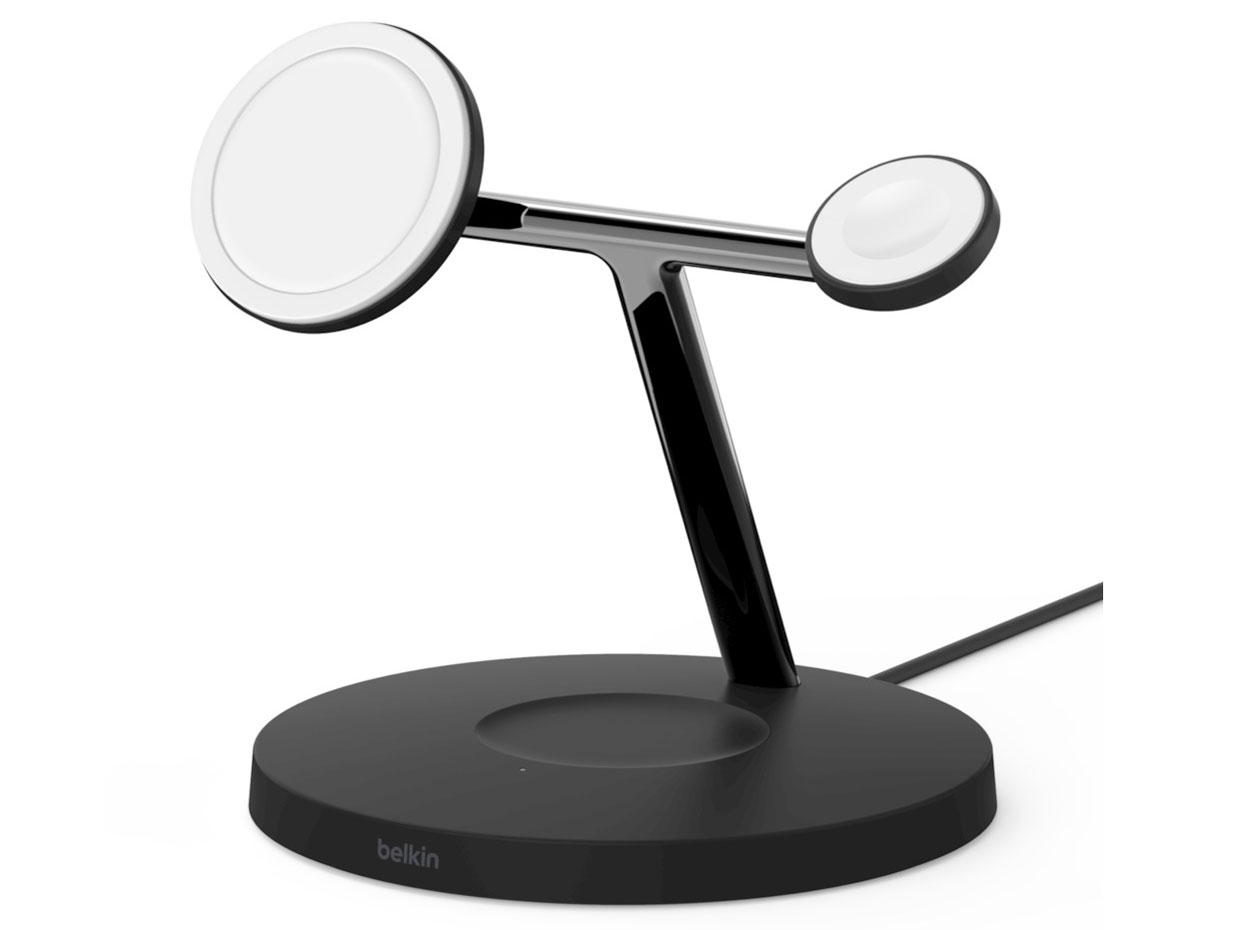


Yamazaki Tower Bathroom Organizer (Japan)
The Yamazaki Tower bathroom organizer is designed around the steel-panel unit bath system that dominates unit-bath apartment construction. Magnetic mounting means no drilling, no adhesive, and instant repositioning — relevant because Japanese tenants typically cannot alter walls under their lease terms. The rust-resistant powder-coat finish holds well in the steam-heavy shower environment, the 3-tier configuration handles the full shampoo-conditioner-body wash lineup, and Yamazaki's parts support in Japan is the strongest of any brand in this list. The honest weakness: the magnetic mounting is useless if your bathroom has tile walls (run a magnet across the surface to check — it sticks on steel-panel unit baths), and the powder coat chips on impact, exposing steel that will rust if not addressed.
Pros
- ✓Magnetic mounting designed for Japanese steel-panel unit bathrooms — no drilling or adhesive
- ✓3-tier configuration fits full shampoo, conditioner, body wash lineup
- ✓Rust-resistant powder coat performs well in humid shower environments
- ✓Yamazaki parts support is the strongest of any brand in this comparison for Japan market
Cons
- ✗Magnetic mounting only works on steel-panel unit bath walls — unusable on tile
- ✗Powder coat chips on impact, exposing steel that rusts without treatment
Score breakdown
| Dimensions | 24 × 12 × 60 cm |
| Material | Powder-coated steel |
| Weight capacity | 1.8 kg per shelf |
| Mounting type | Magnetic (unit bath walls) |
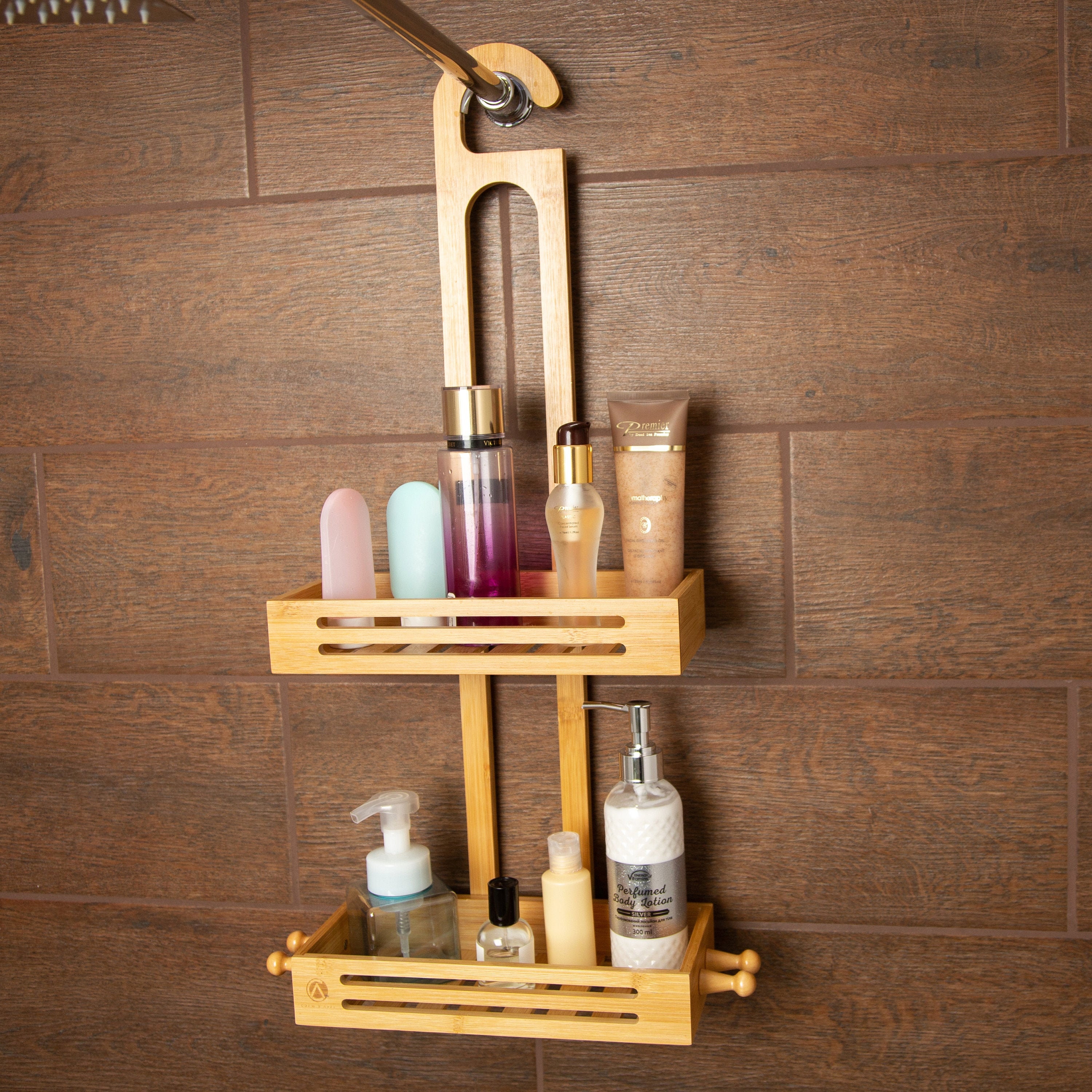
simplehuman Bamboo Shower Shelf
The simplehuman Bamboo Shower Shelf is the most durable material combination in this comparison — bamboo resists bathroom humidity better than powder-coated steel and looks warmer than acrylic or stainless alone. The tension pole mounting is tool-free and works in any bathroom with a flat ceiling in the 218-274 cm range. The 3.5 kg per shelf capacity is backed by consistent long-term owner reviews that don't flag early shelf sagging, which is the typical failure mode for cheaper tension units. At $89+ it's the most expensive organizer in this comparison, and you're paying primarily for the bamboo material and the simplehuman build quality consistency.
Pros
- ✓Bamboo and stainless steel material combination is the best for long-term humidity resistance
- ✓Tool-free tension pole installation works in any flat-ceiling bathroom
- ✓3.5 kg per shelf capacity is honest and consistent with long-term owner reports
- ✓simplehuman brand quality consistency is above-average for accessories
Cons
- ✗Most expensive organizer in this comparison at $89–$129
- ✗Tension pole requires flat ceiling in 218–274 cm height range — doesn't fit low or vaulted ceilings
Score breakdown
| Dimensions | 30 × 15 × 65 cm |
| Material | Bamboo + stainless steel |
| Weight capacity | 2.3 kg per shelf |
| Mounting type | Tension pole (floor-to-ceiling) |

Umbra Trigg Floating Shelf
The Umbra Trigg floating shelf is the design-first bathroom organizer in this list — it was designed as a display shelf and was adopted by bathroom users, which shows in both its aesthetics and its weight limit. The geometric powder-coated steel construction looks minimal and architectural in a way that standard bathroom organizers don't, and the adhesive mounting option makes it renter-friendly on smooth ceramic tile. The 3.5 kg capacity is per shelf, which covers light bathroom display use. The honest weakness: 3.5 kg fills quickly (two full shampoo bottles alone exceed 1.7 kg), and the Trigg's form factor — individual floating shelves — is better for displaying three or four things elegantly than for storing twelve bathroom products efficiently.
Pros
- ✓Most aesthetically distinctive design in the comparison — works as display shelf outside the bathroom too
- ✓Adhesive mounting option is renter-friendly on smooth ceramic tile
- ✓Powder-coated steel available in matte black, walnut, and natural colorways
- ✓Included hardware covers both drywall and tile installation
Cons
- ✗3.5 kg per shelf fills quickly with full shampoo and conditioner bottles
- ✗Individual shelf format is better for display than bulk storage — inefficient for 10+ bathroom products
Score breakdown
| Dimensions | 23 × 10 cm per shelf |
| Material | Powder-coated steel |
| Weight capacity | 3.5 kg per shelf |
| Mounting type | Wall-mount (drill or adhesive) |

Organize It Wall-Mount Bathroom Caddy
The Organize It wall caddy is the most storage-per-dollar product in this comparison. Three stainless steel baskets in a single wall mount handle the full bathroom product lineup — shampoo, conditioner, body wash, face wash, razor, and accessories — without requiring shelf reorganization every week. The stainless steel construction is genuinely rust-resistant (not just powder-coated mild steel), and the removable drip tray on each basket is a practical cleaning feature that more expensive organizers in this list don't include. The honest weakness: the industrial wire-basket aesthetic is functional and inoffensive but not designed for display, and the primary mounting method is drill — renters and tenants in Japan with no-drill lease terms need to check whether the adhesive secondary option achieves rated weight capacity on their specific tile.
Pros
- ✓Three baskets in one wall mount — most storage per wall inch in the comparison
- ✓Genuine stainless steel construction resists rust without coating chips to worry about
- ✓Removable drip tray on each basket simplifies interior cleaning
- ✓Lowest price of the wall-mount options in this comparison
Cons
- ✗Wire basket industrial aesthetic — purely functional, not designed for display
- ✗Primary mounting is drill — adhesive option performance varies by tile type
Score breakdown
| Dimensions | 32 × 10 × 45 cm total |
| Material | Stainless steel |
| Weight capacity | 2 kg per basket |
| Mounting type | Wall-mount (drill primary, adhesive secondary) |
Which one is right for you?
For Japanese steel-panel bathrooms
Yamazaki Tower Bathroom Organizer (Japan)
Magnetic mounting works without drilling or adhesive on the steel-panel walls found in 80%+ of Japanese unit bath systems.
For design-forward bathrooms with budget to match
simplehuman Bamboo Shower Shelf
Natural bamboo and stainless steel construction looks premium and resists humidity better than powder-coated steel or acrylic.
For renters who cannot drill walls
Umbra Trigg Floating Shelf
Adhesive mounting option makes wall installation reversible, and the minimal Trigg design works in any bathroom aesthetic.
For minimalist bathrooms wanting modular storage
bath-organizer-muji-acrylic-jp
Stackable clear acrylic trays adapt to any shelf or counter layout and cost a fraction of Western organizer brands.
For bathrooms needing maximum basket storage
Organize It Wall-Mount Bathroom Caddy
Three-basket stainless caddy packs the most per-linear-inch storage of any unit in this comparison.
Why bathroom organizer failures happen (and what to actually look for)
Bathroom organizers fail in three predictable ways: rust, adhesive detachment, and tipping. Rust happens on powder-coated steel when the coating chips — typically from dropped shampoo bottles denting a basket — and the exposed steel meets daily condensation. This is a more severe problem in tight enclosed bathrooms, where hotter showers create humidity levels that can reach 90-100% for 20-30 minutes twice daily. Products marketed as 'rust-resistant' use either stainless steel (genuinely resistant), anodized aluminum (also resistant), or powder-coated mild steel (resistant only while the coating is intact). The distinction matters.
Adhesive detachment is the failure mode that generates the most one-star reviews — specifically, the type where an organizer holds for three months, then falls at 2 AM taking everything with it and potentially cracking the tile. Adhesive mounting systems that work in bathrooms use specific chemistry (3M VHB tape or equivalent) rated for wet environments. Basic double-sided foam tape, which manufacturers sometimes substitute, fails reliably in shower humidity within weeks to months. The Umbra Trigg's mounting hardware and the Organize It caddy's adhesive option both use suction-cup or VHB-spec adhesive, which is why the failure rate in long-term reviews is different from budget adhesive organizers. If you're renting and cannot drill, verify the specific adhesive chemistry before committing — not all 'adhesive mount' products use the same materials.
Tipping is the least considered failure mode but the most relevant for freestanding units on slippery floors. A freestanding rack loaded with shampoo bottles (which can add up to 3-5 kg on a fully loaded organizer) has a high center of gravity and a small footprint. On a wet bathroom floor it will tip if someone steps on the base during entry or exit. The relevant spec is base width relative to height — a unit wider than 25 cm at the base and shorter than 90 cm has reasonable tip-resistance; a unit with a 15 cm base and 90+ cm height is a safety concern. The Yamazaki Tower units and Simplehuman units publish their base dimensions; cheaper alternatives often don't.
Mounting types compared honestly
Tension pole mounting works by spring-loading a pole between your floor and ceiling, and it's the most installation-friendly system — no drilling, no adhesive, adjustable positioning. The limits: most tension poles spec out at 183-274 cm ceiling height, which covers standard bathroom ceilings (typically 220-240 cm) but not some older 1960s construction that runs 200 cm or lower. Weight capacity depends on how well the pole contacts the ceiling — domed or curved ceilings reduce contact area and lower effective weight capacity. Rubber end caps wear over time and poles gradually slip, so checking tension every 3-6 months is necessary maintenance rather than optional. The simplehuman tension unit is the best example in this category.
Magnetic mounting is specific to Japanese and Korean bathrooms with steel-panel unit bath systems (ユニットバス), which make up roughly 80% of apartment bathrooms in Japan built since the 1980s. It's genuinely the ideal system for those bathrooms: no adhesive, no drilling, repositionable instantly, and strong enough for the loads most organizers carry. The critical check is whether your bathroom is a unit bath type — run a magnet across the wall surface and see if it sticks. Yamazaki Tower builds nearly its entire bathroom lineup around this reality and is the primary brand that optimizes for it. Overseas brands rarely even acknowledge this mounting type exists.
Adhesive and suction mounting have the same Achilles heel: the contact surface has to be perfectly clean, dry, and smooth for the bond to achieve rated strength. In practice, bathroom tile surfaces have grout lines, textured finishes, and silicone sealant that reduce the effective bonding area. Suction cups fail on textured tile. VHB tape fails on dirty or silicone-contaminated surfaces. Both fail on natural stone tile (marble, granite) due to porosity. If your bathroom has smooth ceramic or glass tile, adhesive and suction systems can be reliable; if you have textured, natural, or porous surfaces, expect reduced holding strength and a higher failure rate.
Where each product fits
Yamazaki Tower is the pick for Japanese unit bathrooms. The magnetic mounting system is designed around the steel-panel walls that dominate apartment bathrooms across Japan, and it shows — no drilling, no adhesive failure, reposition whenever you want, and the powder-coated steel construction holds up in the steam that wrecks lesser materials. The honest weakness is that it's market-specific: if your bathroom has tile or non-magnetic walls, it's a non-starter. The powder coat can chip when you drop a heavy shampoo bottle against the rack, and once the steel is exposed, rust follows. Yamazaki sells replacement parts and the brand support in Japan is strong, which mitigates this.
simplehuman Bamboo Shelf ($89–$129) is the premium pick for people who want an organizer that genuinely looks good and holds up for years without thinking about it. The combination of bamboo shelves and stainless steel frame is the best material pairing in this comparison for humid environments — bamboo resists moisture better than untreated wood and has a warmer appearance than acrylic or steel. The tension pole mounting is tool-free and works in any bathroom with a flat ceiling. The honest weakness is the price — at $89+ it costs three to four times a budget alternative — and the tension pole requires ceiling height within the 218-274 cm range. Buyers with 200 cm ceilings or vaulted ceilings need a different solution.
Umbra Trigg Shelf ($35–$75) is the wall-mounted display pick for renters who care about aesthetics. The geometric shelf design is the most visually distinctive product in this comparison and works equally well as a bathroom organizer or living room display shelf — it's a bathroom organizer that doesn't look like a bathroom organizer. The adhesive mounting option is rental-friendly when properly applied to smooth tile. The honest weakness is weight capacity: 3.5 kg per shelf sounds reasonable until you load it with a full shampoo bottle (800 ml = ~0.85 kg), conditioner, body wash, and a soap dish — that combination hits 3-4 kg quickly. The Trigg works for light bathroom display, not heavy product storage.
Muji Acrylic Organizer is the modular, freestanding pick for people who reorganize frequently or want to see what they're reaching for. The clear acrylic construction is the only design in this comparison that lets you read labels and check fill levels without touching the container. The stackable, dishwasher-safe design means each piece can be removed, cleaned, and reassembled — a genuine benefit in a bathroom context where organizer interior surfaces accumulate product residue over time. The honest weakness is durability: acrylic scratches visibly with metal contact and cracks under significant impact. Drop a ceramic soap dish onto the organizer and the acrylic shows damage. Long-term reviews note that the stackable connection points loosen after a year of daily handling.
Organize It Wall Caddy ($28–$55) is the value pick that fits the most product into the smallest wall footprint. Three stainless steel baskets in a vertical arrangement store shampoo, conditioner, body wash, face wash, and shaving supplies in a single wall mount. The price is the most accessible in this comparison, the stainless steel construction is genuinely rust-resistant, and the removable drip tray on each basket is a practical cleaning feature that premium products in this list charge twice as much and don't include. The honest weakness is aesthetic — the wire basket industrial look is functional but not beautiful, and the drill-mount primary installation method rules it out for renters.
What experienced buyers check before purchasing
Measure the ceiling height and determine whether you have unit bath walls before looking at any product. If you have a steel-panel unit bath with magnetic walls, Yamazaki Tower is the structurally correct solution and the other products are workarounds. If you have tile walls and a standard ceiling, tension pole and wall-mount options open up. If you're renting in North America or Europe with standard tile and cannot drill, adhesive options are viable if your tile is smooth ceramic. These three questions eliminate wrong-fit products before you consider aesthetics or price.
Check the weight capacity per shelf against the actual weight of what you plan to store. A full 800 ml shampoo bottle weighs about 850 grams. Conditioner, body wash, face wash, and shaving supplies commonly add another 2-3 kg total. If you're loading a shelf with 3-4 kg of product, a 2 kg rated shelf is undersized — it will hold initially but the mounting stress accumulates and the shelf drifts or fails earlier than it should. Most bathroom organizer weight capacity claims are for the shelf alone in static conditions, not the dynamic shock load of a dropped item or daily access. The Simplehuman tension caddy's 3.5 kg per shelf and the Organize It's 2 kg per basket are the most honest specs in this comparison based on corroborating long-term owner reports.
Read the one-star reviews specifically, not the average rating. Bathroom organizer failures concentrate in predictable patterns: adhesive products fall in months 2-6, powder-coated steel rusts at chip points in months 12-24, tension pole rubber caps wear in months 18-36. The average rating is shaped by buyers who leave reviews in the first two months before failure modes appear. The one-star reviews cluster at the actual failure timelines. An organizer with 4.2 stars from 3,000 reviews and 150 one-star reviews mentioning 'fell off wall at 3 months' tells you more than the average rating does.
