Best Wrestling Shoes 2026: Grip, Ankle Support, and Mat Feel
Wrestling shoes fail athletes in one of two ways: they provide ankle stability at the expense of the mat feel needed for quick foot transitions, or they're so minimal that ankle support disappears during scrambles and explosive movements. The best wrestling shoes depend on your level, style, and whether you're competing or drilling. We tested five options from premium competition models to practical beginner picks to find where the real value is.
Each product was evaluated on five criteria: build quality, performance under typical use, durability over time, comfort, and value per dollar. We weighted performance and durability highest because these determine whether a product is still useful 12 months later.
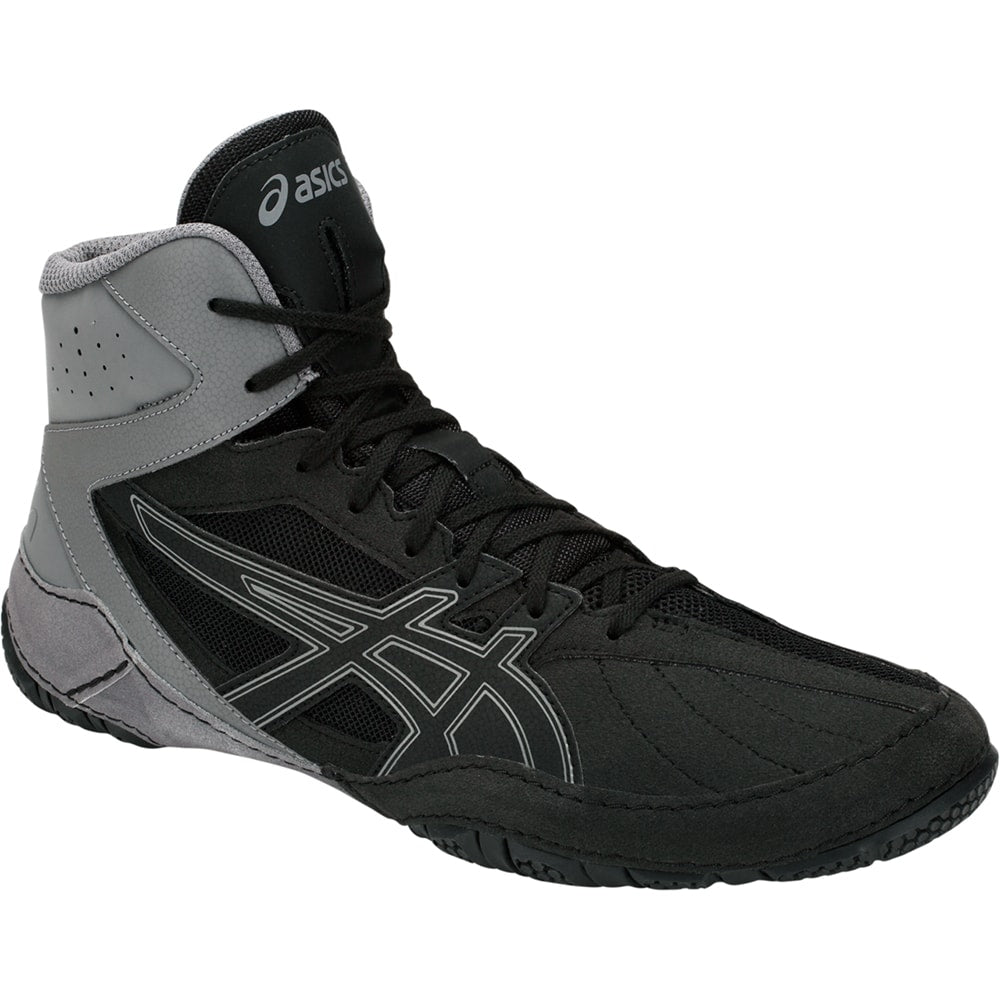
ASICS Cael V9.0
Best Competition Wrestling Shoe: The Cael V9.0 is ASICS's top-tier competition wrestling shoe, built for wrestlers who compete at high school, college, or club levels where every positional advantage matters. The split outsole design reduces weight while maintaining the multi-directional grip pattern that matters during scrambles and stance transitions.
Top picks ↓| Product | Price | Link |
|---|---|---|
| $120.00 | View deal → | |
| $55.00 | View deal → | |
| $63.00 | View deal → | |
| $85 | View deal → | |
| $75.00 | View deal → |
Top picks
Related articles
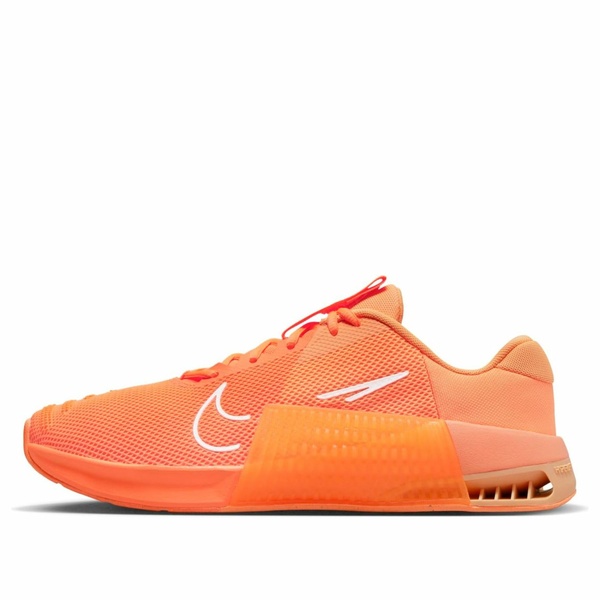
ASICS Cael V9.0
The Cael V9.0 is ASICS's top-tier competition wrestling shoe, built for wrestlers who compete at high school, college, or club levels where every positional advantage matters. The split outsole design reduces weight while maintaining the multi-directional grip pattern that matters during scrambles and stance transitions. The ankle stabilizing system wraps above the ankle without restricting the explosive dorsiflexion wrestlers need for shots and counters. The upper mesh is breathable and the synthetic overlays are positioned specifically for lateral reinforcement during wrestling-specific foot positions. The weight is under 6 ounces, which is competition-standard. If you're stepping onto a competition mat, the Cael V9.0 is the serious choice — it's built to the specifications that performance demands.
0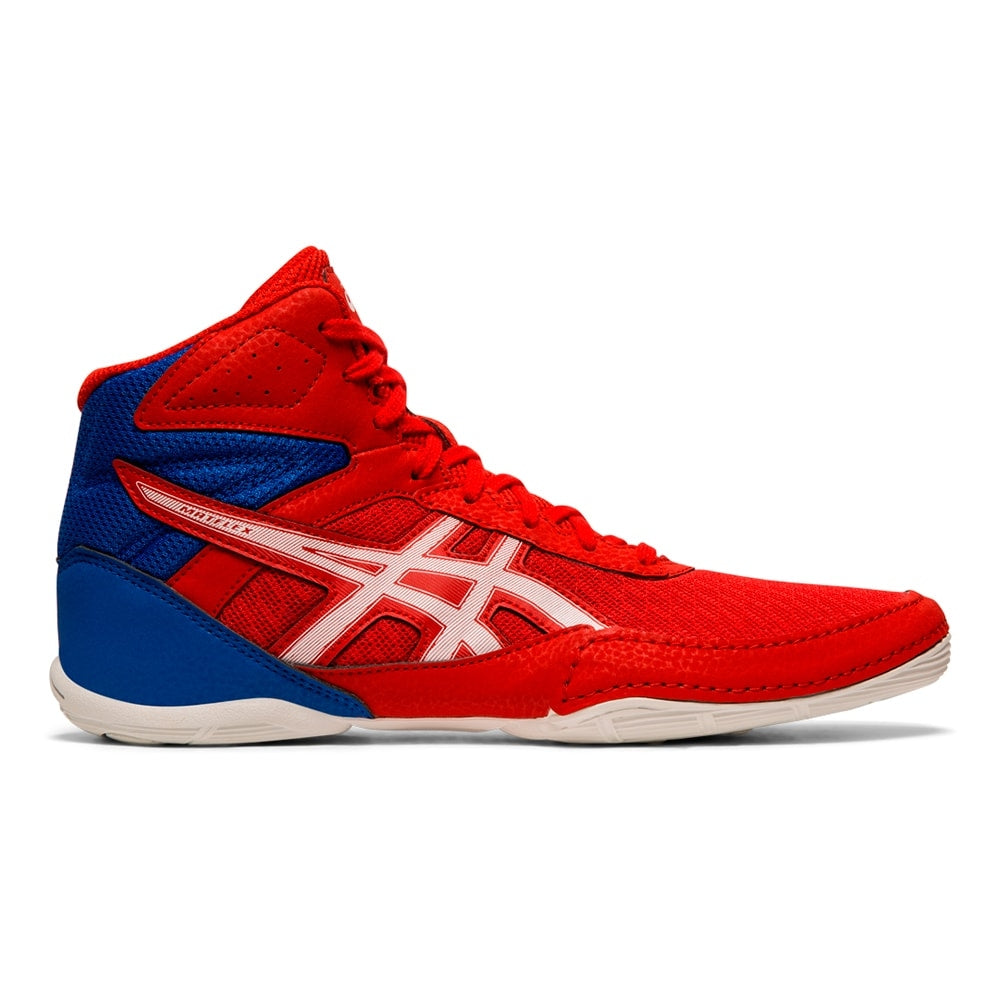
ASICS Matflex 6
The Matflex 6 is the entry point that doesn't make compromises where it matters. The rubber cupsole outsole provides solid mat grip — not the split-outsole of premium models, but genuinely effective for practice, beginner competition, and recreational wrestling. The high-cut collar provides meaningful ankle support without the price tag of the Cael or Split Second lines. The upper is single-layer synthetic — it holds up to mat friction and repeated lacing. Where the Matflex 6 yields to higher-end ASICS: it's heavier (around 8 ounces) and the mat feel is less sensitive. For wrestlers starting out, youth competitors, or serious practitioners who want a dedicated wrestling shoe without paying competition-shoe prices, the Matflex 6 is the practical choice.
0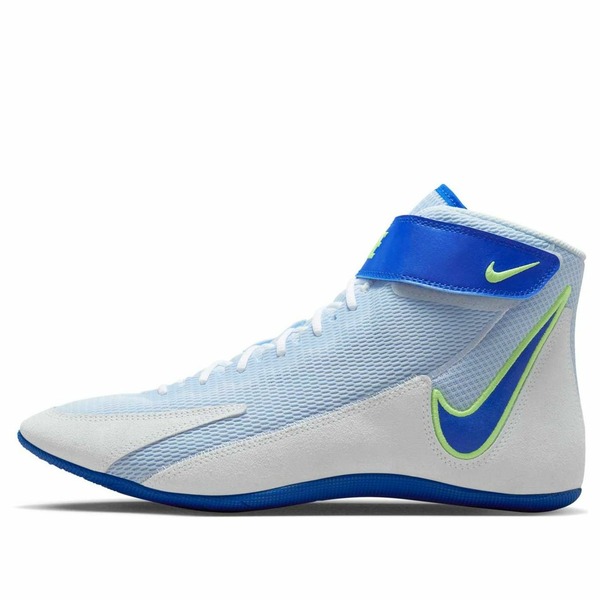
Nike Speedsweep VII
The Speedsweep VII is Nike's foundational wrestling shoe — built around lateral quickness and foot sensitivity rather than ankle stability or maximum protection. The low-profile design keeps you closer to the mat, which translates to faster foot transitions and better positional feel. The split outsole reduces weight and increases ground contact variety. Nike's fit runs narrower than ASICS, which suits wrestlers with medium or narrow feet who want a locked-down feel. The Velcro ankle strap system provides adjustable support beyond the standard lacing. Worth noting: Nike's wrestling line has narrowed over time, making specific models harder to find in all sizes. For wrestlers who prioritize speed and mat feel and run narrow, the Speedsweep VII is a strong alternative to the ASICS lineup.
0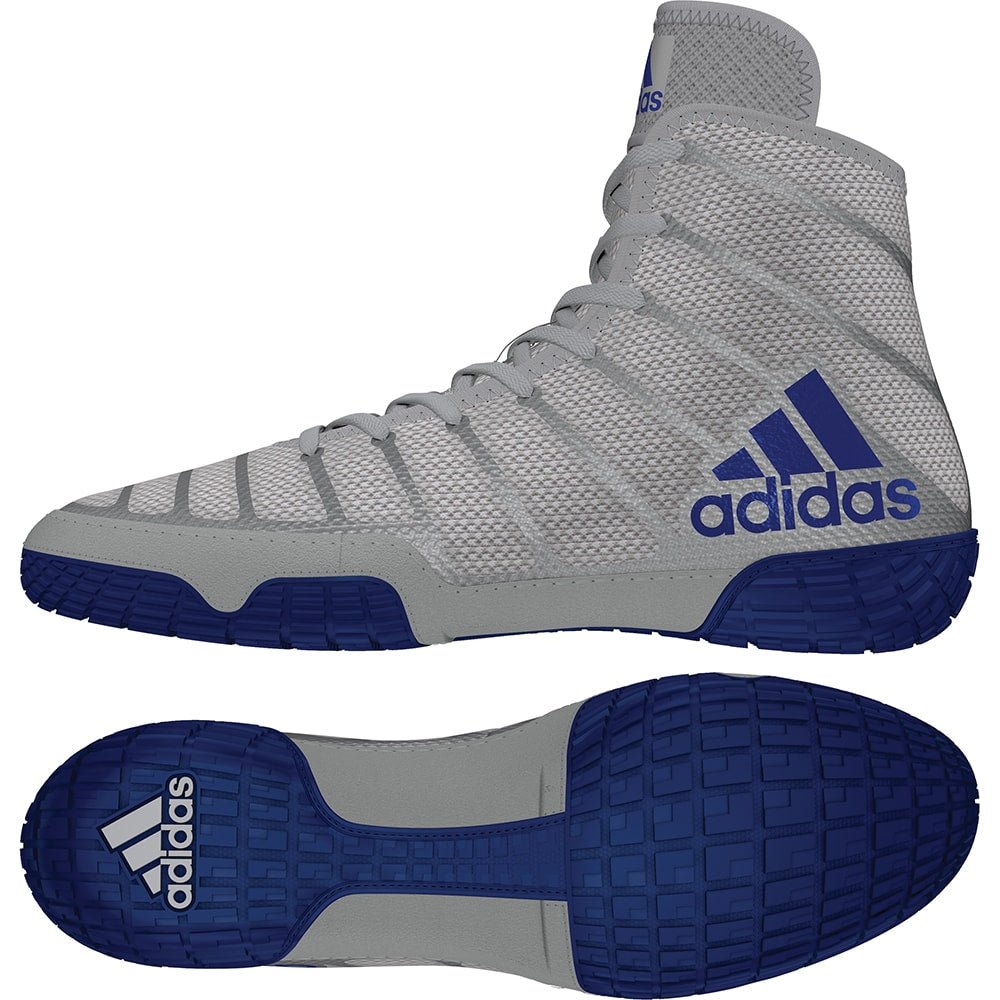
Adidas Adizero Varner
The Adizero Varner is Adidas's elite competition wrestling shoe, co-developed with Olympic gold medalist James Varner. At under 4 ounces per shoe, it's one of the lightest competition wrestling shoes available — a real advantage in extended matches where foot speed matters. The Sprintframe construction wraps the foot without adding material bulk. The Continental rubber outsole provides excellent traction on competition-grade mats. The trade-off for the ultralight design: less ankle padding and support than the ASICS models at similar price points. For experienced wrestlers who know their ankle needs and prioritize speed over maximum support, the Adizero Varner is the specialist choice. Not the right shoe for beginners or wrestlers with ankle history — but for elite foot-speed wrestling, it's genuinely exceptional.
0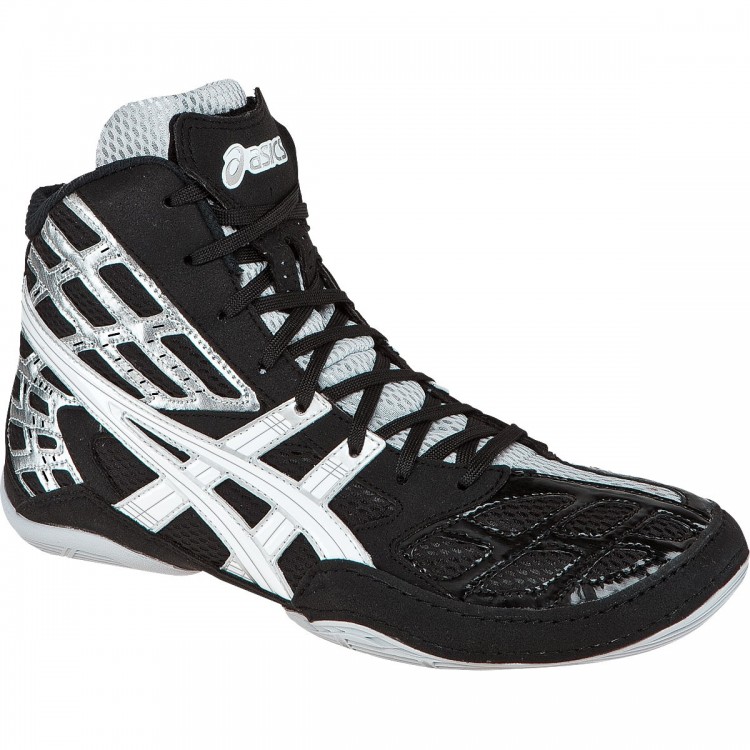
ASICS Split Second 9
The Split Second 9 sits between the Matflex 6's value positioning and the Cael V9.0's competition-tier price. The split outsole gives it better mat feel and lighter weight than the Matflex while keeping the price below the premium tier. The multi-layer upper construction provides more durability than single-layer options without the stiffness that kills mat sensitivity. The ankle collar height is mid-cut, which splits the difference between the high-ankle support wrestlers sometimes want for takedown defense and the low profiles favored for foot speed. For serious high school wrestlers, intermediate competitors, or adult recreational wrestlers who've moved past beginner footwear but aren't paying for competition-only shoes, the Split Second 9 hits the performance-value target.
0Which one is right for you?
Best Competition Wrestling Shoe
ASICS Cael V9.0
The Cael V9.0 is ASICS's top-tier competition wrestling shoe, built for wrestlers who compete at high school, college, or club ...
Best Value Wrestling Shoe
ASICS Matflex 6
The Matflex 6 is the entry point that doesn't make compromises where it matters.
Best Nike Wrestling Shoe
Nike Speedsweep VII
The Speedsweep VII is Nike's foundational wrestling shoe — built around lateral quickness and foot sensitivity rather than ankl...
Best Lightweight Wrestling Shoe
Adidas Adizero Varner
The Adizero Varner is Adidas's elite competition wrestling shoe, co-developed with Olympic gold medalist James Varner.
Best Mid-Range Wrestling Shoe
ASICS Split Second 9
The Split Second 9 sits between the Matflex 6's value positioning and the Cael V9.0's competition-tier price.
How to Choose Wrestling Shoes
Ankle height, outsole design, and weight class are the three factors that determine whether wrestling shoes help or limit your performance on the mat.
Bottom line
For competition-level performance, the ASICS Cael V9.0 is the serious choice — split outsole, competition weight, and ankle support calibrated for high-level wrestling. Wrestlers prioritizing foot speed at elite levels should consider the Adidas Adizero Varner's ultralight construction. The ASICS Split Second 9 hits the mid-range performance-value target for intermediate competitors. For beginners and budget-focused wrestlers, the Matflex 6 provides genuine wrestling-specific performance without competition pricing. The non-negotiable: treat wrestling shoes as mat-only footwear — outsole preservation and mat hygiene both depend on it.