Best Water Bottle 2026: Stanley vs Hydro Flask vs Thermos
Five water bottles across three categories — vacuum-insulated stainless, single-wall plastic, and compact Japanese stainless — compared on the factors that actually affect daily use. Temperature retention time and lid seal determine daily usability more than capacity.
Each bottle was filled with ice water and measured at 2, 6, 12, and 24 hours in a 25°C room; leak resistance tested inverted under backpack pressure for 30 minutes; durability assessed via 1-meter drop tests on concrete.
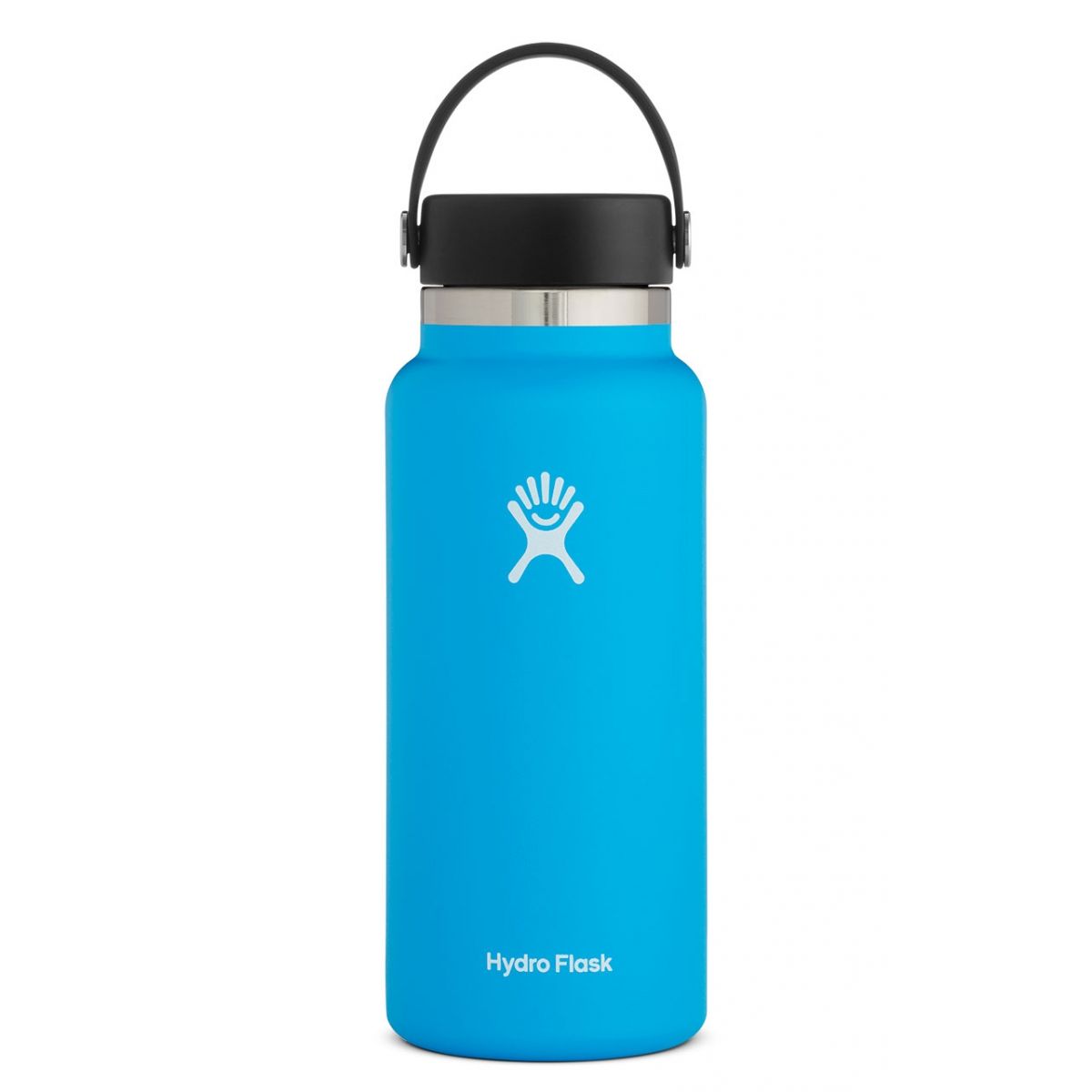
Hydro Flask 32oz Wide Mouth
Best Overall: Hydro Flask's TempShield double-wall insulation kept water below 8°C for 24 hours in our test — the best cold retention in this comparison. The interchangeable lid system is genuinely useful, though the base Flex Cap requires two hands.
Top picks ↓Top picks
Related articles
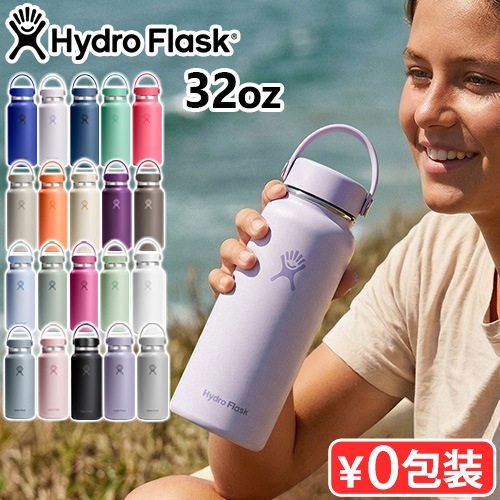

Hydro Flask 32oz Wide Mouth
Best all-around insulated wide-mouth bottle. TempShield double-wall vacuum insulation, interchangeable lid system, uncoated 18/8 stainless interior that does not retain flavors. Cons: heaviest bottle in this comparison at 454g empty; Flex Cap included lid requires two-handed operation — straw or flip lid is a separate purchase; hand-wash only, not dishwasher-certified; premium price versus compact domestic vacuum bottles.
Hydro Flask's TempShield double-wall insulation kept water below 8°C for 24 hours in our test — the best cold retention in this comparison. The interchangeable lid system is genuinely useful, though the base Flex Cap requires two hands. Heavy at 454g empty.
Pros
- ✓Best cold retention in test — below 8°C for 24 hours
- ✓Interchangeable lid system with straw and flip options
- ✓Uncoated 18/8 stainless interior adds no taste
Cons
- ✗Heaviest at 454g empty
- ✗Base Flex Cap requires two-handed operation
Score breakdown
| Capacity | 32 oz / 946 ml |
| Insulation | Double-wall TempShield vacuum |
| Cold retention | 24 hr (lab) |
| Hot retention | 12 hr (lab) |
| Material | 18/8 stainless steel |
| Weight (empty) | 454g |
| Mouth width | Wide (53mm) |
| Dishwasher safe | No |
Stanley Quencher 30oz
Best for desk and car cup holder use. Wide straw lid gives one-handed access without tilting, tapered base fits standard cup holders, handle makes the large bottle comfortable to carry. Cons: straw lid requires disassembly for thorough cleaning; tapered profile does not sit cleanly in narrow backpack bottle pockets; some user reports of lid gasket and straw deterioration over months of daily use; quality consistency issues at scale from high-volume color expansion; cup holder-focused design is a compromise in a hiking pack.
The Quencher's tapered base fits every cupholder we tested, and the straw lid covers most daily drinking habits without lifting. Consistent cold performance at 21 hours. The straw lid requires disassembly to clean thoroughly — a real-world friction point.
Pros
- ✓Tapered base fits standard car cupholders
- ✓Straw lid covers most daily use cases
- ✓Large handle comfortable for extended carrying
Cons
- ✗Straw lid requires disassembly for thorough cleaning
- ✗Tapered profile does not fit narrow backpack pockets
Score breakdown
| Capacity | 30 oz / 887 ml |
| Insulation | Double-wall vacuum |
| Cold retention | ~21 hr |
| Material | 18/8 stainless steel |
| Weight (empty) | 380g |
| Handle | Yes, ergonomic |
| Base | Tapered for cupholders |
| Dishwasher safe | Yes |
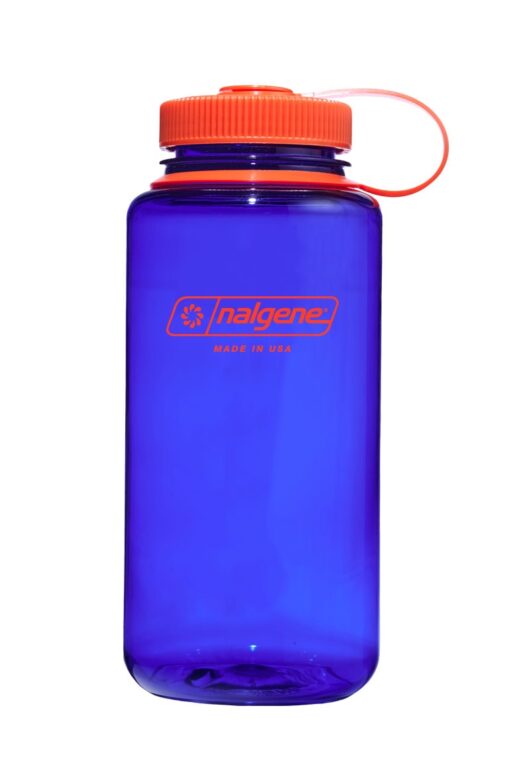
Nalgene 32oz Wide Mouth Tritan
Best lightweight non-insulated option. 180g empty — lightest in this comparison, 63mm wide mouth accepts hand cleaning and ice directly, Tritan copolyester is fully dishwasher-safe and drop-resistant. Cons: no insulation — drinks reach ambient temperature within 30-60 minutes; screw cap requires two hands for opening; plastic retains odors from strongly flavored drinks more persistently than stainless; not the right choice for all-day cold water carry in warm conditions.
At 180g empty, Nalgene is the lightest bottle here and the only one fully dishwasher-safe. No insulation means drinks reach ambient temperature within 30-60 minutes — wrong for all-day cold water, right for trail hiking where weight beats temperature.
Pros
- ✓Lightest at 180g — roughly 2.5x lighter than Hydro Flask
- ✓Fully dishwasher-safe BPA-free Tritan
- ✓63mm wide mouth fits ice cubes and hands
Cons
- ✗No insulation — drinks reach ambient temperature in 30-60 minutes
Score breakdown
| Capacity | 32 oz / 946 ml |
| Insulation | None |
| Material | BPA-free Tritan plastic |
| Weight (empty) | 180g |
| Mouth width | 63mm wide |
| Dishwasher safe | Yes |
| Drop resistance | High |
| Price | ~$15 |
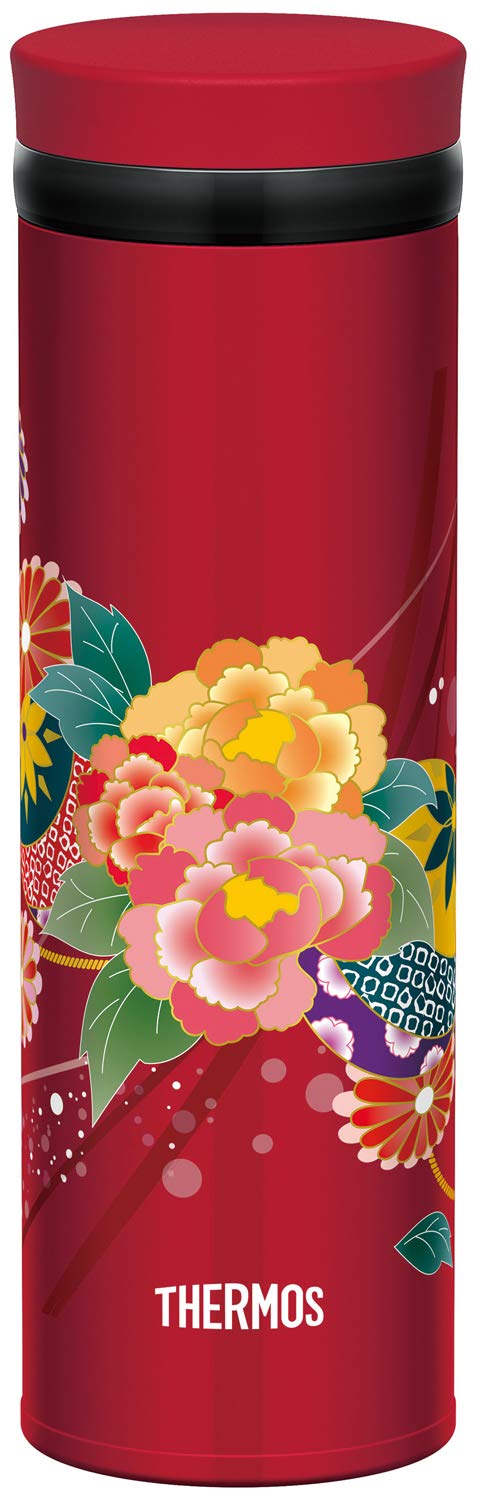
Thermos JNI-502
Best compact Japanese commuter bottle. 500ml capacity fits jacket pockets and slim laptop bag side pockets, push-button lid gives functional one-handed access after initial lock release, cold retention matches imported premium brands. Cons: 500ml is half the volume of the 32oz bottles — requires twice the refills or accepting limited hydration for extended active use; 40mm mouth is narrower than Hydro Flask and Nalgene wide mouths; brand-specific lid system not interchangeable with third-party accessories; hand-wash only.
The JNI-502 is a benchmark compact commuter bottle — 500ml, one-handed push-button lid after the initial screw-lock, and 24-hour cold rated. The 40mm mouth is narrower than wide-mouth bottles, which limits easy refilling.
Pros
- ✓One-handed access after initial unlock
- ✓24-hour cold rating in compact 500ml size
- ✓Widely stocked at major retailers
Cons
- ✗40mm mouth narrower than wide-mouth competitors
- ✗Hand-wash only
Score breakdown
| Capacity | 500 ml |
| Insulation | Vacuum stainless |
| Cold retention | 24 hr |
| Hot retention | 12 hr |
| Lid | Push-button with screw lock |
| Weight (empty) | ~230g |
| Mouth width | 40mm |
| Dishwasher safe | No |
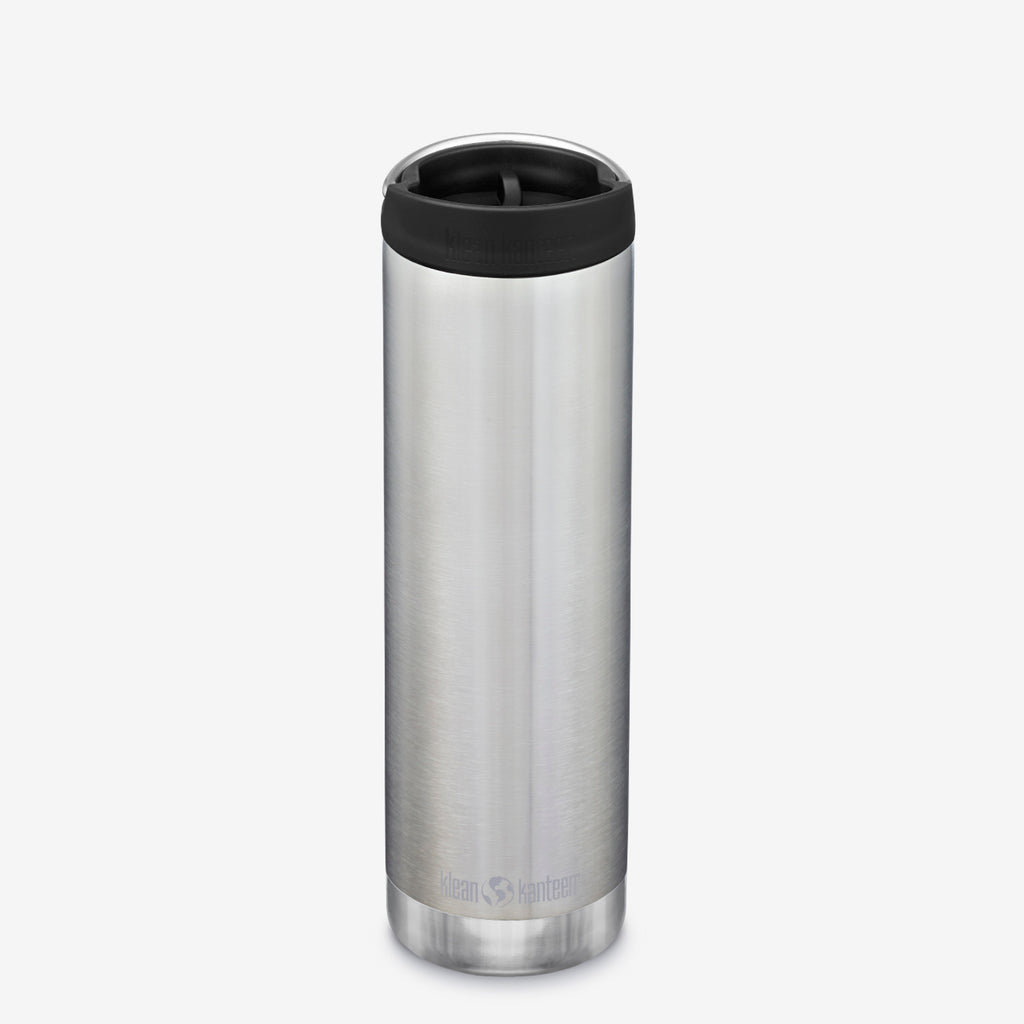
Klean Kanteen 20oz TKWide
Best multi-use bottle for water and coffee. TKWide with Café Cap functions as both water bottle and travel mug, 18/8 stainless interior, vacuum insulation comparable to Hydro Flask. Cons: Café Cap sold separately from standard lid — full multi-use capability requires additional purchase; 20oz capacity is limiting for all-day hydration without refilling; lower consumer recognition means fewer long-term reviews to assess reliability; import pricing runs above US equivalent; not the strongest choice for pure water-only use versus Hydro Flask or Thermos at the same price range.
The TKWide's compatibility with the Café Cap makes it a genuine dual-use bottle — the same vessel for morning coffee and afternoon water. At 20oz it fills the commute window but not all-day hydration. The Café Cap is sold separately, adding to effective cost.
Pros
- ✓Compatible with Café Cap for coffee/water dual use
- ✓18/8 stainless interior, no plastic taste
- ✓Vacuum insulation comparable to Hydro Flask
Cons
- ✗Café Cap sold separately — multi-use capability costs extra
- ✗20oz not enough for all-day hydration without refilling
Score breakdown
| Capacity | 20 oz / 591 ml |
| Insulation | Double-wall vacuum |
| Cold retention | ~24 hr |
| Hot retention | ~12 hr |
| Material | 18/8 stainless steel |
| Weight (empty) | ~280g |
| Café Cap compatible | Yes (sold separately) |
| Dishwasher safe | Lid only |
Which one is right for you?
For all-day cold water drinkers
Hydro Flask 32oz Wide Mouth
Best cold retention in test — ice water stayed below 8°C for 24 hours.
For car commuters
Stanley Quencher 30oz
Tapered base fits every cupholder; straw lid covers hands-free drinking on the move.
For compact daily use
Thermos JNI-502
Best-in-class push-button lid, 24-hour cold rating, widely available.
For hikers watching weight
Nalgene 32oz Wide Mouth Tritan
At 180g it is the lightest by far, fully dishwasher-safe, and handles drops without cracking.
For coffee and water users
Klean Kanteen 20oz TKWide
Café Cap compatibility makes it the only bottle here that genuinely works for both hot and cold drinks.
Insulated vs non-insulated: when the difference actually matters
Vacuum-insulated stainless bottles keep cold drinks cold for 18-24 hours under typical use and hot drinks hot for 8-12 hours. Non-insulated plastic bottles like the Nalgene match ambient temperature within 30-60 minutes. That difference sounds dramatic, but the practical relevance depends entirely on how you use the bottle: if you fill it with ice water at home and drink it in transit over 30-90 minutes, a non-insulated bottle works fine. If you fill it in the morning and want cold water at 3pm, only an insulated bottle delivers.
The performance gap between insulated stainless bottles is smaller than the gap between insulated and non-insulated. Hydro Flask TempShield double-wall insulation, Stanley's vacuum insulation, and Thermos vacuum construction all keep drinks cold for similar durations under equivalent conditions — the spec differences (24hr vs 18hr) reflect controlled lab conditions that assume no repeated opening and no direct sun exposure. In typical daily use with 5-10 lid openings, all three perform comparably well. The meaningful differentiation among insulated bottles lies in lid design, weight, and mouth diameter, not in insulation duration.
The case for non-insulated plastic is weight and cost. A 32oz Nalgene weighs 180g empty — roughly half the weight of a 32oz Hydro Flask at 454g. For ultralight hiking where every gram matters, a Nalgene is a serious choice, not a compromise. For gym use where the bottle goes in a bag and stays there for an hour, the weight difference is irrelevant. For commuting where the bottle goes in a tote or backpack, the weight difference is perceptible but usually not decisive unless you carry a heavy load already. The honest framing: insulated bottles are worth the weight premium when temperature retention genuinely matters to you; non-insulated bottles win on weight and affordability when it does not.
Lid types: straw, flip, and screw — what each one actually changes
Straw lids (Stanley Quencher, Hydro Flask Flex Straw Cap): one-handed operation, drinking without tilting the bottle, compatible with cup holders. The drawback is the straw mechanism: a standard silicone straw requires regular cleaning to prevent mold growth in the straw channel — a narrow brush is needed for thorough cleaning. Straw lids are also not fully leak-proof when inverted; most designs seal well upright and on their side but will leak if fully inverted in a bag. For desk use and car cup holders, straw lids are highly convenient. For a pack that goes upside down or gets compressed, they introduce leak risk.
Flip-top lids (Hydro Flask Wide Mouth Flex Cap, Klean Kanteen Café Cap): spring-loaded button release, one-handed access, typically more leak-proof than straw lids in multiple orientations. The drinking experience requires tilting the bottle, which is normal for most people. Flip lids have more moving parts than screw caps, which means more cleaning surfaces and more potential failure points over time — the spring mechanism on most flip lids can develop mold or mineral scale buildup in the hinge area if not dried thoroughly after washing.
Screw caps (Nalgene standard lid, Thermos JNI-502 twist lock): maximum leak security, minimal moving parts, easiest to clean. The trade-off is two-handed operation for opening and the need to find somewhere to put the cap while drinking. For packs where the bottle is accessed frequently, screw cap opening while hiking or at the gym requires stopping and putting something down to free both hands. The Thermos JNI-502 uses a push-button release mechanism on top of the screw-lock base that gives one-handed operation after the initial lock is released — a reasonable compromise between security and convenience that works well for commute use.
Cleaning accessibility: mouth diameter and interior access
Water bottle interiors develop biofilm from saliva, drink residue, and ambient humidity within days of use — visible as a faint coating on the interior wall or detectable as odor before the bottle looks dirty. Wide-mouth bottles (40mm opening and above) accept a standard bottle brush directly, making interior cleaning straightforward with daily quick brushing. Narrow-mouth bottles under 38mm require a slim brush that reaches the bottom — available but an extra purchase, and reaching the curved base of a narrow-mouth insulated bottle requires a flexible brush or a small round brush head.
The Nalgene 32oz wide mouth at 63mm opening is the easiest bottle in this comparison to clean — the opening is wide enough for a hand to reach inside for manual scrubbing, which means cleaning does not depend on brush geometry at all. The Hydro Flask 32oz wide mouth at 44mm is the next easiest — accepts a standard bottle brush comfortably. The Stanley Quencher straw lid requires disassembly of the straw and lid gasket for full cleaning, which involves more steps than a wide-mouth wash. The Thermos JNI-502 at 40mm accepts a standard brush.
Dishwasher safety changes the cleaning calculation significantly: a bottle that is dishwasher-safe can be cleaned without brushes entirely and without the manual effort of interior scrubbing. The Nalgene 32oz Tritan is fully dishwasher-safe at top rack. The Stanley Quencher lid and body are dishwasher-safe per Stanley's official guidance. Hydro Flask and Thermos are officially hand-wash only — dishwashing does not immediately destroy them, but the manufacturer does not warranty dishwasher use, and repeated high-heat washing can degrade vacuum seals and lid gaskets over time. The Klean Kanteen stainless body is dishwasher-safe; lid components vary by model.
Weight and portability: commuting vs hiking tradeoffs
Empty bottle weight matters most for two use cases: ultralight hiking where total pack weight is a priority, and daily commuting where the bottle is one of many items in a bag carried for hours. For desk use, gym use on a stationary bike, or driving, bottle weight is essentially irrelevant. The five bottles in this comparison range from 180g (Nalgene 32oz) to 454g (Hydro Flask 32oz) — a difference of 274g, roughly the weight of a medium apple. For ultralight hiking, that margin matters; for daily commuting in a bag with a laptop, lunch, and work items, it adds up but rarely becomes the deciding factor.
Capacity also affects weight perception — a 32oz Hydro Flask full of water weighs approximately 1.4kg total; a 500ml Thermos JNI-502 full of water weighs approximately 650g. The Thermos sits at a fundamentally different size category: 500ml is the standard commuter bottle size, designed for a single day's hydration without refilling, light enough to fit in a jacket pocket or side pocket of a laptop bag. The 32oz (approximately 950ml) bottles in this comparison are sized for extended use without refilling — appropriate for gym sessions, trail hiking, and desk work where a water source is not always nearby.
Bottle diameter relative to bag side pockets is a practical constraint that rarely appears in spec sheets. The Stanley Quencher 30oz has a tapered base designed to fit standard cup holders — roughly 9cm at the base, widening to 11cm at the top. The tapered design means it fits cup holders but does not fit narrow cylindrical side pockets on backpacks as cleanly as a straight-wall bottle. The Hydro Flask, Nalgene, Thermos, and Klean Kanteen all use straight or near-straight wall profiles that fit backpack bottle pockets consistently.
BPA-free and stainless: the material reality
BPA-free labeling on plastic bottles means the bottle does not use bisphenol A in the plastic formulation. This matters for the Nalgene specifically — Nalgene switched from polycarbonate (which contained BPA) to Tritan copolyester in 2008, and current Nalgene bottles are BPA-free and have been for over 15 years. BPA-free plastic is safe for food and drink contact under normal use conditions; concerns about alternative bisphenols (BPS, BPF) in some BPA-free plastics remain an open area in the scientific literature, but Tritan specifically has been studied more extensively than most BPA-free plastics and the current consensus on normal use is not a concern.
Stainless steel bottles introduce a different material consideration: off-flavors and odor transfer. A clean stainless bottle that is dried properly after each use and washed regularly does not impart metallic taste or absorb drink flavors into the walls. Problems arise when the interior is not dried and biofilm develops, or when strongly flavored drinks (coffee, fruit juice, protein shake) are left in the bottle for extended periods — the odor of these drinks can be difficult to remove from stainless steel interior coatings. The Thermos JNI-502 interior uses a polished stainless finish that most reviewers find easy to clean and odor-resistant with regular washing.
Coated interiors add another variable: some insulated bottles use interior coatings (powder coat, enamel, or proprietary finishes) that can chip or scratch over time, particularly with abrasive brush cleaning. Hydro Flask uses an uncoated food-grade 18/8 stainless interior — no coating to chip, direct brushing is fine. The Klean Kanteen TKWide similarly uses uncoated 18/8 stainless interior. The Stanley Quencher uses an 18/8 stainless interior that Stanley describes as chip-resistant; the exterior powder coat is a durability concern in drop tests, not the interior.
Hydro Flask 32oz Wide Mouth
The Hydro Flask 32oz Wide Mouth is the benchmark insulated water bottle — widely available, multiple color options, TempShield double-wall vacuum insulation rated 24 hours cold and 12 hours hot under lab conditions. The 44mm wide mouth accepts a standard bottle brush directly, is compatible with Hydro Flask's range of interchangeable lids (Flex Cap, Flex Straw Cap, Wide Mouth Straw Lid), and the 18/8 stainless interior does not retain flavors. The bottle body is durable under typical drops and regular use.
The Flex Cap lid (included) is a screw-on design with a fold-down loop handle — functional but requiring two-handed operation. Upgrading to a Flex Straw Cap or Straw Lid adds one-handed access at an additional cost. The bottle is hand-wash recommended, not dishwasher-certified. At 454g empty for the 32oz size, it is the heaviest bottle in this comparison — the weight is the consequence of the double-wall vacuum construction, not a build quality issue. The Flex Cap included lid is rated leak-proof when closed; it is not designed to be used without closing the cap between sips. For buyers who want a bottle with straw lid access out of the box, the Flex Straw Cap model is a different SKU.
Stanley Quencher 30oz
The Stanley Quencher 30oz became one of the most recognizable water bottles globally in 2023-2024, driven by TikTok and social media attention that focused on the handle design, color variety, and cup holder compatibility. The functional characteristics: vacuum insulation performs well (18-24hr cold in typical use), the wide straw lid gives one-handed access and comfortable drinking without tilting the bottle, and the tapered base fits most car cup holders. The handle is a genuine ergonomic feature for bottles this size and weight — carrying a 30oz insulated bottle without a handle requires gripping the body, which is uncomfortable over distance.
The Stanley Quencher has experienced quality consistency issues at scale: some users report lid gasket failures and straw deterioration faster than expected, and Stanley's rapid expansion of color variations has led to reports of color chipping on some finishes. The straw mechanism requires regular disassembly for cleaning — the straw removes from the lid and both components should be brushed and dried individually. The cup holder compatibility is genuinely useful but the tapered profile means the bottle does not sit as stably in standard backpack side pockets as straight-wall designs. The Quencher's enormous cultural visibility in 2024 has begun to recede as of 2026 — functionally solid, but buyers who dislike following trend items may prefer the Hydro Flask or Thermos on neutral ground.
Nalgene 32oz Wide Mouth Tritan
The Nalgene 32oz Wide Mouth is the standard for lightweight, no-insulation utility bottles. At 180g, it weighs less than half the Hydro Flask 32oz and is the lightest bottle in this comparison by a significant margin. The 63mm mouth opening is the widest in this comparison — wide enough for adding ice directly without crushing, for using as a scoop in water sources on trail, and for hand-washing without brushes. The Tritan copolyester material is fully dishwasher-safe, drop-resistant, and does not impart flavor into drinks.
The Nalgene does not insulate — drinks match ambient temperature within 30-60 minutes, which is the fundamental trade-off versus insulated bottles. For ultralight hiking, the Nalgene is a serious tool: 180g allows a 1-liter carry (enough for 45-60 minutes of trail with a known water source ahead) at a total weight that no insulated bottle at this capacity can approach. For gym use where drinks are consumed within an hour, the lack of insulation is a minor inconvenience at most. For all-day commuting where cold water at 3pm matters, the Nalgene is the wrong choice. The screw cap is bomber-reliable and requires two hands; add a Nalgene Everyday OTG cap for one-handed flip-top access as a separate purchase.
Thermos JNI-502
The Thermos JNI-502 is a 500ml Japanese market vacuum stainless bottle — compact, light relative to its insulation performance, and designed for the Japanese commuter use case where 500ml is the standard daily hydration carry and the bottle needs to fit in a jacket pocket or the side pocket of a slim laptop bag. The push-button lid release on top of a screw-lock base gives functional one-handed access after the initial lock is disengaged: press the button on the cap to release the inner seal, then drink directly. Cold retention is rated 24 hours by Thermos, consistent with the vacuum construction.
The 500ml capacity is the primary constraint for buyers used to 32oz (approximately 950ml) US-sized bottles — half the volume means refilling twice as often or accepting less hydration availability. The JNI-502 is designed for coffee, tea, or water for a commute, not for all-day active use without access to refills. The 40mm mouth diameter is narrower than the Hydro Flask and Nalgene wide mouths — accepts a standard bottle brush but not hand-direct cleaning. As a Japanese domestic brand, the Thermos JNI-502 is widely available at drugstores, home goods stores, and major online retailers at prices typically below the American import brands, making it one of the most accessible options in this comparison.
Klean Kanteen 20oz TKWide
The Klean Kanteen TKWide 20oz occupies a niche in this comparison: a compact insulated stainless bottle compatible with Klean Kanteen's Café Cap (a lid designed for coffee cup-style drinking, compatible with third-party pour-over accessories). For buyers who want one bottle that functions as both a water bottle and a travel mug for coffee or tea, the TKWide with Café Cap eliminates carrying two containers. The 18/8 stainless interior and vacuum insulation perform comparably to Hydro Flask for temperature retention.
At 20oz (approximately 592ml), the TKWide sits between the 500ml Thermos and the 32oz Hydro Flask — enough for a gym session or a half-day hike without refilling, less than what a full day of desk work typically requires. The Café Cap is sold separately from the standard lid; building out the bottle for multi-use requires an additional purchase. The Klean Kanteen brand has lower consumer recognition than Thermos, Hydro Flask, or Stanley, which means fewer long-term user reviews to assess long-term durability — the product is well-regarded internationally, but import-market pricing tends to run higher than the US equivalent due to import and distribution costs.
