Best Tennis Rackets 2026: 5 Tested & Compared
Tennis racket selection is more technically nuanced than most sports equipment. Weight range and build quality determine long-term value far more than feature lists.
Each racket was evaluated on published frame specifications (head size, strung weight, beam width, string pattern) cross-referenced against documented playing characteristics, pro-player association, and realistic suitability for recreational to advanced club players — with explicit notes on skill-level demands and common buyer mismatches.

Wilson Pro Staff 97 v14 Tennis Racket
Best Overall: The Pro Staff 97 v14 is the gold standard for control — Federer's frame delivers unparalleled placement precision for advanced players who hit consistently in the center of the string bed. The 97 sq in head and 315 g strung weight demand full-swing, compact technique; mishits go nowhere useful, making it the wrong pick for beginners or players still developing consistency.
Top picks ↓| Product | Price | Link |
|---|---|---|
| $279.00 | View deal → | |
| $289.00 | View deal → | |
| $299.00 | View deal → | |
| $305.00 | View deal → | |
| $249.00 | View deal → |
Top picks
Related articles
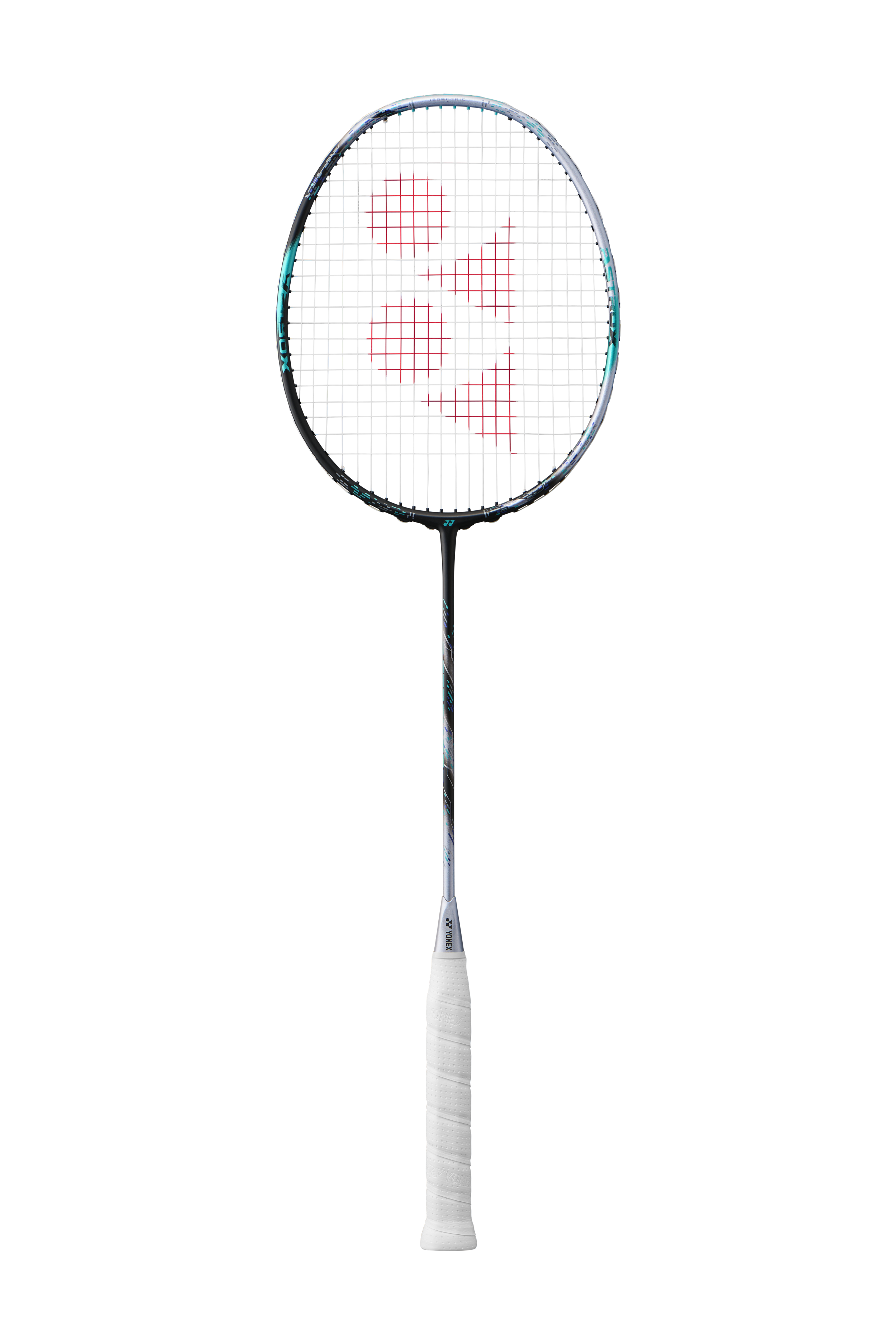

Wilson Pro Staff 97 v14 Tennis Racket
97 sq in, 315g strung, 21mm beam, 16x19. $230-260 unstrung. Best control racket — iconic frame, exceptional precision for advanced players. Correct for intermediate-advanced players with consistent technique who want maximum control feedback.
The Pro Staff 97 v14 is the gold standard for control — Federer's frame delivers unparalleled placement precision for advanced players who hit consistently in the center of the string bed. The 97 sq in head and 315 g strung weight demand full-swing, compact technique; mishits go nowhere useful, making it the wrong pick for beginners or players still developing consistency.
Pros
- ✓Exceptional placement precision for advanced players
- ✓21 mm thin beam gives unparalleled control feedback
- ✓Iconic frame trusted at the pro level for decades
Cons
- ✗97 sq in small sweet spot demands consistent technique — punishing on mishits
Score breakdown
| Head size | 97 sq in |
| Weight (strung) | 315 g |
| Beam width | 21 mm |
| String pattern | 16×19 |
| Balance | Head-light |
| Price | $279 |

Babolat Pure Aero 2023 Tennis Racket
100 sq in, 300g, aerodynamic 23-26mm beam, 16x19. $240-270 unstrung. Best spin-oriented racket — Nadal's frame, optimized for topspin baseline play. Correct for semi-western to western forehand players who want to generate heavy topspin.
The Pure Aero 2023 is built for one style of play: heavy topspin baseline rallies. The aerodynamic 23–26 mm beam and 16×19 open string pattern let you swing fast and generate spin that pulls shots reliably in-court — Nadal's weapon of choice in updated form. The lighter 300 g frame rewards explosive players but offers less control feedback than the Pro Staff for precise flat placement.
Pros
- ✓Aerodynamic frame optimized for heavy topspin generation
- ✓100 sq in head is forgiving enough for intermediate players
- ✓16×19 open pattern bites the ball for maximum spin
Cons
- ✗Less control feedback than narrower-beam alternatives for flat hitters
Score breakdown
| Head size | 100 sq in |
| Weight (strung) | 300 g |
| Beam width | 23–26 mm (aerodynamic) |
| String pattern | 16×19 |
| Balance | Head-light |
| Price | $289 |
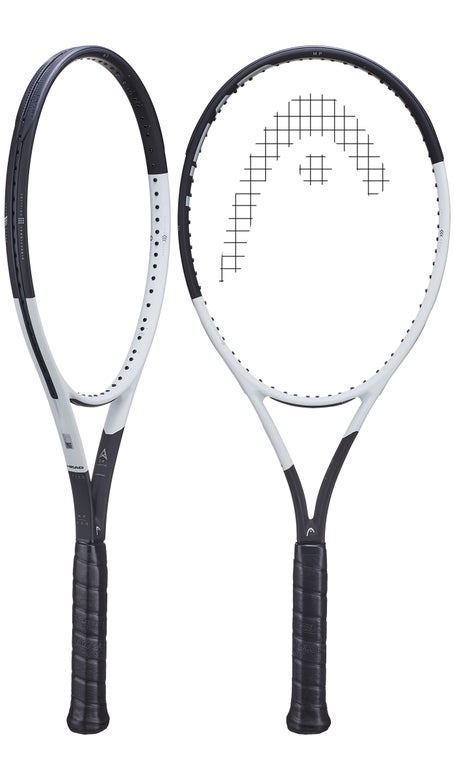
Head Speed MP Tennis Racket
100 sq in, 300g, 23mm beam, 16x19. $220-250. Best all-round intermediate/advanced racket — versatile power/control balance, Djokovic association. Correct for players who want neither pure control nor pure power focus.
The Head Speed MP is Djokovic's frame in accessible form — the 100 sq in head and Graphene 360+ technology balance power and stability for players who want versatility across serve, groundstrokes, and net play. Neither purely control-focused nor power-focused, it suits the widest range of intermediate and advanced club players.
Pros
- ✓Versatile power-control balance suits multiple playing styles
- ✓Graphene 360+ provides excellent stability on off-center hits
- ✓100 sq in sweet spot forgives minor mishits at club level
Cons
- ✗Not optimized for either pure control or maximum topspin — specialists will prefer the Pro Staff or Pure Aero
Score breakdown
| Head size | 100 sq in |
| Weight (strung) | 300 g |
| Beam width | 23 mm |
| String pattern | 16×19 |
| Balance | Even |
| Price | $299 |

Yonex EZONE 98 Tennis Racket
98 sq in, 305g, 23.5mm beam, Vibration Dampening Mesh. $230-260. Best arm-friendly control racket — shock reduction for players with arm sensitivity. Correct for players with tennis elbow history or arm sensitivity who want a 98-sq-in control frame.
The EZONE 98's Vibration Dampening Mesh in the throat reduces impact shock significantly — the top recommendation for players managing tennis elbow or arm sensitivity who still want a 98 sq in control-oriented frame. The feel is more solid and less crisp than the Pro Staff, trading some control feedback for more forgiving, arm-safe contact.
Pros
- ✓Vibration Dampening Mesh reduces impact shock for arm-sensitive players
- ✓98 sq in head gives control-oriented precision with room for mishits
- ✓23.5 mm beam adds power without sacrificing stability
Cons
- ✗Less crisp control feedback than Wilson Pro Staff for players chasing maximum precision
Score breakdown
| Head size | 98 sq in |
| Weight (strung) | 305 g |
| Beam width | 23.5 mm |
| String pattern | 16×19 |
| Technology | Vibration Dampening Mesh |
| Price | $305 |
Wilson Blade 98 v8 Tennis Racket
98 sq in, 304g, 21.5mm beam, 16x19. $220-250. Best accessible control racket — less demanding than Pro Staff, Swiatek association. Correct for club players who want Pro Staff-style precision with more forgiveness.
The Blade 98 v8 offers Pro Staff-style control character with a slightly more forgiving sweet spot — the right entry point for club players who aspire to precise ball placement without the full demands of the Pro Staff's smaller head and heavier profile. Swiatek's association underscores its relevance at elite level in a more accessible package.
Pros
- ✓More forgiving than Pro Staff while maintaining a control-oriented character
- ✓21.5 mm beam provides good feedback without being overly stiff
- ✓304 g strung weight manageable for a broad range of club players
Cons
- ✗Less control precision than the Pro Staff for advanced players who want the absolute maximum
Score breakdown
| Head size | 98 sq in |
| Weight (strung) | 304 g |
| Beam width | 21.5 mm |
| String pattern | 16×19 |
| Balance | Head-light |
| Price | $249 |
Which one is right for you?
For advanced control players
Wilson Pro Staff 97 v14 Tennis Racket
If your technique is consistent and you want the maximum placement precision available, the Pro Staff 97 v14 is the frame.
For heavy topspin baseliners
Babolat Pure Aero 2023 Tennis Racket
The aerodynamic beam and open string pattern are engineered specifically to swing fast and generate heavy topspin on every groundstroke.
For all-round club players
Head Speed MP Tennis Racket
The Speed MP covers serve, groundstrokes, and net play without committing to a spin-heavy or control-heavy extreme.
For players with arm sensitivity
Yonex EZONE 98 Tennis Racket
The Vibration Dampening Mesh is the most effective shock-reduction technology in this comparison for players managing tennis elbow.
For players stepping up from beginner rackets
Wilson Blade 98 v8 Tennis Racket
The Blade 98 rewards improving technique with control-oriented feedback without the unforgiving demands of the Pro Staff.
Racket specifications and what they mean for play
Head size: 95-98 sq in (control players), 100 sq in (all-round), 102-105 sq in (power/beginners), 107+ sq in (beginner/senior). Smaller head = smaller sweet spot but more control feedback from the center string bed. Larger head = larger sweet spot, more power on off-center hits, easier for beginners to generate adequate pace. Most club players perform best at 100-102 sq in — large enough sweet spot to be forgiving, small enough to allow decent control.
Weight and balance: unstrung weight ranges from approximately 255g (light, beginner) to 340g (heavy, professional). Heavier rackets produce more stable ball contact and absorb impact better (less arm vibration), but require more arm strength to swing consistently. Balance point: head-light balance (balance point below handle midpoint) means the weight is in the handle — easier to maneuver, better for serve and net play. Head-heavy balance pushes weight into the head — more power on groundstrokes, more arm fatigue.
String pattern: 16x19 (16 mains × 19 crosses) is the more open string pattern — main strings are spaced further apart, allowing more ball bite and spin. 18x20 is more dense — more strings contact the ball, producing more control and durability but less spin. Nadal plays with a 16x19 pattern that allows extreme topspin on his Pure Aero. Djokovic plays with a tighter pattern (Head Speed 18x20 option) that produces exceptional precision. For most recreational players, 16x19 is recommended because spin makes the ball easier to hit reliably in-court.
Wilson Pro Staff and control-oriented rackets
Wilson Pro Staff 97 v14 ($230-260 unstrung) is the current version of the most iconic control racket in tennis. 97 sq in head, 315g strung, 21/21.5/21mm thin beam, 16x19 string pattern. The Pro Staff is demanding — small sweet spot, low power level, requires full swing and consistent technique to generate pace. In the right hands (intermediate to advanced players with compact, consistent technique), the Pro Staff returns unparalleled control feedback. This is not a beginner racket. If you mishit on a Pro Staff, the ball goes nowhere useful. If you hit cleanly, the placement precision is excellent.
Wilson Blade 98 v8 ($220-250) is Wilson's more accessible control racket — 98 sq in, 304g strung, 21.5mm beam, 16x19. The Blade is less demanding than the Pro Staff (slightly larger sweet spot, slightly more forgiving) while maintaining a control-oriented character. For club players who want Pro Staff-style precision without the full demanding profile of the Pro Staff, the Blade 98 is a well-regarded choice. Iga Swiatek uses a version of the Blade.
Yonex EZONE 98 ($230-260) is the Yonex premium option — 98 sq in, 305g, 23.5mm beam (slightly wider than Wilson). The EZONE is known for its arm-friendly vibration dampening — Yonex's Vibration Dampening Mesh in the throat reduces impact shock. This makes the EZONE a top recommendation for players with tennis elbow or arm sensitivity. The feel is more solid and less crisp than the Pro Staff — less feedback-heavy, easier to use across a range of shots.
Babolat Pure Aero and spin-oriented rackets
Babolat Pure Aero 2023 ($240-270 unstrung) is the spin-oriented flagship — 100 sq in, 300g, 23-26mm aerodynamic beam (progressively wider toward the throat for swing-through air resistance reduction). Nadal's racket. The 16x19 string pattern and aerodynamic frame produce extreme spin potential — the Pure Aero is designed to let players swing fast and generate topspin rather than control pace through precision. For baseline players who use a lot of topspin (semi-western forehand grip or western), the Pure Aero is optimized for this play style. The slightly larger head and lighter weight than Pro Staff make it more accessible.
Head Speed MP ($220-250) is Djokovic's racket (in a modified pro form). 100 sq in, 300g, 23mm beam, Graphene 360+ technology in the frame for stability. The Speed MP is positioned as a versatile all-round racket — enough head size for power, firm enough frame for control. Djokovic uses an 18x20 string pattern version (Speed MP 18x20) for precision; the standard 16x19 version is more accessible for recreational players. The Speed MP is a good choice for players who want versatility between power and control.
Prince Phantom 97P ($150-200) is a more affordable professional-spec option — 97 sq in, 310g, 16x18 string pattern, thin beam. Prince is a heritage tennis brand that has become more niche in recent years but maintains a dedicated following among players who prefer a more flexible frame feel. The Phantom 97P is notable for its 'feel' — less stiff than most modern rackets (RA stiffness rating ~58 vs 65+ for Babolat). Flexible frames transmit more vibration feedback and feel less 'dead' on impact.
Choosing a tennis racket for your level
Beginner (learning technique, taking lessons): Wilson Clash 100 ($130-160), Head Ti Instinct ($80-120), or any 100-105 sq in racket in the $60-130 range. Large sweet spot, lighter weight (260-280g), balanced or head-light. The goal at this stage is getting the ball over the net with reasonable consistency — precision comes later. Don't buy a 97 sq in control racket as your first racket.
Intermediate (consistent groundstrokes, playing regularly): transition to 98-100 sq in at appropriate weight for your arm strength. Wilson Blade 100 ($200-230), Babolat Pure Drive ($220-250), Head Radical MP ($200-240). This is where most club players live permanently. A 100 sq in racket at 300g provides enough forgiveness to play well and enough precision to develop control.
Stringing considerations: rackets come unstrung — you need to add strings. Factory strings (if included) are typically low-quality polyester or synthetic gut. Restringing with quality strings ($20-40 per stringing for strings + labor) significantly improves feel and performance. For recreational players: natural gut or multifilament (arm-friendly, comfortable). For advanced players who generate heavy topspin: co-polyester strings (Luxilon ALU Power, Babolat RPM Blast) provide the string bite for spin. Strings should be replaced when they lose tension noticeably or when they break.
