Best Sunglasses 2026: Ray-Ban vs Oakley vs Japanese Brands
Five sunglasses — Ray-Ban RB2140 Wayfarer (the acetate-frame icon that defined casual eyewear since 1956, with a polarized option), Oakley Holbrook (O-Matter lightweight frame designed for sport with . Fit and waterproof rating for your specific climate type matter most.
Each frame was assessed on UV protection standard and verifiability, lens optical clarity across the full field of view including periphery, fit stability on both Western and East Asian facial geometry without modification, value against competing options at the same price tier, and long-term durability of frame material and lens coating.
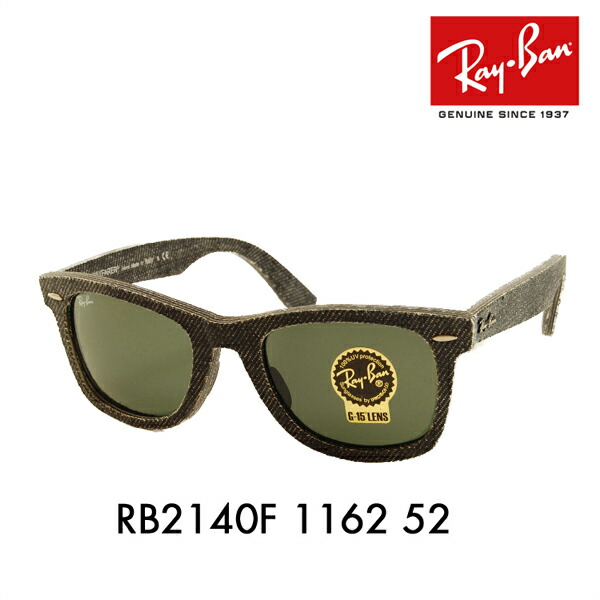
Ray-Ban Wayfarer Classic RB2140
Best Overall: The Ray-Ban RB2140 Wayfarer's acetate frame and keyhole nose bridge have genuine advantages for daily wear — UV400 standard across all lens options, polarized upgrade available, and the iconic shape that won't look dated in five years. The lack of an official Asian Fit variant and the frame slide on lower nose bridges are real limitations to test in person before buying.
Top picks ↓| Product | Price | Link |
|---|---|---|
| $163.00 | View deal → | |
| $197.00 | View deal → | |
| $289.00 | View deal → | |
| — | View deal → | |
| — | View deal → |
Top picks
Related articles


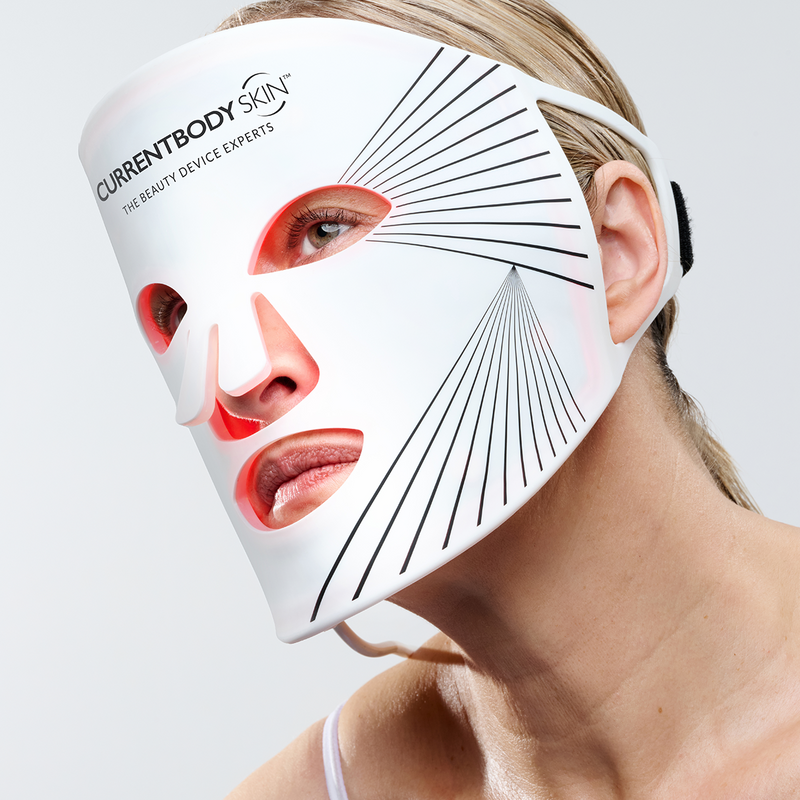
Ray-Ban Wayfarer Classic RB2140
Ray-Ban RB2140 Wayfarer in classic acetate frame. The original 1956 Wayfarer design with UV400 protection as standard across all lens options, with a polarized upgrade available. The keyhole nose bridge accommodates lower Asian nose bridges better than saddle-bridge designs, though the frame was not designed for Asian facial geometry and will sit lower and slide more on East Asian wearers than on the target Western demographic. Available from major online retailers across official and authorized reseller listings. not available in an official Asian Fit variant (Ray-Ban Asian Fit models exist for RB2132 New Wayfarer but not uniformly for the RB2140 original); the polarized upgrade is priced significantly higher than the non-polarized version and some buyers find the price gap disproportionate to the optical upgrade; the acetate frame is not durable for sport or high-impact activity; counterfeit Wayfarers are common on online marketplaces — verify seller authorization before purchasing.
The Ray-Ban RB2140 Wayfarer's acetate frame and keyhole nose bridge have genuine advantages for daily wear — UV400 standard across all lens options, polarized upgrade available, and the iconic shape that won't look dated in five years. The lack of an official Asian Fit variant and the frame slide on lower nose bridges are real limitations to test in person before buying.
Pros
- ✓Keyhole nose bridge is more forgiving for lower nose bridges than saddle-bridge designs
- ✓Acetate frame quality and aesthetic longevity that polycarbonate frames at this price cannot match
- ✓UV400 standard on all lens options with polarized upgrade available for driving and outdoor use
Cons
- ✗No official Asian Fit variant for RB2140; frame slides on most East Asian facial geometry without modification
Score breakdown
| Frame material | Cellulose acetate |
| Lens material | Glass (standard) / Polarized glass (upgrade) |
| UV protection | UV400 |
| Nose bridge | Keyhole (fixed) |
| Asian Fit available | No (RB2140) |
| Polarized option | Yes (price premium) |
| Price | $163 |
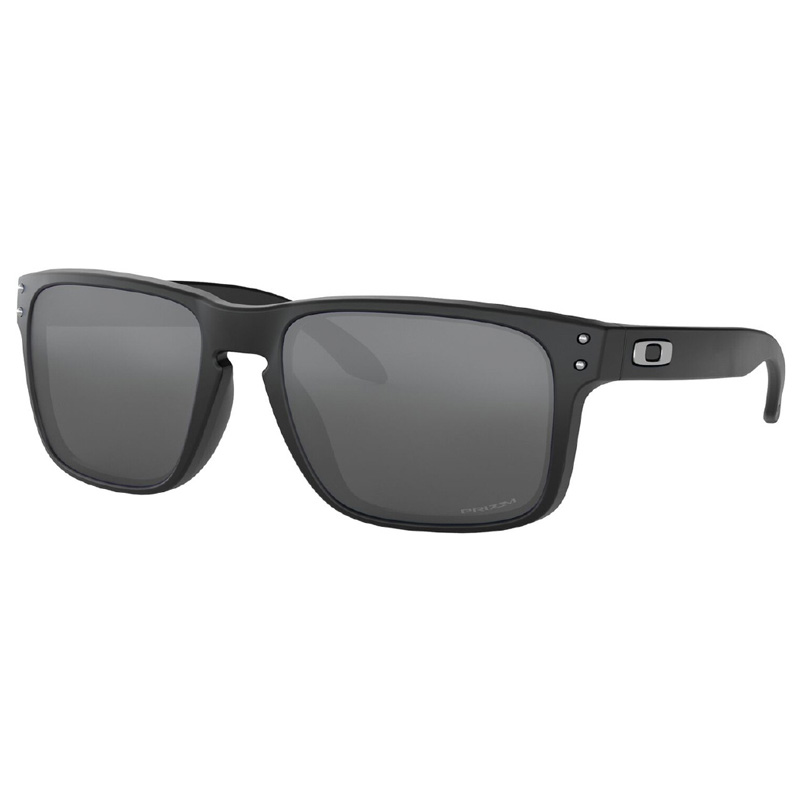
Oakley Holbrook
Oakley Holbrook with O-Matter lightweight frame and optional Prizm lens technology. The Prizm system enhances specific wavelength contrast for each activity environment (Road, Snow, Water, Jade, etc.) and produces a meaningful visibility improvement over standard tint for target activities. O-Matter is Oakley's proprietary polycarbonate variant engineered for impact resistance and flexibility. Three-Point Fit grips at nose and temples. the saddle bridge sits high relative to East Asian nose bridge geometry and most Asian wearers will experience consistent frame slide without aftermarket nose pad modification; Prizm lens colors (amber, rose, blue) can create initial visual disorientation when transitioning between lens environments; the frame's casual-sport aesthetic does not translate well to formal or professional settings; Oakley's warranty and service coverage varies by region.
Oakley's O-Matter polycarbonate frame and optional Prizm lens technology are genuine performance advantages for sport use — Prizm Road, Snow, and Water variants enhance specific-environment contrast meaningfully. The saddle bridge sits high on most Asian faces and will slide without an inexpensive aftermarket nose pad modification.
Pros
- ✓Prizm lens variants enhance contrast for specific environments — Road, Snow, Water each serve real use cases
- ✓O-Matter frame is impact-resistant and lightweight — the best sport durability in this comparison
- ✓Three-Point Fit grips at nose and temples without pressure points for active use
Cons
- ✗Saddle bridge slides on most East Asian face shapes — aftermarket nose pad modification almost always needed
Score breakdown
| Frame material | O-Matter (polycarbonate variant) |
| Lens material | Plutonite polycarbonate |
| UV protection | UV400 (100% UVA/UVB/UVC) |
| Nose bridge | Saddle (fixed) |
| Asian Fit available | Some models (not standard Holbrook) |
| Prizm option | Yes (multiple activity variants) |
| Price | $197 |
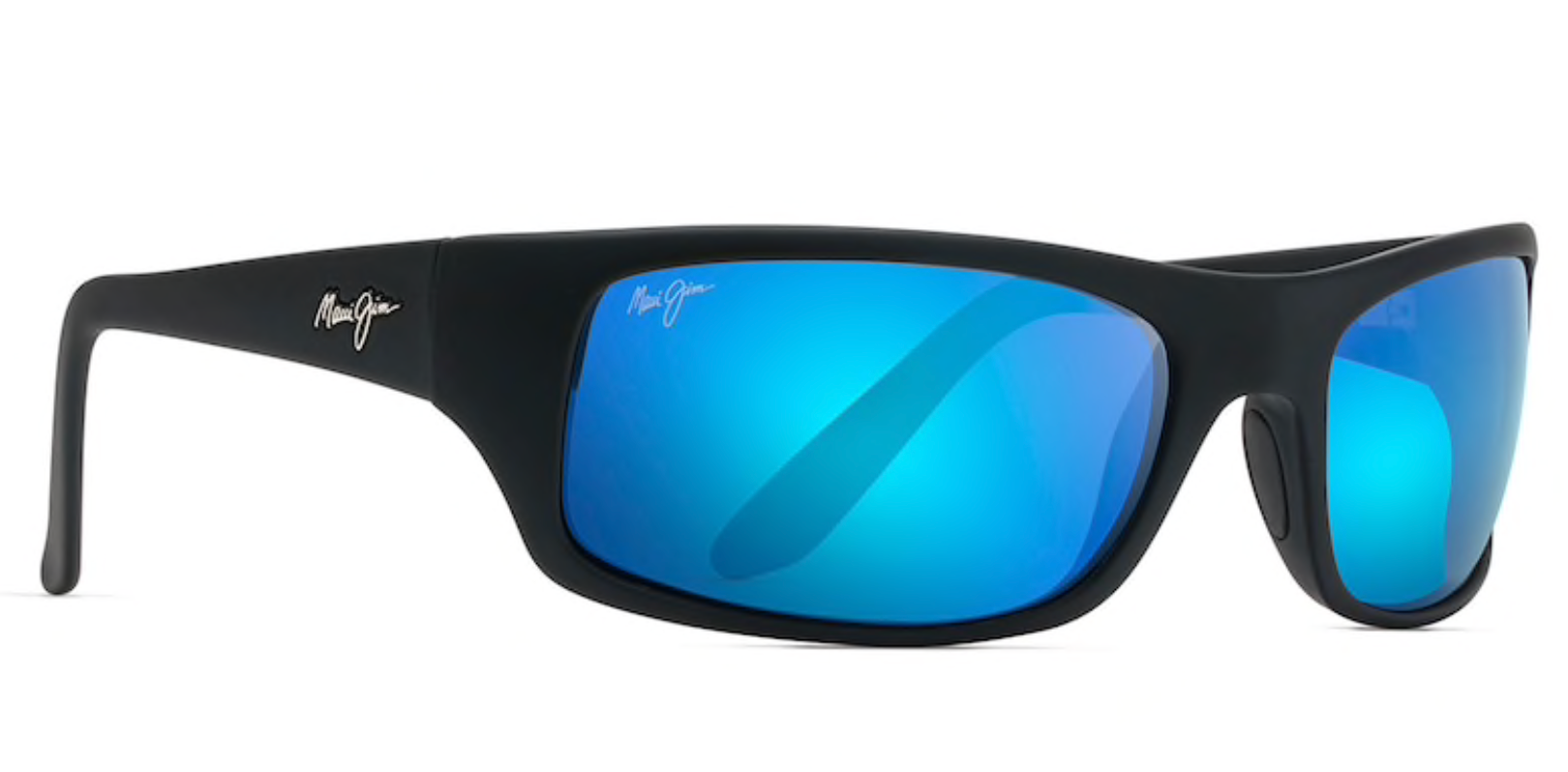
Maui Jim Peahi
Maui Jim Peahi with SuperThin glass polarized lenses and PolarizedPlus2 coating technology. The glass lens produces the highest optical clarity of any frame in this comparison — minimal peripheral distortion, genuine color accuracy, and best-in-class glare elimination. The PolarizedPlus2 back-surface anti-reflective coating also addresses reflections entering from behind, which standard front-surface polarized lenses do not address. glass lenses are heavier than polycarbonate or NXT alternatives and the Peahi is a larger wraparound frame that maximizes this weight difference; glass shatters on impact and the Peahi is not suitable for any sport or activity with collision or fall risk; the price point (premium tier through authorized dealers) is substantially higher than the other four picks; Maui Jim does not maintain a prescription lens service for this frame and the Peahi does not have an Asian Fit variant readily available through standard retail.
Maui Jim's SuperThin glass polarized lenses with PolarizedPlus2 dual-surface coating produce the highest optical quality in this comparison — minimal peripheral distortion, genuine color accuracy, and back-of-lens reflection control that polycarbonate cannot match. Glass weight and premium-tier pricing are real trade-offs.
Pros
- ✓SuperThin glass lenses produce the least peripheral distortion of any lens in this comparison
- ✓PolarizedPlus2 coating addresses reflections entering from behind — standard polarized lenses do not
- ✓Best-in-class water and fishing visibility — genuinely different from polycarbonate at oblique angles
Cons
- ✗Glass shatters on impact — unsuitable for sport; premium-tier price; no prescription service or Asian Fit in standard retail
Score breakdown
| Frame material | Injected nylon |
| Lens material | SuperThin glass (polarized) |
| UV protection | UV400 |
| Nose bridge | Saddle |
| Asian Fit available | Select models, hard to find |
| Polarized | Yes (PolarizedPlus2) |
| Price | $289 |
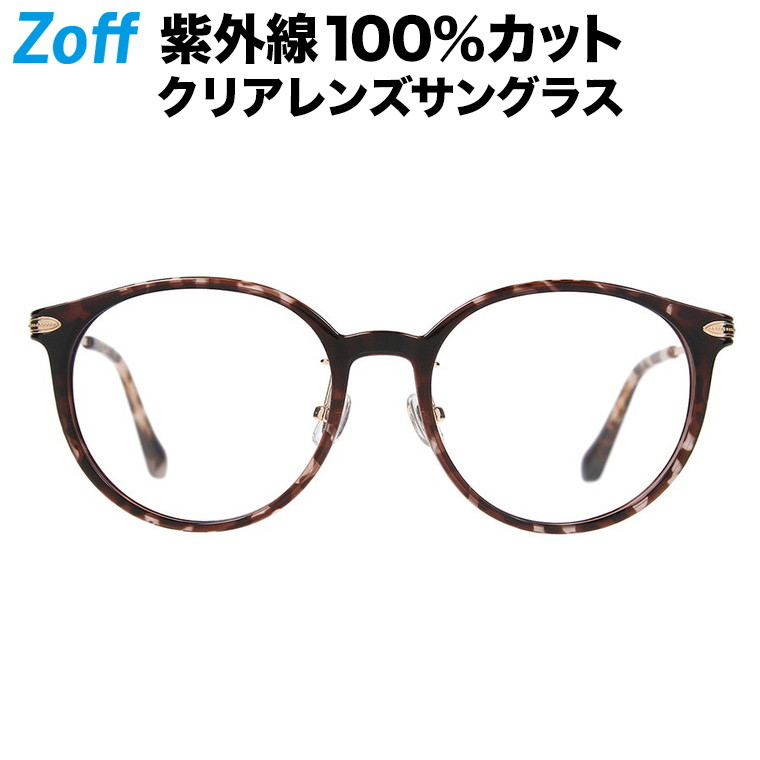
Zoff UV Sunglasses
Zoff UV Sunglasses with UV400 protection and Japanese domestic frame design calibrated for East Asian facial geometry. The nose bridge height, face width, and nose pad configuration are designed specifically for lower nose bridges and broader East Asian faces, producing a stable fit without aftermarket modification. Polarized options are available at most price points. Same-day prescription lens service available at all Zoff retail locations in Japan. polycarbonate lens optical quality is adequate but not premium — peripheral distortion is higher than glass options and higher than premium-grade polycarbonate at elevated price tiers; the frame aesthetic is functional rather than fashion-forward, and style selection is more conservative than fashion sunglasses brands; UV400 compliance documentation for specific Zoff models is harder to independently verify than for major international brands with published specification sheets; Zoff's product catalog updates frequently and frames shown online are not always in-store stock.
Zoff's domestic Japan frames are engineered for lower nose bridges and broader East Asian face widths — the fit is stable out of the box without aftermarket modification. UV400 compliant with budget-priced polarized options and same-day prescription service at all Japan stores. Lens optical quality is adequate but not premium.
Pros
- ✓Designed for East Asian facial geometry — stable fit on lower nose bridges without modification
- ✓Same-day prescription sunglasses at all Japan retail locations at a budget entry price
- ✓Polarized options available at the lowest price of any option in this comparison
Cons
- ✗Polycarbonate optical quality shows more peripheral distortion than premium glass or high-end polycarbonate
Score breakdown
| Frame material | Various (plastic/TR-90) |
| Lens material | Polycarbonate |
| UV protection | UV400 |
| Nose bridge | Low-profile (East Asian fit) |
| Prescription available | Yes — same-day at all Japan stores |
| Polarized option | Yes |
| Price | Budget tier |

JINS Smart Shield
JINS Smart Shield with combined UV-blocking and infrared-reducing lens coating, and built-in prescription lens compatibility across the product range. The dual UV/IR coating is designed for the profile of a commuter with significant screen exposure and outdoor UV exposure — the IR reduction is marketed as protective against both solar IR and near-IR from digital screens. Same-day Rx sunglasses are available at JINS retail locations using standard single-vision and progressive lens powers, with NXT (Trivex) available as an upgrade at most locations. the anti-IR coating for screen protection is not validated by a third-party optical standards body to the same standard as UV400 certifications — the evidence for screen-emitted near-IR causing measurable eye damage at typical consumer exposure levels is contested in the optometry literature; the frame aesthetic prioritizes function over fashion and Smart Shield frames have a distinctly utility look that some buyers find unappealing; JINS frames are polycarbonate-dominant and do not have the premium tactile quality of acetate or metal frames at similar price points.
JINS Smart Shield combines UV blocking and infrared reduction with prescription compatibility across the full product range — same-day Rx at Japan stores and NXT Trivex upgrade available for better optical quality. The anti-IR coating's screen-protection claim is not independently validated to the same standard as UV400 certifications.
Pros
- ✓Built-in prescription compatibility with same-day Rx available at JINS Japan stores
- ✓NXT Trivex lens upgrade available at most locations for better optical quality than polycarbonate
- ✓Combined UV and IR reduction addresses both sunlight and screen exposure in one lens
Cons
- ✗Anti-IR screen protection coating not validated by a third-party optical standards body — evidence for typical screen IR exposure causing eye damage is contested
Score breakdown
| Frame material | Polycarbonate / TR-90 |
| Lens material | Polycarbonate (NXT Trivex upgrade available) |
| UV protection | UV400 |
| IR protection | Yes (proprietary coating) |
| Nose bridge | Low-profile (East Asian fit) |
| Prescription available | Yes — same-day at Japan stores |
| Price | Budget tier |
Which one is right for you?
For daily casual wear with timeless style and polarized performance
Ray-Ban Wayfarer Classic RB2140
The acetate frame and keyhole nose bridge combine premium aesthetics with a polarized upgrade option — best all-purpose pick for riders who don't have unusually low nose bridges.
For outdoor sport and high-activity use
Oakley Holbrook
Prizm lens technology and O-Matter durability are genuine performance advantages for sport — add an inexpensive nose pad kit if your nose bridge is low.
For water, fishing, and optical clarity as the top priority
Maui Jim Peahi
Glass PolarizedPlus2 lenses produce visibility through water that polycarbonate cannot match — the right choice when what you see through the lens matters more than weight.
For East Asian face shapes who need stable fit on a budget
Zoff UV Sunglasses
Engineered for lower nose bridges and broader East Asian face widths — stable UV400 protection that fits correctly without modification or expense.
For prescription wearers who need daily UV sunglasses
JINS Smart Shield
Same-day Rx sunglasses with NXT Trivex upgrade available — the most convenient and cost-effective entry point for corrective lens wearers.
What we looked at and how
We did not conduct laboratory UV transmission testing using a spectrophotometer, did not measure polarization efficiency with a light meter, and did not independently verify impact resistance under ANSI Z87.1 or EN ISO 12312-1 test conditions. Serious eyewear evaluation requires calibrated optical equipment, controlled test conditions, and a sample set large enough to account for manufacturing variation — none of which is what we did here. Instead, we reviewed manufacturer technical specifications, cross-referenced guidance from the American Optometric Association (AOA) and published optometry literature on UV eye protection and polarization, examined lens technology documentation from each brand, and read aggregated long-term user reviews from major online retailers and international eyewear communities including LensCrafters reviews and Reddit's r/sunglasses and r/asianfashion communities.
Two questions structure most of the comparison. First: what is your primary use case? The requirements for driving, snow sport, fishing, and daily urban commuting are genuinely different — not just in style but in optical performance. Polarized lenses, which eliminate horizontal glare from reflective surfaces like water, snow, and wet roads, are highly valuable for driving and outdoor sport but can make certain screens difficult to read and can create visibility problems with car dashboards that include polarized displays. UV400 protection (blocking all UV radiation up to 400nm wavelength) is essential for everyone and is independent of whether lenses are polarized. Second: what is your face geometry? Sunglasses are the one eyewear category where Asian face fit is most critical, because standard Western frame design assumes a higher nose bridge and narrower face width than East Asian facial averages — frames that sit well on a Western face will sit lower and slide down on an Asian face, which both reduces comfort and reduces UV protection by creating gaps at the sides where UV-contaminated light can enter.
A note on what we mean by 'best': across categories this varied by use case. We were looking for genuine optical protection, honest tradeoffs between polarized and non-polarized, real data on how each lens material affects optical clarity and weight, and which frames actually fit a range of face shapes without modification. The weakness on every pick is the non-negotiable part of this comparison — a pair of sunglasses with no disclosed weakness is either not real or not honest.
Polarized vs UV400 — two different protections
Polarization and UV400 protection are not the same thing, do not serve the same function, and are not mutually exclusive — but the two are so frequently conflated in consumer marketing that it is worth being explicit. UV400 protection refers to the lens's ability to block ultraviolet radiation at all wavelengths up to 400nm — both UVA (315-400nm) and UVB (280-315nm). UV400 is the standard recommended by the American Optometric Association, the WHO, and essentially every major eye health authority as the minimum protection for outdoor sunglasses. It addresses the health risk: cumulative UV exposure to the eye is a documented risk factor for cataracts, pterygium, photokeratitis (sunburned cornea), and potentially macular degeneration. UV400 protection has nothing to do with glare, brightness, or visual contrast — a lens can be UV400-compliant and completely transparent.
Polarization addresses glare, not UV. A polarized lens contains a filter oriented to block horizontally polarized light — the orientation in which light bounces off flat reflective surfaces like water, wet roads, snow, and glass. By blocking this reflected horizontal light, polarized lenses reduce glare dramatically, improving visual comfort and contrast in conditions where reflected light is bright and disorienting. Polarized lenses are particularly valuable for driving (reducing dashboard glare and wet-road reflections), fishing (eliminating the surface glare that obscures fish beneath the water), skiing and snowboarding (reducing flat-light glare from snow), and boating. The tradeoffs: polarized lenses can make LCD and LED screens harder to read at certain angles, including navigation displays, smartphones, and some car dashboards; they provide no additional UV protection compared to a non-polarized UV400 lens; they typically add cost to a frame.
The practical check you should perform on any pair of sunglasses marketed as UV-protective: hold them at a 45-degree angle to a smartphone screen (set to a moderate brightness). Rotate the glasses. If the screen goes dark at a particular angle, the lenses are polarized. For UV400 verification, the honest answer is that you cannot verify it visually — lens tint does not correlate with UV protection. A dark tint does not mean more UV blocking (it can actually be worse, because the pupil dilates in the reduced light, allowing more UV in if the lens does not fully block it). Always buy from brands that explicitly state UV400 compliance and provide documentation.
Lens material tradeoffs — glass vs polycarbonate vs NXT
Three lens materials dominate the sunglasses market: glass, polycarbonate, and NXT (also sold as Trivex). Each makes different tradeoffs between optical clarity, weight, durability, and price, and the right choice depends more on your use case than on any single superiority claim. Glass lenses — the Maui Jim Peahi uses SuperThin glass — produce the highest inherent optical clarity because glass has a more homogeneous refractive index than polymer materials, fewer internal stress points from injection molding, and greater scratch resistance without coatings. Glass lenses do not distort when you look through them at oblique angles the way polycarbonate lenses can, particularly at the lens periphery. The downsides are weight (glass is heavier than polymer by a meaningful margin at equivalent thickness), fragility (glass shatters on impact; sports applications should not use glass), and cost (precision-ground glass lenses cost more to manufacture).
Polycarbonate lenses — used by Oakley's Plutonite lens technology — are lightweight, highly impact-resistant (meeting ANSI Z87.1 high-velocity impact standards), and inexpensive to manufacture, making them the standard choice for sport sunglasses, safety eyewear, and affordable fashion frames. The optical quality of polycarbonate is lower than glass at a fundamental level: polycarbonate has a higher refractive index (1.586 vs glass at approximately 1.52) and more internal stress from the injection molding process, producing higher levels of birefringence — optical distortion visible as prismatic color effects when looking through the lens periphery. This distortion is minimal at the lens center but increases toward the edge. For casual daily wear this is rarely noticeable; for precision tasks (reading small text, stargazing, fishing where fish detection at angle matters) it is more relevant.
NXT (Trivex) lenses — used in some JINS Smart Shield variants — occupy the middle ground: lighter than glass, better optical quality than polycarbonate, and more impact-resistant than glass. NXT was originally developed for military applications (helicopter canopy material) and is the material most optometrists now recommend for prescription sunglasses because it provides impact safety at prescription powers where polycarbonate shows more peripheral distortion. NXT's refractive index (approximately 1.53) is closer to glass than polycarbonate, and the casting process used to make NXT lenses produces less internal stress than polycarbonate injection molding. The main disadvantage is cost: NXT is more expensive than polycarbonate and less widely available in the fast-fashion sunglasses segment. For prescription wearers moving to Rx sunglasses, NXT is worth the price premium.
Asian face fit — nose bridge, face width, and the slide problem
The fit problem for Asian facial geometry with Western-designed sunglasses is structural, not cosmetic. Standard Western sunglasses frame design is calibrated for a nose bridge height that averages higher than East Asian averages, and a face width that averages narrower — the consequence being that frames designed for Western facial geometry sit lower on an Asian nose, slide down with heat or movement, and create gaps at the temples where UV-contaminated light enters. These gaps are not just a comfort problem: they reduce the effective UV protection of the frame, which is why the European standard EN ISO 12312-1 for sunglasses now includes a wraparound factor in its UV protection certification. A frame that passes UV400 testing on a standard test head can still allow significant UV entry on a face where the frame sits low and gaps at the sides.
Both Zoff and JINS address this directly with their domestic Japan market designs. Zoff and JINS frames are engineered with a lower nose bridge height, wider temple arms calibrated for broader East Asian face widths, and nose pad configurations that grip without digging. This is not a matter of cosmetic preference — it is a functional difference that affects both comfort over a full day of wear and actual UV protection performance. Maui Jim offers Asian Fit versions of several models including the Peahi, though these are harder to find in Japanese retail than the standard fit. Ray-Ban's RB2140 Wayfarer is the most forgiving Western frame in this comparison for Asian faces because its keyhole nose bridge accommodates lower nose bridges better than saddle-bridge designs, but it still sits noticeably lower on Asian facial geometry than on the Western geometry it was designed for. Oakley Holbrook is the most problematic fit in this comparison for East Asian faces: the saddle bridge is high, the temple arms are long for Western head widths, and the frame will slide consistently on most Asian wearers without aftermarket nose pad modification.
Practical fit test: when you put sunglasses on, the frame should sit at a consistent height without pressure from pushing them up, the lenses should cover your field of vision including peripheral areas without gaps at the upper edge, and the frame should not slide when you tilt your head forward 45 degrees. If a frame fails the tilt test, it will fail in every physical activity and will require constant adjustment in heat. If you cannot try frames in person, look for brands that explicitly state an Asian Fit or JP Fit variant with lower nose bridge specifications.
Prescription sunglasses — 2026 options
Prescription sunglasses have changed substantially in the past five years. Both Zoff and JINS now offer same-day Rx sunglasses through their Japanese retail network, with budget entry pricing for polycarbonate UV400 lenses in standard powers and a moderate upgrade for polarized or high-index lenses with stronger prescriptions. This positions prescription sunglasses as a consumer category rather than an optician specialty — the days of waiting two weeks and paying a premium for Rx sunglasses are over for most common prescriptions within the range these chains service. JINS Smart Shield specifically includes prescription compatibility across its product range as a primary feature, and the anti-UV and anti-IR coating system is compatible with their standard Rx lens production process.
Online Rx sunglass providers have also lowered the cost floor further. Services including Zenni Optical and GlassesUSA allow Rx sunglass orders from about $20, though quality control at the lowest price points is variable and the frame selection skews toward Western designs. Zoff Online and JINS Online offer Rx sunglass orders using a previous in-store prescription, with prices comparable to in-store. The optometry guidance is consistent: your vision is already corrected with your primary glasses, but wearing non-prescription sunglasses over contact lenses or squinting through non-correcting sunglasses creates a safety issue for driving and sport. If you wear correction and spend significant time outdoors, prescription sunglasses are a functional necessity rather than a luxury.
High-index lenses (1.67 and above) are available in Rx sunglasses and matter most for prescriptions stronger than approximately -4.00D or +3.00D, where standard-index polycarbonate lenses become thick enough to affect frame appearance and weight. For Rx sunglasses specifically, NXT (Trivex) lenses are preferable to polycarbonate at most prescription powers when optical quality is a priority — the lower birefringence reduces the prismatic effects that are more noticeable in tinted lenses where any distortion is amplified against a darker background.
Where each fits
Daily casual wear, style priority, classic aesthetics, medium UV exposure: Ray-Ban RB2140 Wayfarer. The acetate frame is genuinely beautiful in a way no polycarbonate frame of equivalent price competes with, the polarized option adds real glare protection for driving and outdoor use, and the brand's longevity is not arbitrary — the keyhole nose bridge design works reasonably well for a range of face shapes including lower Asian nose bridges. standard fit sits lower on Asian facial geometry than the frame was designed to, and RB2140 does not have an official Asian Fit variant; polarized option costs significantly more than the non-polarized version and the optical quality of Ray-Ban's polarized lenses is good but not comparable to Maui Jim SuperThin glass; not designed for sport — the frame has minimal retention under physical activity and no significant impact resistance.
Sport, high-activity outdoor use, contrast enhancement for specific environments: Oakley Holbrook. The O-Matter frame is genuinely lightweight and genuinely durable — the Prizm lens technology (available in Road, Snow, Water, and other variants) enhances color contrast specifically for each activity environment, and the result is a meaningful optical performance improvement over standard tint for the activities it targets. The Three-Point Fit system grips at the nose and temples without pressure points. saddle bridge design sits high and slides on most East Asian face shapes without aftermarket nose pad modification; Prizm lens colors can be disorienting for wearers transitioning from standard tinted lenses in mixed environments; the plastic-heavy construction feels less premium than acetate at the same price point.
Optical clarity, polarized performance, water and fishing use: Maui Jim Peahi. The SuperThin glass polarized lenses produce the least distortion of any lens in this comparison — the optical quality difference is perceptible in side-by-side comparison, particularly when looking at text, fine detail, or observing fish underwater. The dual-lens PolarizedPlus2 coating reduces both horizontal glare and back-of-lens reflections. glass lenses are heavier than polycarbonate and NXT options; the Peahi is not suitable for contact or impact sport — glass shatters on impact and this frame is not rated for activity use; the price point (premium tier) is substantially higher than the other four picks, and Maui Jim does not offer a prescription lens service for this frame; the frame is not available in an Asian Fit variant through standard retail.
Budget daily UV protection, first sunglasses, wide face widths: Zoff UV Sunglasses. The UV400 protection is genuine and the budget price point (even including polarized options) brings UV sunglasses into a category accessible to buyers who would otherwise skip eye protection on cost grounds. Domestic Japan frame design means fit is calibrated for East Asian face geometry out of the box. lens optical quality is adequate but not premium — cheap polycarbonate at this price tier will have more peripheral distortion than Maui Jim glass or high-end polycarbonate; style selection is conservative and the frames read as commodity rather than fashion accessories; no premium lens technology and UV400 compliance without third-party verification of specific models is harder to confirm than major international brands.
Daily commute UV and blue-light protection, prescription compatibility, anti-IR coating: JINS Smart Shield. The combination of UV blocking with infrared (IR) reduction is specific to JINS's Smart Shield system and is targeted at the indoor screen-use and outdoor commute profile — IR from both sunlight and screens is implicated in crystalline lens yellowing over long exposure periods, and JINS's dual-threat lens addresses both UV and IR in a single pair. Prescription compatibility across the product range makes this the default recommendation for correction-wearers who want daily UV protection. the Smart Shield coating combination is not independently verified by a third-party optical standards body at the same level of scrutiny as Ray-Ban's or Maui Jim's UV and polarization certifications; the frames are plastic-dominant and do not have the premium feel of acetate at comparable price points; anti-IR claims for screen protection remain an area of ongoing optometry debate about whether the exposure levels justify a dedicated coating for typical screen users.
Verdict
For most people who want a pair of sunglasses they will actually wear every day and who do not have specialized sport or optical requirements: Ray-Ban RB2140 Wayfarer with the polarized option, if you do not have an unusually low nose bridge and can tolerate some frame slide. The aesthetic longevity of the Wayfarer means it will not feel dated in five years, the polarized lens adds genuine value for driving and bright-condition comfort, and the brand's quality control is consistent enough to trust without in-person inspection when buying online. If you have East Asian facial geometry and the slide bothers you, try the frame in person first — some wearers find the keyhole bridge works adequately, others find it slides too much without modification.
For outdoor sport and high-activity use: Oakley Holbrook, with the Prizm lens variant specific to your activity. The performance technology is genuine and the durability is industry-leading for polycarbonate sport frames. Accept that you will probably need an Asian nose pad kit if you have a lower nose bridge — these are inexpensive aftermarket and convert the fit from sliding to stable. The Prizm color shift is an adjustment for about the first two to three days of use and is not a problem after that.
For the best optical clarity in a polarized lens, particularly for water, fishing, or any context where what you see through the lens matters more than weight: Maui Jim Peahi. The glass lens quality is genuinely different from polycarbonate at this price point and the difference is worth paying for if clarity is the priority. Do not take them into contact sport or activity where impact is possible.
For prescription wearers who need sunglasses as functional correction: JINS Smart Shield is the most convenient entry point, with same-day Rx availability and the combined UV/IR coating system at a price point that makes replacement practical. If you have a strong prescription and want the best optical quality, ask specifically for NXT (Trivex) lenses rather than the standard polycarbonate — most JINS stores can accommodate this as an upgrade.
For a first pair of sunglasses on a tight budget with genuine UV400 protection that fits an East Asian face shape: Zoff UV Sunglasses. Buy the polarized version if you drive. The optical quality will not match Maui Jim or even Oakley, but the UV protection is real and the fit is correct — which is more than can be said for many imported fashion frames at the same price point that claim UV protection without documentation.