Best Parallette Bars 2026: 5 Picks for L-Sits, Handstands, and Push-Ups
Parallettes change what's possible on the floor. Weight range and build quality determine long-term value far more than feature lists.
Each parallette was assessed on frame rigidity under pressing loads, base stability during lateral-load exercises (L-sits, planches), grip surface feel, height appropriateness for stated exercises, and durability — with stability and rigidity weighted highest since flex or tip under load makes skill training unreliable.
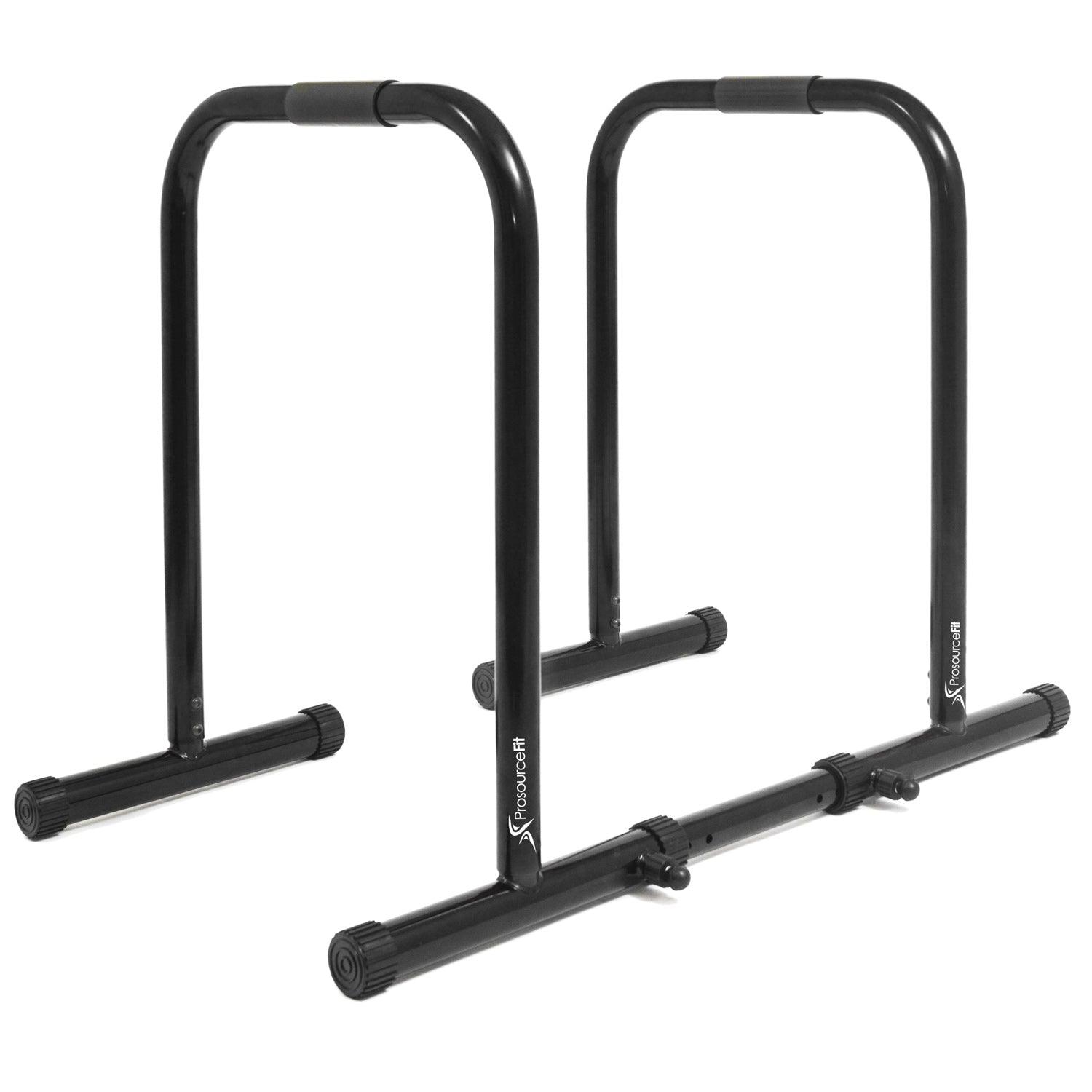
ProsourceFit Parallel Bars
Best Wooden Parallettes: ProsourceFit's 9-inch birch wood parallettes hit the sweet spot between low push-up handles and full gymnastics bars. The wood surface warms under the palm and provides natural grip texture that reduces wrist fatigue during long L-sit holds and push-up progressions.
Top picks ↓| Product | Price | Link |
|---|---|---|
| $39.99 | View deal → | |
| $69.99 | View deal → | |
| $95 | View deal → | |
| $69.95 | View deal → | |
| $39.99 | View deal → |
Top picks
Related articles


ProsourceFit Parallel Bars
9-inch height, birch wood rails, wide base for stability.
ProsourceFit's 9-inch birch wood parallettes hit the sweet spot between low push-up handles and full gymnastics bars. The wood surface warms under the palm and provides natural grip texture that reduces wrist fatigue during long L-sit holds and push-up progressions. The wide base keeps the bars planted when hips shift outside the footprint during L-sits — the most common failure mode of narrow-base designs. Not height-adjustable, which keeps construction rigid.
Pros
- ✓Warm wood grip reduces wrist fatigue on long holds
- ✓Wide base resists lateral torque during L-sits
- ✓9-inch height enables full L-sit hip clearance
Cons
- ✗Not adjustable height
- ✗Wood can crack if stored in high moisture conditions
Score breakdown
| Material | Birch wood rails |
| Height | 9 inches |
| Base | Wide for lateral stability |
| Height adjustable | No |
| Price | $39.99 |
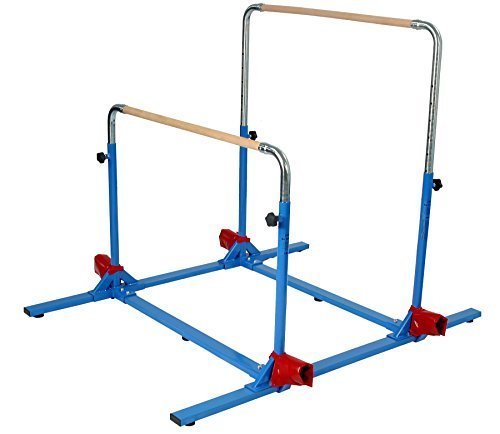
Tumbl Trak Gymnastics P-Bars
Adjustable height PVC, suitable for skill progressions.
Tumbl Trak's PVC gymnastics p-bars are height-adjustable — the headline feature for athletes progressing through skill levels where bar height directly changes exercise difficulty. Useful for handstand push-up descent work where height determines how deep you drop. PVC gives slight flex under heavy pressing loads; athletes over 180 lbs doing weighted dips or max-effort pressing should consider the Rogue. Best for skill-focused body-weight work at moderate intensities.
Pros
- ✓Height-adjustable for skill progression requirements
- ✓PVC flex absorbs some wrist vibration during fast-rep push-ups
- ✓Lightweight for shared or travel use
Cons
- ✗PVC flex under heavy loads — not for athletes above 180 lbs on max-effort pressing
Score breakdown
| Material | PVC |
| Height | Adjustable |
| Best for | Gymnastics and skill progressions |
| Weight limit | Moderate loads (~180 lbs) |
| Price | $69.99 |
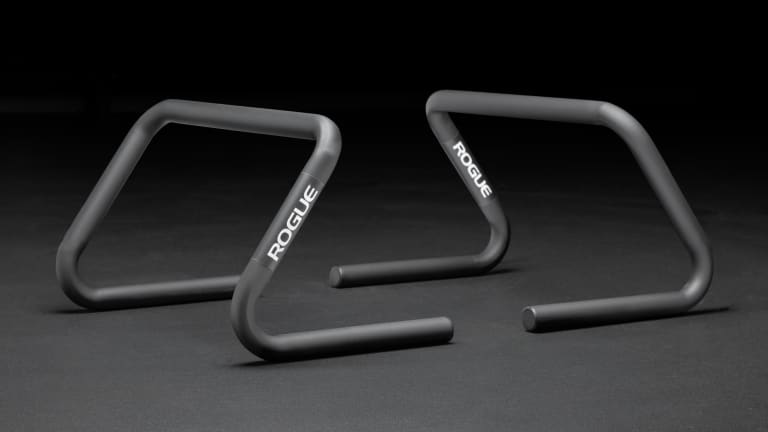
Rogue P-3 Parallettes
11-inch steel construction, commercial grade, zero flex.
Rogue's P-3 is built for gym environments where equipment takes daily abuse. Steel tube construction at 11 inches — two inches taller than the common 9-inch standard — extends dip depth and range of motion for push-up negatives. Zero lateral flex under heavy pressing or advanced statics like straddle planche attempts. The powder coat holds through chalk and sweat. Priced for serious athletes and gym operators, not beginners.
Pros
- ✓Zero flex under heavy pressing and advanced static holds
- ✓11-inch height extends dip depth and ROM beyond standard bars
- ✓Commercial-grade durability for daily gym use
Cons
- ✗Premium price — hard to justify for beginners
- ✗11-inch height may be too tall for beginners starting from floor work
Score breakdown
| Material | Steel tube, powder coat |
| Height | 11 inches |
| Flex | Zero under load |
| Best for | Advanced calisthenics, gym environments |
| Price | $95 |

Lebert Parallettes
3-inch low design, strength training and push-up variations.
At 3 inches off the floor, Lebert parallettes are optimized for push-up variations and wrist conditioning — not L-sits or dips, which require hip clearance at this height. The near-floor position maximizes ROM for push-up work (pike push-ups, archer push-ups, decline work) without the balance demands of taller bars. Highly portable and suitable for travel training and apartment workouts where full parallettes aren't practical.
Pros
- ✓3-inch height maximizes ROM for push-up variations
- ✓Highly portable — fits in a bag for travel training
- ✓Low wrist demand for athletes building foundational strength
Cons
- ✗3-inch height insufficient for L-sits or proper dips — hip doesn't clear the floor
Score breakdown
| Material | Steel |
| Height | 3 inches |
| Best for | Push-up variations, wrist conditioning |
| Portability | High — bag-portable |
| Price | $69.95 |

Yes4All Steel Parallettes
9-inch budget steel option, rubber feet, solid for home use.
Yes4All offers steel parallette construction at a price closer to budget PVC sets. The 9-inch height matches ProsourceFit for the same exercise options — L-sits, push-ups with deeper ROM, pike holds, and basic dip work. Rubber feet prevent sliding on smooth floors, which matters during overhead or inverted work. Minor flex under very heavy pressing is the trade-off for the lower price versus commercial-grade Rogue.
Pros
- ✓Steel construction stiffer than PVC at near-budget pricing
- ✓9-inch height enables full L-sit hip clearance
- ✓Rubber feet prevent sliding on smooth surfaces
Cons
- ✗Minor flex under very heavy pressing loads
- ✗Not as rigid as Rogue under advanced static holds
Score breakdown
| Material | Steel tube |
| Height | 9 inches |
| Feet | Rubber anti-slip |
| Best for | Intermediate home calisthenics |
| Price | $39.99 |
Which one is right for you?
For comfort-focused training
ProsourceFit Parallel Bars
Birch wood grip reduces wrist fatigue for long L-sit and push-up hold sessions
For skill progressions
Tumbl Trak Gymnastics P-Bars
Adjustable height lets you change bar clearance as handstand push-up and dip progressions advance
For serious calisthenics athletes
Rogue P-3 Parallettes
Zero flex under straddle planches and heavy dips — the only choice when load and precision matter
For travel training
Lebert Parallettes
3-inch low bars pack into a bag and work on any surface for push-up variation work anywhere
For budget home use
Yes4All Steel Parallettes
Steel at near-PVC pricing with rubber feet for the same 9-inch exercise options as ProsourceFit
ProsourceFit Parallel Bars — Best Wooden Parallettes for Wrist Comfort
At 9 inches tall, the ProsourceFit wooden parallettes sit in the sweet spot between low handles and full gymnastics p-bars. The birch wood surface warms under the palm instead of staying cold and hard, and bare-hand grip on wood tends to feel more secure than on coated steel — especially once your hands get damp during longer holds.
The wide base adds stability that compact parallettes often lack. When you shift weight to one side in an L-sit or start pressing into a tucked planche, the feet stay planted rather than rocking. That extra footprint does mean they take up more floor space, so check your training area before ordering.
These suit intermediate calisthenics athletes who prioritize joint comfort and are working push-up progressions, dips, and static holds. The wooden rails are not height-adjustable, which keeps the design rigid and reliable — nothing to loosen or recalibrate mid-session.
Tumbl Trak Gymnastics P-Bars — Best Adjustable Option for Skill Progressions
Tumbl Trak makes equipment for gymnastics training facilities, and their PVC p-bars reflect that background. Height adjustability is the headline feature: you can change the clearance to match where you are in a skill progression, which matters for exercises like the handstand push-up where height directly affects the difficulty of the descent.
PVC has a reputation as a lightweight, slightly flexible material — not ideal for athletes over 180 lbs pressing through heavy loads. For body-weight skill work at moderate intensity, the give actually helps; it absorbs some wrist vibration during fast-rep push-ups. Heavy strength athletes will want something more rigid.
The training-level design targets gymnasts, youth athletes, and adult beginners building toward parallette skills. The adjustable height also makes these practical for shared equipment in a home gym where multiple people train at different levels.
Rogue P-3 Parallettes — Best for Heavy Pressing and Commercial Use
Rogue built the P-3 for gym environments where equipment gets used hard every day. The steel construction at 11 inches tall provides a height that works for both dips (deeper hip clearance) and handstand push-up work without feeling too tall for floor-level L-sits. The finish is a powder coat over steel tube — durable against chalk, sweat, and repeated contact with weights on a gym floor.
The 11-inch height is slightly taller than the common 9-inch standard, which matters: taller parallettes let you sink deeper into push-ups and dips, extending the range of motion into territory that lower bars cannot reach. If you are specifically training for max-depth push-ups or ring dip transfer, that extra two inches is worth having.
Weight capacity and frame rigidity are where the Rogue separates itself. There is no flex or lateral wobble when pressing close to bodyweight or attempting advanced static holds like the straddle planche. At commercial pricing, these make most sense for serious calisthenics athletes and gym operators who want equipment that will last a decade.
Lebert Parallettes — Best Low Parallettes for Strength Training Integration
At 3 inches off the floor, Lebert parallettes sit so low they almost look like elaborate push-up handles — and that is roughly the intended use case. The logic is that low handles give maximum range of motion for push-up variations, including pike push-ups, archer push-ups, and decline press work, without the balance demands of a taller parallette.
The low height also makes these accessible to people who have not yet built the wrist strength or shoulder stability for elevated L-sits or tall-bar work. You can use them as a natural progression tool: start with push-up variations on the handles, gradually load the wrists with incline holds, then move to taller equipment once the base is solid.
Portability is a genuine advantage here. Low parallettes pack into a bag easily and work on any surface including carpet, making them practical for travel training or apartment workouts where space is limited. The trade-off is that exercises requiring significant hip clearance — proper L-sits, deep dips — are not possible at 3 inches.
Yes4All Steel Parallettes — Best Budget Pick with Steel Construction
Yes4All offers steel parallette construction at a price point closer to budget PVC sets. The 9-inch height matches the ProsourceFit wooden option, so the exercise options are the same: L-sits, push-ups with deeper ROM, pike holds, and basic dip work. Rubber feet keep the bars from sliding on smooth floors, which is a small but meaningful detail for safety during overhead or inverted work.
The steel tube construction is stiffer than PVC without the premium price of commercial-grade equipment like the Rogue. That makes the Yes4All a reasonable choice for home athletes who want the stability of metal at a cost that does not require a serious budget commitment.
Build tolerances are not at Rogue levels — there is some minor flex in the handles under very heavy pressing loads — but for the majority of body-weight exercises up to intermediate-advanced level, the frame holds up. If your training includes heavy weighted dips or high-force planche attempts, the upgrade to commercial steel is justified.
Height and Material: What Actually Matters for Your Training
Height determines which exercises are possible. Below 4 inches: push-up variations, wrist conditioning, pike holds. At 9 inches: L-sits become practical (hips clear the floor), dips are possible, handstand push-up work is accessible. At 11 inches: deep dips, extended hip clearance, more vertical travel for handstand push-up negatives.
Material affects grip feel, weight, and rigidity. Wood provides warmth and natural grip texture that is forgiving on bare hands. Steel is the most rigid and durable option — the choice for strength-focused training and commercial environments. PVC is lightweight and often adjustable in height, which suits skill-focused gymnastic work at lighter loads.
Base width determines stability under lateral load. Exercises like the L-sit require the hips to shift outside the bar footprint, which torques the frame. A wide base resists this rotation; a narrow or short-foot design may shift or tip. Check base dimensions, not just bar height, before purchasing.