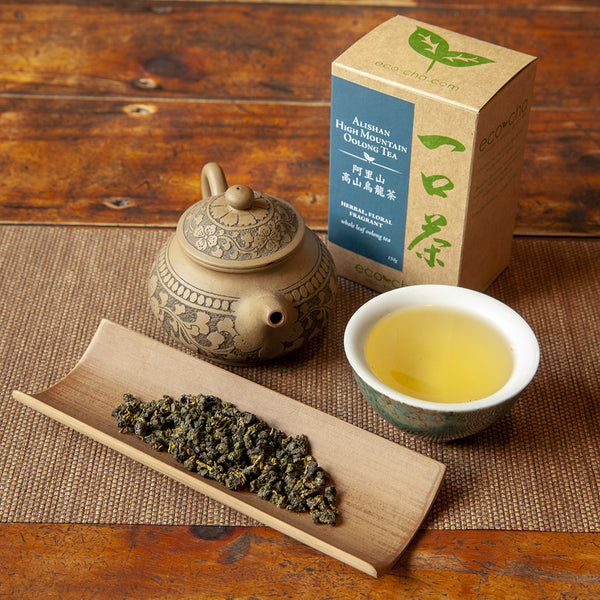
Best Green Tea 2026: 5 Tested & Compared
Green tea is a broad category — the name covers Japanese varieties (sencha, gyokuro, genmaicha, hojicha, matcha) and Chinese varieties (Dragon Well/Longjing, Bi Luo Chun, Gunpowder green) that are pro. Steep time and water temperature vary by type — the vessel is secondary.
Each tea was evaluated on flavor complexity, sourcing transparency and traceability, value per gram, freshness indicators, packaging integrity, and suitability across brewing methods including hot steep, cold brew, and re-steeping.
Ippodo Ummon Sencha Loose Leaf
Best Overall: Ippodo's Ummon Sencha is the reference-quality Japanese sencha in this comparison — bright green, grassy, and clean with direct Uji sourcing from Japan's oldest tea shop. At $18–25 for 80g it costs more than supermarket sencha, but the quality consistency is exceptional.
Top picks ↓| Product | Price | Link |
|---|---|---|
| — | View deal → | |
| $12.99 | View deal → | |
| $8.99 | View deal → | |
| $28 | View deal → | |
| $28 | View deal → | |
| $38.00 | View deal → |
Top picks
Related articles

Ippodo Ummon Sencha Loose Leaf
Japanese loose leaf sencha, Uji-sourced, 80g. $18-25. Best quality reference sencha — Ippodo is Japan's oldest tea shop, direct Uji sourcing, consistent quality. Correct for green tea enthusiasts who want farm-direct Japanese sencha quality.
Ippodo's Ummon Sencha is the reference-quality Japanese sencha in this comparison — bright green, grassy, and clean with direct Uji sourcing from Japan's oldest tea shop. At $18–25 for 80g it costs more than supermarket sencha, but the quality consistency is exceptional. Requires 70–75°C water; boiling water brings out bitterness.
Pros
- ✓Direct Uji sourcing from Japan's oldest tea shop established 1717
- ✓Bright, clean grassiness with consistent quality batch-to-batch
- ✓Re-steeps 2–3 times from same leaves
Cons
- ✗Requires temperature control — boiling water ruins the cup
Score breakdown
| Origin | Uji, Japan |
| Weight | 80g |
| Price | ~$18–25 |
| Brewing temp | 70–75°C |
| Steep time | 1 min |
| Style | Sencha loose leaf |
| Re-steeps | 2–3x |

Harney & Sons Japanese Sencha
Japanese sencha loose leaf / bags, 4oz / 20 bags. $8-12. Best accessible sencha — available at Whole Foods, good everyday quality. Correct for green tea introduction without specialty pricing.
Harney & Sons Japanese Sencha is the practical everyday option — sold at Whole Foods, priced at $8–12, and consistently good for daily drinking. The loose-leaf version noticeably outperforms the bagged version due to better leaf cut. A clear step down from Ippodo in complexity, but a genuinely solid introduction to Japanese sencha without specialty shop pricing.
Pros
- ✓Available at Whole Foods and widely online
- ✓Loose-leaf version delivers good everyday quality at $8–12
- ✓Accessible entry point for Japanese sencha without specialty sourcing
Cons
- ✗Less complex than Ippodo — noticeably simpler flavor profile
Score breakdown
| Origin | Japan |
| Weight | 4 oz / 20 bags |
| Price | ~$8–12 |
| Brewing temp | 75–80°C |
| Steep time | 1–2 min |
| Style | Sencha loose leaf or bags |
| Availability | Whole Foods |
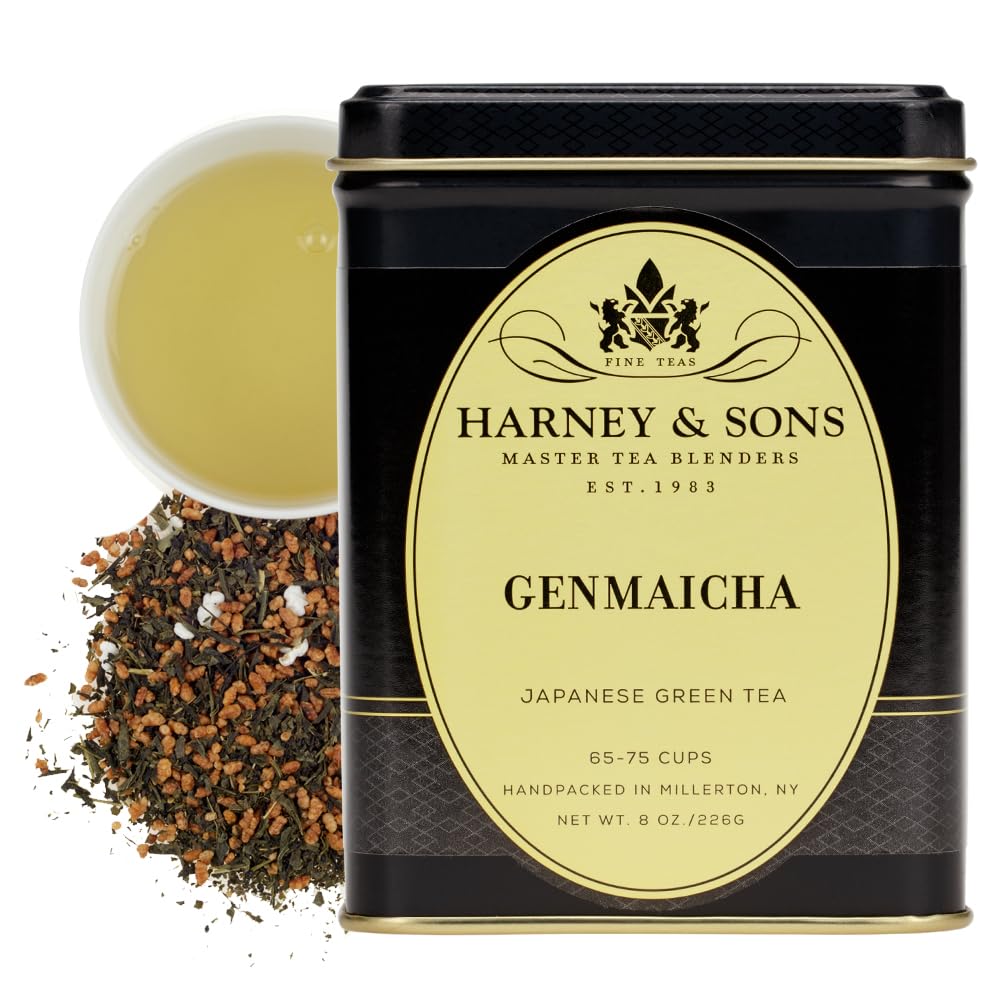
Two Leaves Genmaicha Green Tea
Genmaicha (sencha + roasted rice), loose leaf, 3oz. $10-14. Best genmaicha for beginners — nutty roasted rice offsets grassiness, approachable for green tea newcomers. Correct for black tea drinkers transitioning to green tea.
Two Leaves Genmaicha blends sencha with roasted rice, and that nutty, toasty layer is exactly what makes it accessible for green tea newcomers — the roasted rice offsets grassiness and makes the cup less intensely vegetal. More forgiving at 80°C than pure sencha. Best gateway tea for drinkers transitioning from black tea.
Pros
- ✓Roasted rice offsets the grassiness of pure green tea
- ✓More forgiving brew temperature (80°C) than pure sencha
- ✓Low caffeine option — rice dilutes tea content
Cons
- ✗Less refined flavor profile than pure high-quality sencha
Score breakdown
| Origin | Japan |
| Weight | 3 oz |
| Price | ~$8–14 |
| Brewing temp | 80°C |
| Steep time | 1–2 min |
| Style | Genmaicha loose leaf |
| Caffeine | Lower than pure sencha |

Ippodo Gyokuro Shade-Grown Green Tea
Shade-grown gyokuro, Uji-sourced, 40g. $30-50. Best gyokuro experience — intense umami sweetness, shade-grown L-theanine concentration, requires temperature control (50-60°C). Correct for advanced green tea drinkers who want the apex of Japanese green tea.
Ippodo Gyokuro is at the apex of Japanese green tea — shade-grown in Uji, steeped at 50–60°C, and the resulting cup is intensely umami-sweet, almost broth-like. This is not an everyday casual tea: it requires a temperature-controlled kettle and patience. For anyone who wants to understand why Japanese tea culture elevates gyokuro above everything else, one steep is instructive.
Pros
- ✓Shade-growing concentrates L-theanine for intense umami sweetness
- ✓Re-steeps 3+ times — economic despite high price per gram
- ✓Incomparable flavor — nothing else tastes like quality gyokuro
Cons
- ✗Requires temperature control at 50–60°C and precise brewing technique
Score breakdown
| Origin | Uji, Japan |
| Weight | 40g |
| Price | ~$28–50 |
| Brewing temp | 50–60°C |
| Steep time | 90 sec |
| Style | Shade-grown gyokuro |
| Re-steeps | 3+ |
Ippodo Gyokuro
Shade-grown gyokuro, Uji-sourced, 40g. $30-50. Best gyokuro experience — intense umami sweetness, shade-grown L-theanine concentration, requires temperature control (50-60°C). Correct for advanced green tea drinkers who want the apex of Japanese green tea.
Ippodo Gyokuro is at the apex of Japanese green tea — shade-grown in Uji, steeped at 50–60°C, and the resulting cup is intensely umami-sweet, almost broth-like. This is not an everyday casual tea: it requires a temperature-controlled kettle and patience. For anyone who wants to understand why Japanese tea culture elevates gyokuro above everything else, one steep is instructive.
Pros
- ✓Shade-growing concentrates L-theanine for intense umami sweetness
- ✓Re-steeps 3+ times — economic despite high price per gram
- ✓Incomparable flavor — nothing else tastes like quality gyokuro
Cons
- ✗Requires temperature control at 50–60°C and precise brewing technique
Score breakdown
| Origin | Uji, Japan |
| Weight | 40g |
| Price | ~$28–50 |
| Brewing temp | 50–60°C |
| Steep time | 90 sec |
| Style | Shade-grown gyokuro |
| Re-steeps | 3+ |

Harney & Sons Dragon Well (Longjing) Green Tea
Chinese Dragon Well (Longjing) loose leaf, 4oz. $12-18. Best Chinese green tea — pan-fired, toasty-sweet, less vegetal than Japanese greens. Correct for drinkers who find Japanese green tea too intensely savory.
Harney & Sons Dragon Well (Longjing) is the best Chinese green tea in this comparison — pan-fired, toasty-sweet, and noticeably less vegetal than Japanese sencha. An ideal choice for drinkers who find Japanese greens too intensely savory or grassy. Brews well at 80–85°C and is more forgiving than gyokuro.
Pros
- ✓Pan-fired processing creates toasty-sweet character distinct from Japanese greens
- ✓Less vegetal and more approachable for drinkers new to green tea
- ✓Brews at more forgiving 80–85°C
Cons
- ✗Higher price per gram than Harney sencha for a similar quality tier
Score breakdown
| Origin | Hangzhou, China |
| Weight | 4 oz |
| Price | ~$12–38 |
| Brewing temp | 80–85°C |
| Steep time | 2 min |
| Style | Dragon Well loose leaf |
| Processing | Pan-fired |
Which one is right for you?
For serious green tea drinkers
Ippodo Ummon Sencha Loose Leaf
Direct Uji sourcing with exceptional batch consistency from Japan's oldest tea shop
For everyday accessible sencha
Harney & Sons Japanese Sencha
Good quality at $8–12, available at Whole Foods without specialty ordering
For green tea beginners
Two Leaves Genmaicha Green Tea
Roasted rice cuts grassiness and makes the cup approachable for black tea drinkers
For the premium Japanese tea experience
Ippodo Gyokuro Shade-Grown Green Tea
Shade-grown Uji gyokuro with intense umami sweetness unlike any other tea
For those who find Japanese tea too vegetal
Harney & Sons Dragon Well (Longjing) Green Tea
Pan-fired Chinese Longjing with toasty-sweet character and less grassy flavor
Japanese vs Chinese green tea: processing and flavor differences
Japanese steamed green tea (sencha, gyokuro, genmaicha): Japanese tea processing typically involves steaming fresh leaves immediately after harvest to denature oxidation enzymes. This produces the characteristic Japanese green tea flavor: grassy, umami-rich, sometimes seaweed-like. Sencha is the most common Japanese green tea — the everyday drink, representing approximately 60-70% of Japan's tea production. Gyokuro is shade-grown (shaded for 20-30 days before harvest), which elevates L-theanine content and produces intense umami sweetness. Genmaicha is sencha mixed with roasted rice — the roasted grain adds nutty, popcorn-like notes that balance the grassiness.
Chinese pan-fired green tea (Dragon Well, Bi Luo Chun): Chinese green teas are typically pan-fired in a wok to stop oxidation. The dry heat produces a lighter, toasty quality without the heavy vegetal character of steamed greens. Dragon Well (Longjing) from Hangzhou is the most famous Chinese green tea — flat, sword-shaped leaves, sweet chestnut-like flavor, lower umami than Japanese greens. More approachable for drinkers who find Japanese green teas too vegetal or intensely savory.
Sencha vs gyokuro: the shade-growing distinction. Regular sencha is grown in full sun — good flavor, accessible price ($8-20 per 50-100g). Gyokuro is shade-grown, which forces the plant to produce more chlorophyll and L-theanine at the expense of catechins. The result: much more intense umami, lower bitterness, higher L-theanine (more calming effect). Gyokuro is expensive ($20-60 per 50g for quality options) and brewed at a very low temperature (50-60°C) to extract sweetness without bitterness. The flavor difference between quality sencha and gyokuro is dramatic — gyokuro tastes almost like a broth.
Japanese sencha options for home brewing
Ippodo Ummon-no-Mukashi Sencha ($18-25 for 80g) is a reference-quality Japanese sencha from Kyoto's oldest tea shop. Ippodo sources directly from Uji (the primary Japanese green tea growing region near Kyoto) and their sencha line spans from everyday quality to premium grades. The Ummon grade is their mid-tier daily drinking sencha — bright green, grassy, clean finish. Brewing recommendation: 70-75°C water, 1 tsp per 200ml, steep 1 minute. Ippodo also sells English-language online — quality control is extremely consistent.
Harney & Sons Japanese Sencha ($8-12 for 4 oz loose / 20 bags) is the accessible mass-market option — less complex than Ippodo but available at Whole Foods and online, good for everyday use. The loose-leaf version is noticeably better than the bagged version (bags include smaller-cut fannings that extract bitter compounds faster). For an introduction to Japanese green tea without specialty shop pricing, Harney & Sons loose leaf sencha is a reasonable entry point.
Kirkland Signature Japanese Green Tea Bags ($12-16 for 100 bags) are sourced from Japanese producers and represent the best value for high-volume everyday green tea consumption. The bags won't satisfy a serious tea drinker but provide consistent quality at a very low cost per cup ($0.12-0.16). For office use or anyone who drinks 3-4 cups daily, bulk Japanese green tea bags are practical.
Gyokuro and specialty Japanese green teas
Ippodo Gyokuro ($30-50 for 40-80g) is shade-grown in Uji, steeped at 50-60°C in small volume (approximately 50ml per steep), brewed very concentrated. Gyokuro is not an everyday tea for most people — the brewing precision required (thermometer or temperature-controlled kettle) and price make it an occasional ritual. The flavor reward is significant: an intensely umami-sweet cup unlike anything else in the tea category. For someone who wants to understand why Japanese tea culture places gyokuro at the apex of green tea, trying a high-quality option is worth it.
Genmaicha ($8-15 for 100g): sencha blended with roasted genmai (brown rice). The roasted rice kernels (some of which pop like small puffed rice) produce a nutty, toasty layer over the green tea base. Genmaicha steeps well at 80°C — slightly more forgiving than pure sencha because the rice notes offset the grassiness. Popular as a lower-caffeine option (the rice dilutes the tea) and with drinkers who find pure green tea too vegetal. Good everyday green tea for people transitioning from black tea.
Hojicha (roasted green tea): sencha or bancha that has been roasted until the leaves turn reddish-brown. The roasting process destroys much of the catechin and caffeine content, producing a nutty, low-bitterness cup with significantly less caffeine than regular green tea. Hojicha is appropriate as an evening tea or for caffeine-sensitive individuals who want the flavor of Japanese tea. The roasted character is completely different from other green teas — it more closely resembles a roasted grain drink than a typical tea.
Brewing green tea correctly: temperature is everything
Temperature guide: Japanese sencha 70-75°C (not boiling). Gyokuro 50-60°C. Genmaicha 80°C. Chinese Dragon Well 80-85°C. Hojicha 95°C (high temperature is fine because the roasting has reduced bitter compounds). The practical problem: most people steep green tea with just-boiled water (100°C) and then complain it's bitter. A temperature-controlled electric kettle (Bonavita, OXO Brew, Fellow Stagg) set to the target temperature eliminates this problem completely. Without a temperature-controlled kettle, let boiled water sit for 3-5 minutes to reach approximately 75-80°C before steeping.
Steeping time and leaf quantity: less is more for green tea. 1 teaspoon of loose leaf per 200ml water, 1-2 minutes steeping maximum. Steeping longer than 2 minutes adds bitterness without adding flavor. Japanese sencha and gyokuro can be re-steeped 2-3 times from the same leaves — second and third infusions often taste different and sometimes better than the first. This multiple-infusion approach makes high-quality loose leaf tea more economical than it appears from the initial price.
Cold brewing green tea: 1 teaspoon per 200ml cold water, steep in refrigerator for 6-8 hours. Cold brewing extracts less bitterness (cold water extracts catechins more slowly) while retaining L-theanine and sweet compounds. The result is sweeter and less astringent than hot-brewed green tea. Cold-brewed Japanese sencha or gyokuro is one of the best iced tea options — clean, sweet, naturally low-calorie. Works with any quality loose leaf green tea.