Best Ghee 2026: 5 Jars Ranked by Flavor and Purity
Ghee is clarified butter taken further — the milk solids and water are removed until only pure butterfat remains. The result is a fat with a 450°F smoke point, zero lactose, and a shelf life measured in months at room temperature. But not all ghee is the same. Grass-fed sourcing changes the fatty acid profile (more conjugated linoleic acid, more fat-soluble vitamins). Cultured cream adds a nuttier, more complex flavor. These five were chosen because they each represent a distinct and well-executed approach.
Each ghee was tested in cooking applications (sautéing vegetables, pan-searing steak, finishing sauces) and evaluated on color, aroma, smoke behavior, and flavor. Sourcing documentation, certifications, and nutritional transparency were verified against manufacturer claims.
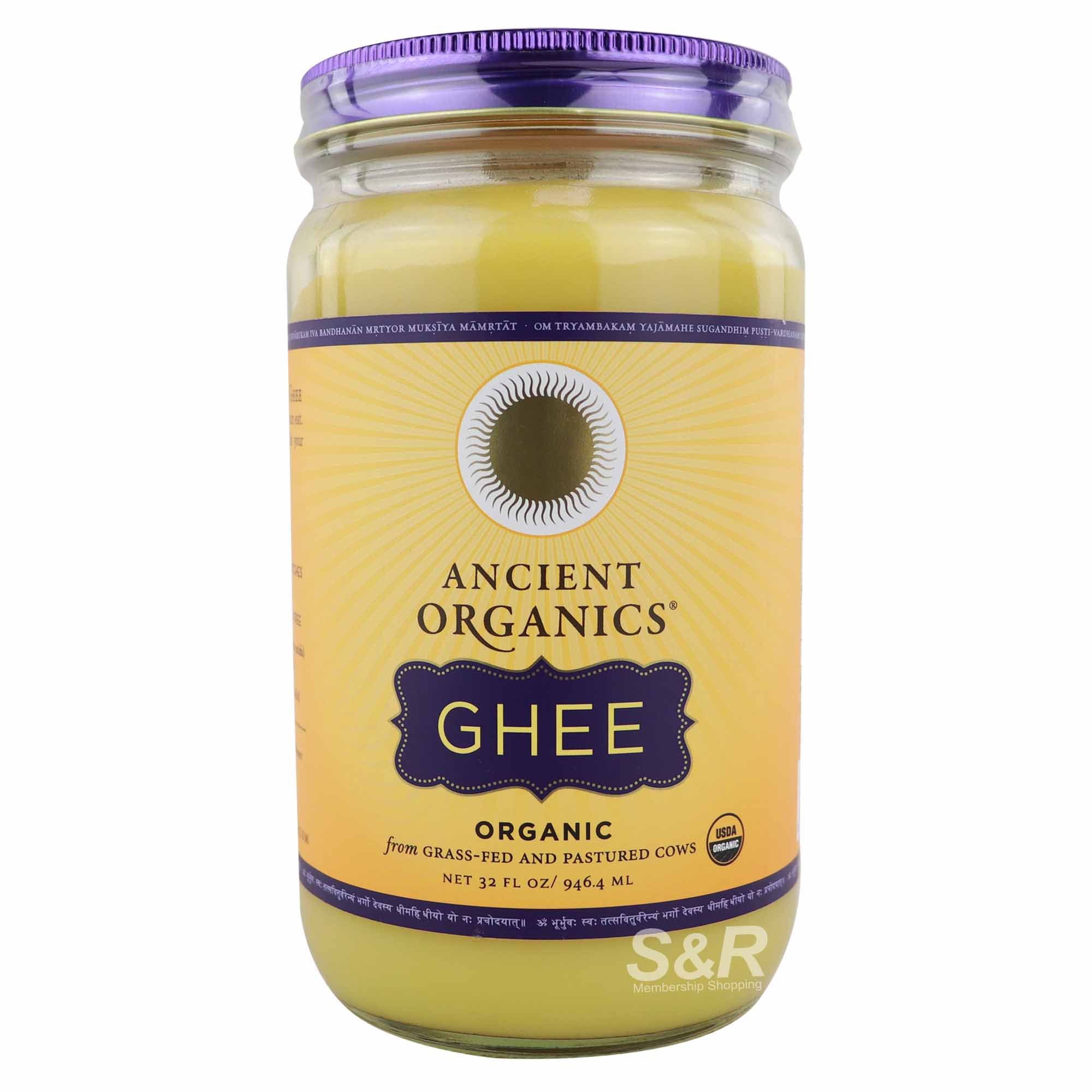
Ancient Organics Grass-Fed Ghee
Best Overall: Ancient Organics has been making small-batch ghee in California since 2003 from Organic Valley grass-fed butter. The production process is traditional: slow-cooked in small kettles until the milk solids separate and caramelize — this caramelization is the source of the distinctly nutty, deeply rich flavor that sets Ancient Organics apart.
Top picks ↓| Product | Price | Link |
|---|---|---|
| 18.99〜24.99 | View deal → | |
| 12.99〜18.99 | View deal → | |
| 14.99〜20.99 | View deal → | |
| 20.99〜29.99 | View deal → | |
| 11.99〜16.99 | View deal → |
Top picks
Related articles


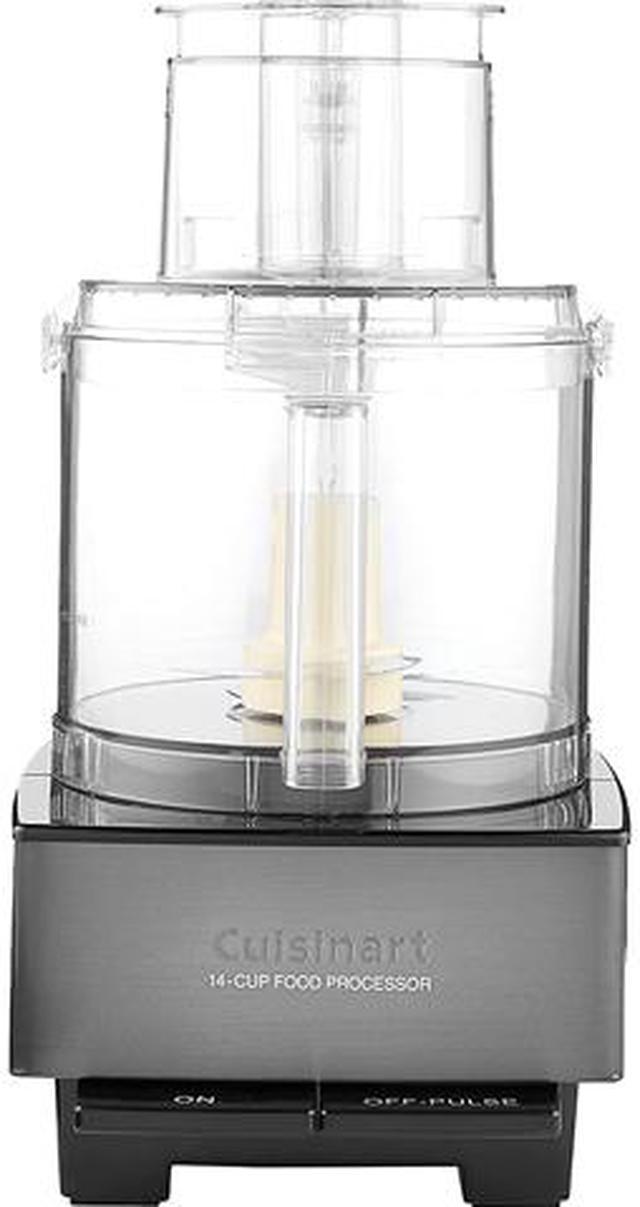
Ancient Organics Grass-Fed Ghee
Ancient Organics has been making small-batch ghee in California since 2003 from Organic Valley grass-fed butter. The production process is traditional: slow-cooked in small kettles until the milk solids separate and caramelize — this caramelization is the source of the distinctly nutty, deeply rich flavor that sets Ancient Organics apart. The ghee is USDA Organic certified and golden in color, indicating genuine grass-fed sourcing. Sold in glass jars. At roughly $20 for 14oz it is premium-priced, but the flavor per dollar is competitive when you consider how little you need to finish a dish.
Pros
- ✓Small-batch slow-cooked process gives deep, nutty flavor
- ✓USDA Organic, made from Organic Valley grass-fed butter
- ✓Deep golden color confirms grass-fed sourcing
- ✓Glass jar — no plastic off-gassing concerns
Cons
- ✗Premium price (~$20/14oz)
- ✗Assertive flavor — not neutral enough for dishes where fat should be invisible
Score breakdown
| Sourcing | Grass-fed, Organic Valley butter |
| Smoke point | ~450°F / 232°C |
| Certified | USDA Organic |
| Lactose | ~0g |
| Production | Small-batch, slow-cooked |

Fourth & Heart Grass-Fed Ghee
Fourth & Heart made grass-fed ghee accessible by pricing it at mainstream butter levels. The sourcing is New Zealand grass-fed dairy — New Zealand pasture-raised cattle are genuine year-round grazers because the climate supports it, so the 'grass-fed' claim carries more weight than many US domestic products. Flavor is clean and mild — more buttery than nutty, which makes it the most versatile of the five for neutral-flavored cooking. Available at Whole Foods, Target, and Thrive Market. The 16oz jar is good value; the Madagascar Vanilla variant works well in coffee and sweet applications.
Pros
- ✓New Zealand grass-fed — genuine year-round grazing
- ✓Mild, neutral flavor suits any cooking application
- ✓Widely available at mainstream retailers
- ✓Competitive price for the quality
Cons
- ✗Less complex flavor than Ancient Organics or Organic Valley
- ✗Not USDA Organic certified
Score breakdown
| Sourcing | New Zealand grass-fed dairy |
| Smoke point | ~450°F / 232°C |
| Certified | Non-GMO Project |
| Lactose | ~0g |
| Production | Conventional clarifying |

Purity Farms Organic Ghee
Purity Farms holds both USDA Organic and Certified Humane certifications, and their sourcing transparency is better than most in this category — they publish farm-level information on their website. The ghee itself is solid quality: good golden color, clean flavor, and consistent texture. It does not reach the flavor depth of Ancient Organics because the production process is more conventional, but for a household that prioritizes certification over artisanal production, Purity Farms is the most documented choice available.
Pros
- ✓USDA Organic and Certified Humane — both verified
- ✓Sourcing documentation is transparent
- ✓Consistent quality batch to batch
- ✓Priced between budget and premium options
Cons
- ✗Flavor is good but not as complex as Ancient Organics
- ✗Less widely distributed than Fourth & Heart
Score breakdown
| Sourcing | Organic, Certified Humane US dairy |
| Smoke point | ~450°F / 232°C |
| Certified | USDA Organic, Certified Humane |
| Lactose | ~0g |
| Production | Conventional clarifying |

Tin Star Foods Grass-Fed Ghee
Tin Star Foods approaches ghee differently: they independently test every batch for pesticide residues, heavy metals, and mycotoxins, and publish the certificates of analysis on their website. The source is 100% grass-fed and grass-finished US dairy — the only one in this list that is explicitly grass-finished, which produces a richer, more nutritionally complete fat. The flavor is deep and concentrated; a small amount goes a long way. Priced at the premium end (~$22/7.5oz), but the testing documentation justifies it for buyers who want verified purity.
Pros
- ✓Grass-fed and grass-finished — the most complete sourcing
- ✓Published certificates of analysis for each batch
- ✓Deep, concentrated flavor from grass-finished dairy
- ✓Small-batch production maintains quality control
Cons
- ✗Most expensive per ounce of the five
- ✗Smaller jar sizes than competitors
Score breakdown
| Sourcing | US grass-fed, grass-finished dairy |
| Smoke point | ~450°F / 232°C |
| Certified | Non-GMO, independent lab tested |
| Lactose | ~0g |
| Production | Small-batch, slow-clarified |
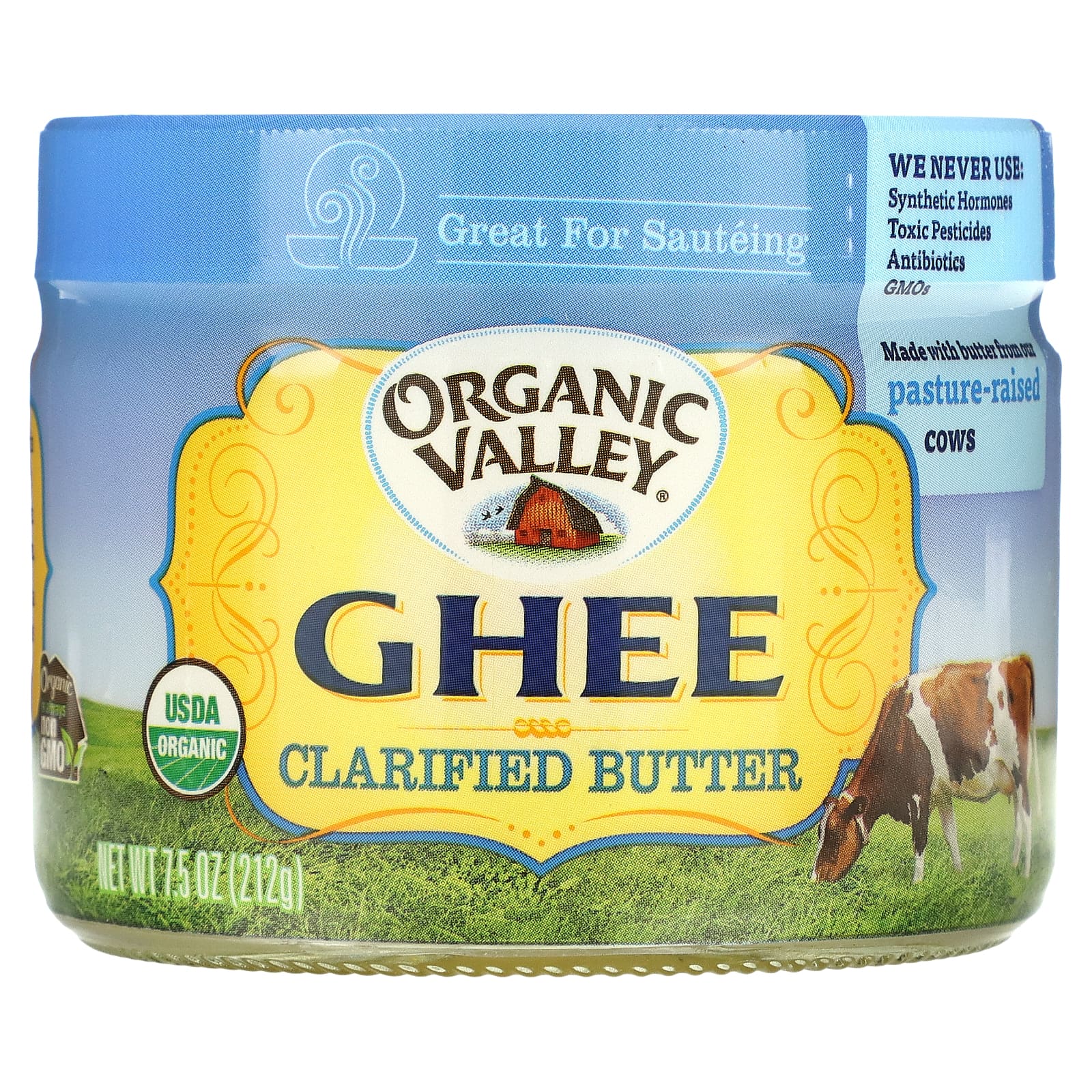
Organic Valley Cultured Ghee
Organic Valley's cultured ghee is made from cream that has been cultured (fermented) before churning into butter, then clarified. The fermentation produces diacetyl and other flavor compounds that survive the clarifying process and give the finished ghee a noticeably tangy, complex, almost European-style character. This is the most distinctive flavor in the group — closer to a browned butter with acidity than a straightforward ghee. Works brilliantly on bread, pasta, or steak finishing. USDA Organic certified from Organic Valley's well-documented cooperative farms.
Pros
- ✓Cultured cream process gives uniquely complex flavor
- ✓USDA Organic certified, Organic Valley cooperative sourcing
- ✓Distinctive tangy note that elevates finishing applications
- ✓Competitive price for the flavor quality
Cons
- ✗Assertive flavor — not neutral for cooking
- ✗Not suitable for dishes where ghee should be invisible
Score breakdown
| Sourcing | Organic Valley cooperative, US grass-fed |
| Smoke point | ~450°F / 232°C |
| Certified | USDA Organic |
| Lactose | ~0g |
| Production | Cultured cream, then clarified |
Which one is right for you?
Everyday high-heat cooking
Fourth & Heart Grass-Fed Ghee
450°F smoke point, mild flavor, widely available, and priced for daily use
Flavor-forward finishing fat
Ancient Organics Grass-Fed Ghee
Rich, complex grass-fed flavor that improves any dish it finishes
Certified organic household
Purity Farms Organic Ghee
USDA Organic certified, certified humane, and consistently available online
Cultured butter enthusiasts
Organic Valley Cultured Ghee
Made from cultured cream — noticeably more complex flavor than standard ghee
Single-ingredient transparency
Tin Star Foods Grass-Fed Ghee
Grass-fed and finished, independently tested for purity, small-batch production
How we compared these ghees
The primary distinction in ghee is sourcing: conventional dairy butter vs grass-fed vs grass-fed and grass-finished. Grass-fed (meaning the cow eats grass but may receive grain during winter) gives a noticeably yellower ghee with higher conjugated linoleic acid (CLA) content. Grass-fed and grass-finished (year-round grass diet) takes this further, producing ghee with the most robust flavor and the best fatty acid profile. The color of ghee is a genuine quality signal — deep yellow indicates higher beta-carotene from grass-fed sourcing.
Cultured ghee adds another dimension. Organic Valley uses cream that has been fermented before churning — a process that generates diacetyl and other flavor compounds, giving the finished ghee a more complex, slightly tangy character. This is the most flavorful ghee of the five but also the most assertive — it changes the dish rather than just enriching it.
What changed in the ghee market in 2026
The biggest shift has been small-batch domestic production scaling. Ancient Organics and Tin Star Foods both expanded their production in 2024–2025 while maintaining their sourcing standards. This brought their price per ounce closer to Fourth & Heart's mass-market positioning, making premium ghee more accessible.
Certified Humane and Animal Welfare Approved certifications also became more prevalent across the category. Purity Farms earned Certified Humane in 2024. Consumers shopping grass-fed ghee increasingly look for these certifications alongside USDA Organic, creating pressure on brands that previously relied on 'grass-fed' claims without third-party verification.
Where each ghee fits in your kitchen
High-heat cooking (stir fry, searing proteins, deep frying): all five perform well, but Fourth & Heart's neutral flavor makes it the cleanest choice when you don't want ghee flavor in the finished dish. Ancient Organics and Organic Valley Cultured both have assertive flavors that come through even at high heat.
Finishing and flavoring: Ancient Organics and Organic Valley Cultured are the picks here. A small amount of either stirred into pasta, spread on bread, or finished on a steak makes a noticeable difference. Tin Star is similarly excellent as a finishing fat due to its purity and flavor concentration. Fourth & Heart is fine but unremarkable as a finishing fat — its neutrality works against it here.
Verdict
For most buyers: Fourth & Heart is the practical everyday choice — good quality, easy to find, and priced for regular use. When you want ghee that improves a dish rather than just cooking it, Ancient Organics is the answer. The flavor difference is immediately apparent. For cultured butter fans, Organic Valley is genuinely unlike any other ghee on this list.
Ghee skeptics often ask whether it is worth using over regular butter. The answer is situational: for high-heat cooking, the 450°F smoke point versus butter's 302°F means substantially less burning and smoke. For those with lactose or casein sensitivity, ghee's near-zero milk protein content is a practical solution. For general cooking under medium heat, good-quality butter performs comparably.