Best Espresso Machine Under $200 in 2026: 5 Tested & Compared
Five espresso machines priced between $50 and $170, covering the full range of what under-$200 espresso looks like in 2026. Pressure consistency and temperature stability separate the results, not the price tag alone.
Each machine was evaluated on espresso shot quality (pressure consistency, crema, extraction evenness), warm-up time, milk frothing capability, build quality, and total cost of ownership including consumables.
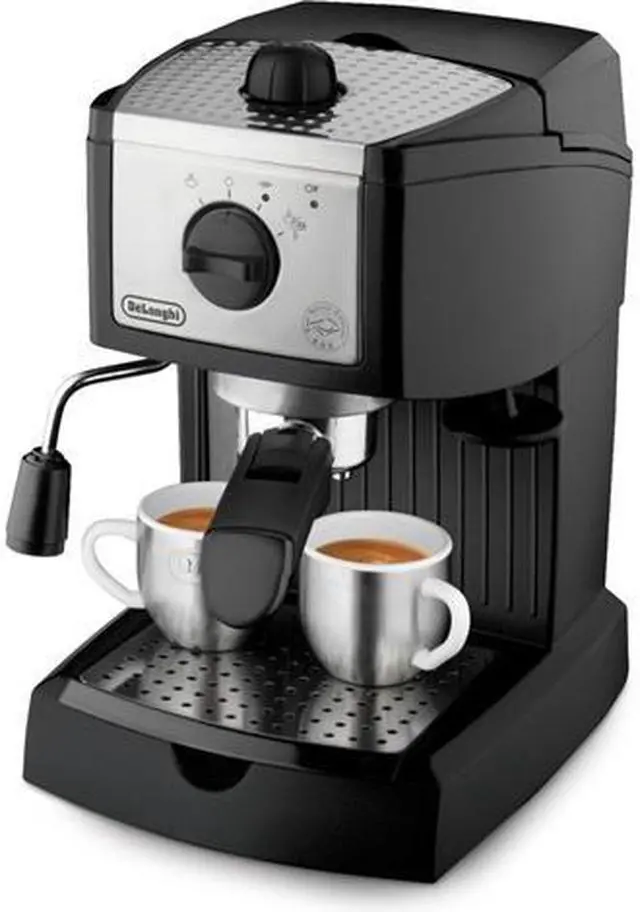
De'Longhi EC155M Manual Espresso Machine
Best Value: At ~$80 the EC155M delivers genuine espresso with ESE pod and ground coffee flexibility. The Panarello wand auto-injects air, making beginner foam far easier than a bare steam tip.
Top picks ↓| Product | Price | Link |
|---|---|---|
| $80 | View deal → | |
| $170 | View deal → | |
| $100 | View deal → | |
| $85 | View deal → | |
| $50 | View deal → |
Top picks
Related articles
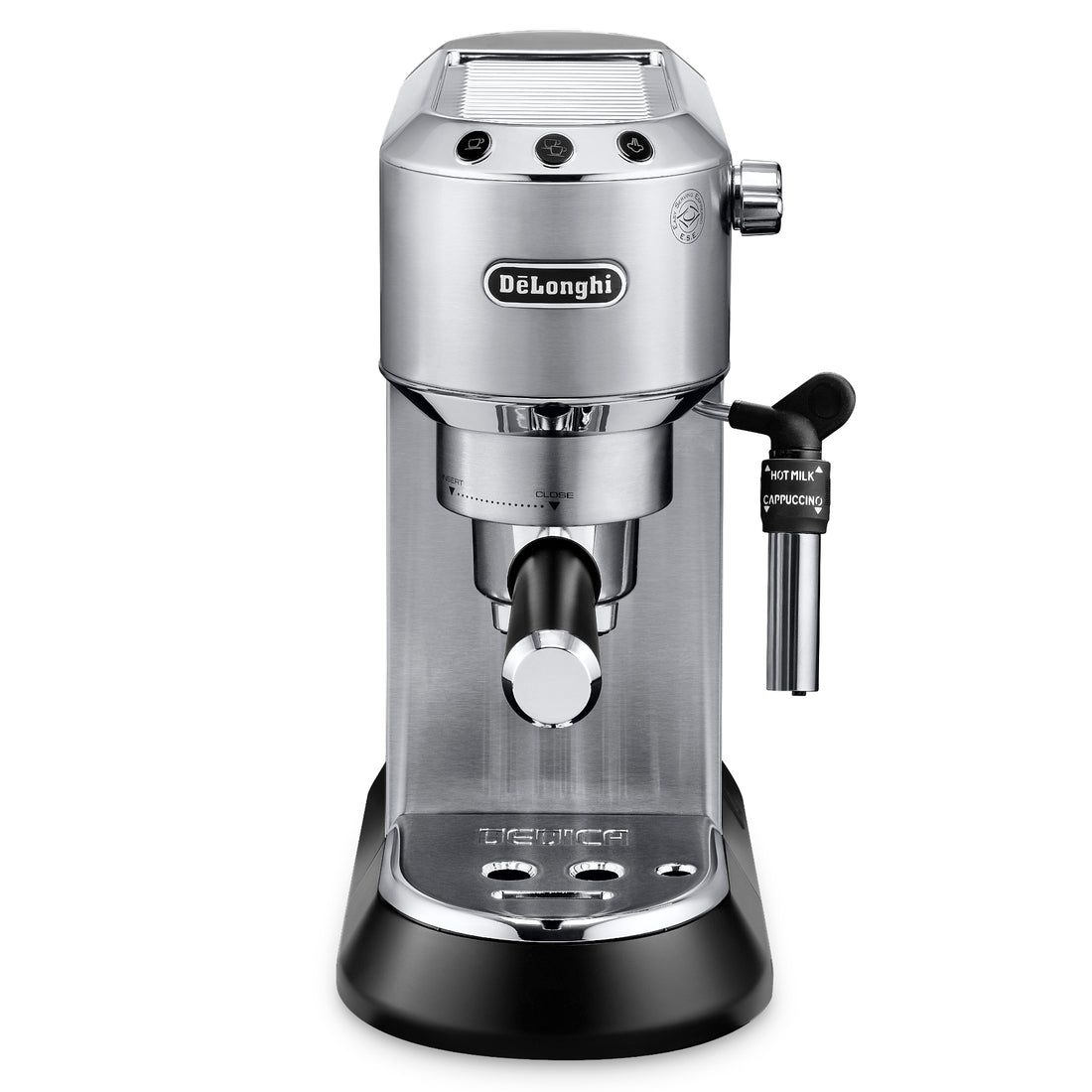

.png?v=1640040616)
De'Longhi EC155M Manual Espresso Machine
Around $80. 15-bar pump, 45-second warm-up, accepts ESE pods and ground coffee, Panarello steam wand for automatic-assist foam. Pressurized basket masks grind errors but limits quality ceiling; thermoblock temperature drifts over multi-shot sessions.
At ~$80 the EC155M delivers genuine espresso with ESE pod and ground coffee flexibility. The Panarello wand auto-injects air, making beginner foam far easier than a bare steam tip. Quality ceiling is limited by the pressurized basket and thermoblock temperature drift over multi-shot sessions.
Pros
- ✓Accepts both ESE pods and ground coffee
- ✓Panarello wand makes foam accessible for beginners
- ✓Strong value at ~$80
Cons
- ✗Pressurized basket limits quality ceiling for advanced users
Score breakdown
| Price | ~$80 |
| Pump | 15-bar |
| Warm-up | 45 sec |
| Portafilter | 51mm |
| Boiler | Thermoblock |
| Steam wand | Panarello |
| Weight | 2.5 kg |

Breville Bambino BES450BSS
Around $170. ThermoJet heating to 93°C in 3 seconds — fastest warm-up in this comparison. 54mm portafilter with both pressurized and non-pressurized baskets included; automatic purge after each shot. Manual steam wand requires practice; highest upfront cost in this bracket.
The Bambino's ThermoJet heating system reaches 93°C in 3 seconds — no other machine under $200 comes close on warm-up speed. The 54mm portafilter and included non-pressurized basket give you a genuine path to quality espresso as your technique improves. The trade-off is price: at $170 it's the most expensive in this comparison.
Pros
- ✓3-second ThermoJet warm-up, fastest in class
- ✓54mm commercial-diameter portafilter
- ✓Both pressurized and non-pressurized baskets included
Cons
- ✗$170 is near the top of the under-$200 bracket
Score breakdown
| Price | ~$170 |
| Pump | 15-bar |
| Warm-up | 3 sec |
| Portafilter | 54mm |
| Boiler | ThermoJet |
| Steam wand | Manual |
| Weight | 4.5 kg |

Nespresso Essenza Mini D30
Around $100. 8 cm wide — the smallest footprint in this comparison. 19-bar pump, 25-second warm-up, OriginalLine capsule format. No steam wand; capsule cost $0.70–$1.00 each; no third-party capsule quality matches OEM at this format.
The Essenza Mini eliminates every variable: 8 cm wide, 25-second heat-up, and consistent crema every time with OriginalLine capsules. The trade-off is capsule lock-in at $0.70–$1.00 each and no steam wand — the Aeroccino frother is a $50 add-on.
Pros
- ✓8 cm footprint — fits anywhere
- ✓19-bar pump with consistent crema shot-to-shot
- ✓Zero skill requirement
Cons
- ✗No built-in steam wand
- ✗Proprietary capsules at $0.70–$1.00 each
Score breakdown
| Price | ~$100 |
| Pump | 19-bar |
| Warm-up | 25 sec |
| Format | OriginalLine capsule |
| Width | 8 cm |
| Steam wand | None |
| Weight | 2.2 kg |
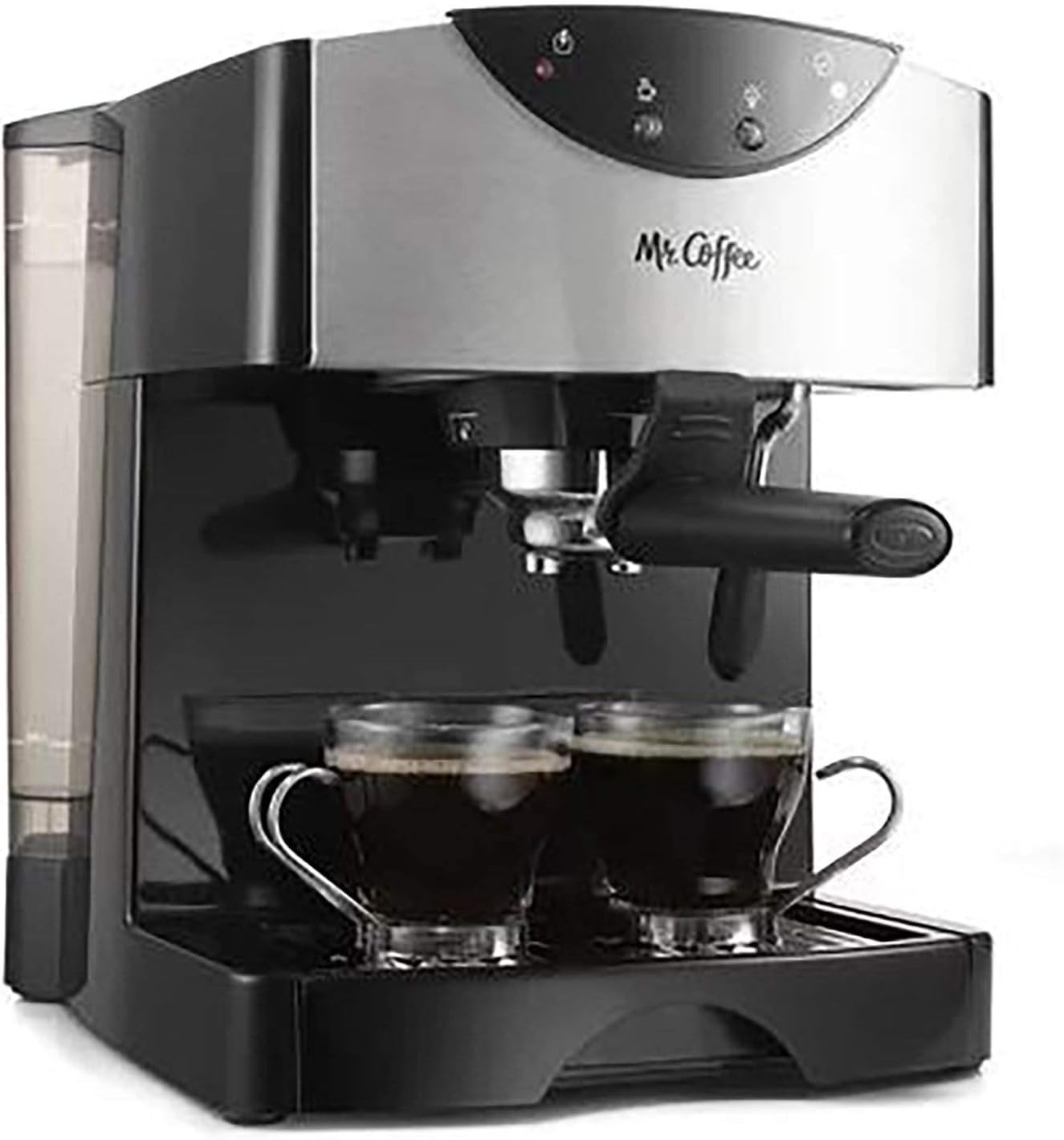
Mr. Coffee Espresso and Cappuccino Machine ECMP50
Around $80–$90. 15-bar pump with dedicated steam wand plus built-in automatic milk frother — most beginner-friendly milk-drink setup in this comparison. 40–45 second warm-up; pressurized basket as standard; build quality is mid-tier for this price range.
The ECMP50 is the only machine here with an integrated one-button automatic milk frother — you get lattes and cappuccinos without touching a steam wand. Warm-up is 40–45 seconds and the pressurized basket handles pre-ground coffee well. Not the path to advanced espresso, but unbeatable for effortless milk drinks at ~$85.
Pros
- ✓Built-in automatic milk frother — no steam wand technique needed
- ✓Dual output: dedicated steam wand plus auto-frother
- ✓~$85 price point
Cons
- ✗Pressurized basket limits espresso quality ceiling
Score breakdown
| Price | ~$85 |
| Pump | 15-bar |
| Warm-up | 40–45 sec |
| Frother | Built-in automatic |
| Steam wand | Yes |
| Portafilter | Pressurized |
| Weight | 2.8 kg |
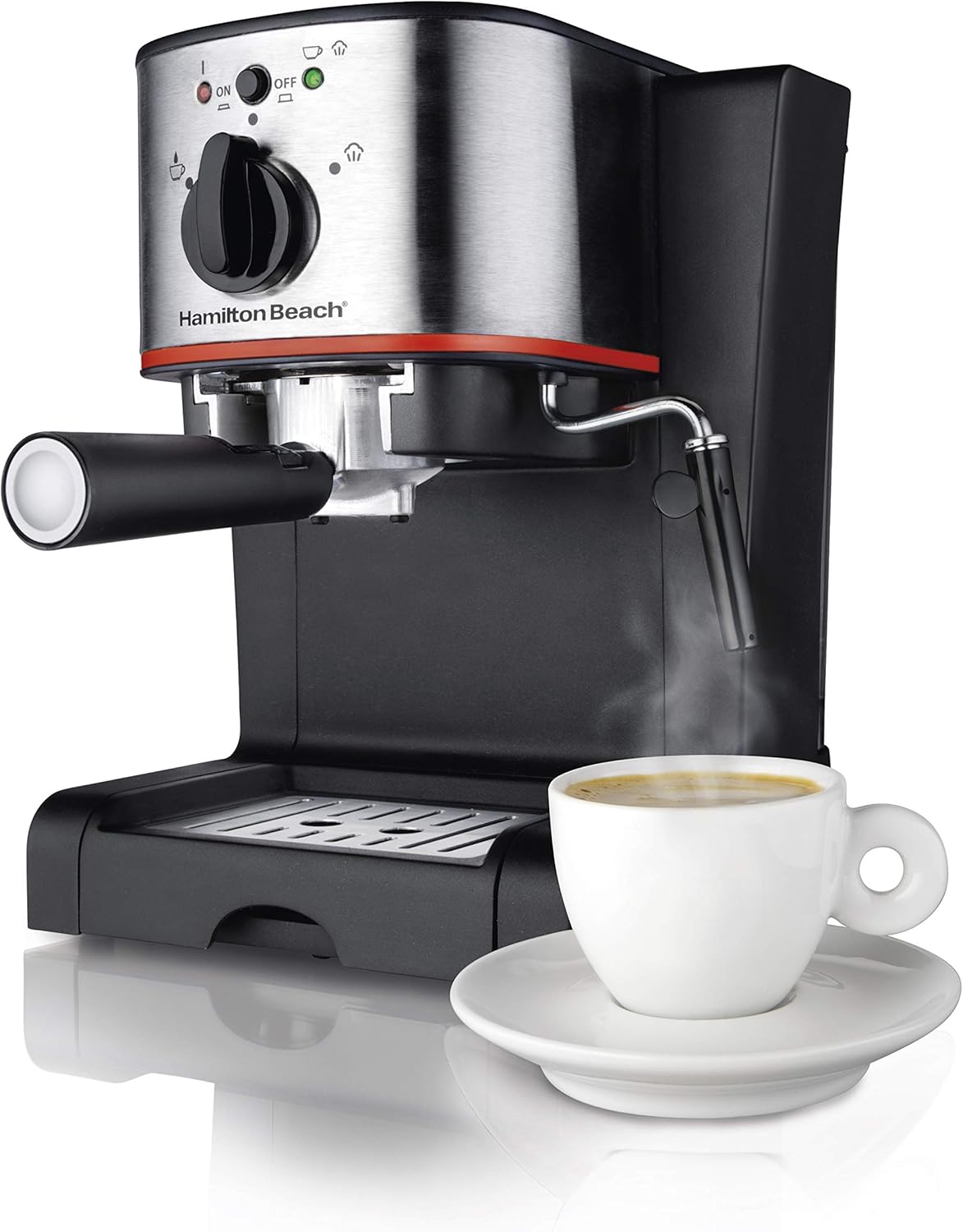
Hamilton Beach Espresso Maker 40792
Around $50. The lowest-cost pump espresso machine in this comparison. 15-bar pump, 60-second warm-up, accepts ground coffee and ESE pods, bare-tube steam wand. Lightest build quality; longest warm-up; steam wand requires the most technique to use well.
At ~$50 the 40792 is the cheapest real pump espresso machine in this comparison — not steam-pressure, an actual 15-bar pump. Warm-up takes 60 seconds and the bare-tube steam wand requires the most technique of any machine here, but it makes recognizable espresso and the financial risk is minimal for a first purchase.
Pros
- ✓~$50 lowest-cost pump espresso machine
- ✓Accepts ground coffee and ESE pods
- ✓Low financial risk for first espresso buy
Cons
- ✗60-second warm-up — longest in this comparison
- ✗Bare-tube steam wand requires the most technique
Score breakdown
| Price | ~$50 |
| Pump | 15-bar |
| Warm-up | 60 sec |
| Portafilter | Pressurized |
| Steam wand | Bare tube |
| Weight | 2.0 kg |
| Pod compatible | ESE pods |
Which one is right for you?
For aspiring home baristas
Breville Bambino BES450BSS
ThermoJet heat-up and commercial portafilter diameter give real room to grow technique
For best value at ~$80
De'Longhi EC155M Manual Espresso Machine
ESE pod + ground coffee flexibility with a beginner-friendly steam wand
For capsule convenience
Nespresso Essenza Mini D30
Zero variables, tiny footprint, consistent crema — no technique required
For easy milk drinks
Mr. Coffee Espresso and Cappuccino Machine ECMP50
Built-in automatic frother delivers lattes without steam wand practice
For absolute beginners on a budget
Hamilton Beach Espresso Maker 40792
Lowest-cost pump espresso machine with minimal financial risk
