Best Dip Belt 2026: 5 Picks for Weighted Pull-Ups and Dips
Once bodyweight dips and pull-ups stop being a challenge, a dip belt is the most direct way to keep adding resistance. The catch. Weight range and build quality determine long-term value far more than feature lists.
Each dip belt was evaluated on chain length, hardware gauge, padding material comfort under load, weight capacity rating, and long-term durability based on material construction — not brand claims.
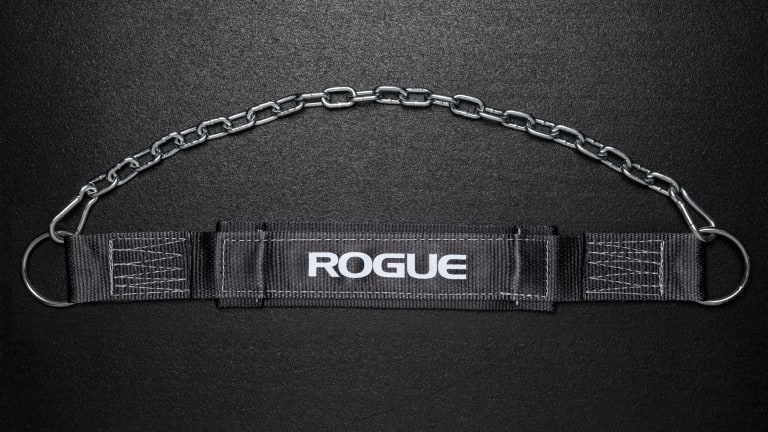
Rogue Dip Belt
Best Overall: Made in the USA from 10mm nylon webbing with a 3-inch leather pad and a rated carabiner. Under heavy plates — 90 lbs and beyond — the leather distributes load across your hip bones rather than digging in, and the hardware stays round.
Top picks ↓| Product | Price | Link |
|---|---|---|
| $65 | View deal → | |
| $29.99 | View deal → | |
| $39.99 | View deal → | |
| $55.99 | View deal → | |
| $25 | View deal → |
Top picks
Related articles
Rogue Dip Belt
Made in USA, includes chain and carabiner
Made in the USA from 10mm nylon webbing with a 3-inch leather pad and a rated carabiner. Under heavy plates — 90 lbs and beyond — the leather distributes load across your hip bones rather than digging in, and the hardware stays round. The single-purchase nature is real: the stitching and chain outlast cheaper belts by years.
Pros
- ✓Made in USA, double-stitched at all stress points
- ✓Leather pad molds to body over time
- ✓Rated carabiner handles serious load without deforming
Cons
- ✗Leather is stiff for the first few sessions before break-in
Score breakdown
| Material | 10mm nylon webbing + leather pad |
| Chain length | 24 in steel |
| Pad width | 3 in |
| Hardware | Rated steel carabiner |
| Origin | USA |

Dark Iron Fitness Leather Dip Belt
6-inch leather pad, 30" chain
Genuine leather with a 6-inch pad — wider than the Rogue — which makes dips specifically more comfortable since the weight sits on upper thighs. The 30-inch chain handles standard Olympic plates and the 300-lb capacity is more than realistic. Trade-off: takes 2–3 weeks of regular use to fully break in.
Pros
- ✓6-inch leather pad is wider than most competitors
- ✓300 lb weight capacity rating
- ✓Molds to body better than nylon after break-in
Cons
- ✗Stiff and uncomfortable for the first few sessions
Score breakdown
| Material | Genuine leather |
| Chain length | 30 in steel |
| Pad width | 6 in |
| Weight capacity | 300 lb |
| Price | $29.99 |

Harbinger Polypropylene Dip Belt
Budget-friendly, 30" chain
Heavy-duty polypropylene webbing with a 30-inch steel chain — the de facto gym-floor standard. Works without complaint for 25–75 lbs added. The steel ring is meaningfully stronger than the stamped rings on sub-$20 belts. Not as comfortable as leather under 100-lb loads, but at $25 it's the sensible starting point before committing to premium.
Pros
- ✓Used in most commercial gyms — proven track record
- ✓Steel ring noticeably stronger than cheap stamped rings
- ✓Practical starting point at $25
Cons
- ✗Polypropylene webbing less comfortable than leather under heavy load
Score breakdown
| Material | Polypropylene webbing |
| Chain length | 30 in steel |
| Price | $39.99 |
| Best for | 25–75 lb added weight |

Fire Team Fit Weightlifting Dip Belt
Neoprene padding, 36" chain, quick-release
Neoprene padding is soft from day one — no break-in period. The quick-release buckle speeds up transitions between sets, and the 36-inch chain is the longest here, giving room for multiple plates or thick bumper plates. Rated 300 lbs. Neoprene absorbs sweat so you'll need to rinse it occasionally in warm gyms.
Pros
- ✓Neoprene soft from first use — no break-in
- ✓Quick-release buckle speeds up transitions
- ✓36-inch chain accommodates thick bumper plates
Cons
- ✗Neoprene absorbs sweat; needs occasional rinsing
Score breakdown
| Material | Neoprene |
| Chain length | 36 in steel |
| Pad width | 4 in |
| Weight capacity | 300 lb |
| Price | $55.99 |

MummyFit Dip Belt
Value neoprene pick, 36" chain
Budget neoprene with a 36-inch chain — the same chain length as the Fire Team Fit at roughly half the price. Hardware is lighter gauge than Rogue or Dark Iron, which is fine under 100 lbs but something to watch if you plan to eventually load 135+ lbs. For beginners or anyone testing loaded calisthenics, it does the job without waste.
Pros
- ✓36-inch chain at sub-$30 price
- ✓Neoprene padding soft from day one
- ✓Zero-commitment entry point for weighted dips
Cons
- ✗Lighter hardware gauge — not ideal for 135+ lb loads
Score breakdown
| Material | Neoprene |
| Chain length | 36 in steel |
| Price | $25 |
| Best for | Beginners, <100 lb added weight |
Which one is right for you?
For serious lifters adding 90+ lbs
Rogue Dip Belt
USA-made hardware and leather that won't deform or dig in at high loads
For leather comfort on a budget
Dark Iron Fitness Leather Dip Belt
6-inch leather pad is wider than Rogue's and costs less than half
For beginners testing weighted dips
Harbinger Polypropylene Dip Belt
The commercial gym standard — proven at $25 before committing to premium
For fast set-to-set transitions
Fire Team Fit Weightlifting Dip Belt
Quick-release buckle and soft neoprene from day one
For lowest-cost entry
MummyFit Dip Belt
36-inch chain at sub-$30 — zero waste if you decide weighted dips aren't for you
Rogue Dip Belt — Best Overall
Rogue makes this belt in Columbus, Ohio from 10mm thick nylon webbing with a leather pad. The steel chain is thick — not decorative — and the carabiner is rated for actual load. If you've ever had a cheap belt's ring deform under heavy plates, this one won't do that.
The 3-inch wide leather pad distributes load across the hip bones rather than digging into one spot. That matters once you're adding 45+ lbs. The belt fits waist sizes up to about 44 inches with room to adjust.
At $75 it's the most expensive option here, but it's a one-time purchase for most lifters. Rogue backs it with their standard warranty and replacement parts are available. The stitching is double-sewn at all stress points.
Dark Iron Fitness Leather Dip Belt — Best Leather on a Budget
Dark Iron's belt uses genuine leather for the 6-inch wide padding — wider than the Rogue — which makes it noticeably more comfortable for weighted dips specifically, where the plate sits lower and presses into your upper thighs rather than hip crests.
The chain is 30 inches of steel with a clip that opens wide enough to thread through standard Olympic plate holes. Weight capacity is listed at 300 lbs, which is more than anyone will realistically need for weighted pull-ups or dips.
The leather takes a few sessions to break in. Early on it's stiff and slightly uncomfortable; after two or three weeks of regular use it molds to your body better than nylon ever will. Price sits around $40-45.
Harbinger Polypropylene Dip Belt — Best Budget Pick
Harbinger's belt runs about $25 and uses heavy-duty polypropylene webbing rather than leather. It's not as comfortable as leather under heavier loads, but for lifters in the 25-75 lb added weight range it works without complaint.
The 30-inch steel chain works with standard weight plates, and the steel ring is a significant step up from the thin stamped rings on truly cheap belts. This belt is what most commercial gyms stock and it handles daily abuse without falling apart.
For beginners just starting weighted dips and pull-ups, spending $25 to see if you'll stick with loaded calisthenics makes more sense than committing to a $75 Rogue immediately. If you outgrow it, you haven't lost much.
Fire Team Fit Weightlifting Dip Belt — Best for Comfort
Fire Team Fit wraps the padding in neoprene — the same material used in wetsuits — which is softer than polypropylene webbing and more forgiving than stiff leather at the start of a session. The quick-release buckle makes getting in and out of the belt faster than threading through a chain-only design.
The 36-inch chain is the longest here, which matters if you train with thick bumper plates or need to thread through multiple plates stacked together. The padding is 4 inches wide and sits comfortably on most hip widths.
Weight capacity is rated to 300 lbs. The neoprene does absorb sweat, so you'll want to rinse it occasionally if you train in a warm gym. Available around $35-40.
MummyFit Dip Belt — Best Value Pick
MummyFit positions this as the budget-friendly neoprene option. The 36-inch steel chain is the same length as the Fire Team Fit, the neoprene padding is comparable, and it comes in under $30.
Where it cuts costs: the hardware is lighter gauge than the Rogue or Dark Iron. For lifters under 100 lbs added weight, that's not a concern — the steel chain and clips are rated well above typical training loads. If you're planning to eventually work up to 135+ lbs attached, step up to a heavier-built belt.
The value is genuinely good for anyone starting out or training in a facility where gear disappears. It does the job of holding plates while you do dips and pull-ups without any fuss.
What to Look for in a Dip Belt
Belt material breaks into three categories: leather, nylon/polypropylene webbing, and neoprene. Leather is the most durable and molds to your body over time, but it's stiff until broken in. Nylon webbing is thin and doesn't conform as well under heavier loads. Neoprene is soft from day one but absorbs sweat and wears faster than leather.
Chain length determines how many plates you can stack and how low the plates hang. Shorter chains (30 inches) keep plates closer to your body, which feels more stable. Longer chains (36 inches) give you more room to load heavy and thread through thicker plates. Most lifters never hit the limit of a 30-inch chain.
Padding width matters most for dips, where the weight pulls down against your hip bones during the lowered position. A 4-6 inch wide pad spreads that force across more surface area. For weighted pull-ups, the belt sits higher against your torso and padding width is slightly less critical.
Hardware quality — the steel rings, carabiners, and buckles — is where cheap belts fail. Look for steel hardware rather than zinc alloy or plastic at connection points. If you can visibly flex a ring by hand, it will deform under loaded plates.