Best CrossFit Shoes 2026: WODs, Lifting & Running Tested
CrossFit shoes need to do everything reasonably well: stable enough for heavy squats and deadlifts, flexible enough for box jumps and burpees, grippy enough for rope climbs, and comfortable enough for metabolic conditioning runs. No single shoe dominates every task, but the best ones make acceptable compromises. We tested five options that serious CrossFit athletes actually wear.
Each product was evaluated on five criteria: build quality, performance under typical use, durability over time, comfort, and value per dollar. We weighted performance and durability highest because these determine whether a product is still useful 12 months later.
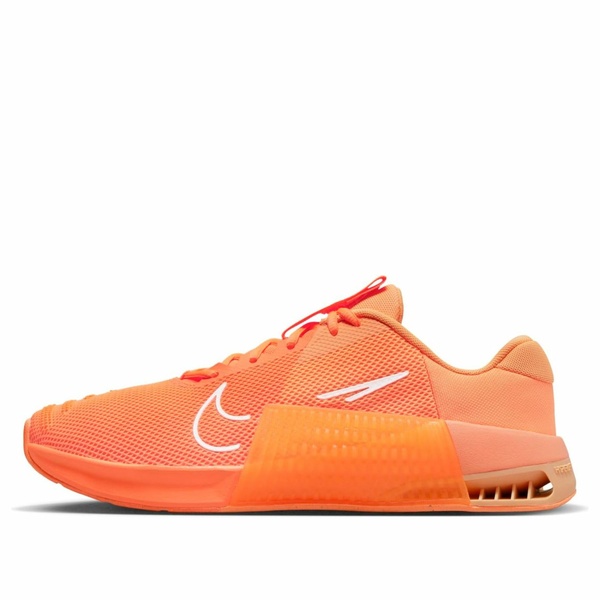
Nike Metcon 9
Best Overall CrossFit Shoe: The Nike Metcon has been the market leader for CrossFit training for years, and the 9th generation refines without dramatically changing what works. The flat, rigid heel is the defining feature: it provides a stable base for Olympic lifts and heavy squats without compressing under load (the opposite of what you want in a running shoe).
Top picks ↓| Product | Price | Link |
|---|---|---|
| $150.00 | View deal → | |
| $140.00 | View deal → | |
| $150.00 | View deal → | |
| $129.99 | View deal → | |
| $170.00 | View deal → |
Top picks
Related articles

Nike Metcon 9
The Nike Metcon has been the market leader for CrossFit training for years, and the 9th generation refines without dramatically changing what works. The flat, rigid heel is the defining feature: it provides a stable base for Olympic lifts and heavy squats without compressing under load (the opposite of what you want in a running shoe). The forefoot is more flexible, and the rope-climbing wrap is one of the most durable on the market. Metcon 9 runs slightly narrow — worth trying on before buying for wider feet. The outsole rubber durability has improved over previous generations.
0| Item weight | 13.3 oz (378 g), men's US 9 (lab-measured) |
| Heel drop | 4 mm |
| Cushioning | Firm/minimal, dual-density EVA midsole with rigid Hyperlift heel |
| Upper material | Layered breathable mesh with TPU overlays and rubber rope guards |
| Use type | cross-training / lifting |
| Stability features | Larger non-compressible Hyperlift TPU heel, wide flat heel, full herringbone rubber outsole |
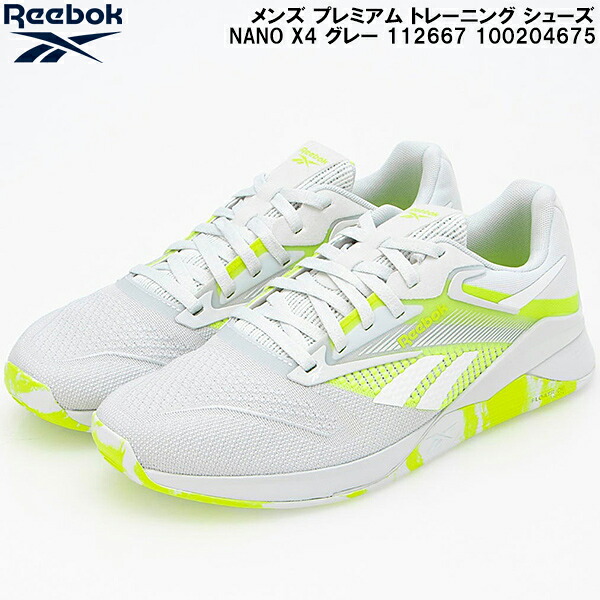
Reebok Nano X4
The Reebok Nano is the other perennial CrossFit shoe, and the X4 is its most refined version. Compared to Metcon, the Nano X4 is slightly more cushioned and more comfortable for longer running segments (400m+ repeats). The heel stability is slightly less rigid than Metcon, which is a trade-off — better comfort on runs, slightly less ideal for maximum load lifting. The dual-layer outsole provides good durability. For athletes who do a mix of WODs including longer runs, the Nano's better running comfort is the decisive factor.
0| Item weight | 11.7 oz (332 g), men's US 9 (lab-measured) |
| Heel drop | 7 mm |
| Cushioning | Firm/responsive Floatride Energy Foam midsole |
| Upper material | Flexweave knit with midfoot ventilation panel |
| Use type | cross-training / lifting |
| Stability features | Lift and Run Chassis, full rubber outsole, firm reworked heel cup |

NoBull Trainer
NoBull's trainer takes a different approach: no foam overlays, no fancy technology, just durable canvas-like SuperFabric upper, flat outsole, and reliable traction. The simplicity works for many CrossFitters who want durability and no gimmicks. The flat outsole gives a ground-feel that more cushioned trainers lack. Rope climbing performance is solid. The downside: less cushioning makes longer runs uncomfortable, and the upper offers less lateral support than Nike or Reebok. Best for short metcons, lifting-heavy WODs, and box environments where comfort over miles isn't the priority.
0| Item weight | 10.7 oz (303 g), men's US 10 (third-party measured) |
| Heel drop | 4 mm |
| Cushioning | Low-profile/minimal, moderately firm Phylon (EVA) midsole |
| Upper material | SuperFabric one-piece (polyester canvas base) |
| Use type | cross-training / lifting |
| Stability features | Flat low grounded platform, roomy toe box, full rubber lug outsole with medial/lateral wraps |
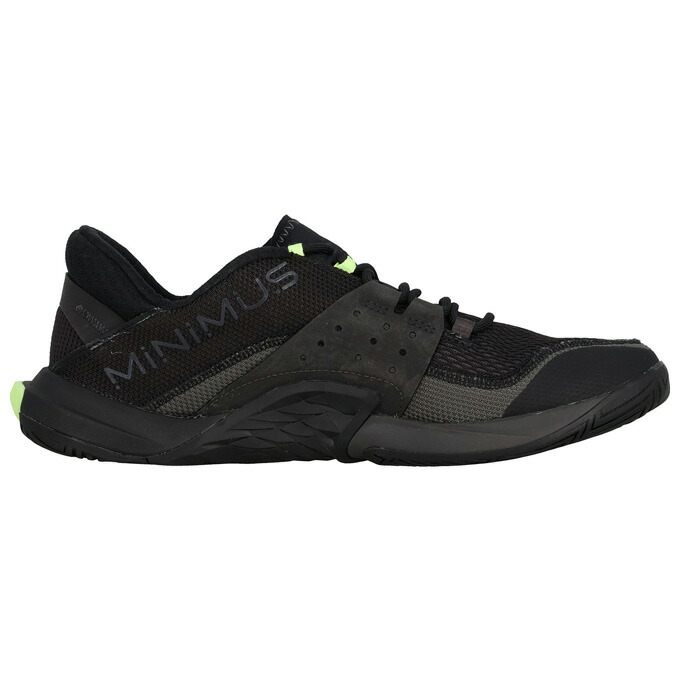
New Balance Minimus TR
The New Balance Minimus TR is the most running-friendly CrossFit shoe on this list. Minimal drop, more flexible sole, and more cushioning than Metcon or Nano make it the best choice for WODs with significant running volume — 800m+ repeats, running-heavy Hero WODs. The trade-off is reduced stability for heavy barbell work: the softer heel compresses under maximum squat loads. For athletes who prioritize performance across the running portions of workouts rather than absolute lifting stability, Minimus TR makes a genuine case.
0| Item weight | 8.9 oz (251 g), men's US 9 (lab-measured) |
| Heel drop | 4 mm |
| Cushioning | Minimal/low-stack FuelCell foam midsole, firm and low-profile |
| Upper material | Mesh/textile with synthetic overlays |
| Use type | cross-training / lifting |
| Stability features | Low narrow minimalist platform, midfoot rubber wraps for rope grip, herringbone rubber outsole |

Inov-8 Fastlift 370 BOA
The Inov-8 Fastlift 370 BOA is a hybrid between a CrossFit trainer and a true weightlifting shoe. A slight heel elevation (4mm), wider heel base, and stiffer construction than standard trainers make it notably more stable for snatches, clean-and-jerks, and heavy front squats. The rubber outsole still allows rope climbing and lateral movement that true lifting shoes prohibit. For athletes who program Olympic lifting heavily and want a shoe that leans toward lifting performance without fully sacrificing trainer versatility, this is the best bridge option.
0| Item weight | 370 g per shoe (Inov-8 model designation; size basis not documented) |
| Heel drop | 16.5 mm |
| Cushioning | Firm/rigid, high-density TPU midsole with Power-Truss heel |
| Upper material | Full ballistic nylon with durable overlays and BOA dial |
| Use type | weightlifting / cross-training |
| Stability features | Power-Truss heel system, external heel cage, BOA dial closure plus velcro strap, Met-Cradle midfoot lockdown |
Which one is right for you?
Best Overall CrossFit Shoe
Nike Metcon 9
The Nike Metcon has been the market leader for CrossFit training for years, and the 9th generation refines without dramatically...
Best for Versatility
Reebok Nano X4
The Reebok Nano is the other perennial CrossFit shoe, and the X4 is its most refined version.
Best Minimalist CrossFit Shoe
NoBull Trainer
NoBull's trainer takes a different approach: no foam overlays, no fancy technology, just durable canvas-like SuperFabric upper,...
Best for Running-Heavy WODs
New Balance Minimus TR
The New Balance Minimus TR is the most running-friendly CrossFit shoe on this list.
Best for Olympic Lifting
Inov-8 Fastlift 370 BOA
The Inov-8 Fastlift 370 BOA is a hybrid between a CrossFit trainer and a true weightlifting shoe.
How to Choose CrossFit Shoes
Heel stability, outsole grip, and flexibility balance determine which CrossFit shoe suits your WOD style.
Bottom line
Nike Metcon 9 remains the most complete CrossFit shoe for athletes who do a mix of lifting and metabolic work. For athletes whose WODs include longer running (800m+), Reebok Nano X4 is the better balanced choice. If your programming is heavily Olympic lifting, Inov-8 Fastlift 370 BOA provides the closest to lifting-shoe stability that still functions as a trainer. NoBull is for minimalists who want maximum durability without foam technology they don't trust.