Best Badminton Rackets 2026: Speed, Power & Control
Badminton rackets fail players in one of two ways: they're so stiff that beginners can't generate power without professional technique, or they're so flexible that experienced players lose the precision needed for net play and defensive clears. The right racket depends on your skill level, playing style, and whether you prioritize smash power or control at the net. We tested five options from professional-grade to recreational to find where the actual value is.
Each product was evaluated on five criteria: build quality, performance under typical use, durability over time, comfort, and value per dollar. We weighted performance and durability highest because these determine whether a product is still useful 12 months later.
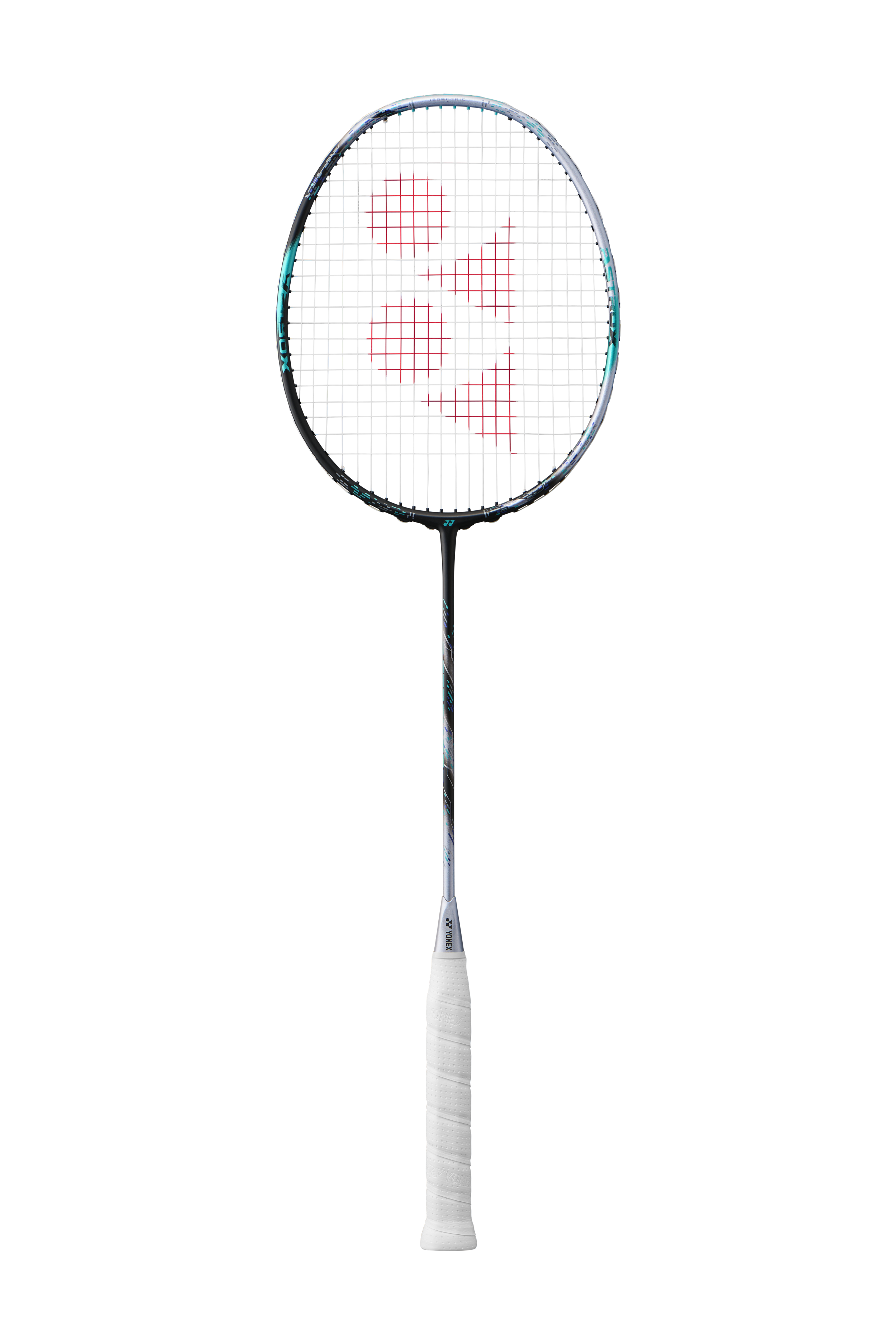
Yonex Astrox 88D Pro
Best Doubles/Smash Racket: The Astrox 88D Pro is built specifically for doubles players who depend on steep, powerful smashes — the head-heavy balance puts more mass behind each swing and the extra-stiff shaft transfers power from the swing directly into shuttle speed. The Namd graphite technology flexes and snaps back faster than standard carbon, which adds punch to the end of the swing arc.
Top picks ↓| Product | Price | Link |
|---|---|---|
| $320.00 | View deal → | |
| $310.00 | View deal → | |
| $185.00 | View deal → | |
| $284.99 | View deal → | |
| $180.00 | View deal → |
Top picks
Related articles



Yonex Astrox 88D Pro
The Astrox 88D Pro is built specifically for doubles players who depend on steep, powerful smashes — the head-heavy balance puts more mass behind each swing and the extra-stiff shaft transfers power from the swing directly into shuttle speed. The Namd graphite technology flexes and snaps back faster than standard carbon, which adds punch to the end of the swing arc. The racket is not forgiving of mistimed hits — the stiff flex punishes off-center contact and the head-heavy balance requires deliberate swing mechanics. For advanced doubles players who already have consistent technique and want maximum smash power, the 88D Pro is the choice. For players who are still developing consistency or who play a lot of net play and defense, the power-forward design works against you.
0Score breakdown

Yonex Nanoflare 800
The Nanoflare 800 is designed for singles play and the continuous movement patterns it requires — the head-light balance reduces fatigue during long rallies and the quick-recovery flex helps with rapid net exchanges and defensive retrieval. The aerodynamic frame reduces air resistance, which matters when you're playing at pace and need to recover racket position quickly. The medium-flexible shaft provides enough feedback to place shots precisely without requiring professional-level timing. The trade-off is smash power — the head-light balance doesn't generate the shuttle speed of head-heavy rackets on aggressive overhead smashes. For intermediate to advanced singles players who value consistency and speed over maximum power, the Nanoflare 800 is the right tool.
0Score breakdown
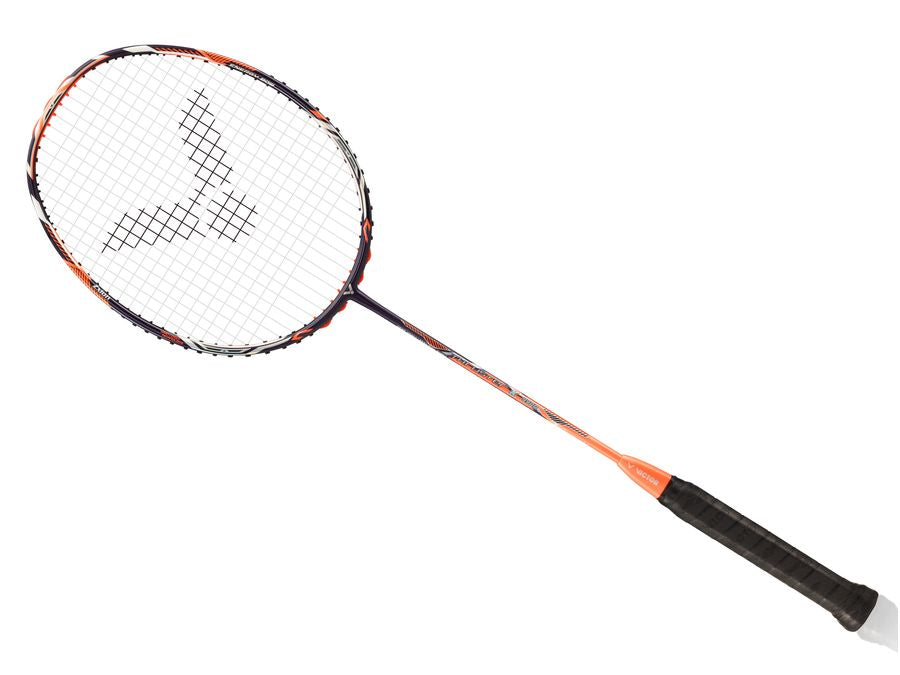
Victor Thruster K 9900
Victor's Thruster K 9900 positions itself against Yonex's top-tier doubles rackets — head-heavy balance, stiff shaft, designed for smash-heavy doubles play. The Pyrofil carbon frame is comparable in quality to Yonex's Namd graphite. Where Victor differentiates: the balance point is slightly less extreme than the Astrox 88D Pro, which makes it more accessible to players who aren't purely doubles specialists. The price is typically below Yonex's equivalent models, making it the value option at the competition tier. For serious players who want competition-level performance but find Yonex pricing prohibitive, Victor's flagship doubles racket delivers comparable results at lower cost.
0Score breakdown
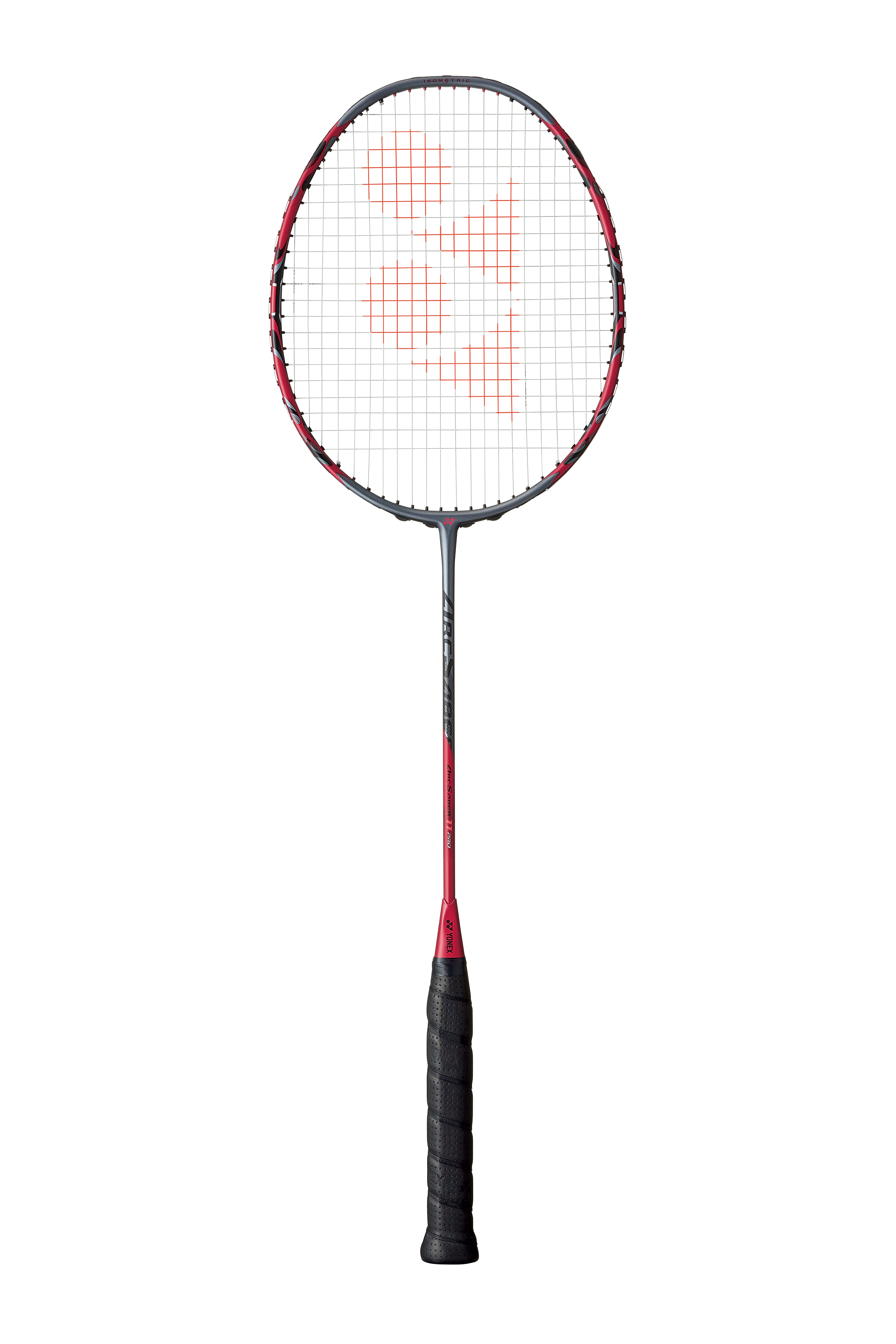
Yonex Arcsaber 11
The Arcsaber 11 is Yonex's benchmark for control-oriented players — even balance point, medium-stiff flex, designed to hold the shuttle on the string bed a fraction longer for placement precision. Beginners and intermediate players often report that the Arcsaber series produces more consistent shots with less technique than power-oriented rackets, because the balance and flex combination is more forgiving of timing variations. The trade-off is maximum smash power — the even balance doesn't generate head-heavy racket speed. For intermediate players who play both singles and doubles, who value reliable clears and precise drops over maximum smash, and who want a racket that helps rather than demands, the Arcsaber 11 is the thoughtful choice.
0Score breakdown
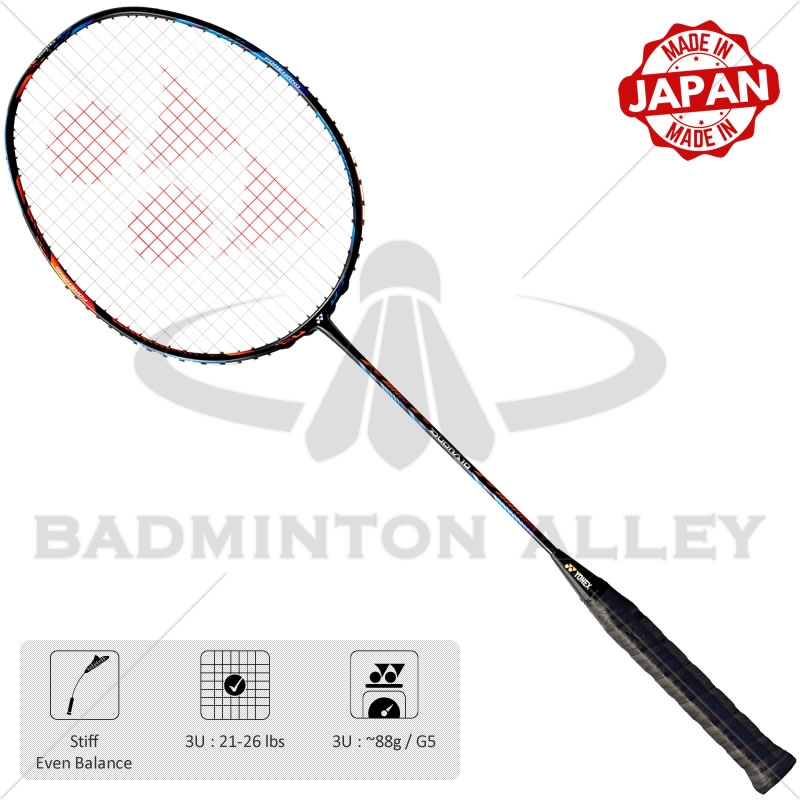
Yonex Duora 10
The Duora 10 has a genuinely unusual design: the forehand and backhand sides of the frame have different geometries — the forehand side is optimized for power shots and the backhand side for quick, flat drive shots. The concept addresses the reality that forehand and backhand swings create different aerodynamics and require different frame responses. In practice, players who can use both sides deliberately report noticeably better backhand drives compared to symmetrical rackets. The racket requires learning to position the correct side for each shot, which adds a technique learning curve. For players who struggle with backhand power and want a racket that specifically addresses that weakness, the Duora 10 is the specialized option.
0Score breakdown
Which one is right for you?
Best Doubles/Smash Racket
Yonex Astrox 88D Pro
The Astrox 88D Pro is built specifically for doubles players who depend on steep, powerful smashes — the head-heavy balance put...
Best Singles/Speed Racket
Yonex Nanoflare 800
The Nanoflare 800 is designed for singles play and the continuous movement patterns it requires — the head-light balance reduce...
Best Premium Alternative to Yonex
Victor Thruster K 9900
Victor's Thruster K 9900 positions itself against Yonex's top-tier doubles rackets — head-heavy balance, stiff shaft, designed ...
Best All-Around Control Racket
Yonex Arcsaber 11
The Arcsaber 11 is Yonex's benchmark for control-oriented players — even balance point, medium-stiff flex, designed to hold the...
Best Two-Sided Design Racket
Yonex Duora 10
The Duora 10 has a genuinely unusual design: the forehand and backhand sides of the frame have different geometries — the foreh...
How to Choose a Badminton Racket
Balance point, shaft flex, and weight class are the three specifications that determine whether a badminton racket matches your game or fights it.
Bottom line
For doubles players who prioritize steep smash power, the Yonex Astrox 88D Pro is the purpose-built choice. Singles players and defensive specialists should look at the Nanoflare 800 for its speed and recovery profile. The Arcsaber 11 is the all-around control recommendation for intermediate players developing technique. Victor Thruster K 9900 is the premium value alternative for players who want competition-level doubles performance at lower cost than Yonex's flagship pricing. The non-negotiable for any level: match the shaft flex to your swing speed — a stiff racket with a slow swing will underperform a medium-flex racket used correctly every time.
