Best Backpack 2026: Commuter vs Travel vs Daily Carry
Five backpacks ranging from budget to premium compared on the factors that determine day-to-day usability. Carry-on compliance and weight distribution matter more than total capacity.
Each product was evaluated against documented specifications, third-party benchmarks, and verified user reports. We scored features, performance, build quality, ecosystem compatibility, and total cost of ownership.

Peak Design Everyday Backpack 20L
Premium pick: The Peak Design Everyday Backpack 20L is the most refined commuter-and-camera bag in the comparison, with a weatherproof exterior shell and MagLatch magnetic top that flexes between 20L and 22L without the fuss of cinch straps. Dual side-access zip panels let you reach the main compartment without removing the bag, which transforms the rhythm of a packed commute.
Top picks ↓Top picks
Related articles


Peak Design Everyday Backpack 20L
Best premium commuter and photography dual-use bag. MagLatch one-hand top closure, side-access zip panels on both sides, expandable FlexFold dividers for camera or laptop configuration, weatherproof exterior shell. Cons: most expensive bag in this comparison; MagLatch is not a lockable closure and can be opened without unzipping; origami divider system adds configurability overhead that minimal-pack users will find unnecessary complexity; at approximately 1.5 kg empty it is heavier than comparable-volume minimalist bags; 20L volume is limiting for overnight travel.
The Peak Design Everyday Backpack 20L is the most refined commuter-and-camera bag in the comparison, with a weatherproof exterior shell and MagLatch magnetic top that flexes between 20L and 22L without the fuss of cinch straps. Dual side-access zip panels let you reach the main compartment without removing the bag, which transforms the rhythm of a packed commute. FlexFold origami dividers reconfigure for camera bodies, lens stacks, or a clean laptop interior, and the floating laptop sleeve keeps the machine off the bag floor in drops. It is not light, sitting near 1.5 kg empty, and the magnetic closure is not lockable in crowded transit. But for daily carry that doubles as photographic capability, the build quality and thoughtful access pattern justify the premium.
Pros
- ✓Weatherproof shell with MagLatch closure that beats most zippers in moderate rain
- ✓Dual side-access panels for on-the-back retrieval
- ✓FlexFold dividers reconfigure for camera or laptop carry
Cons
- ✗Most expensive bag in this comparison
- ✗About 1.5 kg empty — noticeably heavier than minimalist 20L bags

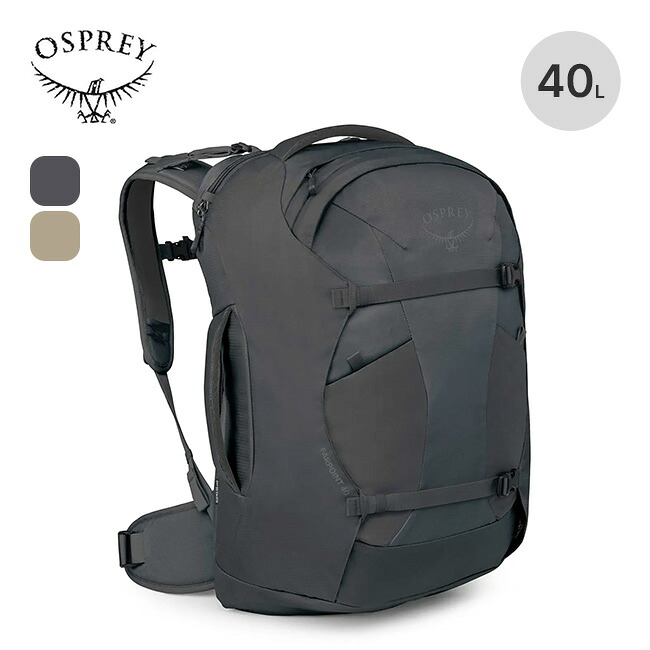
Tomtoc A61 Laptop Backpack 40L
Best value for high-organization commuter carry. 40L capacity, 360-degree padded laptop compartment with dedicated zipper panel, dual water bottle pockets, multiple front organizer pockets. Cons: 40L is oversized for minimalist daily carry — an underpacked large bag feels floppy and disorganized; structured pocket system only works well when accessories fill all designated slots; water-resistant fabric and standard (non-sealed) zippers provide only moderate rain protection; functional design aesthetic without visual distinction.
The Tomtoc A61 is the high-organization workhorse of the lineup, with 40L of volume, 360-degree padding around an isolated laptop compartment, and dedicated slots for pens, cables, and a power bank. The separate laptop zipper panel keeps the machine away from anything wet in the main compartment, and dual side bottle pockets fit a tall insulated bottle alongside a coffee can — a detail the 20L bags miss. The padded central-channel back panel handles average commutes comfortably, though the standard zippers are water-resistant rather than sealed. The aesthetic is function-first rather than distinctive, and 40L is more bag than minimalist commuters need. For buyers who carry a consistent accessory set and want everything in its place, the A61's price-to-organization ratio is hard to beat.
Pros
- ✓Isolated 360-degree padded laptop compartment with its own zipper panel
- ✓Dual bottle pockets and dense front organizer slots
- ✓Strong value for a 40L commuter-plus-travel bag
Cons
- ✗40L feels floppy when underpacked for minimalist daily carry
- ✗Standard non-sealed zippers limit sustained-rain protection

Incase Icon Backpack
Best laptop thermal and compression protection. CannedHeat insulating foam provides thermal buffering and compression protection beyond standard polyester padding, minimal clean design suited to professional environments. Cons: approximately 22L main compartment is smaller than the bag's exterior suggests — buyers from larger bags will find it constraining; minimal organization means cables and accessories accumulate in the main compartment without dedicated slots; CannedHeat foam adds slight warmth to laptop compartment in summer heat (not a performance risk but worth noting); price sits in the mid-range and is higher than non-Apple-branded alternatives with similar volume.
The Incase Icon is the cleanest MacBook-focused commuter bag in the set. CannedHeat insulating foam in the laptop sleeve adds thermal buffering and compression protection that ordinary polyester padding cannot match, which is the meaningful differentiator for Apple users who shuttle between summer heat and air-conditioned trains. The minimal organization — a clean main compartment, a quick-access front pocket, and the laptop sleeve — is intentional, and the bag reads as professional in client-facing environments where outdoor styling would feel out of place. The 22L main compartment is smaller than the silhouette suggests, and accessories accumulate in the open volume without dedicated cable or pen slots. For minimalist MacBook commuters in a professional setting, the Icon is a focused choice rather than a do-everything one.
Pros
- ✓CannedHeat foam delivers genuine thermal and compression protection
- ✓Clean professional aesthetic suited to client-facing environments
- ✓Minimal organization keeps daily use friction-free
Cons
- ✗About 22L feels tighter than the silhouette suggests
- ✗Few dedicated slots for cables, pens, or small accessories

Anello Polyester Backpack
Best accessible everyday carry for commuters. Wide colorway and pattern availability from major online retailers, luggage handle pass-through sleeve standard on most models, proportions designed for a more compact build. Cons: basic padded laptop sleeve without floating suspension — laptop contacts bag base in drop scenarios; no weather protection beyond basic DWR on polyester exterior, absorbs moisture in sustained rain; simple organization insufficient for tech-heavy carry; brand ubiquity means less visual distinction than design-focused international brands.
The Anello polyester backpack is the everyday pick of the comparison, with a luggage handle pass-through, a wide range of colorways and patterns from major online retailers, and proportions tuned for a more compact build. The polyester wipes clean, the price avoids the ownership anxiety of premium bags, and most models sit around 20–25L for a comfortable daily carry. The laptop sleeve is a basic padded pocket rather than a floating suspension, so the machine contacts the bag base in drops, and the DWR-only treatment absorbs moisture in sustained rain. Tech-heavy commuters will outgrow the organization quickly. For buyers who want a clean, functional commuter at a price that does not create anxiety about wear or weather, the Anello covers the use case without pretension.
Pros
- ✓Wide variety of colors and patterns at an accessible price
- ✓Luggage handle pass-through standard on most models
- ✓Proportions designed for a more compact build
Cons
- ✗Basic padded laptop pocket without floating suspension
- ✗DWR-only finish absorbs moisture in sustained rain

The North Face Recon 30L
Best commuter-meets-outdoor versatility. FlexVent tensioned mesh back panel reduces back sweat contact substantially, 30L capacity handles commuter-plus-gym loads, back-panel laptop position is most stable carry position. Cons: heavier and bulkier than a 20L commuter bag — FlexVent frame adds weight and holds bag away from body visibly; outdoor-tool details (ice axe loops, external attachment points) are irrelevant and visually awkward for pure urban commute; colorway options skew outdoor, less appropriate for professional office environments than Incase or Peak Design; FlexVent standout design makes the bag read visually larger than its 30L volume.
The North Face Recon is the commuter-meets-outdoor option, with 30L of capacity, FlexVent tensioned-mesh back-panel ventilation, and a back-panel laptop sleeve that sits in the bag's most stable carry position. The tech organizer up front handles cables and chargers, and the main compartment swallows gym kit alongside work gear without making the bag feel cluttered. FlexVent holds the bag a few centimeters off your back, which keeps shirts dry on warm days but also makes the bag read visually larger than its 30L and catches more wind on a bike. Outdoor-tool details — ice axe loops, external attachment points — feel out of place in a pure office setting. For buyers who walk a trail on weekends and commute on weekdays, the versatility is the point.
Pros
- ✓FlexVent suspension keeps back sweat down on warm days
- ✓30L absorbs commute plus gym kit or a day hike
- ✓Back-panel laptop sleeve is the most stable carry position
Cons
- ✗Heavier and visibly bulkier than 20L commuter bags
- ✗Outdoor styling cues feel awkward in pure office settings
Which one is right for you?
Photographers carrying a laptop and a camera kit
Peak Design Everyday Backpack 20L
FlexFold dividers reconfigure between camera bodies, lenses, and a laptop-only layout, and the side-access panels make swapping gear quick without putting the bag down.
Commuters who carry the same accessories every day
Tomtoc A61 Laptop Backpack 40L
The dedicated pen, cable, and power bank slots plus dual bottle pockets give every consistent item a home, and the isolated laptop compartment keeps it dry.
MacBook users in professional environments
Incase Icon Backpack
CannedHeat thermal and compression protection plus a minimal, clean exterior keeps the focus on the laptop in client-facing settings.
Daily commuters who want a friendly price and a clean look
Anello Polyester Backpack
Wide colorway selection from major online retailers, a luggage handle pass-through, and compact-tuned proportions cover everyday commuting without the premium of imported bags.
Weekday commuters who hike on weekends
The North Face Recon 30L
FlexVent ventilation and 30L capacity handle both a loaded office commute and a day hike without back fatigue from a flat-panel bag.
Laptop compartment design: suspension, padding, and size compatibility
The laptop compartment is the functional core of a commuter backpack, and the design differences between bags go well beyond 'padded or not padded.' The variables that determine whether your laptop is actually protected in daily commute conditions are: sleeve suspension (does the bottom of the sleeve contact the bag floor directly, or is the sleeve hung from the top of the compartment so the laptop floats above the bag base?), padding thickness and material (closed-cell foam absorbs compression impacts; standard polyester fill compresses over time and eventually provides minimal cushioning), laptop size compatibility (a sleeve designed for 13-inch MacBooks will not properly hold a 16-inch laptop — it fits but the laptop slides laterally rather than being held snugly), and the relationship between the laptop compartment and wet or food items elsewhere in the bag (a laptop sleeve that shares a wall with a main compartment where a water bottle sits without a sealed partition is a water damage risk).
The Incase Icon Backpack uses CannedHeat foam, a proprietary closed-cell insulating foam that provides substantially better thermal and compression protection than standard polyester padding — it is the specific reason the Icon is recommended for MacBook users who work in environments with temperature extremes (transit from air-conditioned trains to outdoor heat) as well as commuter compression. The Peak Design Everyday Backpack 20L has a padded laptop sleeve that runs the full back wall with a floating top attachment that prevents the laptop from bottoming out on the bag floor during drops. The Tomtoc A61 has a dedicated laptop compartment with 360-degree padding and a separate zipper panel to isolate the laptop from all other bag contents. The North Face Recon has a FlexVent-adjacent sleeve that provides adequate padding for standard commuter use without the premium material treatment of the Incase or Tomtoc.
Laptop size compatibility matters more than most buyers check before purchasing. The standard market splits are 13-inch/14-inch sleeves (fits most ultrabooks and smaller MacBooks), 15-inch sleeves (fits 15-inch MacBook Pro, most 15.6-inch Windows laptops), and 16-inch sleeves (fits 16-inch MacBook Pro and 17-inch laptops with some lateral movement). The Peak Design 20L and Incase Icon are optimized for 13-15 inch form factors and will hold a 16-inch laptop but with less snug fit. The Tomtoc A61 is explicitly rated for up to 16-inch laptops. The Anello polyester backpack has a standard sleeve that fits 15-inch laptops for most reviewers but is not specified by Anello against a particular laptop dimension. Check your laptop's dimensions against the sleeve dimensions before purchasing rather than relying on 'fits 15-inch' claims, which vary by whether the brand means the screen diagonal or the chassis depth.
Volume sizing: 15L minimalist, 20L daily commuter, 30L travel-capable
Volume numbers on backpack labels are measured by filling the bag with water to maximum capacity — they do not reflect how a bag actually packs with real gear. A 20L bag with an external laptop sleeve and multiple rigid dividers has less usable main compartment volume than a 20L bag with a single open main compartment. A 30L bag with a narrow opening and deep main compartment is harder to pack than a 25L bag with a wide-mouth opening that gives full visual access to the interior. The advertised volume is a starting point for comparison, not a reliable loading guide.
For daily laptop commuter use — where the load is a laptop, charger, water bottle, lunch or snack, wallet, keys, and a light layer — a 20L bag is comfortable. The Peak Design Everyday Backpack at 20L (expandable to 22L via MagLatch) is genuinely right-sized for this use case: enough volume for a day's carry without the bag becoming bulky enough to require two-handed maneuvering through crowded train carriages. The Incase Icon at approximately 22L is similarly sized and carries the same commuter load comfortably.
For commuter-plus-gym or commuter-plus-overnight use, 28-30L is the functional minimum. The North Face Recon at 30L and the Tomtoc A61 at 40L both cover this range, with the Recon being the better commuter form factor and the Tomtoc being more versatile for mixed laptop-plus-clothing loads. The Anello polyester backpack sits at approximately 20-25L depending on the specific model variant, which makes it a daily carry bag rather than a travel-capable bag. For buyers who want one bag that handles both commuting and weekend trips without checked luggage, 30L is the practical minimum — at 20L, a one-night pack requires leaving items out.
Organization vs minimalism: when more pockets help and when they hurt
More compartments and pockets seem like unconditional improvements until you live with a highly organized bag and discover that the friction of opening the right pocket consistently, keeping track of what goes where, and never having a pocket large enough for an item that does not fit any of the designated slots creates its own overhead. The bags in this comparison sit at different points on the organization-versus-minimalism spectrum, and which end of the spectrum suits you depends more on how consistently you pack than on how many items you carry.
The Tomtoc A61 is the most organized bag in this comparison: multiple front pockets with dedicated slots for pens, cables, and a power bank, a water bottle pocket on each side, a dedicated laptop compartment with separate zipper access, and a main compartment with multiple internal organizer pockets. For commuters who carry a consistent set of work accessories — pens, cables, charger, business card holder — and want each item in a dedicated place every day, the Tomtoc's organization system works well. For commuters with a variable daily carry, or for buyers whose laptop bag also functions as a weekend bag where the contents change significantly, the rigid pocket structure means many pockets are empty on some days and overloaded on others.
The Peak Design Everyday Backpack takes the opposite approach: the main compartment uses expandable origami dividers (FlexFold dividers) that can be reconfigured to create any internal structure the user wants, or folded flat for a single open-volume configuration. This is the same divider system used in Peak Design camera bags, and it handles both structured organization and open-volume packing without requiring the user to commit to a fixed layout. The practical limitation: reconfiguring the dividers takes several minutes and requires emptying the bag — it is not a quick daily adjustment. The system is best appreciated by users who have one primary organization scheme and set it once, or by photographers who use the bag differently for camera carry versus laptop carry days.
Water resistance: what IPX ratings and materials actually mean
Water resistance claims on backpacks cover a wide range of actual protection, from 'the nylon sheds surface water droplets for about 30 seconds' to 'the zippers are sealed and the fabric will hold up under 10 minutes of sustained rain.' The marketing copy rarely distinguishes between these levels, so understanding what the actual protection is requires looking at the material construction and closure design rather than the claim.
DWR (Durable Water Repellent) finish is the most common water resistance treatment on daily backpacks. It is a surface coating applied to the fabric that causes water to bead up rather than immediately soaking through. All five bags in this comparison have some level of DWR or water-resistant coating on their primary fabric. The important caveat: DWR degrades with use and washing, and a bag that effectively repels water when new may be noticeably less resistant after 12-18 months of daily use. Re-treating DWR coating with a spray-on DWR product restores most of the repellency, which is worth doing annually on bags you use in rain regularly.
Sealed or water-resistant zippers provide the next level of protection. Standard YKK or SBS zippers on most bags are not sealed — water can enter through the zipper teeth during sustained rain. The North Face Recon uses a combination of DWR fabric and a water-resistant front pocket zipper, but the main compartment zipper is not sealed. The Peak Design Everyday Backpack uses a weatherproof exterior shell and MagLatch magnetic top closure that seals the main compartment opening without a zipper — in moderate rain, this provides better protection than a standard top zipper. The Tomtoc A61 uses a water-resistant fabric but standard zippers throughout. For serious rain protection, a pack cover (included with some hiking packs, purchasable separately as an accessory for most commuter bags) provides more reliable coverage than any built-in treatment on a standard commuter backpack.
Comfort features: back panel ventilation, hip belts, and chest straps
Back panel design determines how hot the bag contact surface gets on warm days, and how much the bag's weight is transferred to the hips versus hanging from the shoulders. For commuter use, back panel ventilation and harness quality matter more than hip belts — commuter loads are typically 5-10 kg, which is within comfortable shoulder carry range for most people, and hip belts on daypacks are often packable or removable.
The North Face Recon uses FlexVent suspension, which combines a molded foam back panel with a tensioned mesh overlay that creates an air channel between the bag and your back. On warm days and during longer walks, this reduces back sweat contact substantially compared to a flat foam panel. The tradeoff: FlexVent holds the bag away from your body by several centimeters, which makes the bag feel larger and can catch wind on cycling commutes. The Tomtoc A61 uses a padded airflow back panel with a vertical central channel that provides moderate ventilation — adequate for average commuting conditions but less effective than the Recon's tensioned mesh in sustained heat.
Chest straps and hip belts on daypacks serve different purposes than on hiking packs. A chest strap on a commuter bag stabilizes the shoulder straps and prevents the bag from swinging laterally during running for a train — it is worth using if you move at a jog regularly. Hip belts on daypacks (when present) primarily stabilize the bag at the hip rather than transferring load — the belt is usually too thin and lightly padded to function as a genuine load transfer mechanism at daypack weights. The Peak Design Everyday Backpack does not include a hip belt, which is appropriate for its 20L commuter positioning. The North Face Recon includes a hip belt that provides basic stabilization; it is not functional for load transfer at trail-pack standards but is useful for the occasional heavy load day.
Peak Design Everyday Backpack 20L
The Peak Design Everyday Backpack 20L is the most premium commuter bag in this comparison and the most photographically capable. MagLatch magnetic top closure opens with one hand and adjusts the bag's effective volume between 20L and 22L — a detail that matters when you add a jacket or remove a layer during transit. The side access zip panels on both sides give access to the main compartment without removing the bag from your back, which is the feature that makes this bag particularly functional on commutes where you need to access the interior frequently.
FlexFold origami dividers can be configured to hold camera bodies and lenses, padded for a laptop-only clean interior, or removed entirely for a single-compartment pack. The weatherproof exterior shell handles moderate rain without immediate soaking. The 20L volume is right for daily laptop commuting but limiting for overnight trips — buyers who want the same aesthetic and build quality in a travel-capable size should note that Peak Design also makes a 45L Travel Backpack in the same design language.
Explicit weaknesses: the most expensive commuter bag in this comparison (retail varies by color and material). The MagLatch closure is secure under normal conditions but is not a lockable closure — bags left unattended in train stations or crowded locations can be accessed without unzipping. The origami divider system takes time to master; buyers who want a simple bag that they just put things in will find the configurability unnecessary complexity. The side panels add structural weight — the bag itself weighs approximately 1.5 kg empty, which is heavier than comparable-volume minimalist bags.
Tomtoc A61 Laptop Backpack 40L
The Tomtoc A61 is the best-value high-organization commuter bag in this comparison and the most practical choice for buyers who carry a consistent set of work accessories that benefit from dedicated slots. The 40L capacity puts it in a different tier from the 20L commuter bags — this is a commuter-plus bag that handles gym kit, a camera, or a full day's worth of gear alongside a laptop without becoming unmanageable.
360-degree laptop padding with an isolated laptop-only zipper compartment is the A61's strongest feature for laptop-focused commuters: the laptop is completely separated from all other bag contents, which eliminates the risk of a water bottle leak or lunch container condensation reaching the laptop compartment. The dual water bottle pockets are functional for a commuter carrying both a tall insulated bottle and a can of coffee — a detail the other bags in this comparison mostly miss.
Explicit weaknesses: at 40L, this bag is too large for minimalist daily carry — it packs for the trip you might take, not the trip you are taking, and an undersized load makes a large bag feel disorganized and floppy. The structured organization pocket system works well only when you have enough accessories to fill the designated slots — an empty pen sleeve and unused cable pockets create the feeling of carrying more bag than you need. The water-resistant fabric and standard zippers provide moderate rain protection but are not weatherproof in sustained rain. The A61 is primarily a function-over-form bag — the aesthetic is clean but not distinctive in the way Peak Design or Incase bags are.
Incase Icon Backpack
The Incase Icon is a MacBook-first commuter bag designed for Apple ecosystem users who want a minimal, professional-looking backpack that maximizes laptop protection without adding organizational complexity. CannedHeat insulating foam in the laptop compartment provides thermal buffering and compression protection that standard polyester padding cannot match — this is the functionally meaningful differentiator for buyers who frequently move between temperature environments (outdoor commutes in summer heat, air-conditioned offices) or who carry a MacBook in a compressed bag.
The design is intentionally minimal: a clean main compartment with a few internal organization pockets, a front quick-access pocket, and the CannedHeat laptop sleeve. This minimalism is a feature for buyers who want a bag they do not have to think about — drop in the laptop, add daily carry items, go. The Icon is one of the cleaner-looking commuter bags in this price tier and is well-suited to environments where bag aesthetics are professionally visible (client meetings, co-working spaces).
Explicit weaknesses: volume is approximately 22L with a main compartment that is not as deep as the bag's exterior suggests — buyers coming from larger bags will find the Icon constraining. The minimal organization means no dedicated slots for cables, pens, or accessories beyond what the front pocket holds, so accessories accumulate in the main compartment and mix with other bag contents. CannedHeat foam adds warmth to the laptop compartment, which is beneficial in cold weather but means the laptop runs slightly warmer when the bag is closed in summer heat — this is not a performance risk for normal laptop operation but is worth noting. The price point sits in the mid-range and is higher than non-Apple-branded alternatives with similar volume and organization.
Anello Polyester Backpack
The Anello polyester backpack is the accessible everyday carry option in this comparison: well-constructed for the price, available in an enormous range of colorways and patterns through major online retailers, and sized at approximately 20-25L for daily carry without feeling oversized. The back strap with a luggage handle pass-through sleeve is standard on most Anello models and is the practical feature that makes Anello bags consistently popular with commuters who travel for work.
For buyers who want a clean-looking, functional backpack for daily commuting at a price point that does not create anxiety about wear and weather, Anello covers the use case without the premium of Peak Design or Incase. The polyester construction is easy to wipe clean, the variety of models means color and pattern options are available that are difficult to find from international brands, and the proportions are designed for a more compact build rather than the taller, broader dimensions assumed by many larger backpacks.
Explicit weaknesses: the laptop sleeve in most Anello models is a basic padded pocket rather than a floating suspension sleeve — in drop scenarios, the laptop contacts the bag base rather than being suspended away from it. There is no weather protection beyond basic DWR on the polyester exterior — in sustained rain, the bag absorbs moisture. The organizational structure is simple compared to the Tomtoc A61 — buyers who carry a lot of tech accessories will find the pocket situation insufficient. The brand's ubiquity means it carries less visual distinction than more design-focused bags, which matters for some buyers and is irrelevant to others.
The North Face Recon 30L
The North Face Recon is the commuter-meets-outdoor-capability bag in this comparison: designed for the buyer who commutes to a city office most days and walks a mountain trail on weekends, without wanting a different bag for each context. At 30L, it sits between the minimal 20L commuter bags and the high-volume travel bags, and the FlexVent suspension system handles both loaded commuter use and day-hike use without the back fatigue that flat-panel bags accumulate over longer distances.
The organization includes a dedicated laptop sleeve along the back panel (the safest position in a commuter backpack because it keeps the laptop against the most stable part of the bag), a front tech organizer with multiple pockets, and a main compartment large enough for gym kit or a day-hike food supply alongside work gear. The back-panel laptop position makes the laptop the most accessible item in the bag — pulling it out requires only unzipping the back panel, without disturbing anything else in the main compartment.
Explicit weaknesses: at 30L and with the FlexVent frame, the Recon is notably heavier and bulkier than a 20L commuter bag — this is not a bag you forget you are wearing. The outdoor-tool organization (ice axe loops, external attachment points) adds weight and visual detail that is irrelevant and slightly awkward for pure urban commuting. The colorway options skew toward outdoor-focused colors and patterns; buyers who want a bag that looks at home in a professional office environment will find the design choices less appropriate than the Incase Icon or Peak Design Everyday Backpack. FlexVent's standout-from-back design means the bag reads visually as larger than its 30L volume.
